


Lordelo and Meloxo Neighbourhoods
About this heritage
The neighbourhoods of Lordelo and Meloxo are located in the area of O Grove in the province of Pontevedra.
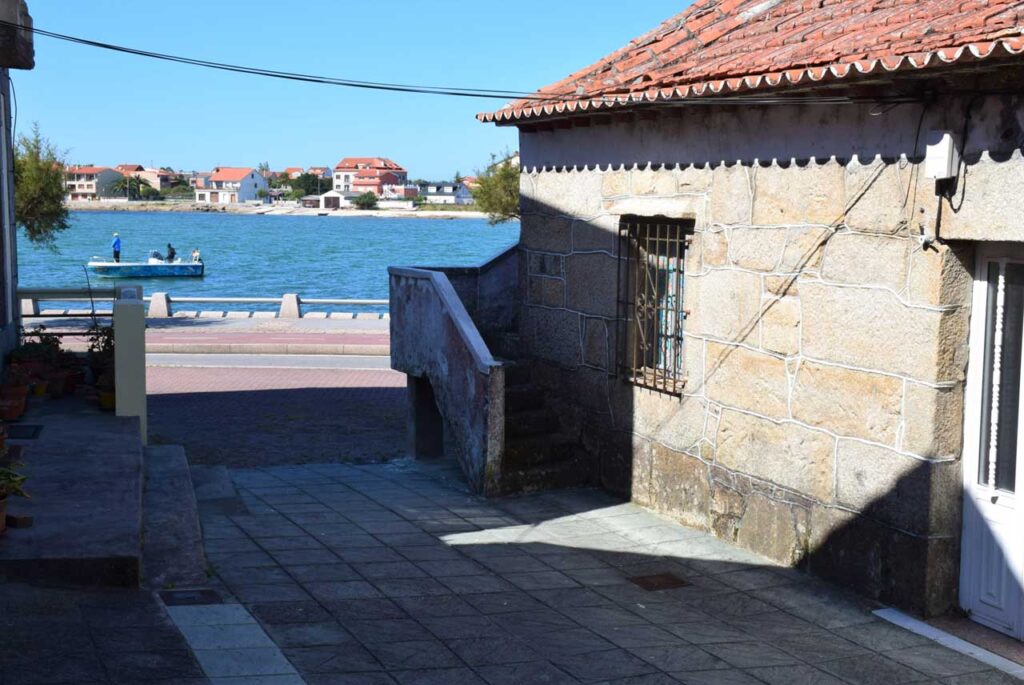
Lordelo is one of the neighbourhoods that forms part of the town of O Grove. Other neighbourhoods that form part of the town’s centre are Peralto, O vento and Confín. Of all of them, this quarter has the peculiarity of being a singular historical setting, reason for which it forms part of the cultural patrimony of O Grove together with other singular historical settings as that of Meloxo.
Meloxo is a maritime neighbourhood with a small and old port where many fishing activities are carried out, particularly the unloading of mussels. There are also traditional boats of the area such as the "dornas", the name given to the boats that are dedicated to inshore fishing and other types of seafood, other than mussels. This port extends from the Meloxo point in the north to the Moreira point in the south. Since the area of O Grove is well known for its famous Seafood Festival, the fishing activities that take place in Porto Meloxo make it a landmark in O Grove.
To learn more
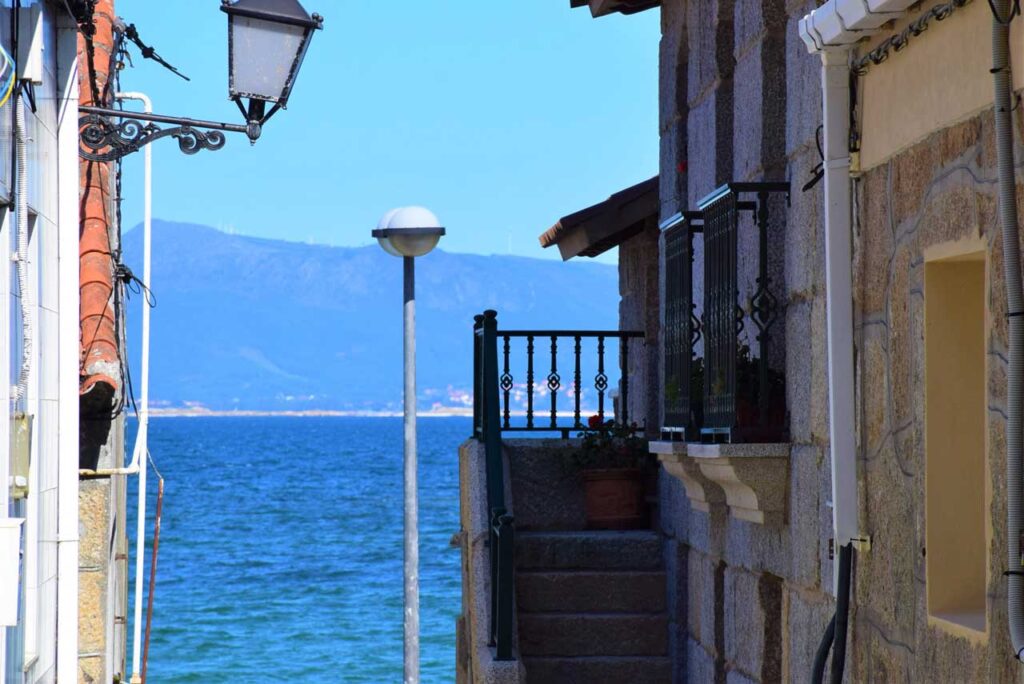
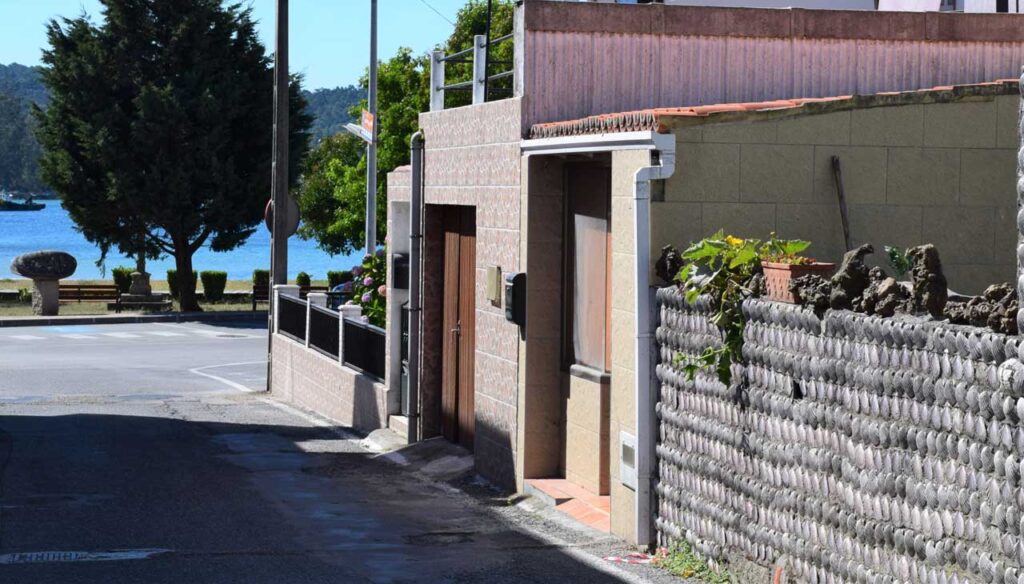
In O Grove you will find the Lordelo and Meloxo neighbourhoods. The Lordelo neighbourhood is a unique complex which, together with the Meloxo maritime neighbourhood and other unique buildings such as "A celestina" and other modernist houses, as well as the churches of San Antón, San Caralampio and San Roque, form the cultural heritage of O Grove. In the Lordelo neighbourhood the streets have recently been renamed: Paseo de Lordelo, Calle de la Gamela, Calle del Matadoiro and Calle de las Dornas.
The Meloxo neighbourhood is formed mainly by the Meloxo Port. From Puerto Meloxo you can see the Pombeiro Lighthouse and the island of Sálvora in the distance. It is the westernmost port of the southern Arousa and is known for the number of people who meet there at the San Juan festivity, because they organize different popular games and musical shows. It is a very small town, but there are many buildings for the handling of seafood and fish such as riverside carpentries and salting factories. The Escudero factory, which is currently in disuse, is still conserved from these old factories. It operated as a cannery in the 1970s. Very close to the port are numerous "bateas", the name given to the places where mussels are grown (rafts). The rafts are rectangular wooden trusses that can occupy from 100 to 500 square metres from which hang nylon ropes three centimetres thick and ten to twelve metres long where the mussel is fattened.
To know it better
Both Meloxo and Lordelo ports stand out as the maritime quarters par excellence of the town of O Grove. Their inhabitants have been fishing and cultivation of mussels for many years. In addition, visitors, apart from strolling through the maritime area, can enjoy wonderful green landscapes offered by these two neighborhoods nestled in the Arpisa estuary, in the province of Pontevedra.
The boats in these ports are dedicated to seafood fishing and shellfishing. Mussels are the most famous product of the area. Not in vain, they say they cultivate the best mussels in the world.
In Meloxo, apart from the port, we can explore the ruins of the Escuredo factory, which dates back to 1970. This is an old cannery that was very important for the economy of the area.
Gallery
Location
- Town
- Meloxo
- Municipality
- O Grove
- Province
- Pontevedra
- Country
- Spain
The asset
- Type
- Fishing neighborhood
- Eco-destination
- Ría de Arousa
- Environment
- Urban
- Relevance
- Local
How to get there
- Access
- By sea
- Distance
- Porto Meloxo distancia caminando: 5 min, en coche: 1 min. Barrio Lordelo distancia caminando: 10 min, en coche: 5 min
The visit
- Visitable
- Do not
- Interpretation
- Do not
- Accessible
- Sí
- Parking
- Sí
- Signposted
- Yes
Coordinates
- Latitud
- 42.49406500
- Longitud
- -8.88364500