
Catoira. Towers and Viking Pilgrimage
About this heritage
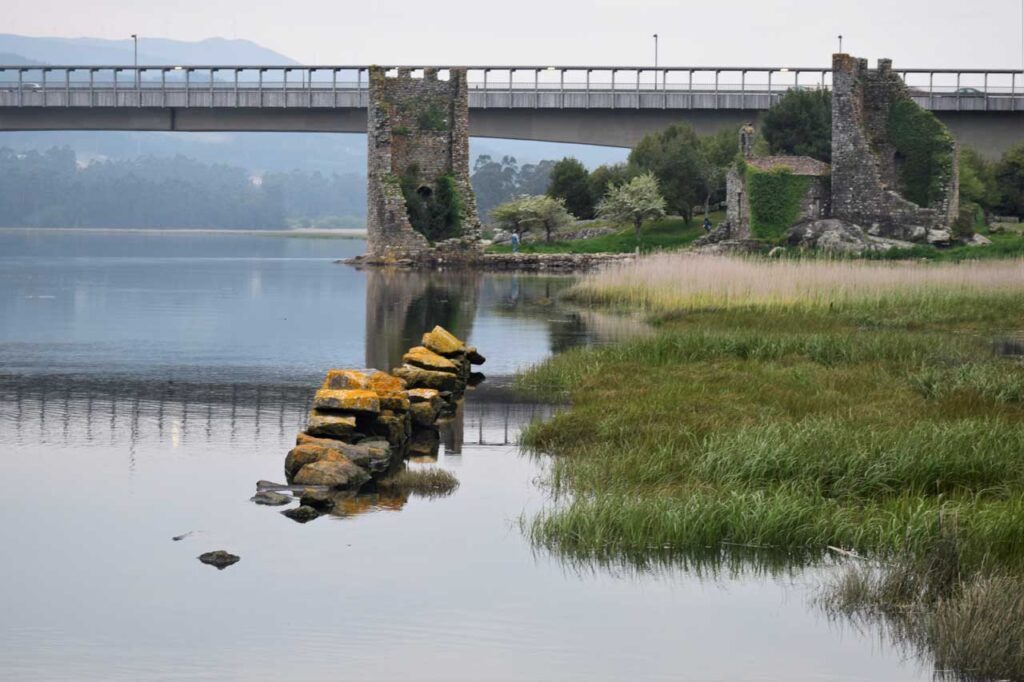
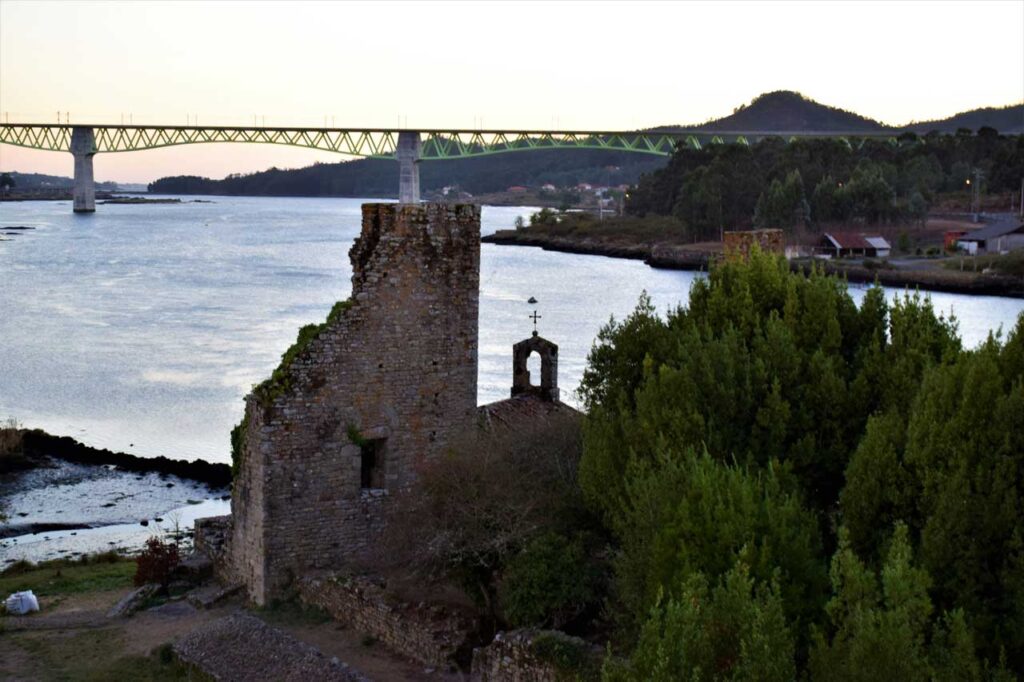
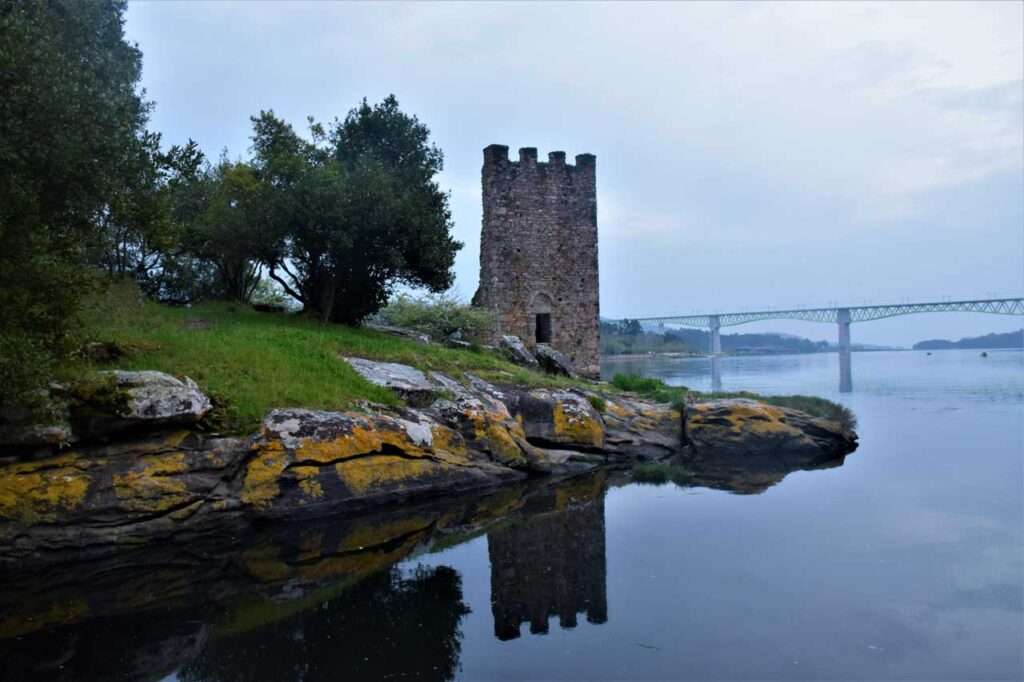
Catoira is a town located in the province of Pontevedra, more specifically in the Ría de Arousa. Its location is privileged as it is very close to Vilagarcía, Santiago, and Pontevedra. Geographically, it is situated at the mouth of the Ulla River. Its lands have been inhabited since ancient times, as evidenced by the existence of Bronze Age petroglyphs, hillforts in the place where today you can admire its famous towers that were built by order of Alfonso III and served as a defensive shield for Galicia from the Middle Ages until the reign of the Catholic Monarchs.
Access to the West Towers is on foot via a path that runs at the foot of the Ulla Bridge or by a second, older path crossing marshy terrain flooded by the waters of the estuary. The renowned Viking Pilgrimage is held at these towers, which we will discuss later.
Catoira is also known for having the 3 types of traditional mills: windmills, tidal mills, and hydraulic mills. In Catoira, you can also enjoy various hiking routes such as the Catoira River Route, the Rego de San Cibrán, and the Riverside Walk. By traveling these trails, you cover a good part of Catoira, getting to know its landscape, flora, fauna, and abundant heritage. For example, the Laguna de Pedras Miúdas, located in Outeiro da Vila, a lagoon formed over an old quarry now converted into a Natural Interest Space.
To learn more
Catoira is also one of the municipalities participating in the Xacobean Route of the Sea of Arousa and Ulla River. From the Xacobean Route Viewpoint located on Avenida Mirador da Ría, you can see a large part of the only Maritime Way of the Cross that exists.
The Xacobean Route Sea of Arousa and Ulla River commemorates the arrival on our coasts of the body of Saint James the Apostle. This river route passes through 22 municipalities belonging to the provinces of Pontevedra and A Coruña, which are also members of the board of the Fundación Ruta Xacobea do mar de Arousa e Ulla.
The Viking Pilgrimage of Catoira is one of the most famous celebrations in Galicia. It dates back to 1960 when an event was first held to commemorate the landings of the Vikings who arrived in Galicia in the 10th and 11th centuries intending to plunder our lands. In 1988, it was declared a Festival of National Tourist Interest, and in 2002 it received the distinction of Festival of International Tourist Interest.
The Viking Pilgrimage is held at the Torres de Oeste, on the banks of the Ulla River. These Towers are one of the most important archaeological complexes in Galicia. The tourist offer of Catoira and the entire area of the Galician Rías Baixas is very extensive. You can enjoy cuisine made with fresh seafood or its endless beaches of fine sands and crystal-clear waters, many of which have been awarded the Blue Flag. Countless archaeological sites and a great monumental tourist offer await all visitors wishing to spend a few days in Galicia.
To know it better
Catoira is a Galician municipality located in the Ría de Arousa, in the province of Pontevedra. Its privileged location has witnessed different histories that have become part of the life of this town.
The town hall is especially notable for the Torres del Oeste, which today are declared a National Monument. It is an ancient 9th-century fortress built to prevent Viking attacks in Catoira and to protect Santiago de Compostela. Currently, these towers can be seen when crossing the Catoira bridge. This bridge connects the Viking town with Rianxo, although many doubts have been raised about its functionality.
Catoira is a municipality full of forests, trees, marshes, and river beaches. It also has windmills, known as Abalo. These mills are located on the mountain top and are unique in Europe for their double sail system.
Gallery
Location
- Town
- Catoira
- Municipality
- Catoira
- Province
- Pontevedra
- Country
- Spain
The asset
- Type
- Historic-artistic ensemble
- Eco-destination
- Ría de Arousa
- Environment
- Urban
- Relevance
- International
How to get there
- Access
- By sea By land
- Distance
- 9,150km
The visit
- Visitable
- Yes
- Accessible
- No
- Parking
- Sí
- Signposted
- Yes
Coordinates
- Latitud
- 42.66707000
- Longitud
- -8.72152700