


Island of La Toja. Waters and spa. La Toja Golf Club
About this heritage
The Island of La Toja is within the O Grove County in the Pontevedra province. Its Galician denomination, "Illa da Toxa", receives its toponym from a pre-Roman hydronym, which derives from the Indo-European base "Tŭg-Tŭgia," meaning "muddy place." This refers to the therapeutic muds of the hot springs sources of the island. It stands out for its spectacular offer of spas, nature, gastronomy, and leisure, for which it has been declared a National Tourist Centre of interest.
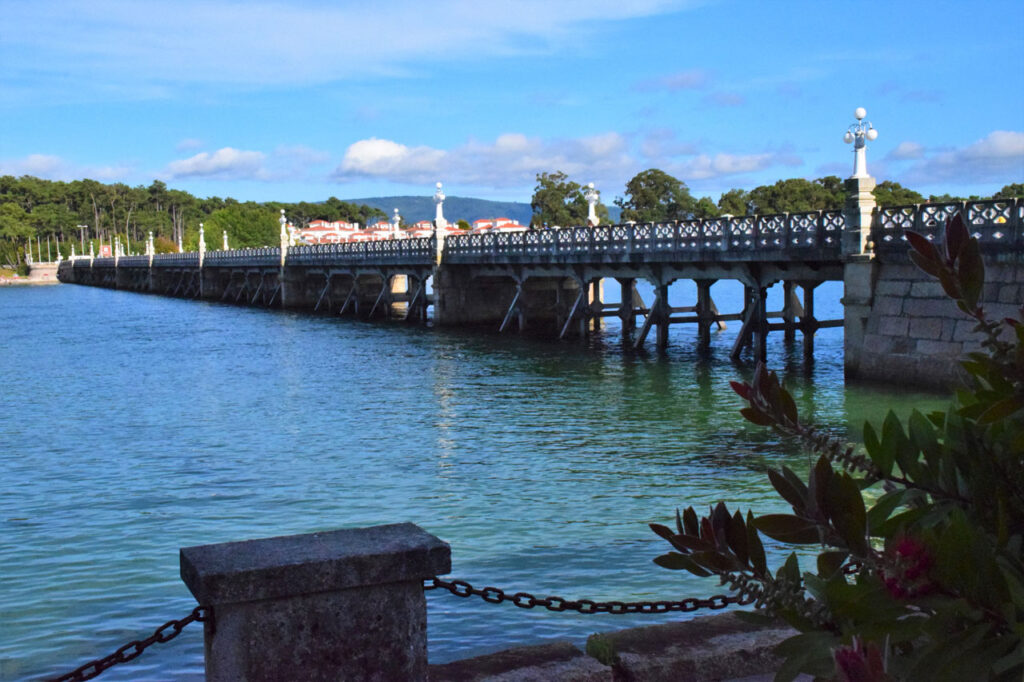
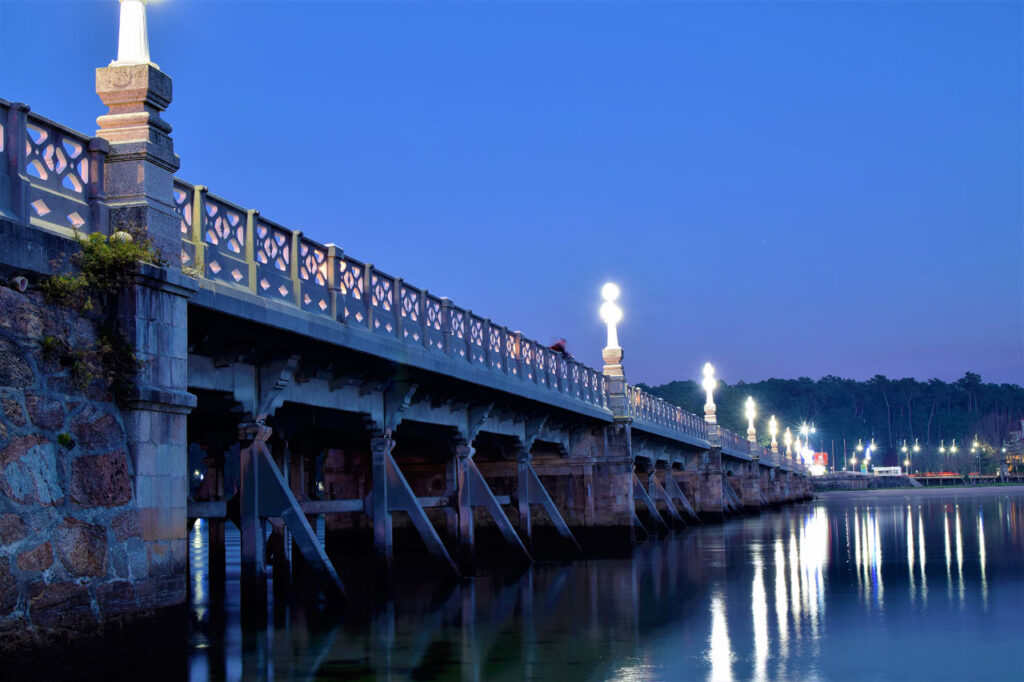
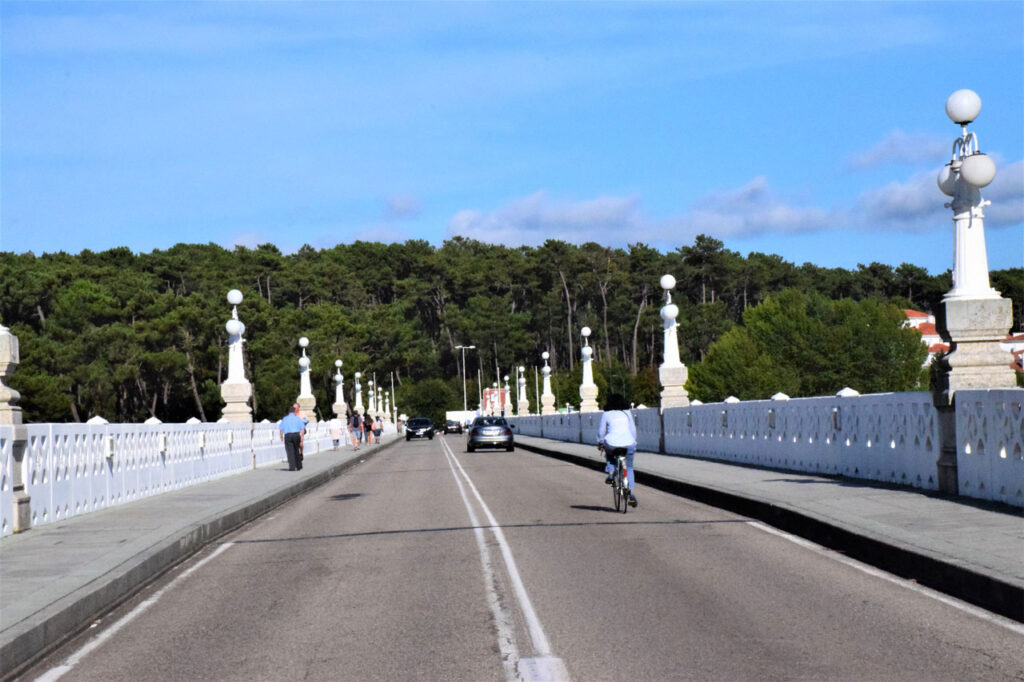
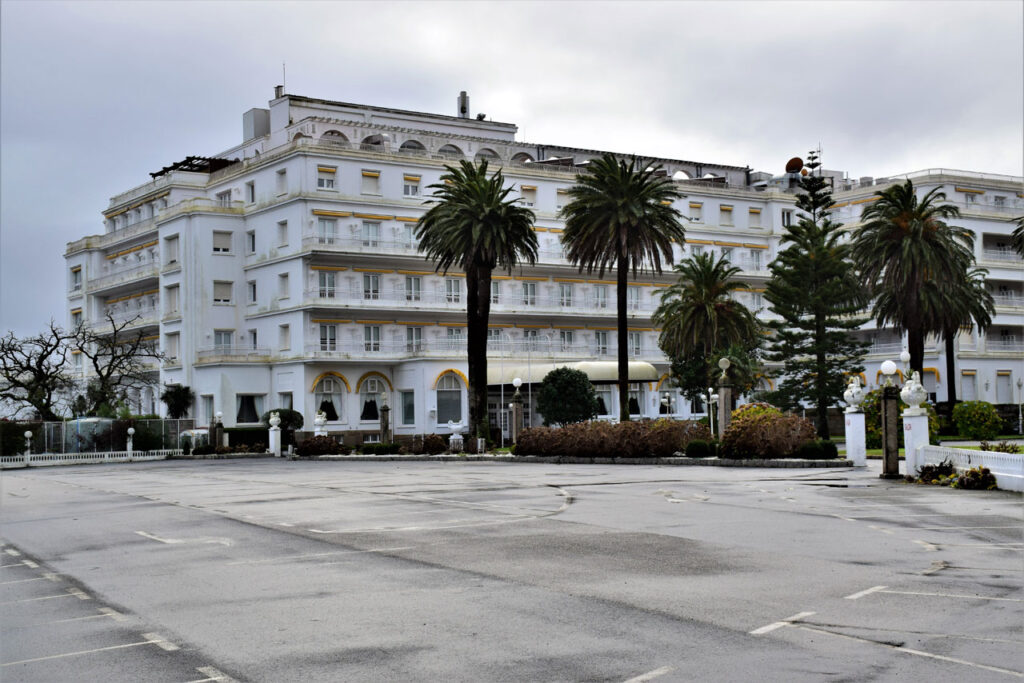
Linked to O Grove County by a nineteenth-century bridge, it is integrated in a single village called the Island of La Toja within the San Martín town hall. This is one of the most well-known Galian islands in Spain due to its spa, leisure, and tourist center. This center houses hot springs; old soap, cosmetic, bath-salts factories; luxury hotels such as the La Toja Great Hotel; a golf club; a marina; the congress center; the Great Casino of La Toja; tennis and paddle tennis courts; a clay pigeon shooting and archery range; swimming pools; housing states; and even a shopping center. On top of that, the island center still preserves a dense pine forest.
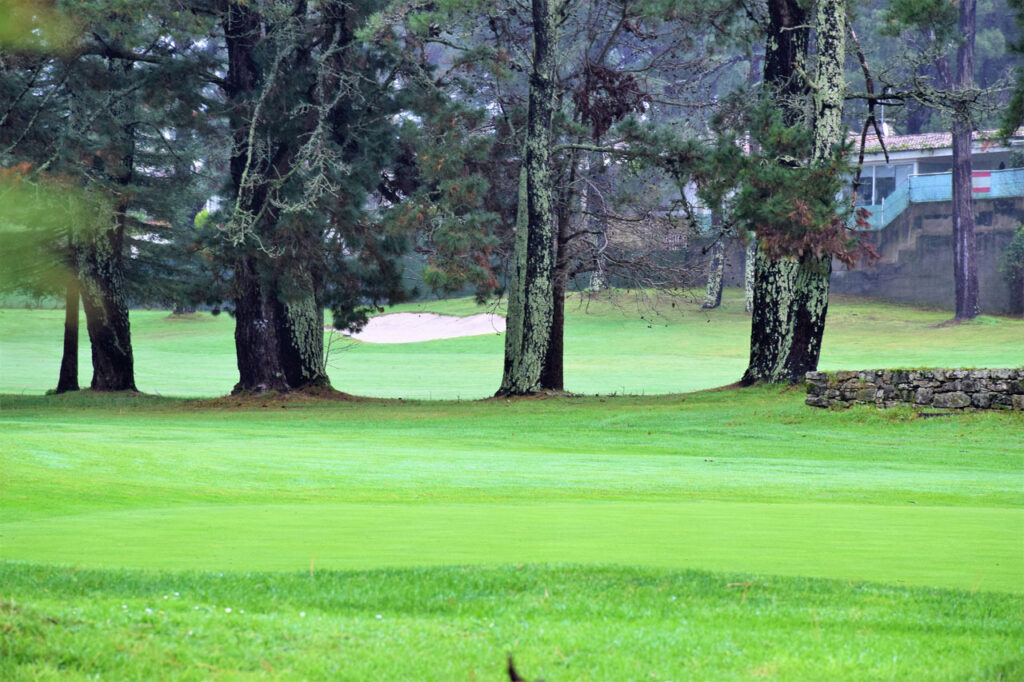
The properties of the mineral-medicinal waters of the Great Hotel of La Toja are beneficial and extremely popular capturing part of the tourism sector offers. It is worthnoting the location of its golf club, designed by Ramón Espinosa. It is by the sea and surrounded by small coves within the Arousa estuary, making it a unique environment for this sport. Its private course of nine holes of medium difficulty cover twenty-five hectares, which are at the northern part of the island.
To learn more
This island was used for centuries by the O Grove neighbors as a place for grazing their cattle -transported in boats- and to carry out their agricultural tasks in its land. However, the rediscovery in the 19th century of the qualities of its therapeutic muds and mineral-medicinal waters, it became a private property to allow the exploitation of these resources. The Galician denomination "Illa da Toxa" came from the word mud. It is also called "Illa de Louxo" because of its medicinal mineral waters. The word "Louxo" derives from the word "Lausio" of the Indo-European root "leu-" or "lau-," which means to wash or bathe. To exploit these beneficial resources, they built the old spa, which brought with it a spectacular increase in tourism with the creation of new endowments. In 1989, the island hosted the annual meeting of the secret Bilderberg Group, bringing together the highest representatives of political and financial elites from all over the world.
The island has divided 32 hectares of the total into private housing estates: the southern zone and eastern and western flanks, as well as twenty-five hectares in the center of the island dedicated to primeval pine forests. On top of that, the entire northern area, which is also twenty-five hectares, houses the private golf course. Currently, the La Toja Great Hotel hosts the main spa, making it one of the most well-known Galian islands in Spain. This spa-leisure-tourist center includes, among others, a heated outdoor swimming pool, an excellent gastronomic offer, shops, a disco, a golf course, the casino, and various tennis and paddle tennis courts. Designed by Ramón Espinosa, the golf club is by the sea and surrounded by small coves in the Arousa estuary, making a unique environment for this sport. It is a private course with nine holes of medium difficulty.
Linked to O Grove County by a nineteenth-century bridge, it is integrated into a single village called the Island of La Toja within the San Martín town hall. Concerning its monumental heritage, one can visit its Hermitage, which is dedicated to San Caralampio and the Virgin of Carmen. Built-in the twelfth century, it is one of the most original of the Galician Autonomous Community with a façade practically covered with Saint James shells (King scallop). Its interior of seafaring style is modest but quite pleasant, where they celebrate numerous weddings.
To know it better
The island of La Toja, known in Galicia as "Illa de Louxo" or "Illa da Toxa Grande," has forty-seven registered inhabitants. It is located very close to the capital of O Grove County within the Pontevedra province, and to reach it, one has to cross a bridge or access by boat.
The word Toja refers to mud or muddy place, an area of soft and viscous mud. It has been related to it by the therapeutic muds of the hot springs of the island itself. In the 19th century, after the appearance of these springs and medicinal waters, the "Illa da Toxa" built the spa, which increased tourism in O Grove area.
The island also has an exclusive golf course since the 1960s. Surrounded by the waters of the Arousa estuary, it has impressive views from its nine holes.
Gallery
Location
- Town
- abarca 25 hectáreas de campo de golf de uso privado -toda la parte norte de la isla-.", con sus nueve hoyos de dificultad media
- Municipality
- O Grove
- Province
- Pontevedra
- Country
- Spain
The asset
- Type
- Island
- Eco-destination
- Ría de Arousa
- Environment
- Natural
- Relevance
- International
How to get there
- Access
- By sea By land
- Distance
- 0 km
The visit
- Accessible
- No
- Parking
- Sí
Coordinates
- Latitud
- 42.48890100
- Longitud
- -8.84874900