
Ponte da Barca. Old Town. Lindoso castle
About this heritage
Located on the Lima river´s banks, Ponte da Barca is a Portuguese village that belongs to the Viana do Castelo district, in the North region and sub-region of Minho-Lima. It is said that it got its name from the boat that made the connection between the two shores, before the bridge was built in the 15th century.
Its historical centre is characterized by its manor houses and beautiful monuments of the 16th and 17th centuries. The São João Baptista church, the main church in Ponte da Barca, stands out. It was built between 1717 and 1738 following the plans of the famous local architect Manuel Pinto de Villalobos. This temple has several side chapels that give it an unusual shape. Its facade combines Mannerist and Baroque styles, and shows a relief of the baptism of Christ. Inside, the ceiling is made of painted wood imitating a ribbed vault, it has a 1727 baroque altarpiece of gilded wood in the presbytery and polychrome tile panels in one of the chapels.
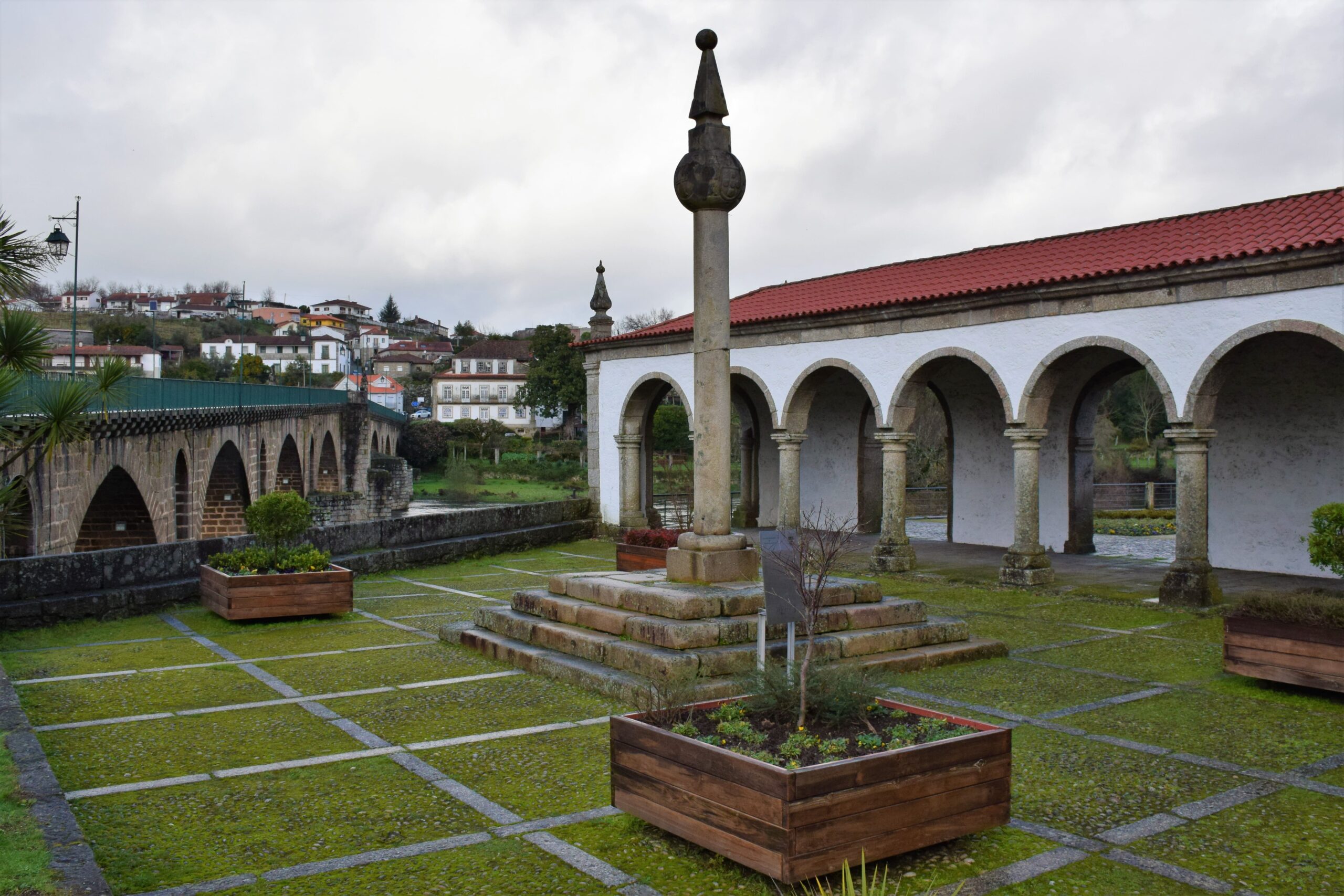
The village also has a promenade along the Lima river´s banks where there is a fluvial beach. A sandy area important for the inhabitants of Ponte da Barca where, apart from cooling down on summer days, they also take advantage of the surrounding areas to play sports, such as tennis, football and basketball, as well as a children's playground. Next door is the old arcaded market and the small Jardim dos Poetas (Poet´s garden), dedicated to Diogo Bernades and Agostinho da Cruz, two local poets of the 16th century.
In the vicinity of Ponte da Barca, the 12th century Romanesque São Salvador de Bravães church stands out. Considered one of the most important Romanesque monuments in the country, its western portico stands out for its decoration based on engravings of animals, birds and human figures.
From Ponte da Barca you can access the Peneda-Gerês National Park where the village of Lindoso and its 13th century castle, which played an important role in the defence of the region, are located.
To learn more
This region was previously known as Terra de Nóbrega or Anóbrega, which is believed to derive from the Roman name “Elaneobriga".
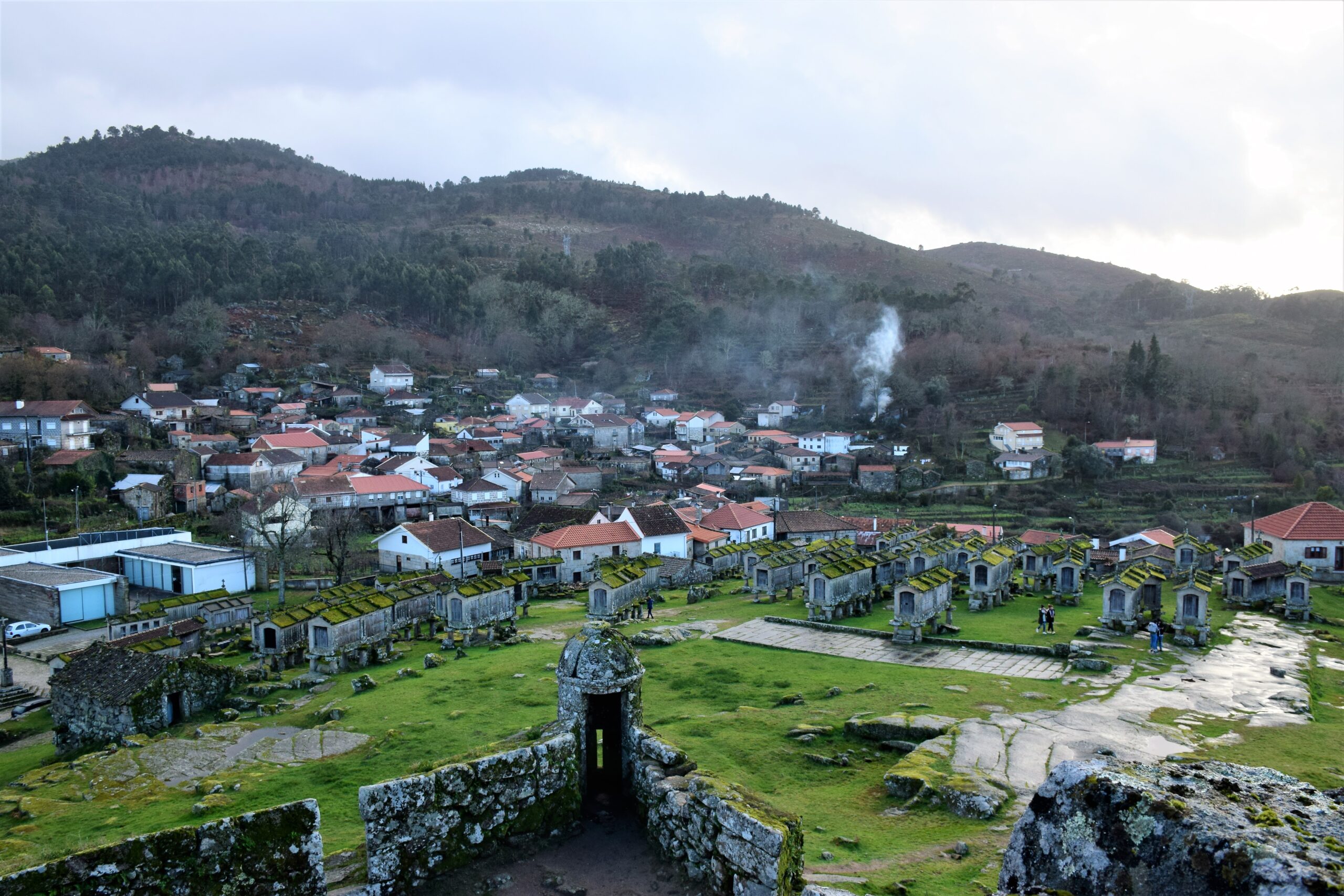
In the surrounding area, there are villages that preserve the charm of the past, with their characteristic stone houses and in privileged locations such as Lindoso. It is a town belonging to Ponte da Barca, located a few kilometres from the border with Lobios City council and located in the Peneda Gerês National Park. At the top of the village there is an ethnographic and monumental complex of special interest, on the one hand, the 13th century Lindoso Castle and its “espiguerios", traditional Portuguese granaries.
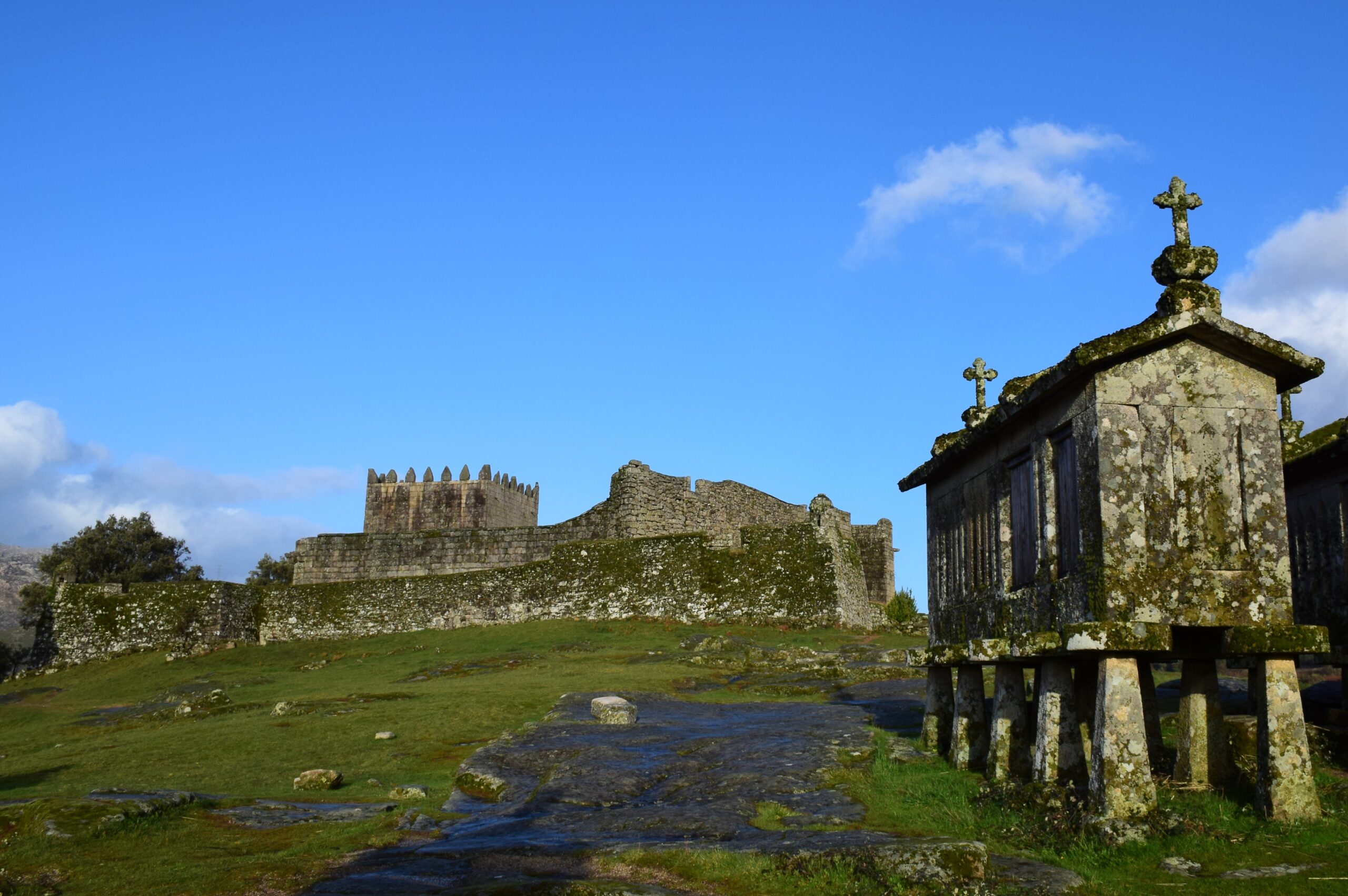
The Fortress, built in the 13th century, is considered one of the most important defensive constructions in the country and it was declared a National Monument in 1910. This castle´s location is ideal due to its strategic location on a hill with wide views and very close to the border.
The castle was an important base for Portuguese incursions into Galicia, especially into the area of A Baixa Limia (Lower Limia) and Baixo Miño (Lower Miño), and it has witnessed many battles over the centuries. He also suffered numerous attacks from Spanish troops, falling into their hands on several occasions.
The fortress is currently being restored and it has an interpretation centre.
At the foot of Lindoso Castle there is an exceptional set of hórreos or espigueiros (traditional Portuguese granaries), made up of 62 stone constructions that represent the greatest concentration of elements of this type in all of Europe. The function was to keep the products of the field, far from the humidity, ventilated and safe from the wild animals. It is believed that most of these espigueiros were made in the 17th and 18th centuries.
To know it better
Ponte da Barca is a municipality in the north of Portugal, located in Viana do Castelo district where nature and tranquillity are a highlight. Its name, “Ponte da Barca"; comes from the fact that in the past, a boat was used to take people from one side of the Lima river to the other. Later, in the 16th century, a bridge was created to facilitate this crossing and thanks to this, the city was able to strengthen its commercial activities and thus increase its economy.
On the Lima river´s banks, there is a very quiet walk with large weeping willows and in the vicinity, there is an old 18th century market and the Jardim dos Poetas (Poet´s garden), dedicated to two 16th century poets, Diogo Bernades and Agostinho da Cruz.
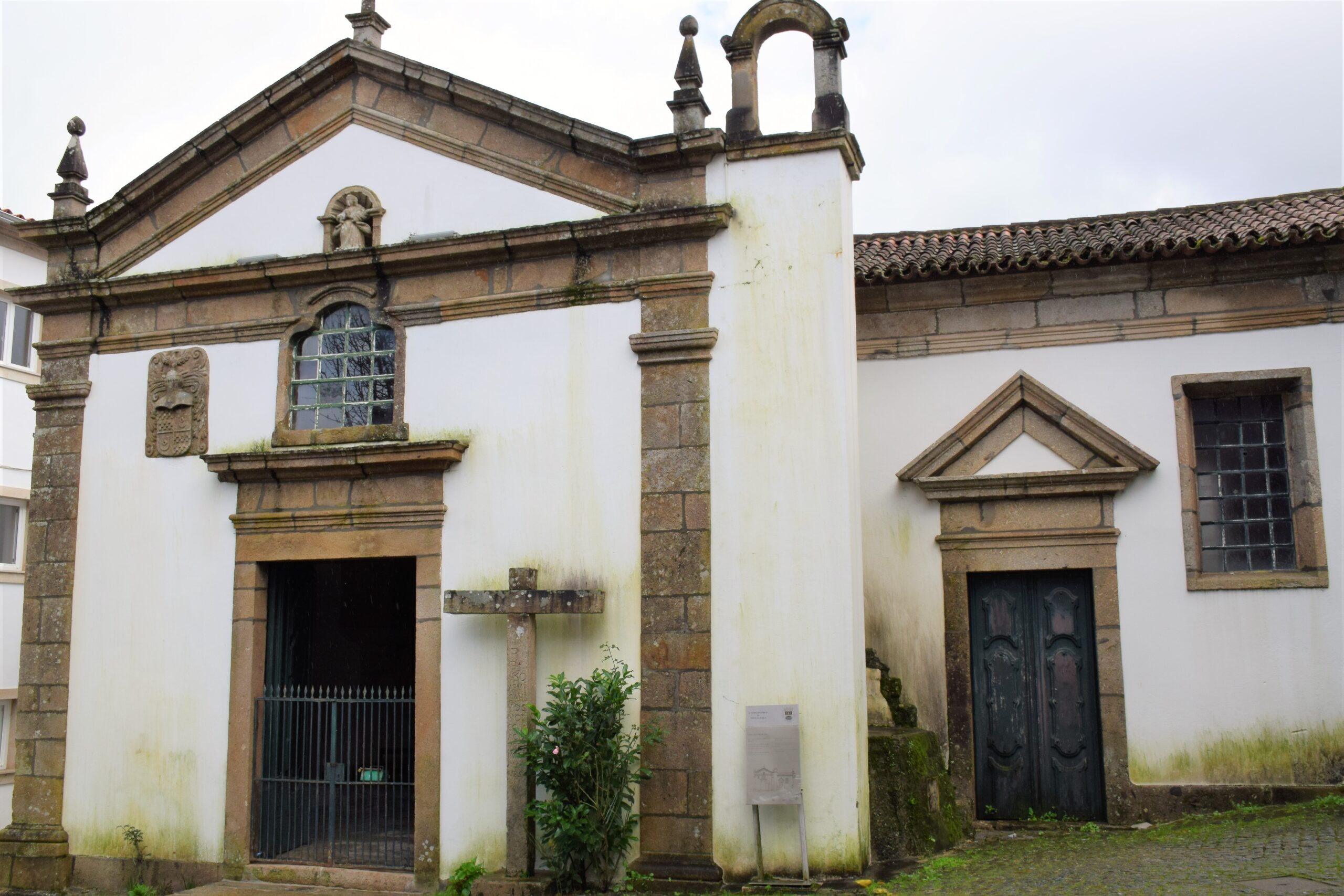
The old town of Ponte da Barca has large houses and mansions, as well as the stately homes of families who have dedicated themselves to wine production. It also has important buildings such as the Mother Church from the 18th century, the Mercy´s church from the 16th century, the Nossa Senhora da Lapa Chapels and the San Antonio Chapels from the 17th century.
Gallery
Location
- Town
- Ponte da Barca
- Municipality
- Ponte da Barca
- Province
- Distrito de Viana do Castelo
- Country
- Portugal
The asset
- Type
- Old town
- Eco-destination
- Río Lima
- Environment
- Rural
- Relevance
- International
How to get there
- Access
- By land
- Distance
- 45,7 km / 31 minutos en coche
The visit
- Visitable
- Yes
- Accessible
- No
- Parking
- No
Coordinates
- Latitud
- 41.80801600
- Longitud
- -8.41964100