


Punta do Muíño de Vento Ancient Fortification
About this heritage
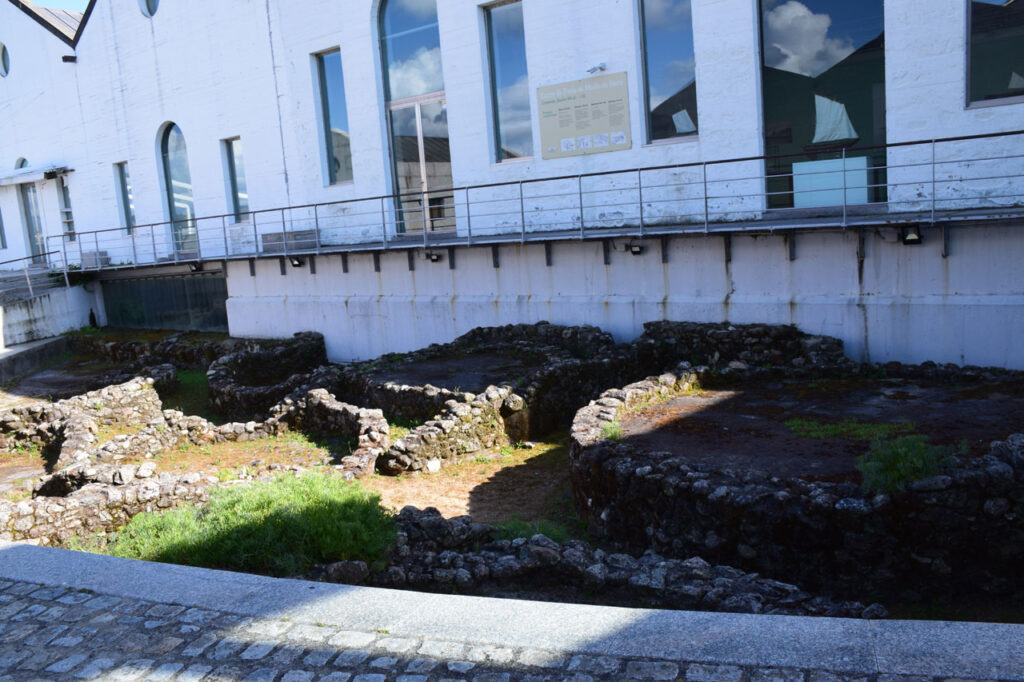
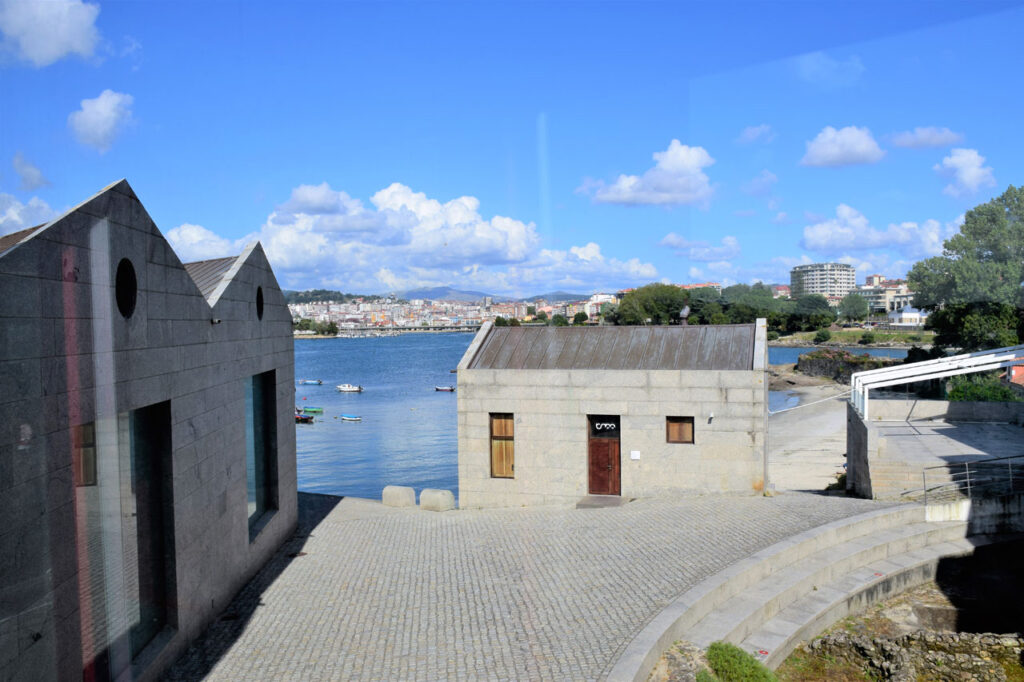
The Punta do Muíño do Vento ancient fortification is a small maritime settlement situated on a peninsula, with an altitude of just 10 metres above sea level and located in the parish of Alcabre, in Vigo. It is one of the oldest castro settlements in Vigo.
Initial inhabitance of the settlement dates back to the 8th century B.C., in the Bronze Age. This was the period in which the socketed axes were in use, pieces related to the trading exchange with the settlements of the European Atlantic Arc. As the houses during this period were built from wood and straw, archaeological records are barely existent.
To learn more
The do Muíño do Vento fortification was a trading centre, as was the neighbouring fortification of Toralla, i.e. a trading site. The many ceramic remains of Mediterranean origin confirm the importance of this enclave, with respect to trade with other towns, and probably an essential route for sailors from the south, who went in search of the precious metals of the north, such as tin.
The Romans later occupied the surroundings of the enclosure with the construction of salting industries, fishing industries and Roman villas, which lead to the abandonment of the old site.
To know it better
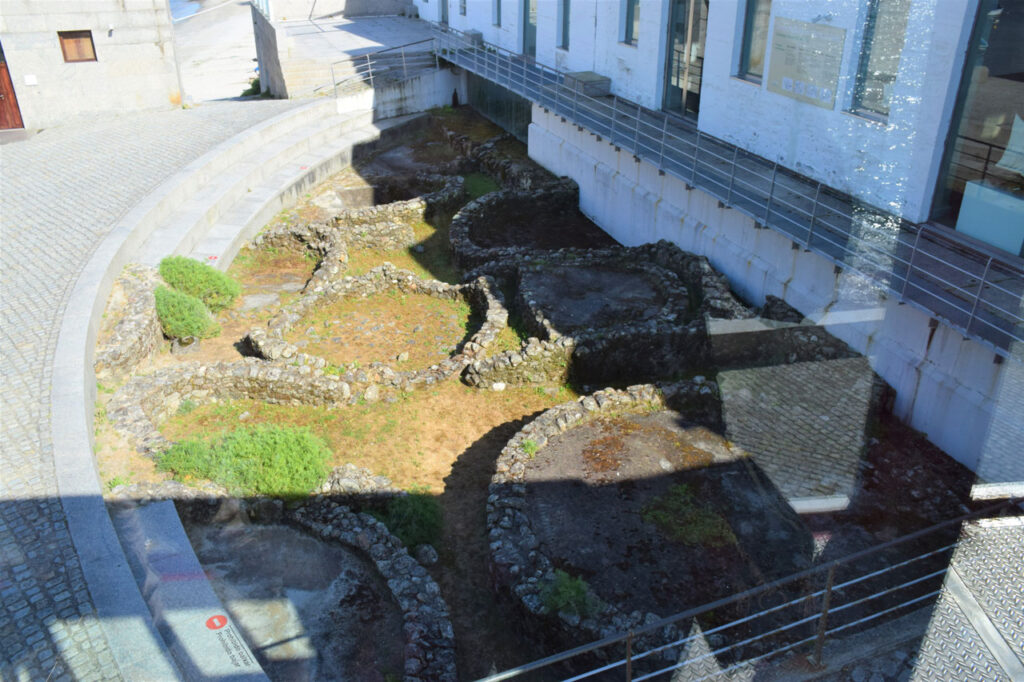
The Punta do Muíño de Vento castrum is located in the Galician city of Vigo and, together with the Toralla castrum, is one of the oldest settlements on the island. It is situated on what once was, up until 1887, a cannery and abattoir. At present, it forms part of the Mar de Vigo museum exhibitions, located in the parish of Alcabre.
Over 20,000 items and remains of a castrum have been located, where the ruins of the primitive settlement’s dwellings form the 8th or 7th centuries B.C., can be observed. In that period, the dwellings were built out of wood and straw, but there is no evidence of these materials remaining.
Gallery
Location
- Town
- Vigo
- Municipality
- Vigo
- Province
- Pontevedra
- Country
- Spain
The asset
- Type
- Castro
- Eco-destination
- Ría de Vigo
- Environment
- Rural
- Relevance
- International
How to get there
- Access
- By sea By land
- Distance
- 2,8 km / 6 minutos en coche
The visit
- Visitable
- Yes
- Interpretation
- Yes
- Accessible
- Sí
- Parking
- Sí
- Signposted
- Yes
Coordinates
- Latitud
- 42.22436000
- Longitud
- -8.76997600