


Sada. Seafaring Neighborhood. Fishing Port and Marina. Castle of Fontán
About this heritage
Sada is a municipality in the A Coruña Province in the Betanzos Estuary, belonging to the Galician high estuaries, 20 kilometers from A Coruña and 70 kilometers from Santiago de Compostela.
This Galician municipality is an ideal place for the practice of all kinds of water sports because of the calm waters of this estuary and its climate, characterized by mild temperatures throughout the year.
As a coastal town, its main economic sectors are fishing and tourism.
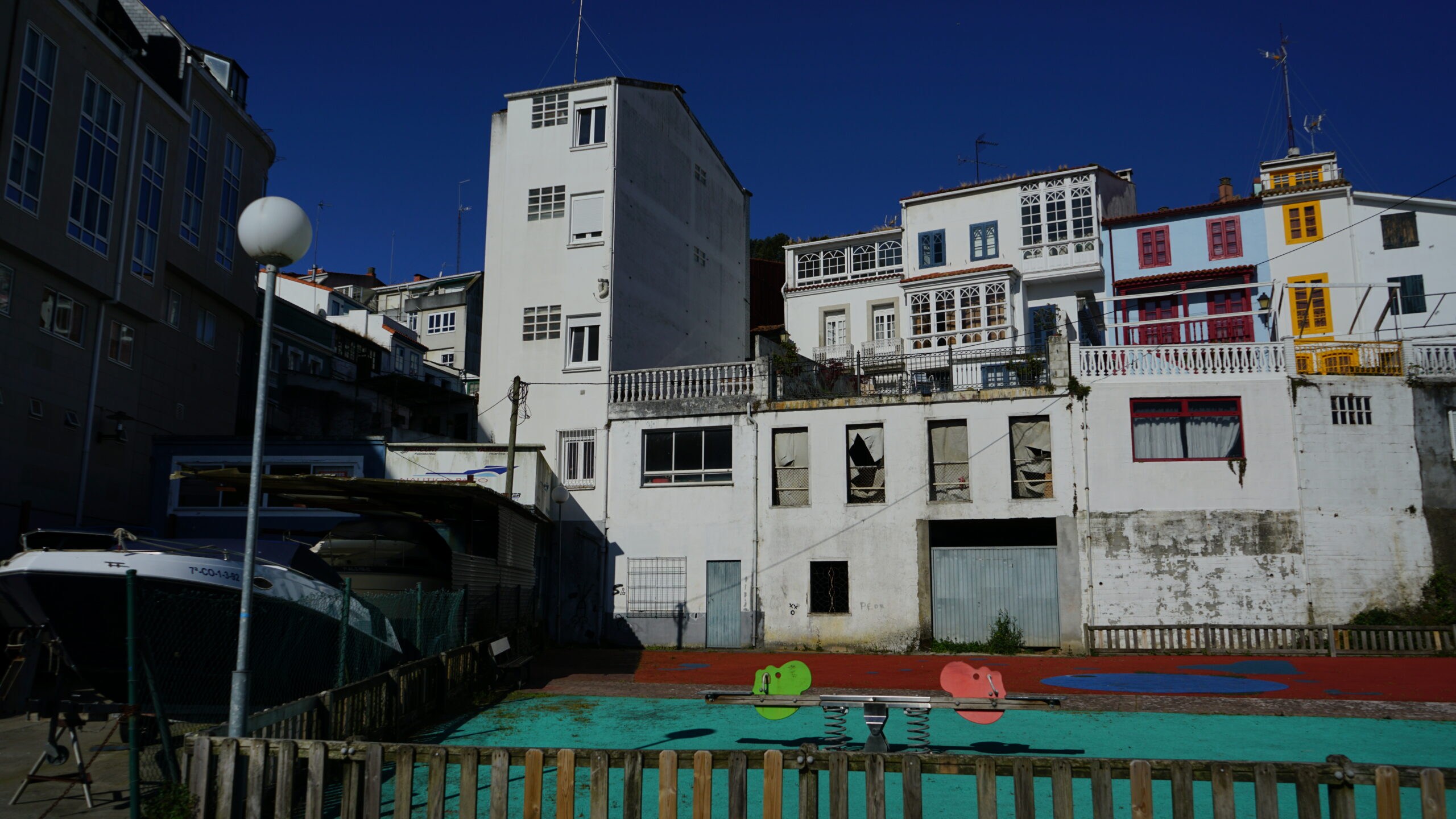
Sada's historic center invites visitors to stroll calmly to discover all its charm. The seafaring neighborhood of Fontán in the pot, together with La Tenencia in the center, form a group of traditional houses, where anglers used to live, a blend of humble one-story buildings and other three-story ones with whitewashed galleries and brightly colored wood-framed openings overlooking the seashore.
From this neighborhood, one can reach the ruins of Fontán Castle, a defensive coastal battery built to protect the canvas and rigging industry for the Spanish navy during the first half of the eighteenth century.
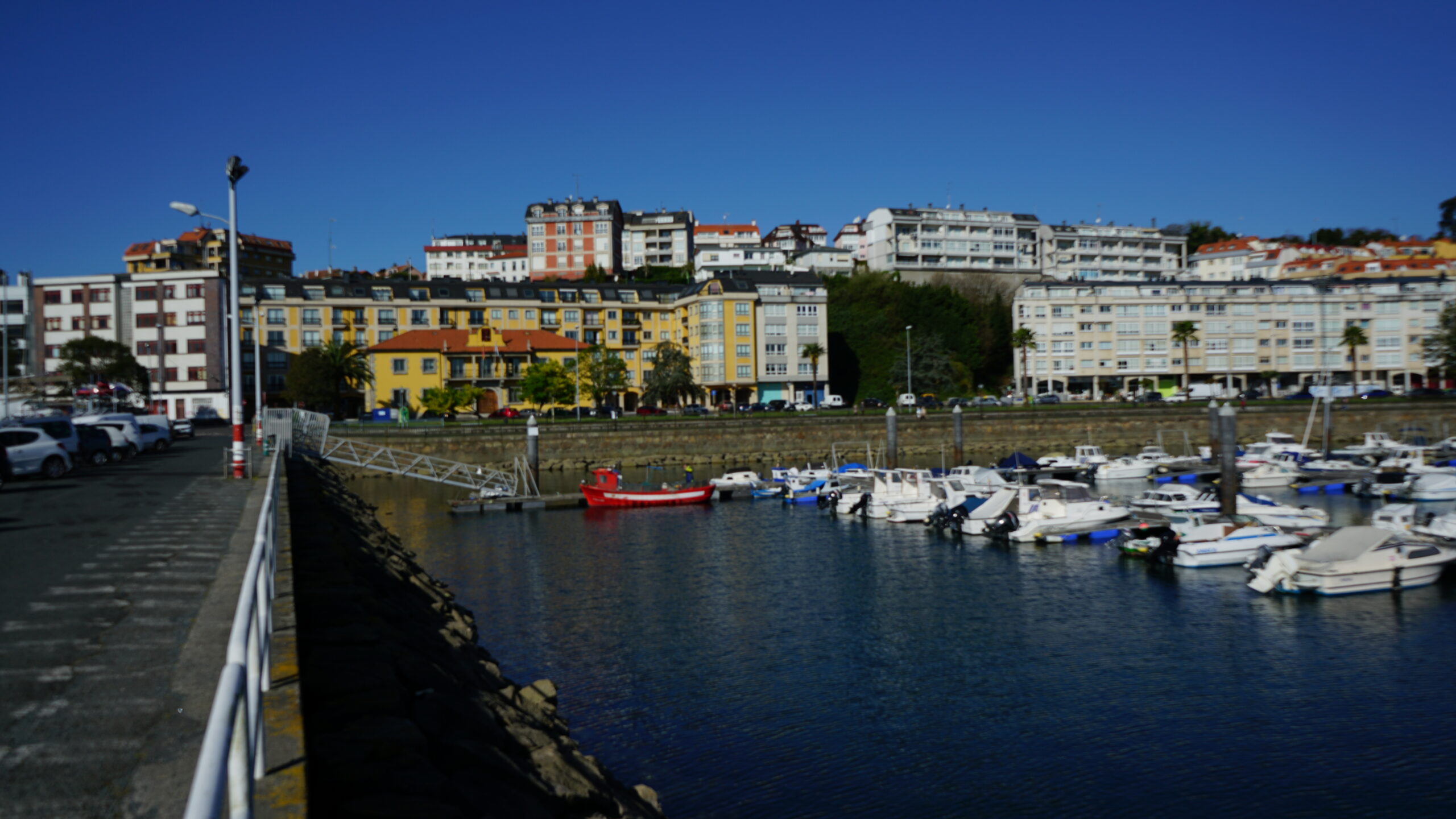
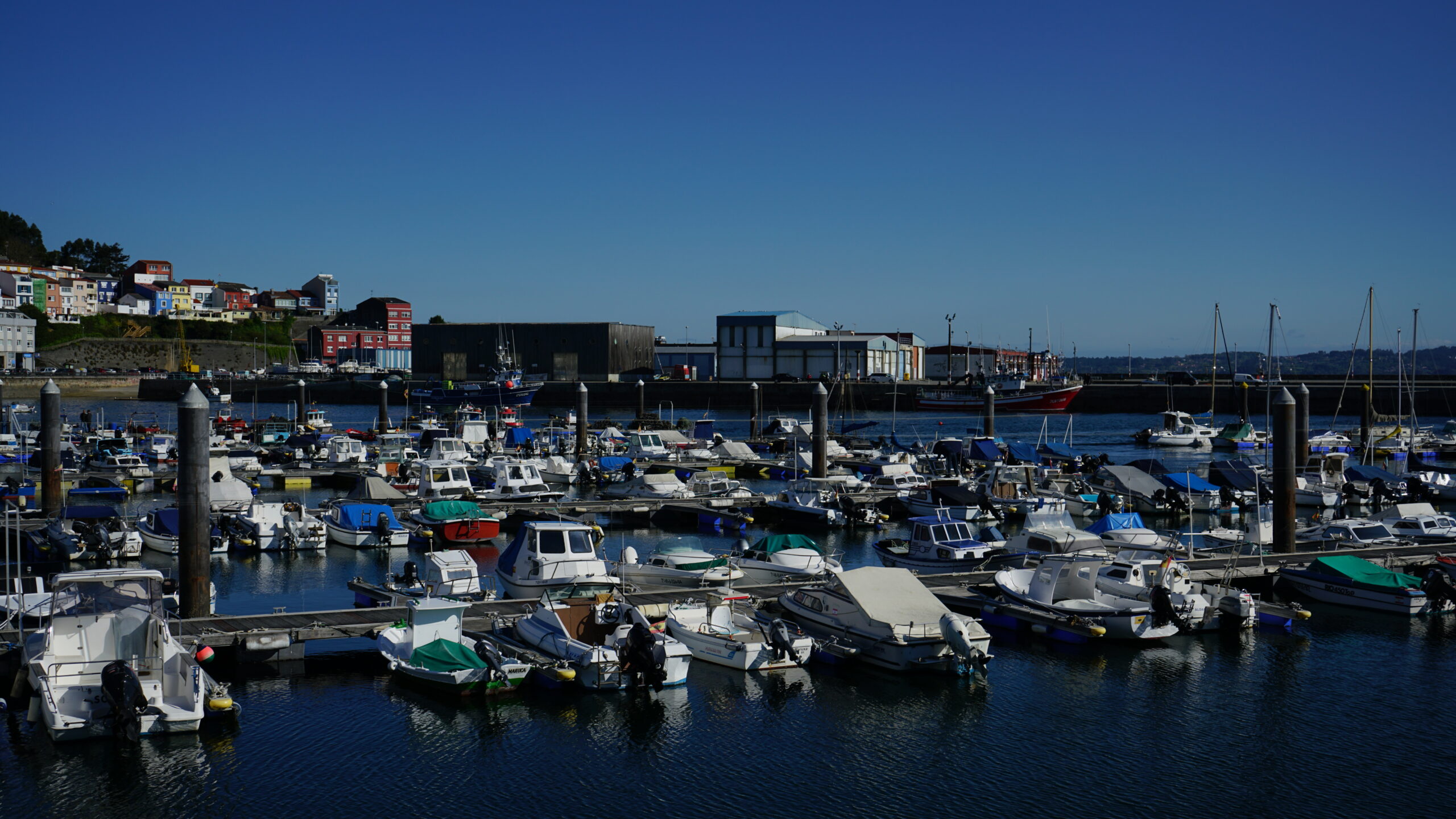
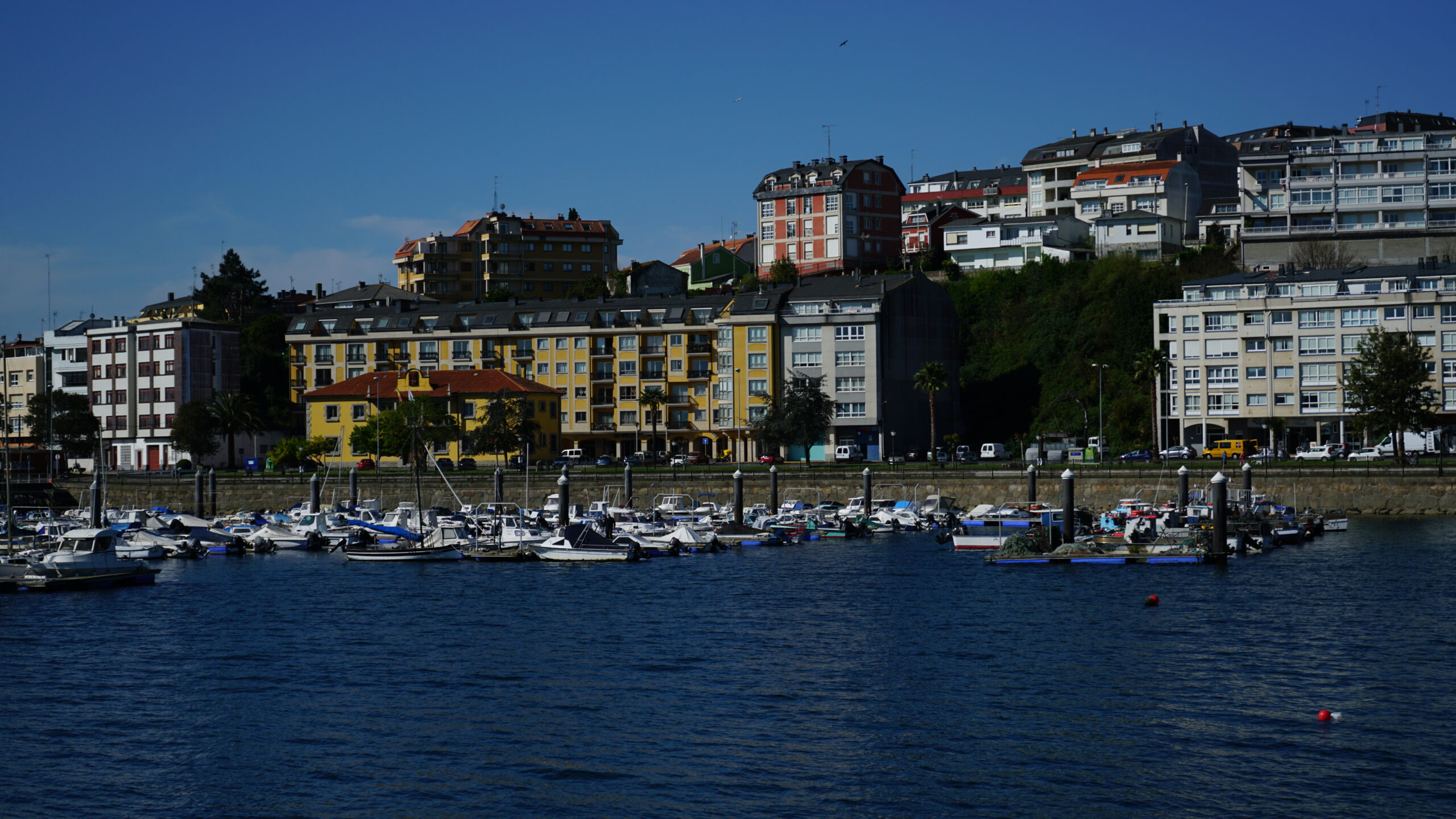
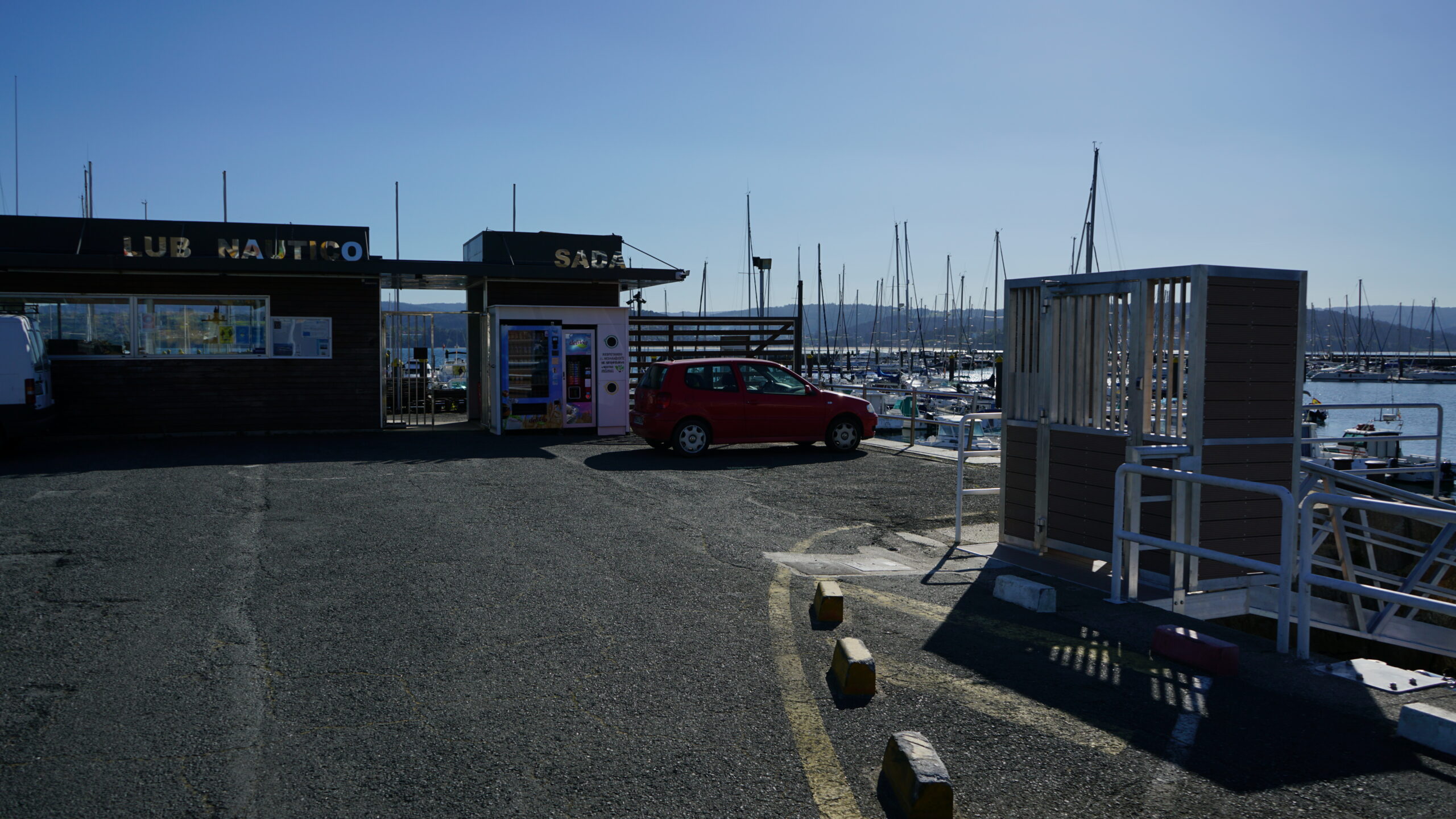
The Fontán Harbor has a fishing port and marina and is at the end of the promenade of Sada, where tourists, sailors, and nautical enthusiasts gather.
Its marina has 1300 moorings, and everyone can practice all kinds of water sports, such as sailing, windsurfing, diving. Moreover, it hosts several sports competitions not only those related to sailing and the sea.
To learn more
The Sada municipality has an area of 27.49 km². It borders the Betanzos estuary to the north, Bergondo and Cambre municipalities to the south, and Oleiros to the west. This municipality comprises eight parishes: Carnoedo, Meirás, Mondego, Mosteirón, Osedo, Sada, Soñeiro, and Veigue.
Not much is known about Sada's historical origins; however, through the numerous forts found here, it is believed that it was founded by the Celts, more specifically by the Artabrians, who had settled in the Mariñas area.
Its sheltered beaches are very suitable for bathing, fishing, and diving, specifically those in the localities of Arnela, Cirro, and San Pedro.
Sada's seafaring neighborhoods are La Tenencia and Fontán. The former is narrow with modernist-style maritime houses from the nineteenth century. In contrast, Fontán has the oldest houses in this municipality, dating back to the eighteenth century, and located in a high area providing its sailors with views to keep watch on the sea. This neighborhood is full of small-size two-story houses, most of them renovated and painted in bright colors, including yellow.
One of the most unique buildings of this seafaring neighborhood is Casa do Remo (House of the Oar), one of the smallest in Galicia and named because it has the measures of an oar, with a width that does not reach two meters and narrows towards its interior. Fontán connects through some stairs with the port, refurbished by the Canarga Constructions Company.
Its marina is located on the west bank of the Ares and Betanzos estuary, in front of the large beach of the Miño and next to the town of Sada in the surroundings of the marina of Fontán. It has more than 1300 moorings for maximum recommended lengths of 32 meters and includes a sailing school, becoming one of Galicia's most complete marinas for its multitude of services. Located less than an hour's drive from major cities, such as A Coruña, Santiago, and their airports, it is one of the largest marinas in Galicia and one of the most significant in Spain.
A step away from this marina, we find the fishing port, one of the most relevant in Galicia for its sardine-fishing volume, with its highest activity of the last century recorded during the sixties. Nowadays, barely a hundred sailors are mainly engaged in seine fishing.
The port market is an old netters' (rederos) ship located at the seashore.
The Castle of Fontán, built in the 18th century as a defensive battery and in ruins today, is guarding the entrance to the sea on the Fontán's tip.
Between 1674 and 1762, different textile factories were established in Sada, all promoted by the Flemish Baltasar de Roo and Adrian Kiel, who arrived in Galicia after their exile from their native country. In 1674, they founded the canvas or tarp and rigging factory, intending to be the most lasting. The castles of Fontán and Corbeiroa were built to guarantee the security of all these industries, becoming, years later, part of the emblem or coat of arms of the town.
To know it better
Sada is a municipality in the Galician High Estuaries, more specifically, in the Betanzos estuary, in the A Coruña Province. Like many other coastal towns, its main economic activity is fishing, for which we can attribute the charm of the people of the sea.
Its fishing port, known as the port of Fontán, is one of the most significant for the capture and sale of sardines. Thanks to the fishing activity, this municipality distributes the fish to large commercial surfaces, benefiting the town and its citizens.
Next to the fishing port is one of the best-known neighborhoods of Sada, Fontán, located at the top of the municipality where sailors used to live. It comprises viewpoints and narrow streets full of traditional seafaring houses, allowing visitors to imagine the type of life thousands of years ago. Most of these houses in the Fontán neighborhood date back to the 18th century. Even though many underwent renovations, they still maintain the charm of the period for their characteristic colors and their typical balconies. In the old days, the walls of the houses were white, whereas the frames and balconies have the colors of the ship's leftover paints, generally red, green, or blue. Another of Sada's seafaring neighborhoods is A Tenencia, full of two-story small houses from the mid-nineteenth century.
Near the neighborhood of Fontán, we find some viewpoints overlooking the bay and the ruins of the 18th-century Castle of Fontán, located on a high point from where it was possible to watch over the area to defend and protect the North Coast.
Gallery
Location
- Town
- Sada
- Municipality
- Sada
- Province
- A Coruña
- Country
- Spain
The asset
- Type
- Fishing neighborhood
- Eco-destination
- Rías de Ares y Betanzos
- Environment
- Urban
- Relevance
- Local
How to get there
- Access
- By sea
- Distance
- 0,900 km
The visit
- Accessible
- No
- Parking
- Sí
- Signposted
- Yes
Coordinates
- Latitud
- 43.36383521567652
- Longitud
- -8.253356605121407