
Santa Trega Museum, Castro and Phoenician Culture

About this heritage
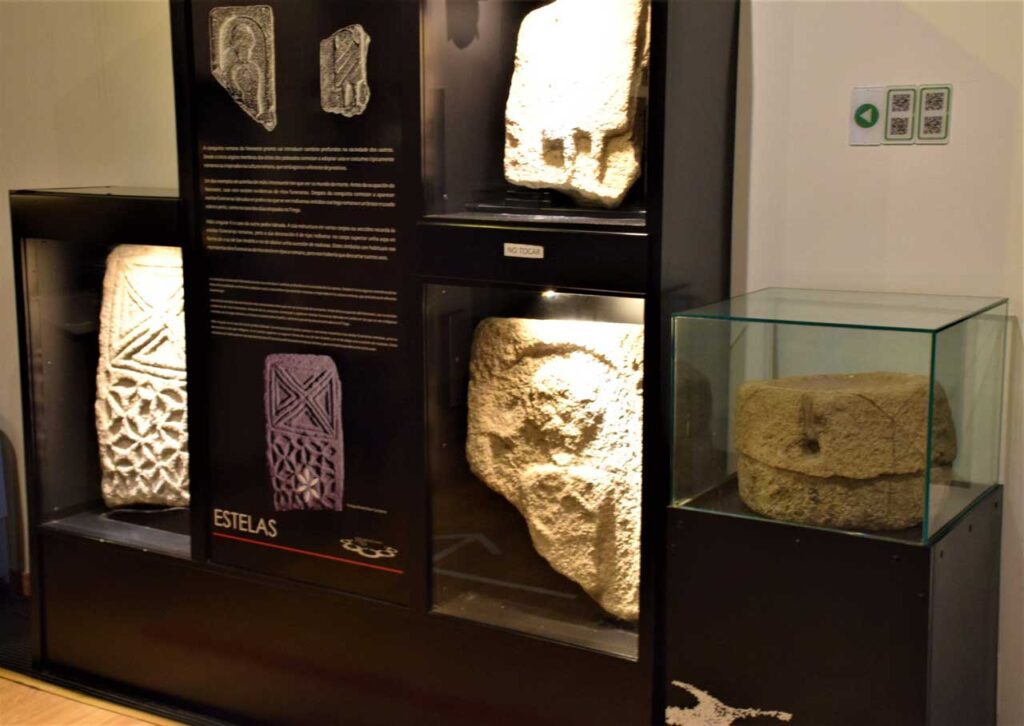
The Santa Trega Archaeological Museum (Santa Tecla in Spanish) allows visitors to learn about the history of this area through the remains found in various archaeological campaigns. Regarding the dating of the castro located a few meters below, recent research confirms an initial occupation at least as early as the 4th century B.C. It is one of the most important and best-preserved castro constructions in Galicia. The museum offers a comprehensive collection of carvings and swastikas, Roman coins, and ceramic and glass objects. Notable pieces include a splendid torque finial decorated with fine filigree and the Trega head, the most emblematic find from the recent excavations. A central display table presents the main archaeological campaigns and the role played by the Pro Monte society throughout its history.
To learn more
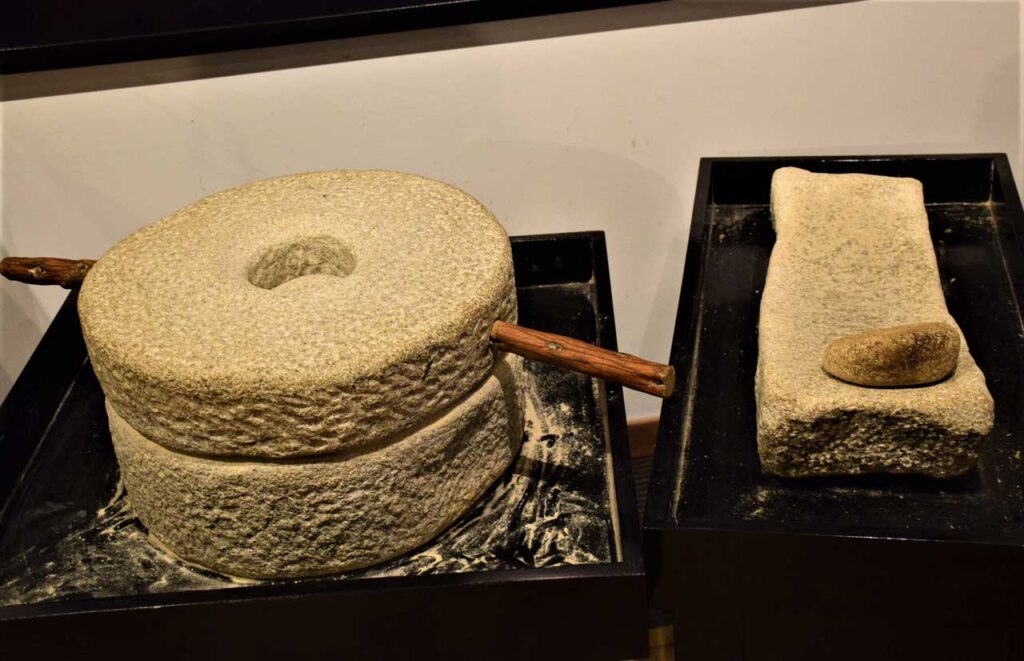
The Santa Trega Archaeological Museum was created by the Pro Monte Society in 1917. It initially occupied premises in the town of A Guarda until 1953, when it was moved to its current building atop Santa Trega hill, which also gives its name to the castro located at this site. This building was designed by architect Antonio Palacios as a restaurant in 1934. Most of the pieces exhibited in the museum date from between the 1st century B.C. and the 1st century A.D., which was the castro's period of greatest prosperity, although various excavations in the settlement and surrounding hill area have uncovered items from other eras: Paleolithic, Neolithic, and Bronze Age, which can also be seen in the museum and suggest that this area, at the mouth of the Miño River, had inhabitants from very ancient times. The exhibition hall, covering 120 square meters, features a permanent display of objects found in different excavations at the castro, such as amphorae, ornaments, weights, and mills, organized by period.
To know it better
In the current Santa Trega Archaeological Museum, located on Santa Tecla hill in A Guarda (Pontevedra), we can find very important pieces that help us discover more about the history of our land. This site has both indoor and outdoor areas where visitors can explore the most visited castro in Galicia. The settlement that inhabited this hill belonged to the castro culture, whose main characteristic was its way of organizing life. Known as castros, their constructions were typically circular stone structures, although they could also be oval or square. The settlement was of pre-Roman, indigenous origin with a slight Celtic influence that developed in the northwest of the Iberian Peninsula. At the end of the Neolithic, around 4000 B.C., metal began to replace stone. This period was called the Metal Ages (comprising the Copper, Bronze, and Iron Ages). Inside the museum, there are also elements from the Bronze Age, a prehistoric period when metal developed thanks to the combination of copper with tin.
Gallery
Location
- Town
- A Guarda
- Municipality
- A Guarda
- Province
- Pontevedra
- Country
- Spain
The asset
- Type
- Museum
- Eco-destination
- Río Miño
- Environment
- Rural
- Relevance
- International
How to get there
- Access
- By sea By land
- Distance
- Distancia 5,2 km / 14 minutos en coche
The visit
- Visitable
- Open year-round
- Interpretation
- No
- Accessible
- No
- Parking
- Sí
- Signposted
- Yes
Coordinates
- Latitud
- 41.88838200
- Longitud
- -8.87101000