
Tui´s port. Tui´s Parador
About this heritage
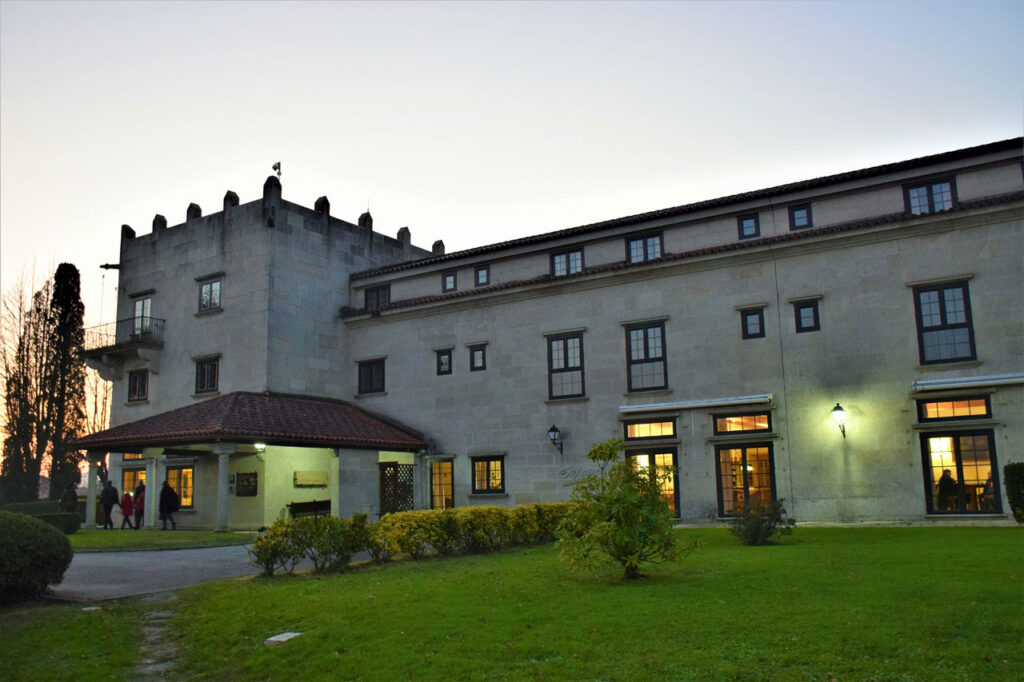
Tui´s Parador is located about one kilometre away from the historical centre of Tui. Located in front of the Miño river and very close to the international bridge, from 1886 , that links Tui with Portugal.
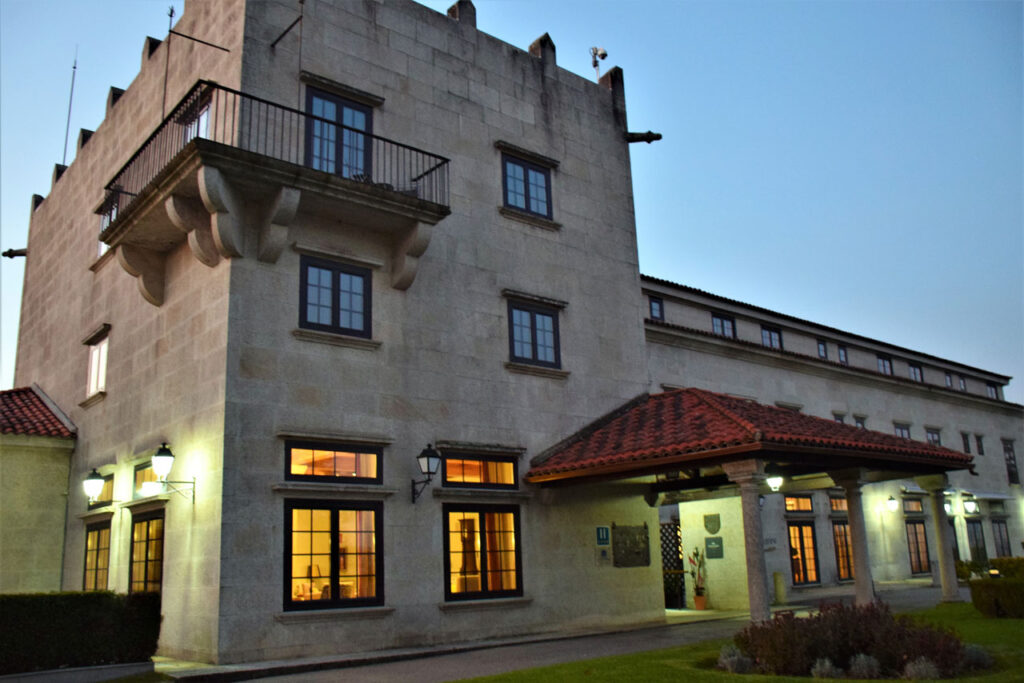
It is a modern Pazo (traditional Manor house), but built imitating the traditional architecture of the Galician Pazos. The materials that make it up are granite stone and chestnut wood.
It was built in 1968 and later remodelled in 1992. It has 32 rooms, decorated in warm colours and antique furniture. Rooms are spread over two floors and the Tower´s room is the largest one of the Pazo.
From its balconies you can enjoy an exceptional panoramic view of the river valley, the mountainous areas and the border formed by the Miño river between Spain and Portugal. After the international bridge, on the other side of the river, is the fortress of Valença. It´s a defensive construction built between the 12th and 13th century that housed a medieval village and thus, defended the passage over the river Miño. Currently in this fortification we can find several commercial establishments and restaurants.
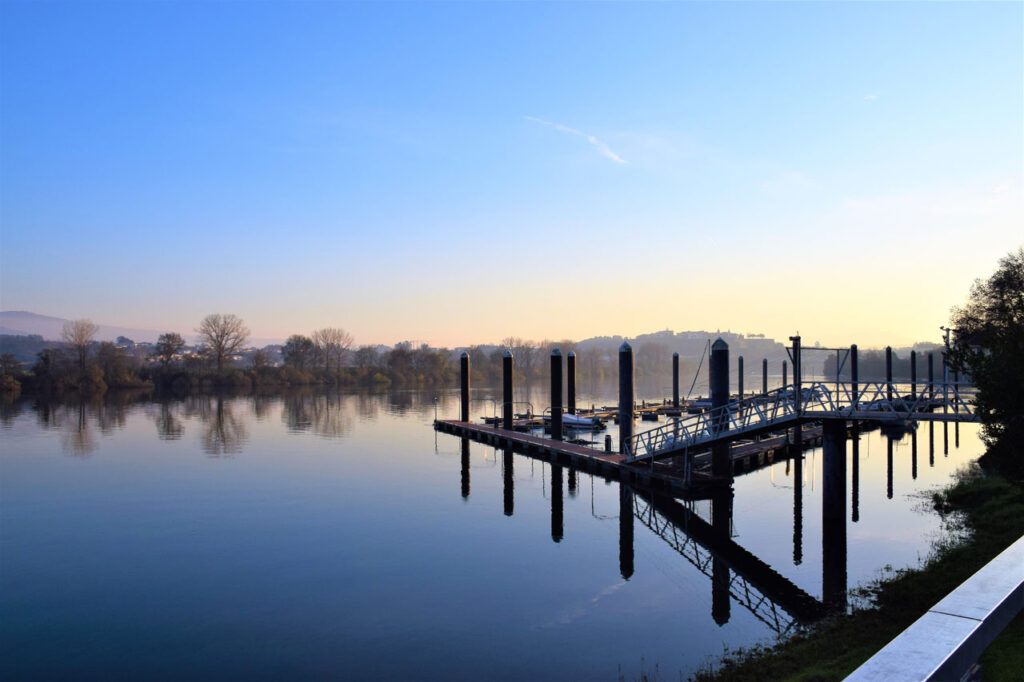
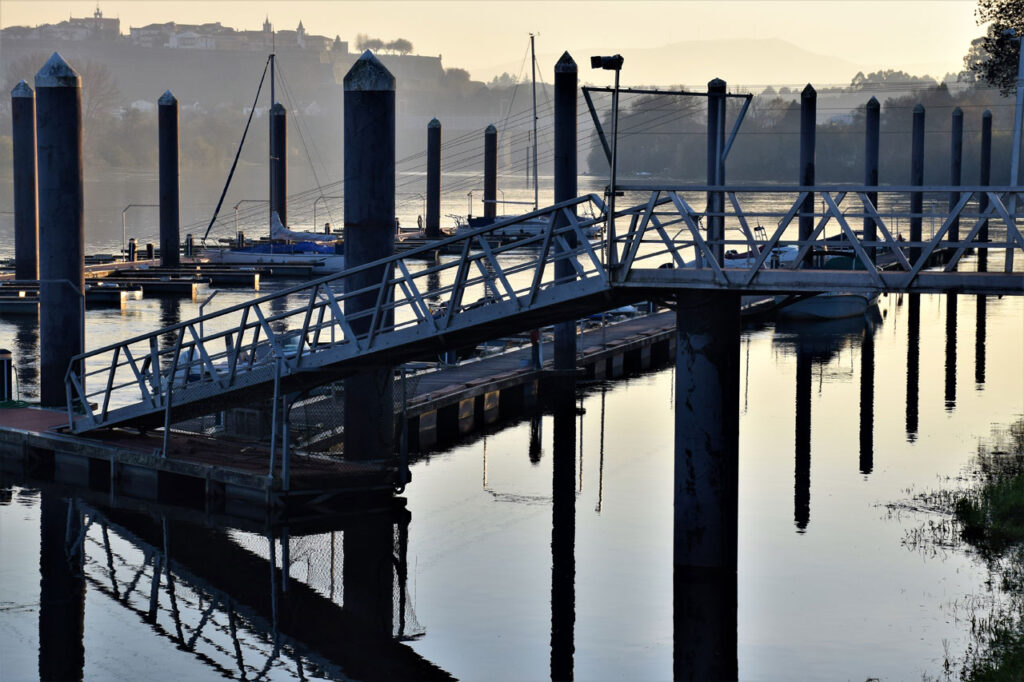
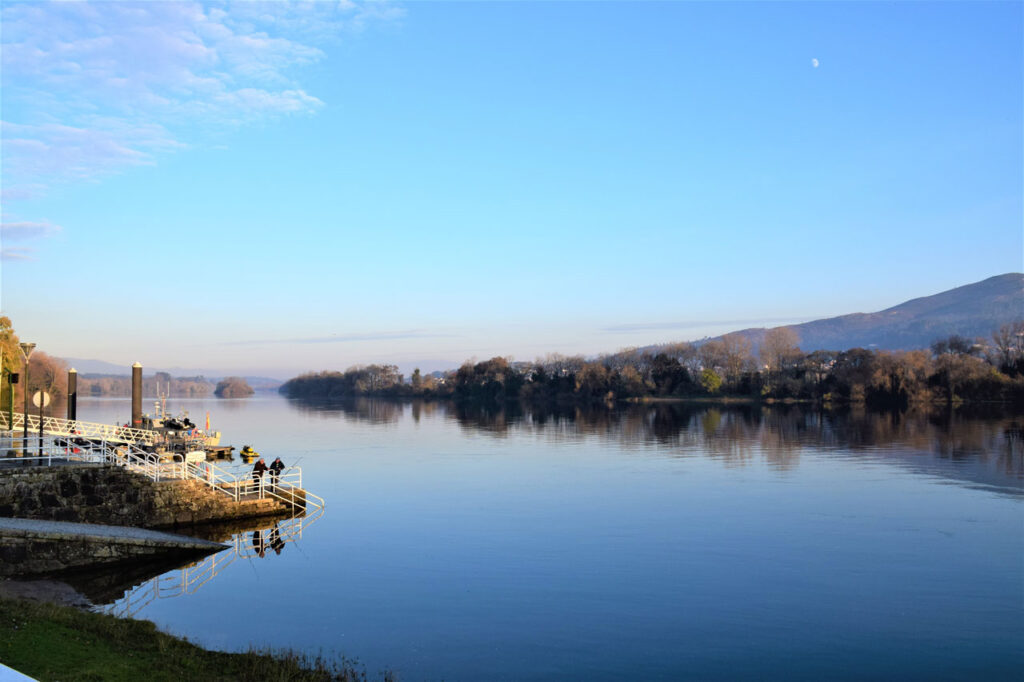
It is possible to navigate the Miño river in its last 30 kilometres, which would be from its mouth to Tui, where the Tui´s Fluvial-Marina is located - in the past, called “Porto de San Xoan”-, and it is formed by a small dock.
It is located very close to the Parador and its navigability is characterized by the changing depths and currents, as the tides can be felt about 40 kilometres upstream with a flow variation of about two meters between high and low tide. On the way down to the pier you will find the Command Headquarter, and from there to beyond the “Plaza de la Estrella” (Star Square), you will find the beautiful fluvial - promenade with a small beach near the town centre known as “Playa de la Marina” (Marine beach).
The first stage of the Portuguese Way of Saint James begins in Tui. Thousands of pilgrims cross the international bridge which links both shores.
To learn more
Tui´s Parador belongs to the National Parador Network that celebrated its 90th anniversary in 2010. The concept was born in 1910, when the Spanish government, presided by José Canalejas, decided to entrust the Marquis de la Vega Inclán with the project of creating a hotel structure, non-existent at the time in the country, in which establishments would provide accommodation for hikers and travellers, while improving Spain´s international image.
In 1928 the first Tourism Parador was opened in the Sierra de Gredos (Gredo´s mountain range), the location of which had been chosen by King Alfonso XIII. The Paradors and Hostelries Board of the Kingdom was constituted, and focused on all those unique buildings. With great history, this monumental heritage is located in a geographical area of great natural interest. The purpose of the prestigious network is to set an example of seriousness, prestige and recognition, both nationally and internationally.
Galicia has twelve Paradors located in different parts of the community such as the Parador Hostel “Dos Reis Católicos” (Catholic king´s Parador-Hostel), in the capital next to the Obradoiro square and the Ferrol´s Parador in A Coruña. The province of Pontevedra has the largest number of paradors, such as the one in Tui - the Episcopal city, Baiona Parador within the Monterreal Fortress, Pontevedra´s Parador located in the historic city and this pronvince´s capital, Cambados Parador is located in the birthplace of Albariño. In Ourense, Monterrei Parador is opposite to the biggest Galician acropolis, the Santo Estevo Parador, in the heart of the Ribeira Sacra, and the Verín Parador. Lugo has three paradors, one in Villalba and another in Ribadeo, bordering Asturias, and in Monforte de Lemos, located in a 17th century Benedictine monastery.
To know it better
Tui has had the San Telmo Sailing Club as a river marina since the 1st of February, 2005. It is located in the biggest Galician river, the Miño, which is navigable until Tui. These facilities provide service to small boats and, in addition, the club offers a wide range of water activities for people of all ages to enjoy the river.
On the other hand, Tui´s centre has a large Parador that reproduces the traditional Galician Pazo. In this hotel, we can enjoy all the Galician nature and it also give us the opportunity to practice river-sports like canoeing.
Tui is a Galician city located in the eastern part of the Baixo Miño region, in the province of Pontevedra. This municipality stands out for its proximity to Portugal and for the river Miño´s passage.
Gallery
Location
- Locality
- Tui
- Municipality
- Tui
- Province
- Pontevedra
- Country
- Spain
The asset
- Type
- Port
- Eco-destination
- Río Miño
- Environment
- Urban
- Relevance
- National
How to get there
- Access
- By sea By land
- Distance
- 0 km
The visit
- Accessible
- No
- Parking
- Sí
- Signposted
- Yes
Coordinates
- Latitud
- 42.04751400
- Longitud
- -8.64102300