
The “Dock of the Canal de Castilla in Medina de Rioseco” is located in the town of the same name.
in warehouse No. 2 of the dock, an old building with a plinth, recently restored, where the different products to be transported by the canal were stored; and which has now become the center of all the sports and leisure activities offered on the canal.
Dock of the Canal de Castilla in Medina de Rioseco
Provincia de Valladolid
About this port
Port entrance
Route and approach instructions
N/A (river destination)
Gallery
Location
- Address
- Calle Muelles, 7
- Municipality
- Medina de Rioseco
- Province
- Valladolid
- Country
- Spain
- Postal code
- 47800
Contact
Coordinates
- Latitud
- 41.88794188065734
- Longitud
- -5.047561782208801
The port
- Eco-destination
- Canal de Castilla
- Environment
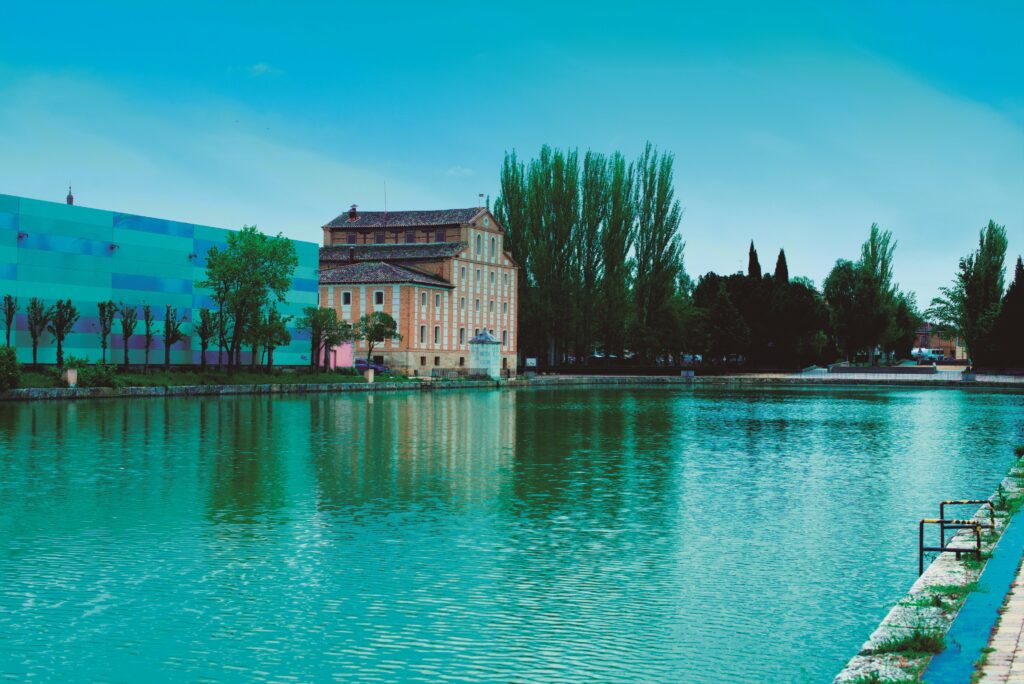
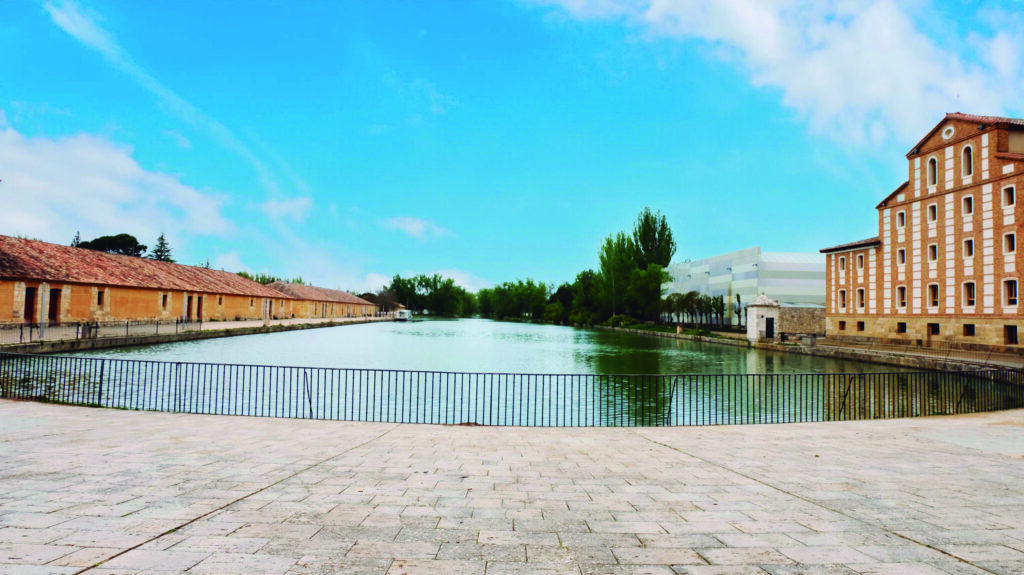
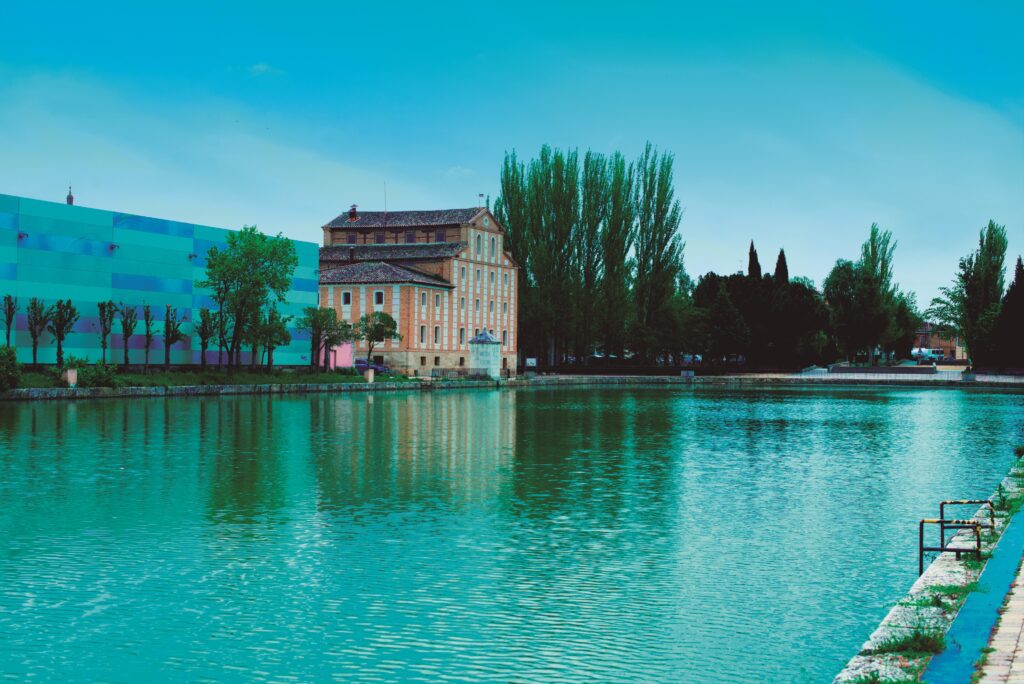
- The Canal de Castilla was one of the dreams of the 18th-century Enlightenment aimed at creating a network of navigable canals. These constructions facilitated the transport of wool, wines, and cereals from Castilla, providing an outlet to the northern ports. The infrastructure was declared a Cultural Interest Asset in 1991, and it is currently the only navigable canal in Spain. Thanks to the Canal, a habitat has been created that benefits the life of many species, not only those living in its waters but also those that nest or feed in its forests. The wonderful flora and the vast Castilian fields form a unique landscape, beautiful in all seasons but especially in autumn, when the lovely ochre tones predominate. At the Dock is the Canal de Castilla Visitor Reception Center. Specifically, it is located in warehouse No. 2, an old building with a plinth, currently restored, where the different products to be transported by the canal were stored; and which has become the center of all the sports and leisure activities offered in this section of the canal. You can visit constructions related to the Canal de Castilla such as the dock, the old warehouses, the former dock manager's house with a sundial on its facade, the remains of an old barge, the "San Antonio" flour factory, and the dry dock where barges were built and repaired. On the Antonio de Ulloa vessel, you can navigate up to the 7th lock and observe its operation as well as enjoy the surroundings. Currently, navigation up to the 6th lock is not possible, but it can be visited by continuing the route on foot along the towpaths parallel to the canal. In Medina de Rioseco, a large number of monuments can be visited. Highlights include the church of Santa María de Mediavilla with the magnificent Benavente chapel, as well as the church of Santiago Apóstol, the Holy Week Museum, the San Francisco Museum, the gates of the old wall, the convents of San José and La Concepción, and the hermitage of Castilviejo.