


Vigo. Europe´s Fishing Port
About this heritage
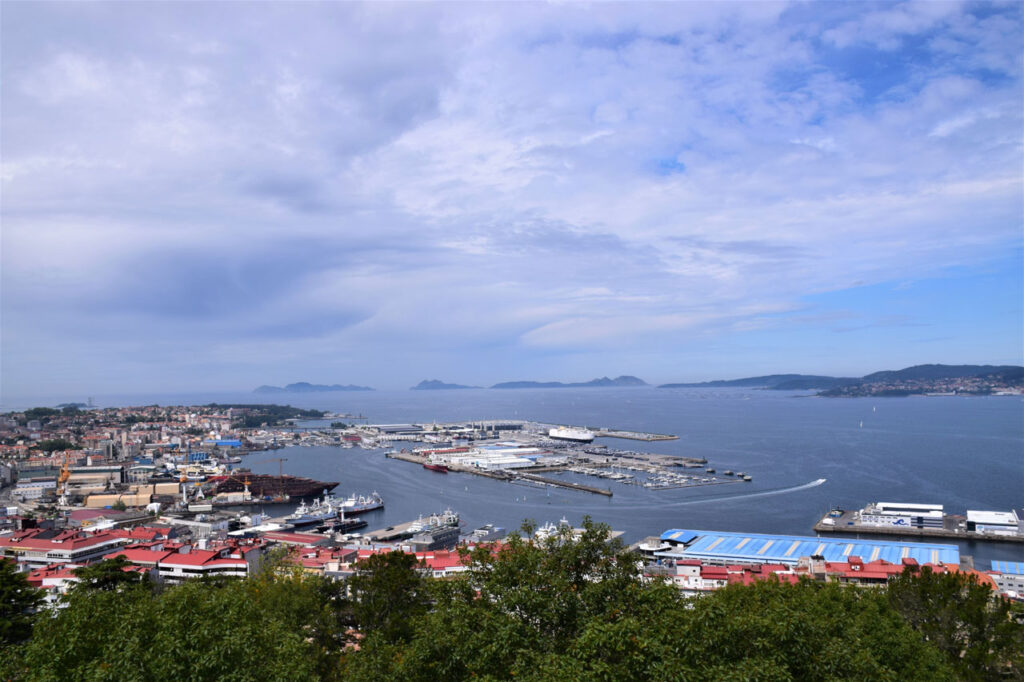
Vigo´s Port is 241.238 m2 and it is considered one of the leading fishing ports in the world in terms of fish-marketing for human consumption. Its fish market is famous for moving a good part of all the fish consumed in Spain and Europe.
Although its operational centre is in the municipality itself, Vigo´s Port includes the coastal strips on both sides of the Vigo estuary, covering the territory and waters of five municipalities: Vigo, Redondela, Vilaboa, Moaña and Cangas.
In the fishing port of Vigo you can find fresh-fish, in the area of Berbés, where there are 4 docks, and their corresponding wharves, where the main marketing and sales companies are located.
Apart from this, the main Oceanic Fishery Research centres of the different Autonomous, Central and European Administrations are also located here.
It also includes the cultivation of specific high-value species in the marine environment (turbot, sea bass, oyster, mussel, sole and other seafood), that are found along the polygons both in the estuary and Vigo´s Port waters.
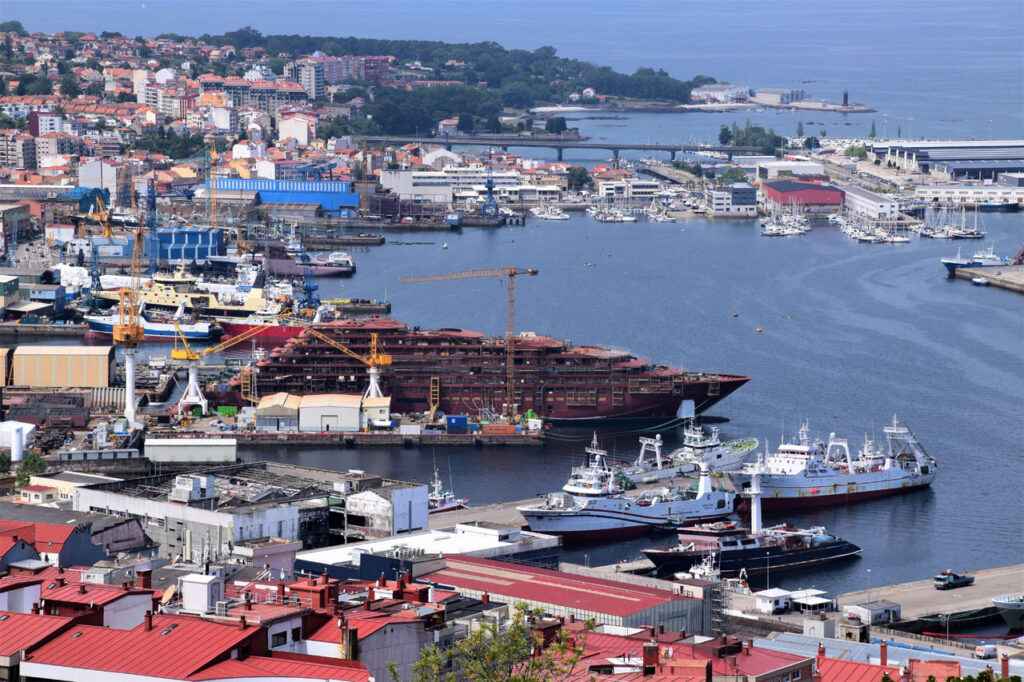
In order to proceed with the first sale and distribution of the fish product, Vigo´s Port has five fish market (Lonjas): deep sea fishing, low sea fishing, and Big fish, Coastal, Seafood and the Digital fish-market. Other buildings that make up the Port are shipowners´ departments, for fresh fish and sea food processing premises of exports and sellers, as well as for their offices.
All of these sectors form the fisheries Cluster, and they are a multidisciplinary conglomerate of companies, which need and feed back into each other.
To learn more
Vigo´s Port origin goes back to the first settlements of antiquity that allowed development of its activity in the shelter of this productive estuary. The largely fed on shell-fishing by foot along this coastal area. Little by little, they were specializing and evolving in the fishing arts and techniques.
These lands saw different people passing through over the centuries. Phoenicians, Greeks, Celts and Romans left their mark and knowledge on the inhabitants and their way of life by the sea. The estuary was also attacked by hordes of Norman, Turkish, and English pirate ships. It has witnessed epic battles such as the Battle of Rande, in the early 18th century.
It was at the end of this century when a group of Catalan´s entrepreneurs arrived in Vigo and laid the foundations for the incipient fishing and canning industry, with its salting and brining techniques.
Another important fact in this Port´s development was the installation of the Lazaretto on San Simón island, which began service in 1842. Cargo ships, coming from the Caribbean, had to stop for several days while their crews passed the quarantine. This gave rise to repairs and maintenance of the ships in Vigo. To this end, shipyards and repair areas were built, with a corresponding increase in the city´s development.
In the 19th century it became the main port in the north of the peninsula and during the first half of the 20th century, it underwent many frenetic developments since the port infrastructures no longer only provide berth and shelter, but are also - increasingly important – in the storage of goods, especially after the arrival of the railway to the docks. During the second half of this century, the activity was increased characterized by the traffic of emigrants passengers, the revolution of the frozen fishing and the arrival of the automobile industry to the city.
Nowadays it continues its activity being one of the Ports that moves all the fish that is consumed in Spain and Europe.
To know it better
Vigo is a Galician city located in the province of Pontevedra that is characterized by generating a great fishing activity. Its fishing Port, located in the Atlantic Ocean, is one of the largest in the world and is managed by the Vigo Port Authority.
Vigo´s Port, located in the Vigo estuary, was created in Roman times and has grown so much that today it provides 6.000 direct jobs and has 357 fishing companies, including one of the world´s largest frozen food companies, the famous “Pescanova”.
It occupies a land area of about 241.238 m2 where we can find: four docks (for unloading, for repairs, for use as stay, and so on), an area of nurseries, another of cold stores and five fish markets (Lonjas): deep sea fishing, low sea fishing, and Big fish, Coastal, Seafood and the Digital fish-market. All this makes it possible for this port to move more than 720.000 tons of marine products per year, making the largest fishing Port in Europe.
Gallery
Location
- Town
- Vigo
- Municipality
- Vigo
- Province
- Pontevedra
- Country
- Spain
The asset
- Type
- Port
- Eco-destination
- Ría de Vigo
- Environment
- Urban
- Relevance
- International
How to get there
- Access
- By sea By land
- Distance
- 0 km
The visit
- Accessible
- No
- Parking
- Sí
- Signposted
- Yes
Coordinates
- Latitud
- 42.23451300
- Longitud
- -8.73562900