


Cambados. Fisherman´s house Museum
About this heritage
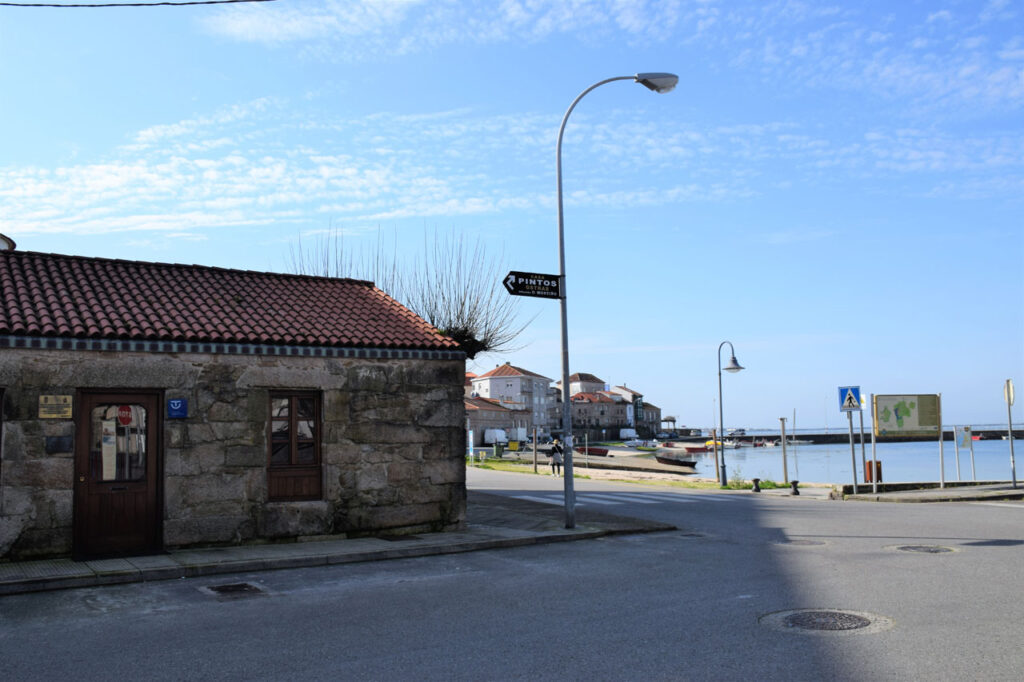
The fisherman´s House Museum is located in Cambados, in the Santo Tomé seafaring district, a few metres away from the sea. It was formerly called Casa Jovita, a typical sailors´ house which was totally reformed to leave a record of the fishermen´s way of life, of their habits and customs and also of their houses.
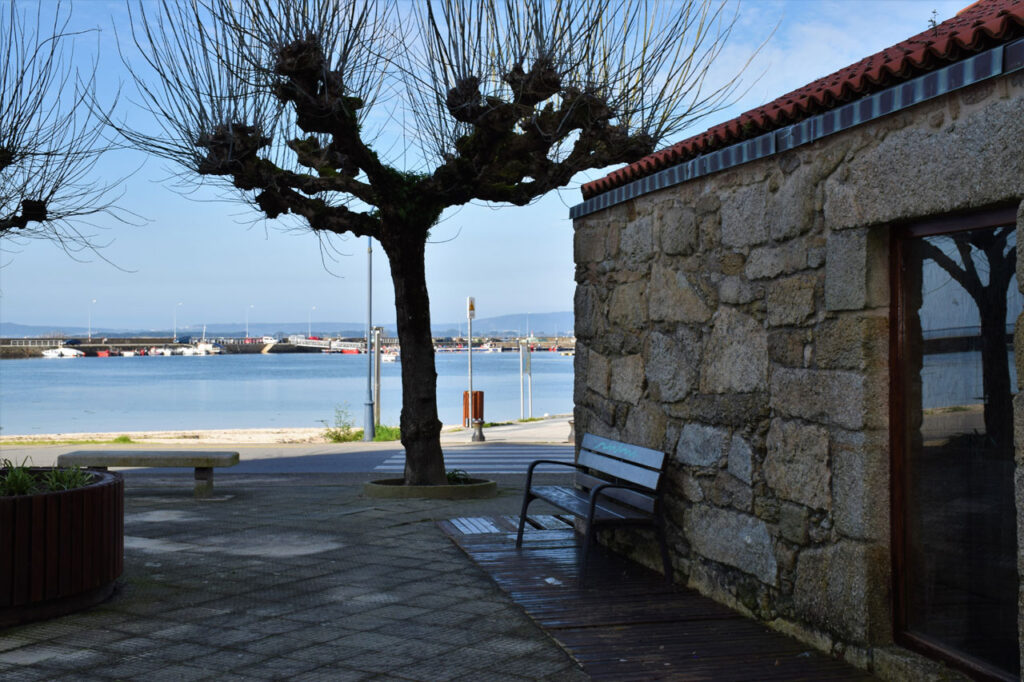
It is a house built in granite, of small dimensions. It as a ground floor and a rectangular structure. Its windows reach almost to the ground, separated from it by a kerb, allowing the maximum light to enter. Inside it hasn´t got any divisions but it has a front floor and a back door that would lead to a small patio. It is a few metres away from the Santo Tomé beach, this would allow the boats to go up during the rise of the tide so that it would not be carried away by the sea, Many of the repairs and maintenance would be carried out on the beach itself.
The museum offers information about the species caught in the area and the shell-fishing. You can also find information about the sea knots and an interactive part through touchable terminals, displays of contents through the screens and projection of contents from the ceiling to the floor.
In front of te museum you can see Cambados´ port, next to it would be the poplar grove and in the vicinity is the Pazo Montesacro (traditional manor house). A baroque style building from the 18th century, it can be accessed by stairs and also by the Chapel of the Virgen de la Valvanera, which is annexed to the pazo.
To learn more
Santo Tomé´s district, possibly the oldest nucleus of Cambados and was known as Vila Vella (Old village in Galician language). Santo Tomé do mar is an old independent village that joined the small ones of Cambados and Fefiñáns.
You can access this seafaring village of Santo Tomé by walking from Cambados centre through the pedestrian street “Hospital”. Once in the town, you can walk through its streets with houses covered with shells, balconies and galleries; the smell of the sea and some taverns where you can taste some of the typical and famous seafood of the area.
At the beginning of the century a promenade that joins the Cambados Promenade, and allows you to enjoy the beautiful views during a pleasant walk was built. The silhouette of the tower of San Sadurnino stands out, which was part of the warning systems of the 10th century to protect the estuary from the Norman incursions. It can be reached by walking to A Figueira island where the remains of the tower are located.
You can see a stone granary “horreo” on the promenade very close to the sea, this is because it was often less expensive to transport food by sea than by car on land, with those narrow roads and difficult to pass. The hórreos used to be placed as close as possible to the boats in order to unload the goods.
Dominating the surroundings you can see the Pazo de Montesacro, of baroque style from the 18th century, where you can also find the Chapel of La Valvanera.
To know it better
In the neighbouring municipality of Cambados, in Santo Tomé´s district, we can visit the Casa do Pescador Museum (Fisherman´s house museum). This is an old seafaring house that was popularly known as the Casa Jovita and has been transformed into a museum centre. This construction was rehabilitated in 2005 to transform it into a museum and, thus, make known how the fishermen's houses were, how they lived, as well as their customs and traditions.
Gallery
Location
- Town
- Cambados
- Municipality
- Cambados
- Province
- Pontevedra
- Country
- Spain
The asset
- Type
- Museum
- Eco-destination
- Ría de Arousa
- Environment
- urban
- Relevance
- Local
How to get there
- Access
- By sea By land
- Distance
- 1,900km
The visit
- Visitable
- Yes
- Accessible
- Sí
- Parking
- Sí
Coordinates
- Latitud
- 42.50945900
- Longitud
- -8.81640700