


Santo Tomé de Cambados. Oyster Boats
About this heritage
From the central core of Cambados, we can access the village of San Tomé through the pedestrian Calle Hospital. This former independent town now forms part of the Cambados and Fefiñáns area. With a strong maritime accent, it features numerous houses covered with shells, balconies, and galleries. The smell of the sea blends with the occasional tavern where you can taste the typical seafood of the area.
Between the docks of San Tomé and Cambados lies the marina, which enjoys all the amenities for practicing water sports. San Tomé beach, located in the urban environment of the Cambados port, has calm waters ideal for swimming, as well as an anchorage area for boats. The walk along the port is complemented by the magnificent 18th-century Pazo de Montesacro, where you can also find the Chapel of Valvanera; or the experience of walking to the island of A Figueira where the remains of the Torre de San Sadurniño are located.
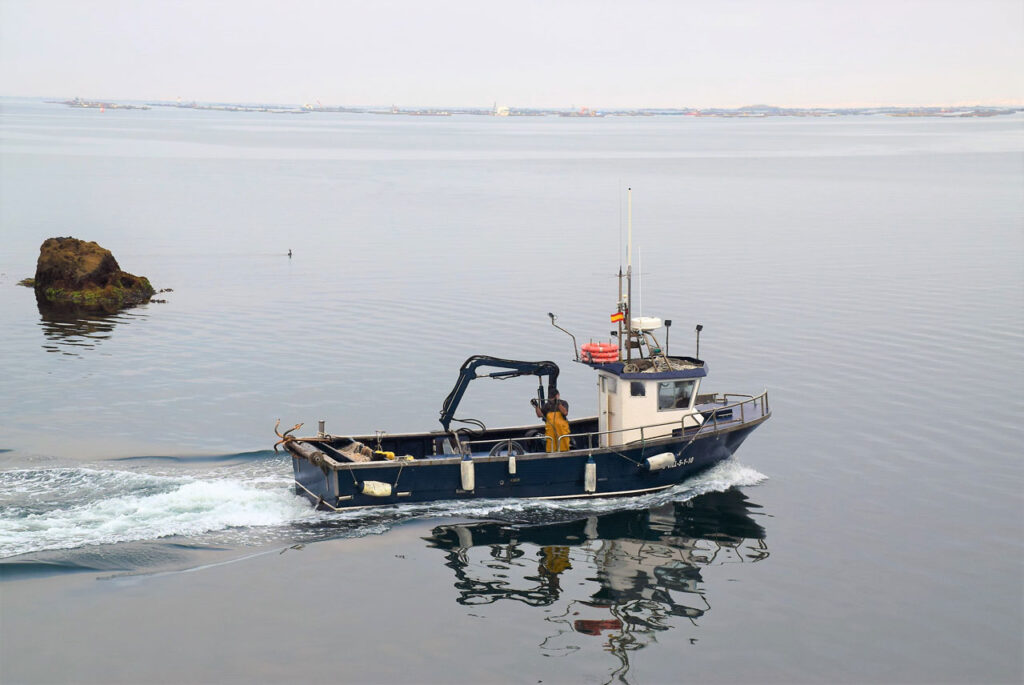
To finish, and without leaving the San Tomé neighborhood, the Museo Casa do Pescador or Casa Jovita, an old seafaring house, is worth a visit, showcasing the lifestyle and customs of the sea people. And from the sea come the oysters, one of the most prized crustaceans for their quality and flavor, becoming an exquisite luxury delicacy accessible to tourists. It is here, in Cambados, where large natural oyster beds were once found on the sandy beaches near Sanxenxo and Silgar, in the Ría de Pontevedra. Many boats used to go out fishing for oysters to then take them to the purification plants located in Cambados, which still operate today. In fact, every year in spring, around May, Cambados celebrates its famous Oyster Festival.
To learn more
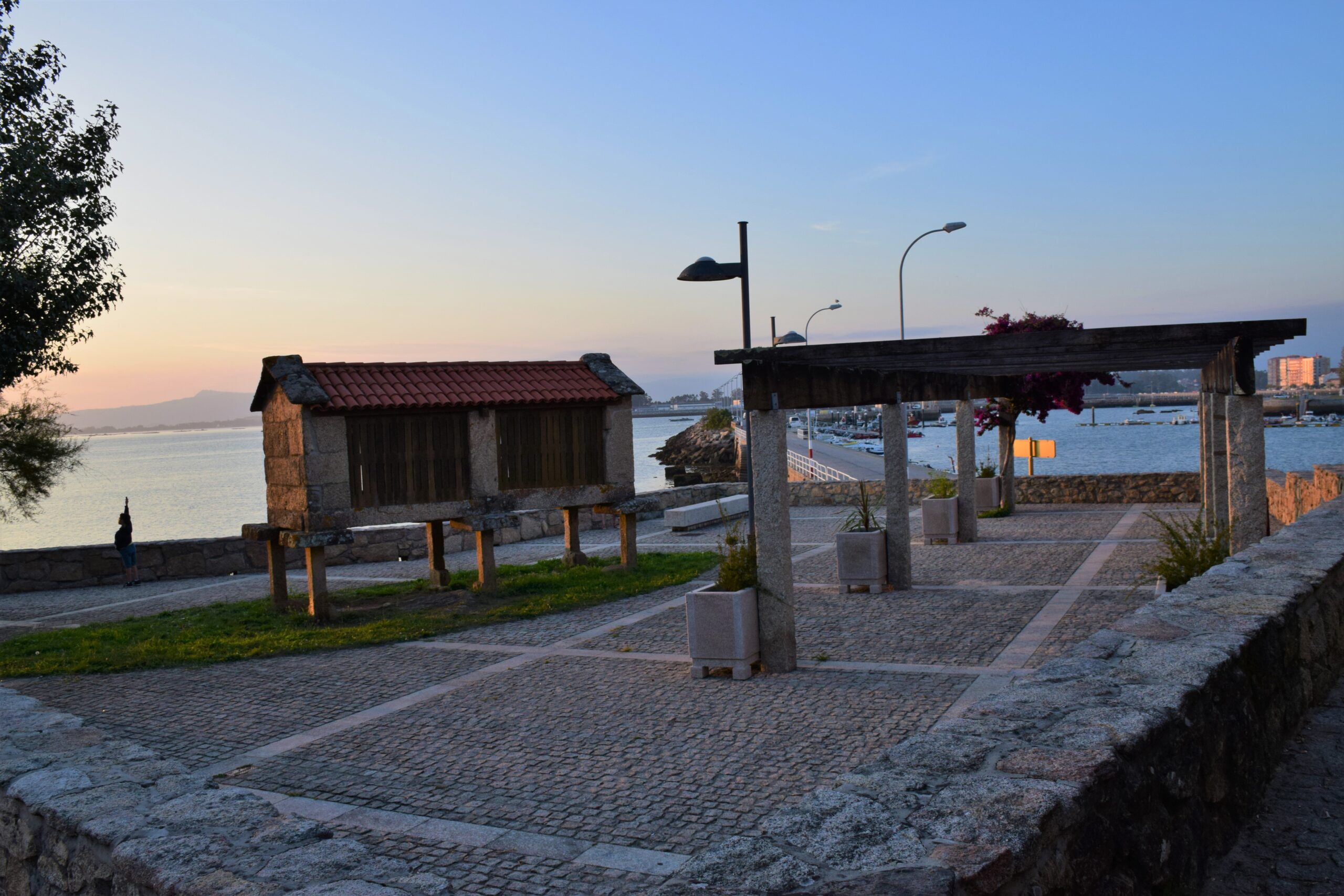
One of the three former towns that merged into present-day Cambados is San Tomé do Mar. It was an independent offshoot that joined the small towns of Cambados and Fefiñáns, each with its own character and distinctive accent; together, they have created one of the most interesting and unique urban complexes in the Rías Baixas. Its new waterfront promenade—built at the beginning of the new millennium—connects with the Cambados Waterfront Promenade, allowing visitors to enjoy beautiful sea views, highlighting the silhouette of the Torre de San Sadurniño and the Isla de A Toxa. Sitting in the rest area, you are accompanied by a restored hórreo as a central element, located at the beginning of the promenade.
The old fishing port of Cambados—on the south of the Ría de Arousa—was located in the maritime neighborhood of San Tomé. Today it is equipped as a facility for artisanal and sport fishing boats, due to its shallow depth. The port has several pontoons occupied by recreational and fishing boats from the area, making it almost impossible to find a mooring spot. It is magnificently located, facing the urban center. Arrival at this port requires careful navigation, following nautical charts if you are not familiar with the area. Once inside the port, the shelter is very good.
Entry to O Grove, Cambados, and Tragove is quite challenging due to the need to navigate among many shoals, so it is recommended to always carry an updated chart. Cambados is considered the capital of Albariño (one of the most select and best white wines in Europe). Must-see sites include: the ruins of the church of Santa Mariña Dozo, the ruins of the Torre de San Sadurniño, the Casona de Os Pazos; the 15th-century Pazo de Ulloa, the pazos of Figueroa or Santo Tomé, the Pazo de Bazán (now a National Tourism Parador), the Casa de los Fajardos, the Caserón de Os Coutos, and the old Royal Hospital.
Cambados stands out for its wealth of natural resources, reflected in the high quality of products obtained from the land and the equally excellent products from the estuary. For all these reasons, visitors should not leave without tasting its gastronomic delicacies, such as its oysters. These are celebrated in the famous Festa da Ostra de Cambados, held in spring, which recalls how oyster boats used to go fishing on the sandy shores of the Rías de Arousa and Pontevedra. Today, it is only possible to collect them near the Isla de Tambo, in Pontevedra, although the oyster farms and purification plants in Cambados remain active for cleaning these types of mollusks and crustaceans.
To know it better
Santo Tomé is an area that joined the towns of Cambados and Fefiñáns, in the province of Pontevedra. In fact, if you are in the center of Cambados, you can reach Santo Tomé via Calle Hospital.
Santo Tomé stands out as a maritime neighborhood, with houses covered in shells, balconies, galleries, and the smell of the sea accompanies visitors on every walk through the neighborhood. Additionally, there is a Baroque 18th-century building known as the Pazo de Montesacro. In this pazo or palace is the Chapel of Valvanera, also known as the Chapel of Our Lady of Valvanera, where the Virgin of Valvanera is venerated. In fact, there is a large celebration in the neighborhood dedicated to this Virgin.
To get an idea of a seafaring home, you can visit the Museo Casa do Pescador or Casa Jovita. There you can learn about life at sea and its people.
Gallery
Location
- Town
- Cambados
- Municipality
- Cambados
- Province
- Pontevedra
- Country
- Spain
The asset
- Type
- Fishing neighborhood
- Eco-destination
- Ría de Arousa
- Environment
- Urban
- Relevance
- International
How to get there
- Access
- By sea By land
- Distance
- A pié a menos de 20 minutos
The visit
- Visitable
- Yes
- Accessible
- No
- Parking
- No
Coordinates
- Latitud
- 42.50899700
- Longitud
- -8.81906100