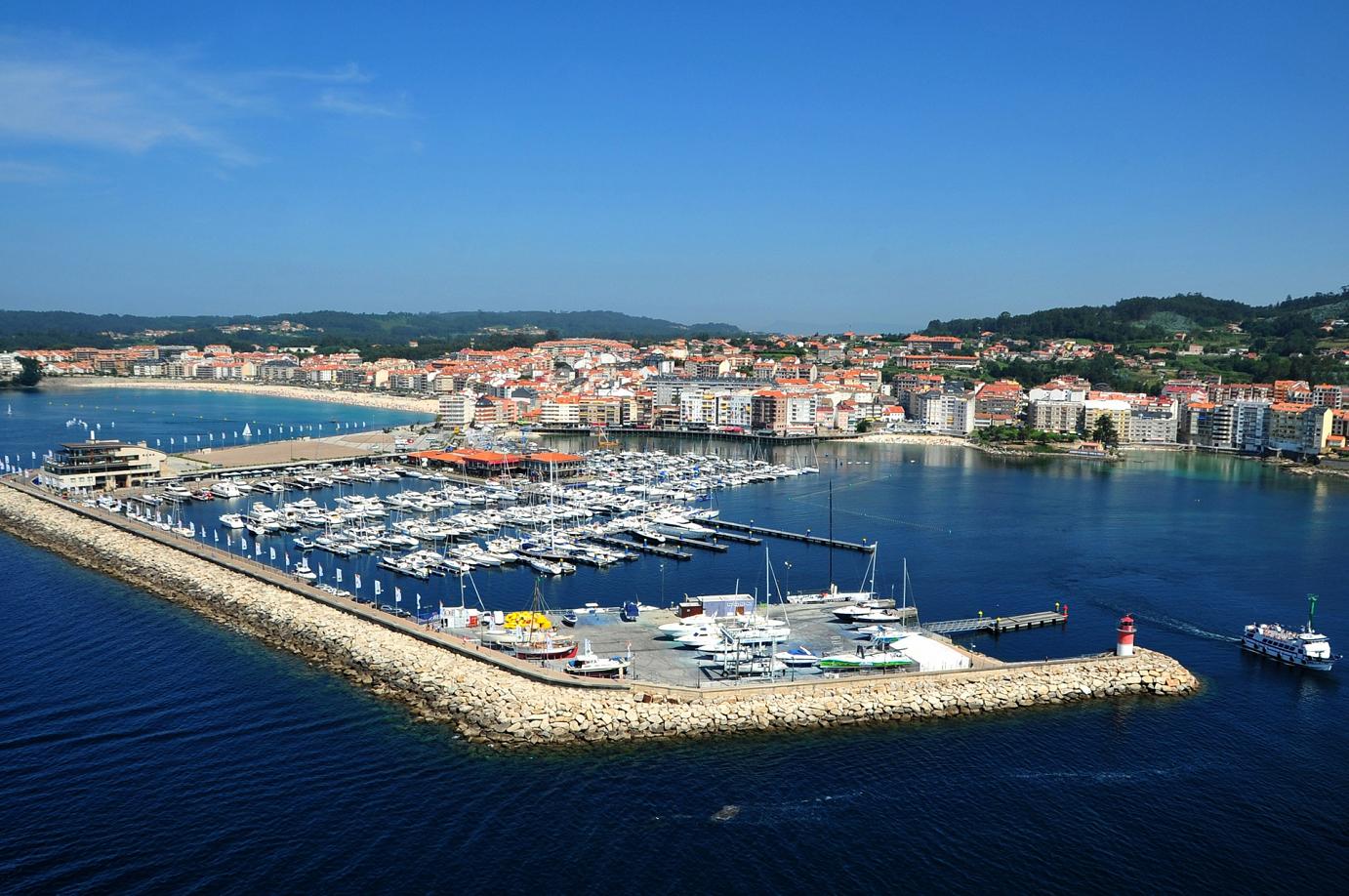
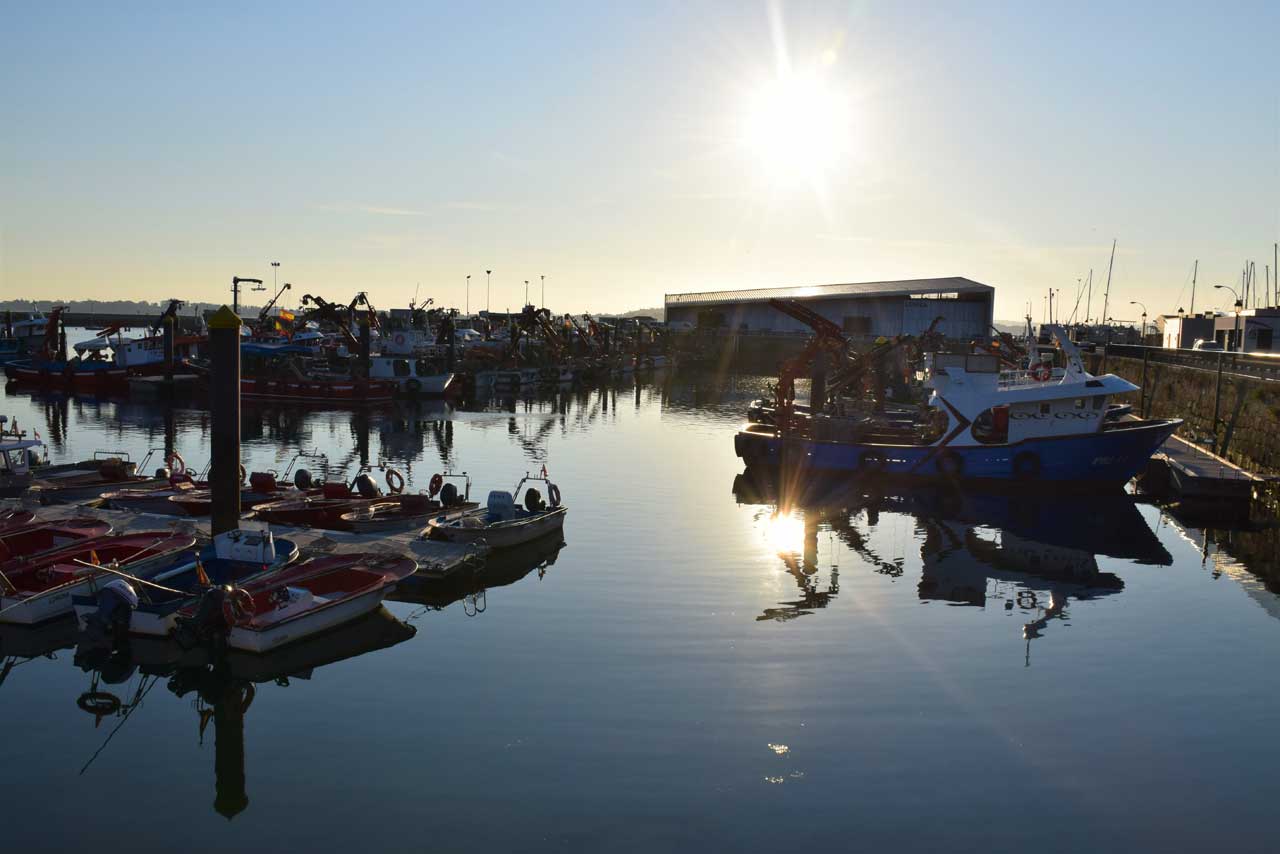
With this itinerary you will get to know and enjoy a navigation through the Galician maritime culture. Through its fishing villages, its farming parks in rafts and the heritage you will learn about about the fishing tradition linked to salting and preserving. All this in the framework of Ría de Arousa which, thanks to its […]
Visit to the mussel, oyster and scallop cultivation rafts, with a stopover to see the seabed and enjoying a mussel tasting accompanied by Albariño wine or soft drinks.
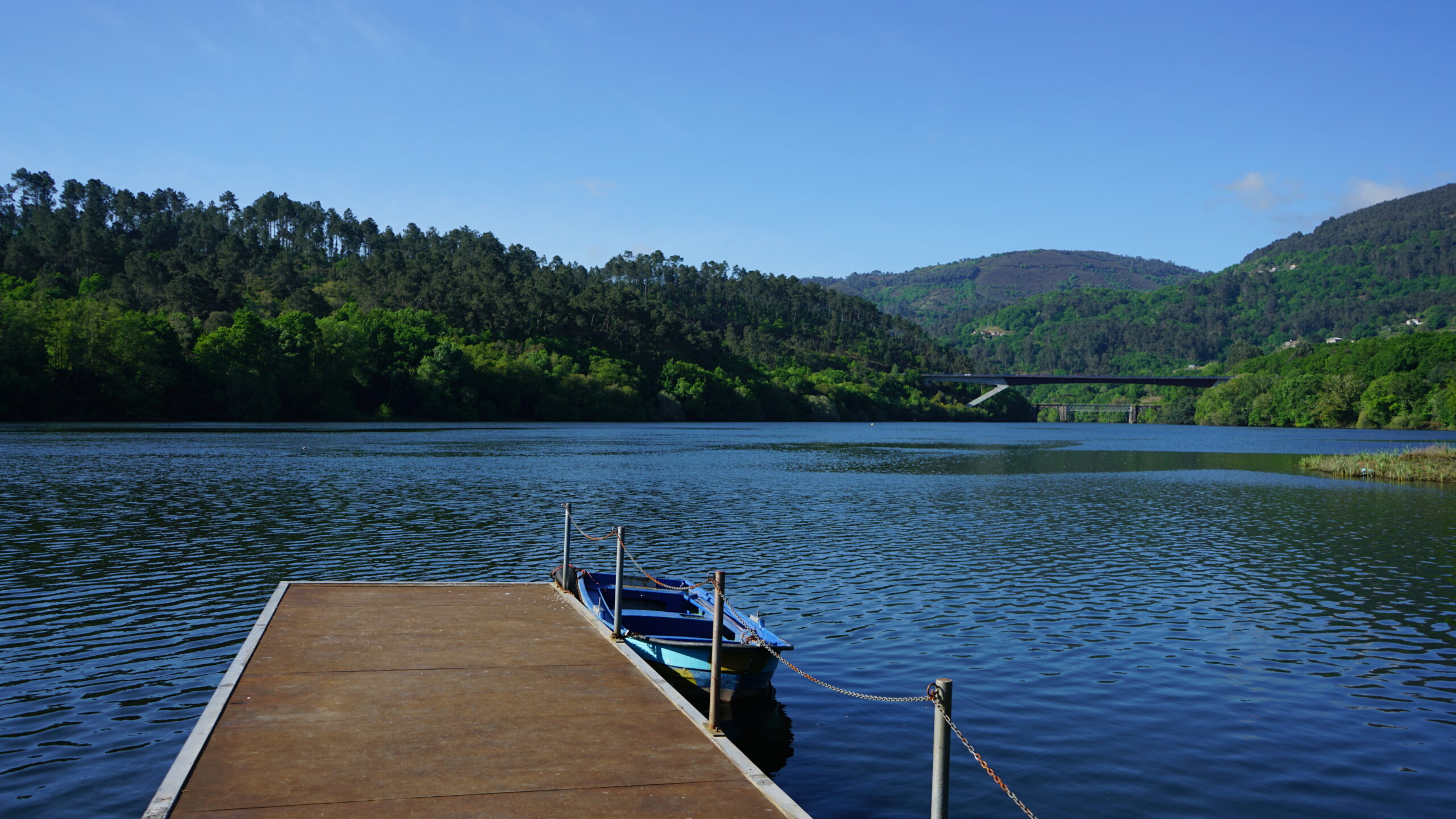
The Lanhelas Anchorage / Fishing Spot is a river structure used by the local fishing community, located on the Minho River, in the Lanhelas parish, close to the eco road called Caminho Rio Minho.
The Serradilla dock is the starting point to enjoy a boat ride on the Tagus River, with a journey interpreted by experts within a protected natural environment. From there, you can explore spectacular landscapes and reach the “Puertas de Monfragüe,” with views of the famous Salto del Gitano, and birdwatching opportunities including vultures, storks, golden […]
Pesqueiras are spaces created in rivers primarily to fish the prized lamprey. The lamprey is a blue fish and one of the first vertebrates on Earth, even predating the dinosaurs, and today it can be
The Auditorio de Tenerife Adán Martín, designed by architect Santiago Calatrava, is one of the most emblematic buildings in Tenerife. Its bold architectural design, featuring a sail-shaped structure, makes it a cultural and tourist landmark
The Castle of Osma, located in Soria, is a medieval fortress built in the 10th century on a strategic hill between the Ucero and Abión rivers. It was an important Christian defense on the Duero
The thermal waters of Laias, located in the province of Ourense, are known for their therapeutic properties. These waters, with a bicarbonate, sodium, fluoride, and sulfur composition, are especially recommended for treating dermatological diseases, digestive
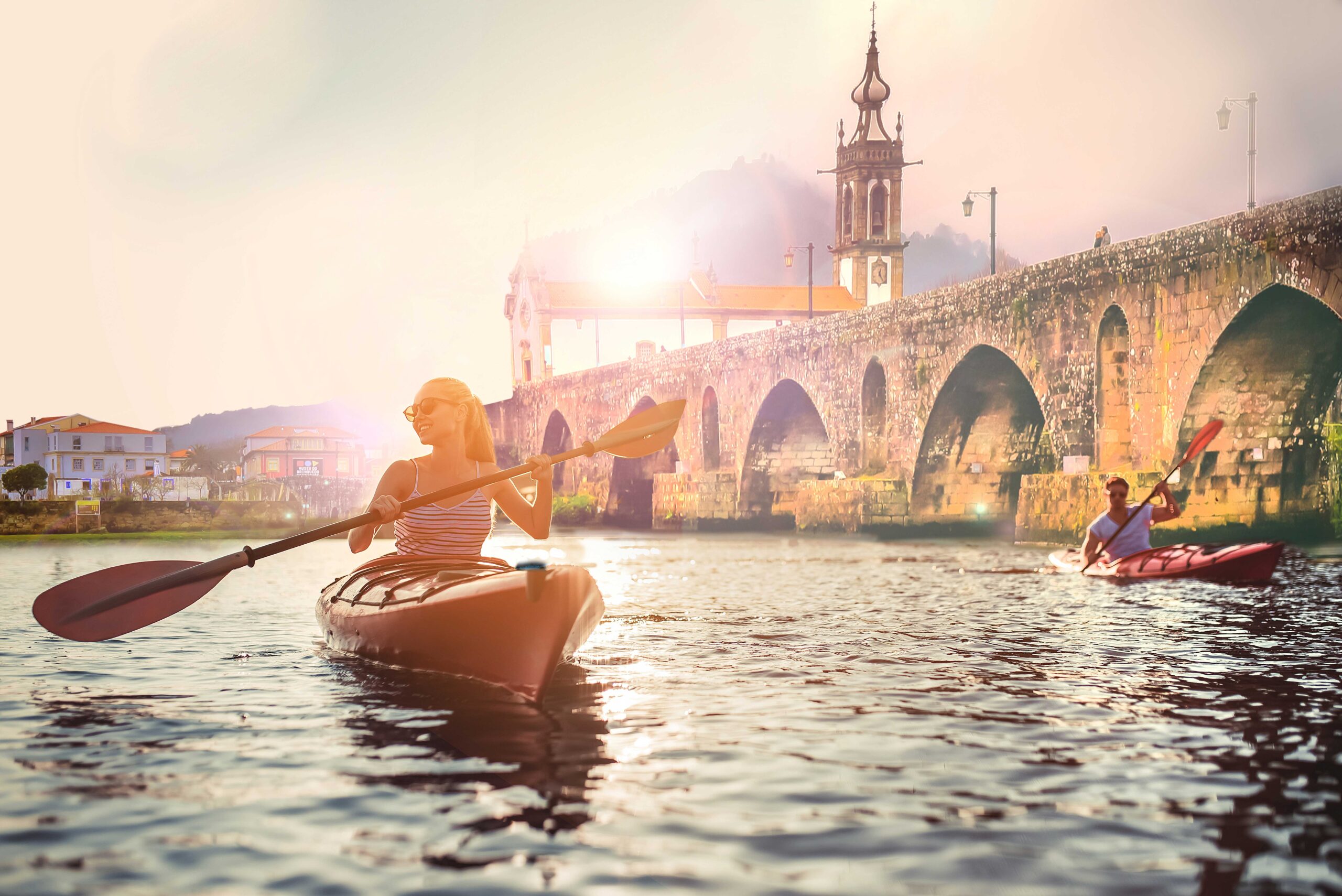
Cruzando el puente de origen romana y medieval, dejando atrás el casco histórico se va al margen derecho del río Lima. El paisaje se vuelve más verde a causa de la vegetación de ribera y