
Portuguese Alvarinho wine. History and differences. Include Alvarinho Museum and Brejoeira Palace
About this heritage
The Portuguese alvarinho wine belongs to the sub-region of the D. O. C. Vinho Verde, Melgaço and Monçao, its Galician brother, the albariño, corresponds to the D. O. C. Rías Baixas. Although the caste is the same, they concern different denominations of origin. Due to the Community laws, as these are two wine-growing areas located in two different countries, it is not possible to unify them despite the fact that they are essentially the same wine.
The sub-region Megaço and Monçao is constituted by about 800 hectares of vineyards, it is defined as a region with a mild Atlantic climate, just like the Galician region. However, there are differences, the Portuguese vineyards receive less rainfall during the vegetative cycle that barely reaches about 300 mm. This translates into low humidity levels and therefore keeps diseases such as mildew, powdery mildew and botrytis.
The vineyards that descend to the Miño river from 230 to 50 metres are oriented to the north and this guarantees slower ripening, which translates into a later harvests of elegantly fresher wines with genuine nerve. Organic and biodynamic vineyards are gaining ground in the production area. And just as delicately as the vine is treated, the grapes are also processed in the cellars.
Genetic studies are clear about this: the alvarinho/albariño has nothing to do with the Central European caste or any other internationally recognized wine-grower. It is a native grape from the northwest of the peninsula, whose origins are increasingly linked to the Salnés Valley in Pontevedra.
One of the first to give the alvarinhos their deserved greatness was Anselmo Mendes, a native of Monçao and a descendant of winegrowers for several generations. He was running the excellent 2001 vintage when he designed Curtimenta, an expression that refers to fermentation with grape skins. But the market did not understand that wine at the time, and the whole crop was not sold until several years later.
To learn more
The Portuguese alvarinho wine belongs to the sub-region of the D. O. C. Vinho Verde, Melgaço and Monçao, its Galician brother, the albariño, corresponds to the D. O. C. Rías Baixas. Although the caste is the same, they concern different denominations of origin. Due to the Community laws, as these are two wine-growing areas located in two different countries, it is not possible to unify them despite the fact that they are essentially the same wine.
The sub-region Megaço and Monçao is constituted by about 800 hectares of vineyards, it is defined as a region with a mild Atlantic climate, just like the Galician region. However, there are differences, the Portuguese vineyards receive less rainfall during the vegetative cycle that barely reaches about 300 mm. This translates into low humidity levels and therefore keeps diseases such as mildew, powdery mildew and botrytis.
The vineyards that descend to the Miño river from 230 to 50 metres are oriented to the north and this guarantees slower ripening, which translates into a later harvests of elegantly fresher wines with genuine nerve. Organic and biodynamic vineyards are gaining ground in the production area. And just as delicately as the vine is treated, the grapes are also processed in the cellars.
Genetic studies are clear about this: the alvarinho/albariño has nothing to do with the Central European caste or any other internationally recognized wine-grower. It is a native grape from the northwest of the peninsula, whose origins are increasingly linked to the Salnés Valley in Pontevedra.
One of the first to give the alvarinhos their deserved greatness was Anselmo Mendes, a native of Monçao and a descendant of winegrowers for several generations. He was running the excellent 2001 vintage when he designed Curtimenta, an expression that refers to fermentation with grape skins. But the market did not understand that wine at the time, and the whole crop was not sold until several years later.
To know it better
Monçao is a small Portuguese village located in Viana do Castelo´s district. Like Valença do Minho, it was an important Portuguese fortification and its old town has important remains from the 14th century, such as the forts that guarded the Minho river.
The essential thing in Monçao, as in almost all Portuguese villages, is to know the history of its Vinho Verde made from the Alvarinho variety. The Alvarinho or Albariño grape is very different from other types of grapes. Its origin dates back to before the 13th century and it is said that the grape was in Galicia and then spread to Portugal, Leon, Asturias or Cantabria. In addition, its cultivation is usually done using the conduction system known as emparrado (vine arbour); that is, on vines, to get more sunlight.
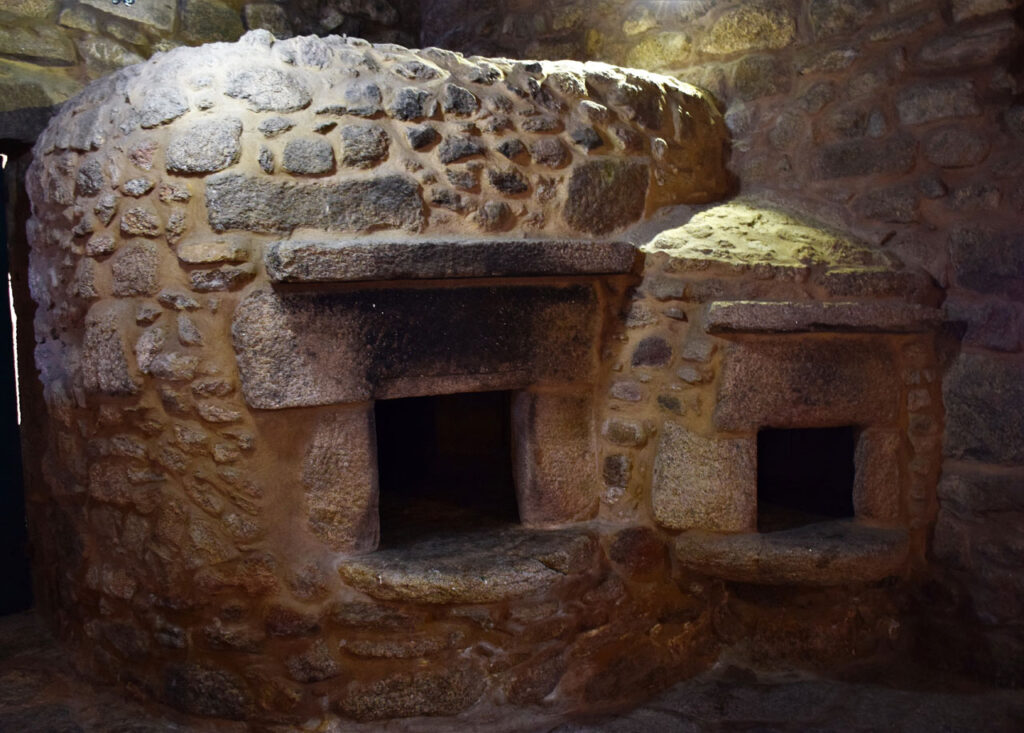
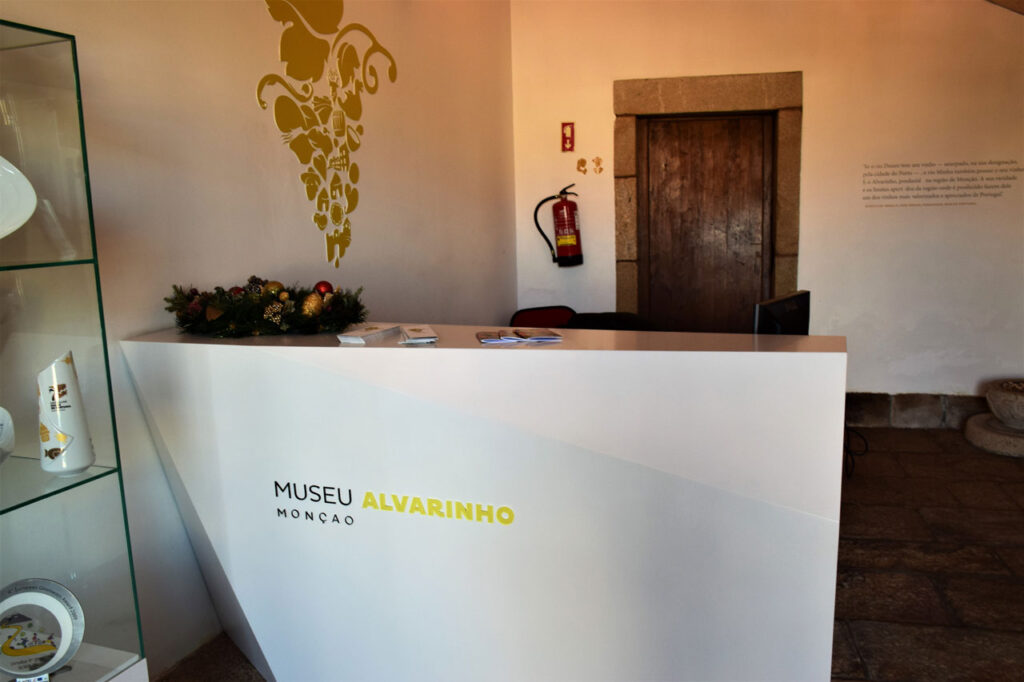
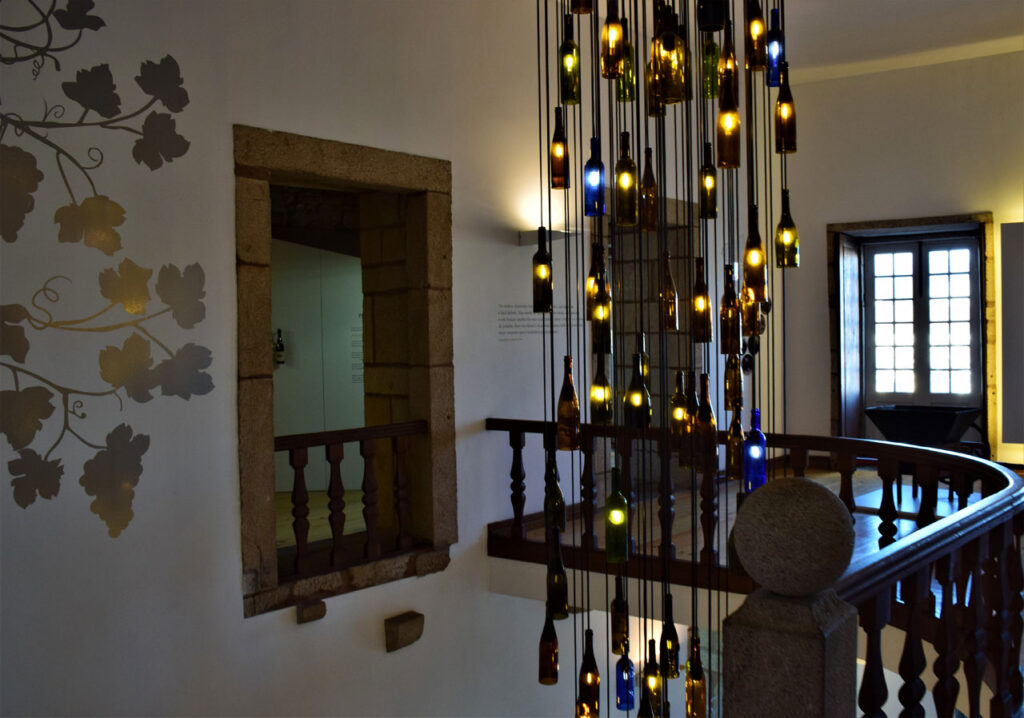
In Monçao we can find an old building that today is known as the Alvarinho museum. In this space, they are in charge of explaining, promoting, marketing and even offering a tasting of Portugal's most famous wine.
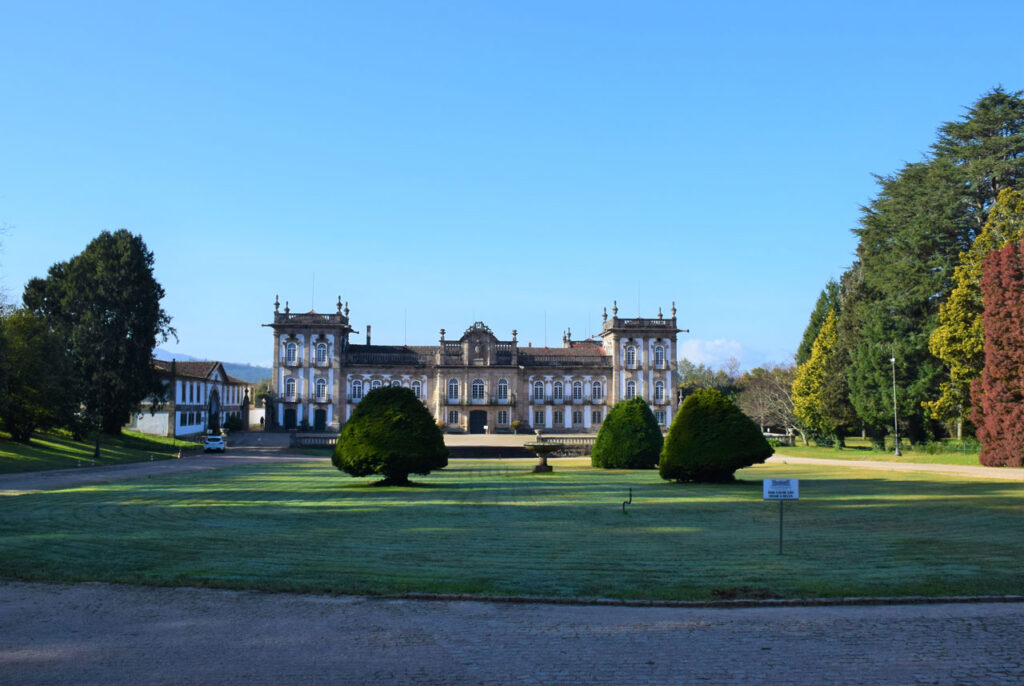
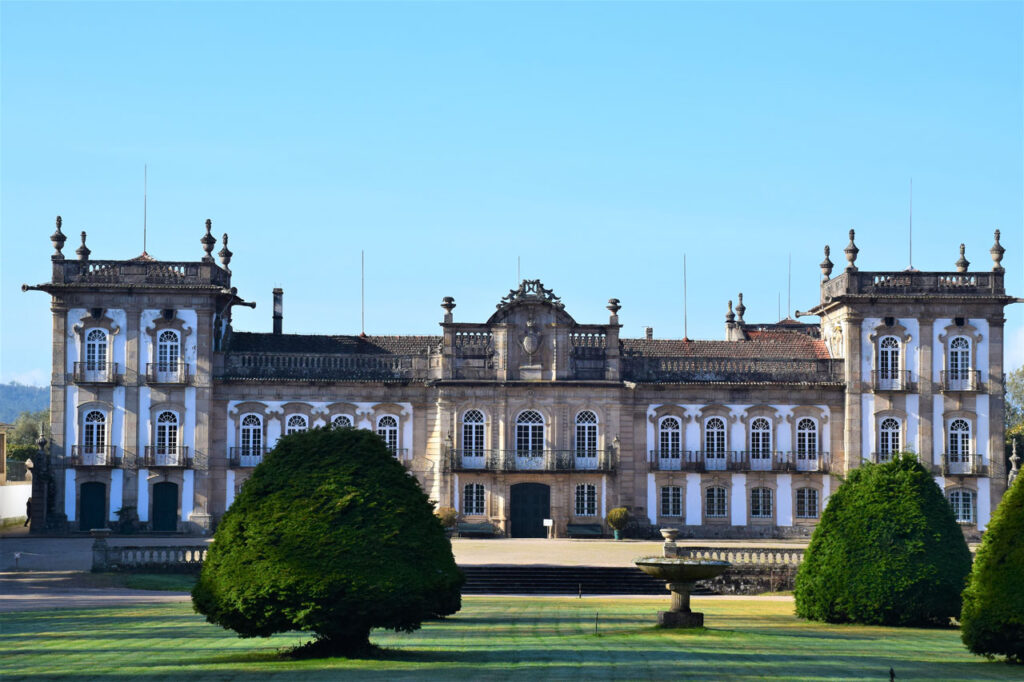
On the other hand, another of the most interesting places to visit in the Minho region is the Brejoeira palace, built in 1834. Designed by architect Carlos Amarante, it is a neoclassical palace that, on the outside, has 18 hectares dedicated to the cultivation of Alvarinho vines. Since 1919, it has been recognized as a National Monument.
Gallery
Location
- Locality
- Monçao
- Municipality
- Monçao
- Province
- Distrito de Viana do Castelo
- Country
- Portugal
The asset
- Type
- Museum
- Eco-destination
- Río Miño
- Environment
- Urban
- Relevance
- International
How to get there
- Access
- By land
- Port
- Pantalán Monção
- Distance
- 2,300 km
The visit
- Visitable
- Yes
- Accessible
- No
- Parking
- No
Coordinates
- Latitud
- 42.07861600
- Longitud
- -8.48179200