


Redes. Port. Seafaring Neighborhood

About this heritage
Redes is a small town in the Ares municipality in the A Coruña Province. Like any self-respecting seafaring village, it has its own port, and although small, it has a boat roller ramp for off-water docking.
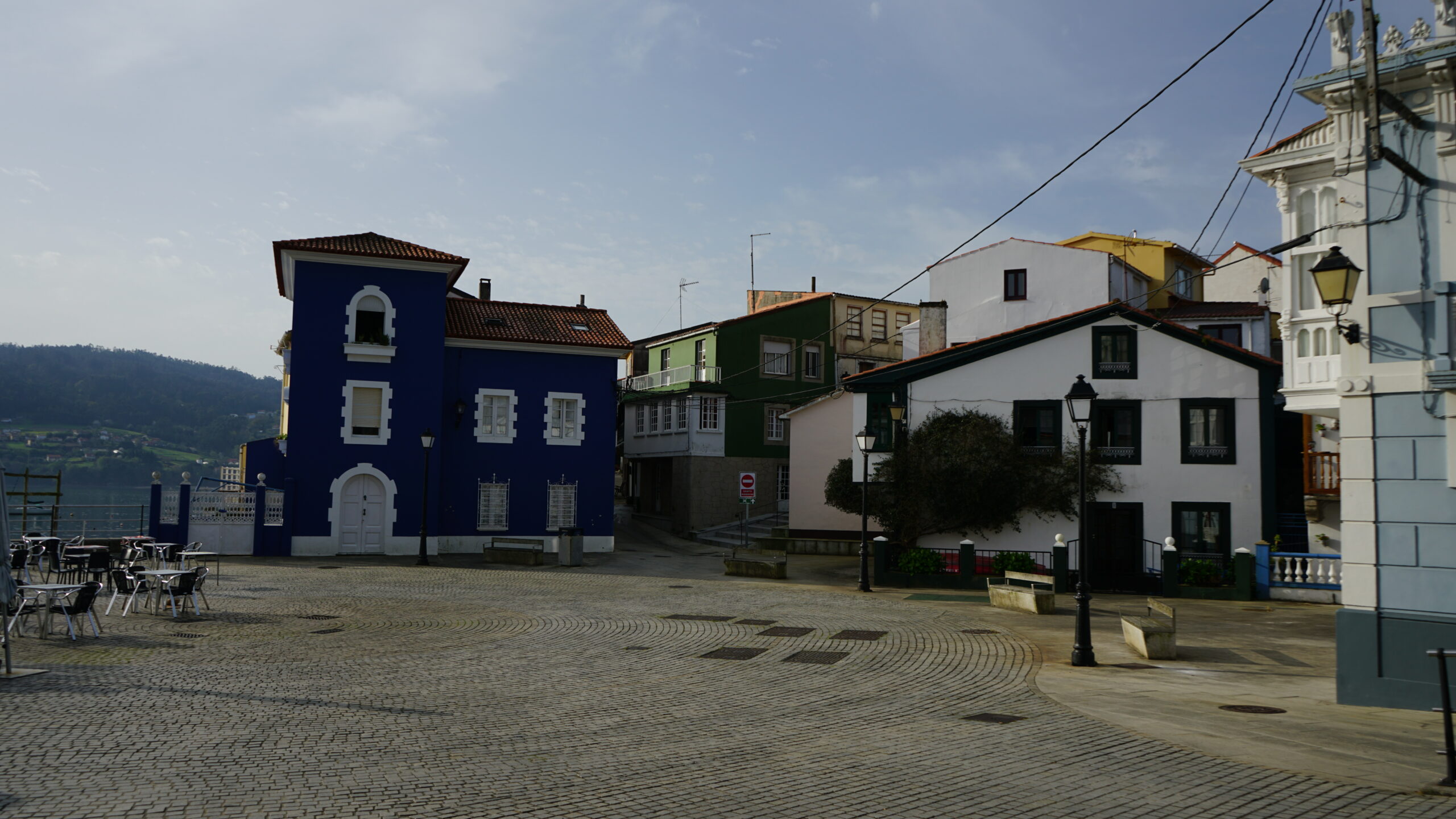
The heart of Redes revolves around Pedregal Square and its port. From this square, we can access Castelo Point and perceive the true essence of the traditional seafaring houses of the village.
Redes preserves many Indian-style residences, which contributes to the picturesque colorful scenery that does not go unnoticed.
The name of this village comes from the traditional customary practice of hanging the nets to dry after a fishing day in the rich waters of the High Estuaries (Rías Altas).
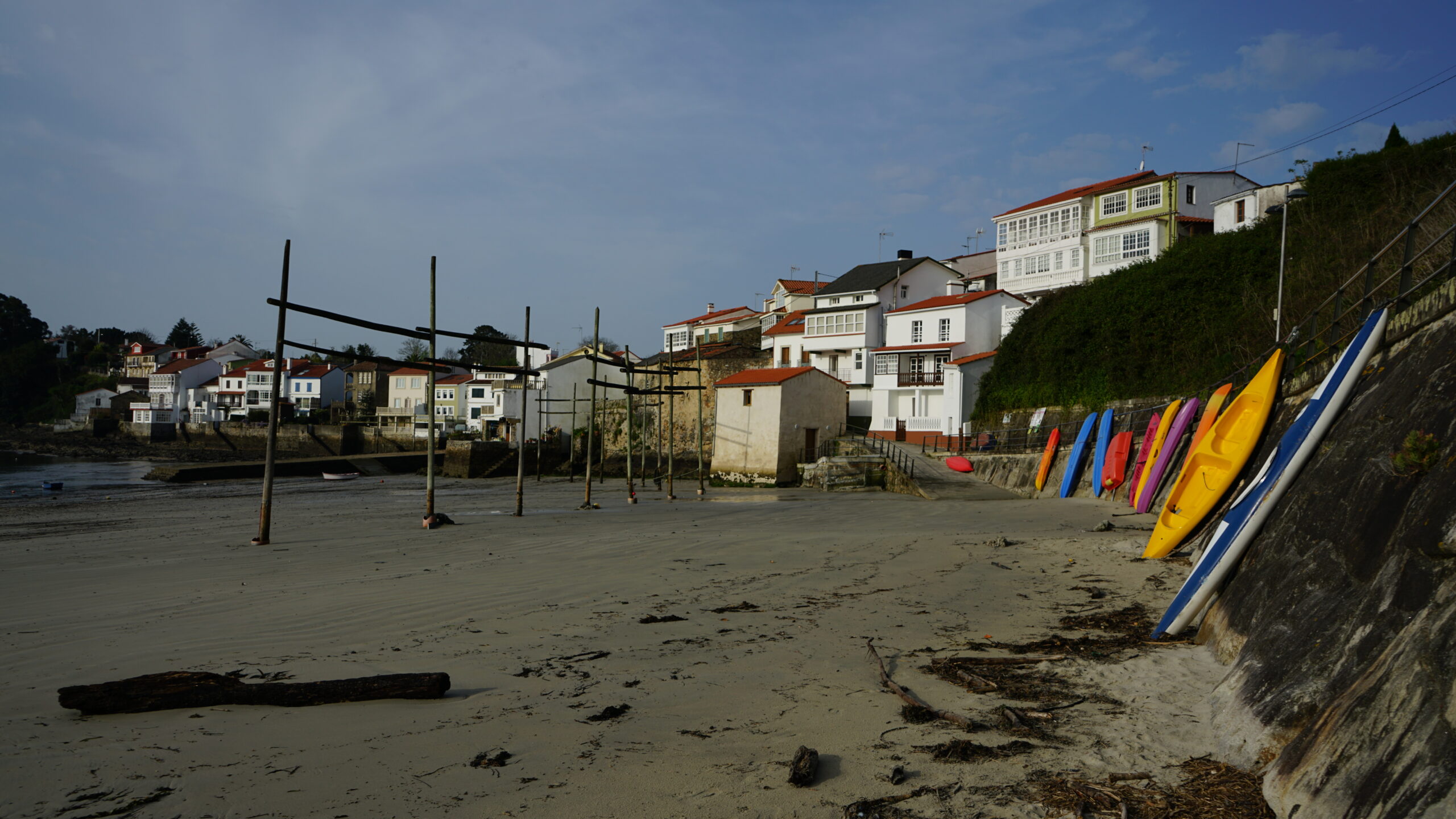
The Area Morta beach is the Redes semi-urban sheltered beach of fine sand and 210 meters in length, where visitors can unwind and relax after touring this tiny but charming seafaring village.
Redes has been the set of many films, video clips, and television series.
To learn more
Redes is a tiny seafaring village and owes its origin to the sea; its name arises from the fish gear used by sailors in their sea crossings, the nets.
In the second half of the 19th century and for half of the 20th century, many of its villagers emigrated seeking a better future to the Americas, specifically, Cuba, Brazil, Santo Domingo, and Puerto Rico. On their return, with a fair cash stash, they built their houses mirroring those of countries where they emigrated; hence, their name, 'Indian houses,' found in the seafaring neighborhood of the village. They built them with noble materials, such as stone and wood, and painted them in bright or neutral colors, such as blues or siennas. The houses hung above the sea, and those overlooking the harbor have stairways to the water since sailors used to moor their boats right by their homes. Visitors can enjoy and appreciate modern constructions in this environment, as well.
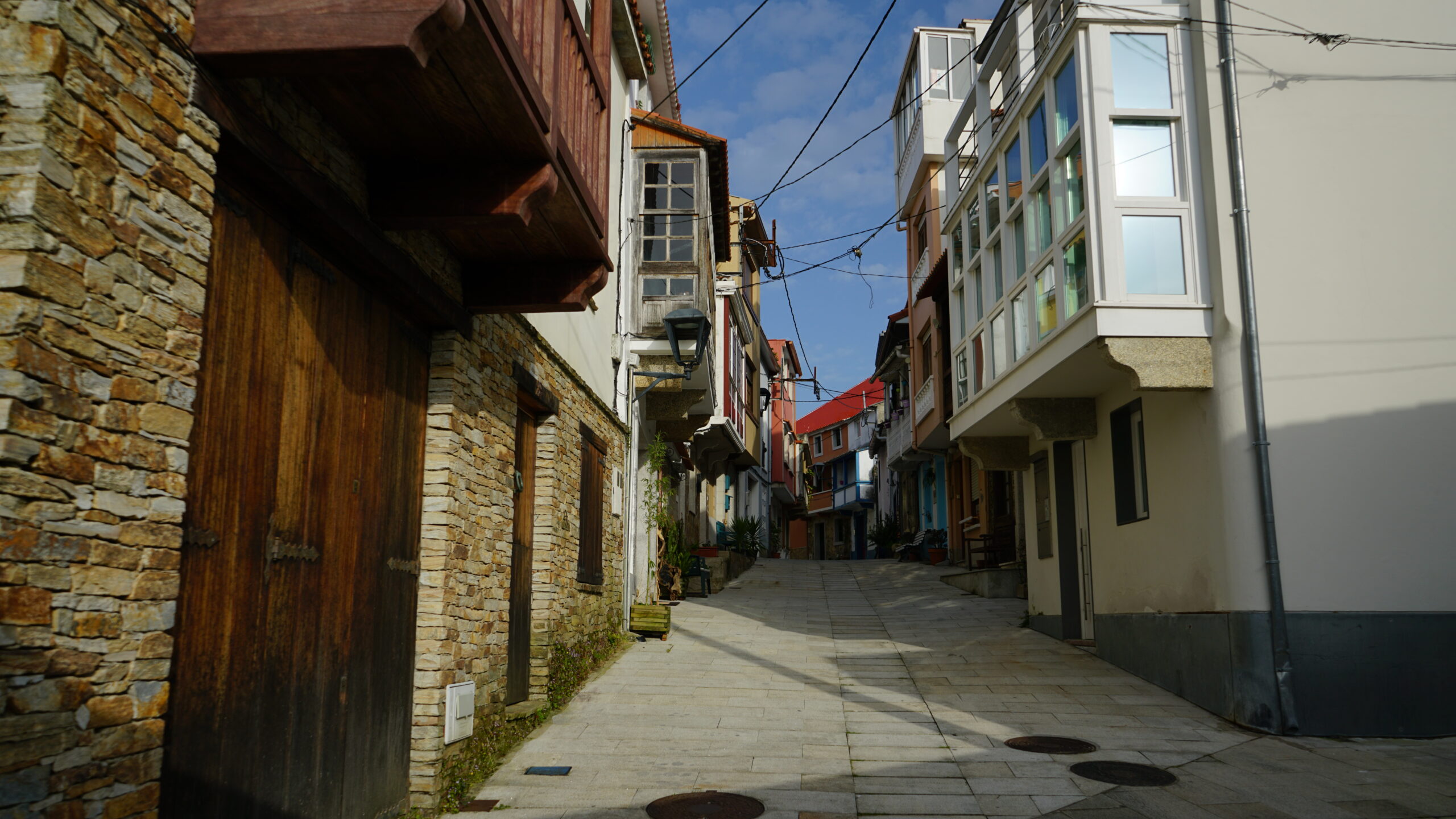
Pedregal Square is the principal square of the village, surrounded by Indian houses, from where one can access the port. In Nova Street (Rúa), visitors can find the most traditional and peculiar houses, making it one of the most stunning streets of the village. This street ends at Castelo Point, an old military battery that defended the region's coast.
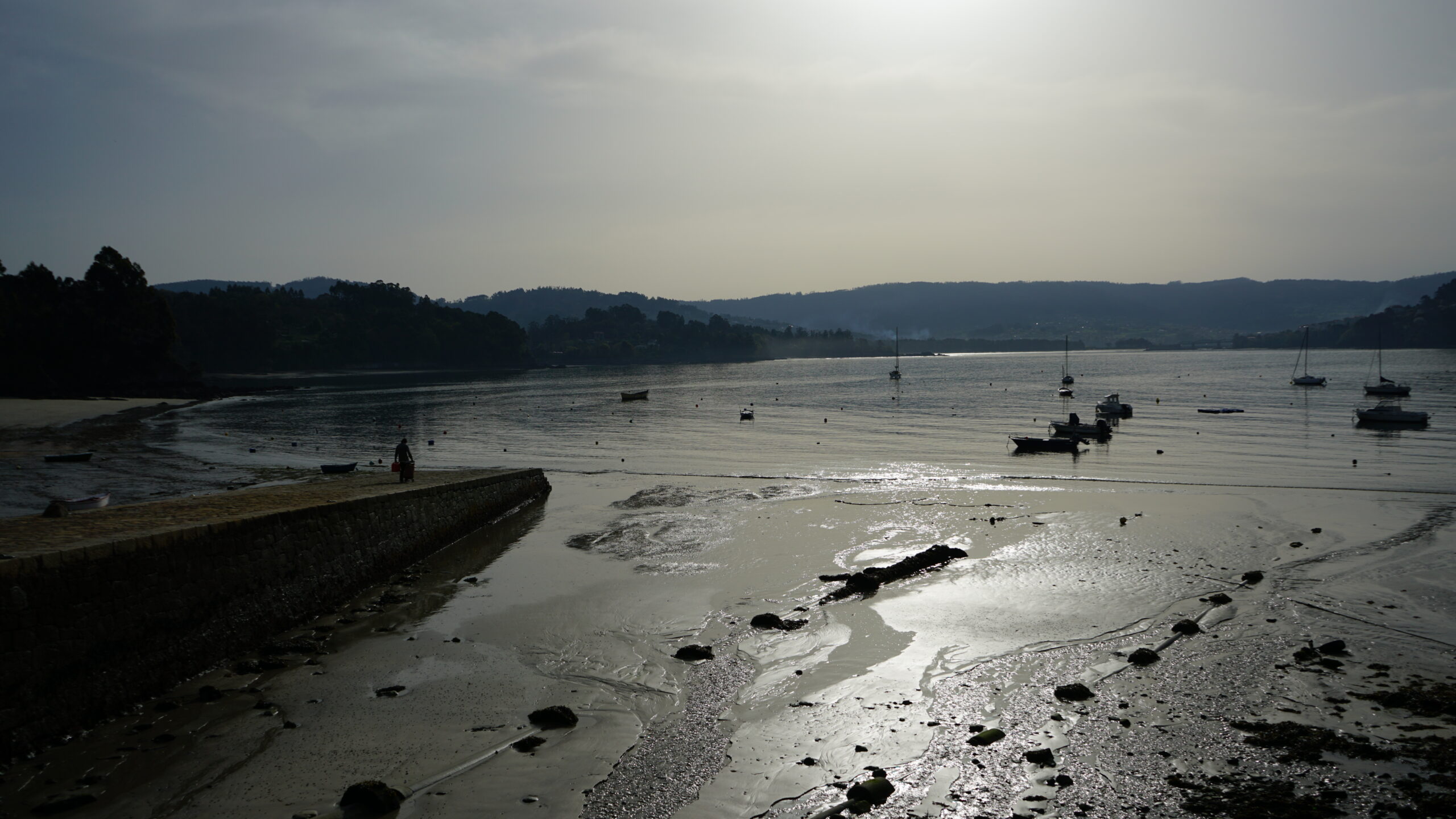
The port is a small pier with a boat roller ramp for off-water docking or a slipway for boat launch into the sea.
The port of Redes owes its name to the multitude of cabrias used and frequently seen many years ago in this locality of Ares. Sailors used these wooden-posts structures to hang the fishing nets to dry, like a drape or curtain, at their return from the daily work of fishing at sea.
They originated in the locality because of the lack of space for this purpose. Villagers celebrate the Festival of La Cabria every August, starting with a demonstration of these structures' use, followed by a sardine feast, and all accompanied by a traditional market, bagpipe music, passacaglias, and basket-weaving and lace-making courses.
The beach of Redes is Area Morta, a small beach accessible from the streets of the village.
Besides, Redes is also famous because it has been the set of many films, such as Silence, later renamed Julieta, by Pedro Almodóvar to graciously concede to Martin Scorsese the original title, Father Casares by the Galician Television, and many TV commercials.
To know it better
In Redes, a small coastal town located in the Camouco parish in the Ares municipality of A Coruña Province, one can find all the charms of a seafaring village and discover many natural places since it is right in the Ares Estuary within the High Estuaries (Rías Altas).
The municipality's name comes from an old anglers' tradition of spreading their nets on wooden stakes (cabrias) to dry them at the port after collecting their daily catches. These wooden structures are still present in this port, and every August, the villagers commemorate this tradition with one of their festivals, called the Festival of La Cabria.
The village is a photographic scenery in itself, with its narrow streets, Indian-style colorful houses from the early twentieth century, such as the Singular Building, and seashore sailor's houses with traditional balconies. The ones by the seashore have their own dock, making Redes Village, the Galician Venice. It has few streets, which facilitates remembering their names: Rúa de Arriba (Up St.), Rúa de Abaixo (Down St.), Rúa Nova (New St.), Rúa do Medio (Middle St.), and Rúa Ribeira (Riverside St.). Besides, the town has a small cape that holds the ruins of the old batteries of an 18th-century fortress used to protect the Ares Estuary entrance.
The port is a small pier with a small boat roller ramp for off-water docking and daily fishing. It offers a magnificent panoramic view of the sailors' houses since all have direct access stairs to the sea.
Redes is a charming village and has been the set of films, video clips, and television series.
Gallery
Location
- Town
- Redes
- Municipality
- Ares
- Province
- A Coruña
- Country
- Spain
The asset
- Type
- Port
- Eco-destination
- Rías de Ares y Betanzos
- Environment
- Rural
- Relevance
- Local
How to get there
- Access
- By sea
- Distance
- 0 km
The visit
- Accessible
- No
- Parking
- Sí
- Signposted
- Yes
Coordinates
- Latitud
- 43.424132219433666
- Longitud
- -8.20325168237421