
Marín. Shipyards and Port. Boat Training Center
About this heritage
Marín has been a First Class maritime district since 1868 and has the service of numerous European and South American consulates because of the significant commercial and migratory movement. It has a large bay that extends from Pesqueira Point to Placeres, and its value as a maritime communication route dates back to Roman times.
The estuary of Pontevedra began its commercial and industrial take-off in the mid-18th century when salting and canning industries established in the area, as well as other maritime activities.
Marín was also the starting point of the migratory movement towards the new routes of America. The company Trasatlántica had a service to Montevideo and Buenos Aires on the 2nd of every month.
In 1883, the Pontevedra City Hall requested Marín Port to be considered of general interest, which happened on 30th August 1886.
In the Marín Port, there is also the Aixola Training Centre, a center dependent on the Sea Council and managed by the Sea-Foundation Technological Center (Centro Tecnológico del Mar-Fundación) CETMARD. Created in 1997, its activity aimed at people who are unemployed and want to continue working in other jobs related to the marine sector.
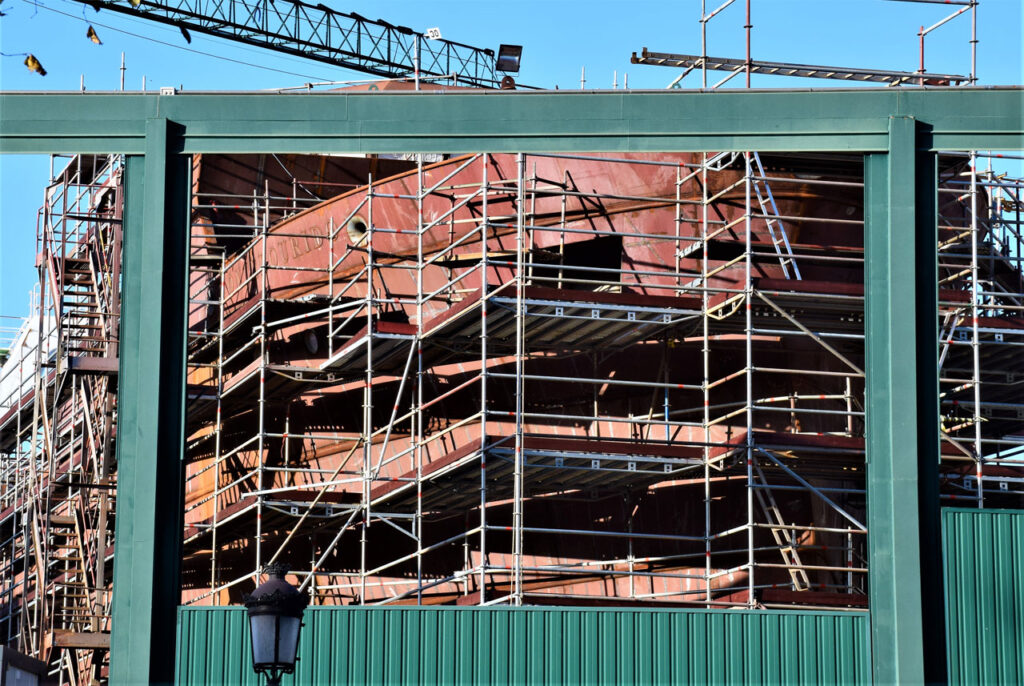
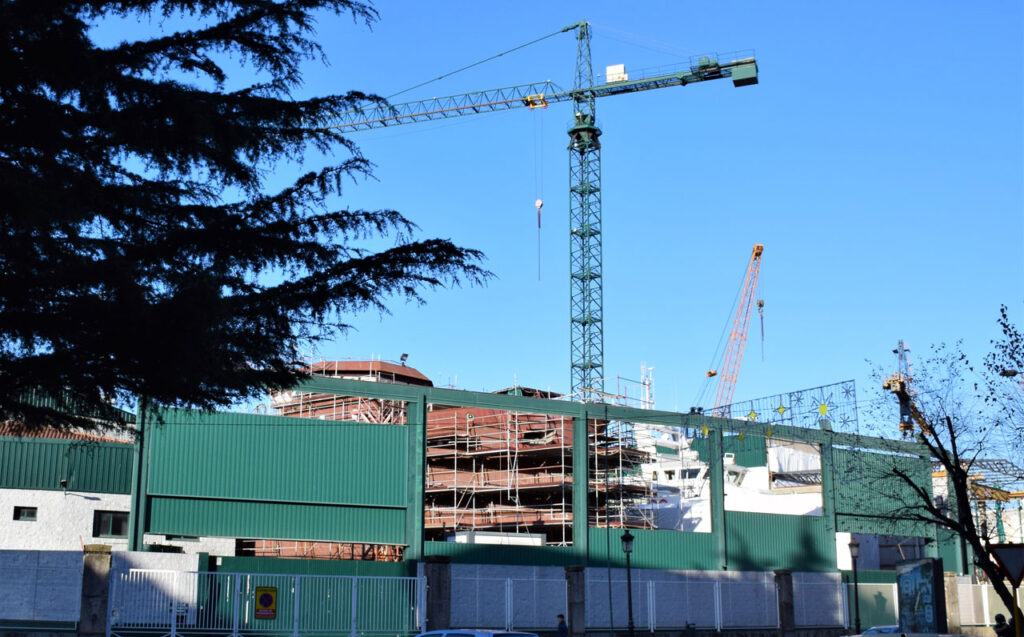
This Port has shipyards, where work related to the construction, launching, and delivery of ships is carried out. Besides, there are essential sections dedicated to modernization, repair, and maintenance of ships.
To learn more
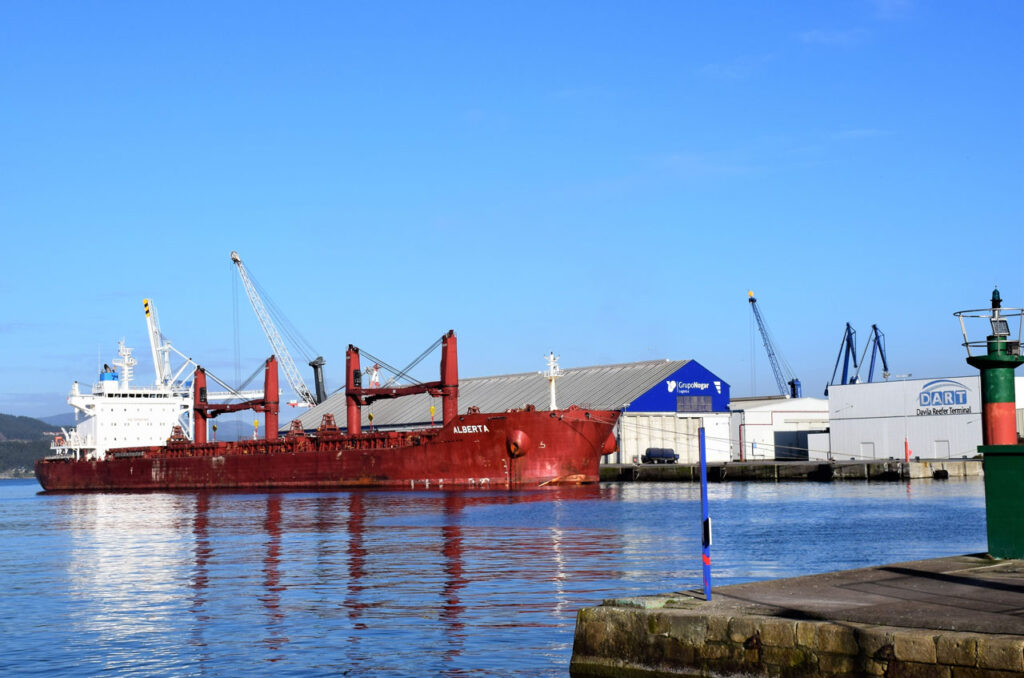
Marín Port has numerous services and facilities, such as a modern fish market with a show and salesrooms, as well as a private covered terminal, which allows loading and unloading, which is a pioneering infrastructure in Spain. The port also has seven thousand meters of railway tracks that allow loading and unloading right by the docks.
It is also a port of entry for goods coming from third countries. Therefore, it has a customs inspection post, which provides the necessary tools to perform quality controls to officials of the "Health and Foreign Affairs" and "Animal and Plant Health."
This Port has more than 100,000 square meters of esplanade as a container terminal, with five hundred meters of mooring line and fourteen meters of draught. This terminal connects directly to the country's principal railway network and has wash and repair zones for the cargo containers.
Besides the services already mentioned, the port has an agri-food bulk terminal, a fruit terminal, refrigerated warehouse, and other infrastructures, such as shipyards, slipways, ice factories, fuel supply, among others.
On the other hand, the vessel-training center offers many areas of work to its students, such as the Naval Composites area, in which polyester and multiple types of fibers are handled, as well as wood, sailing, and nets areas, among others.
To know it better
In Marín's city hall, the NODOSA shipyard stands out because since 1982 has only developed and provided further service. This company is in charge of building and repairing ships while functioning as a mechanical workshop. About the maritime sector, since 1997, Marín has the Training Center "Aixola," which is considered a reference for sea-related jobs.
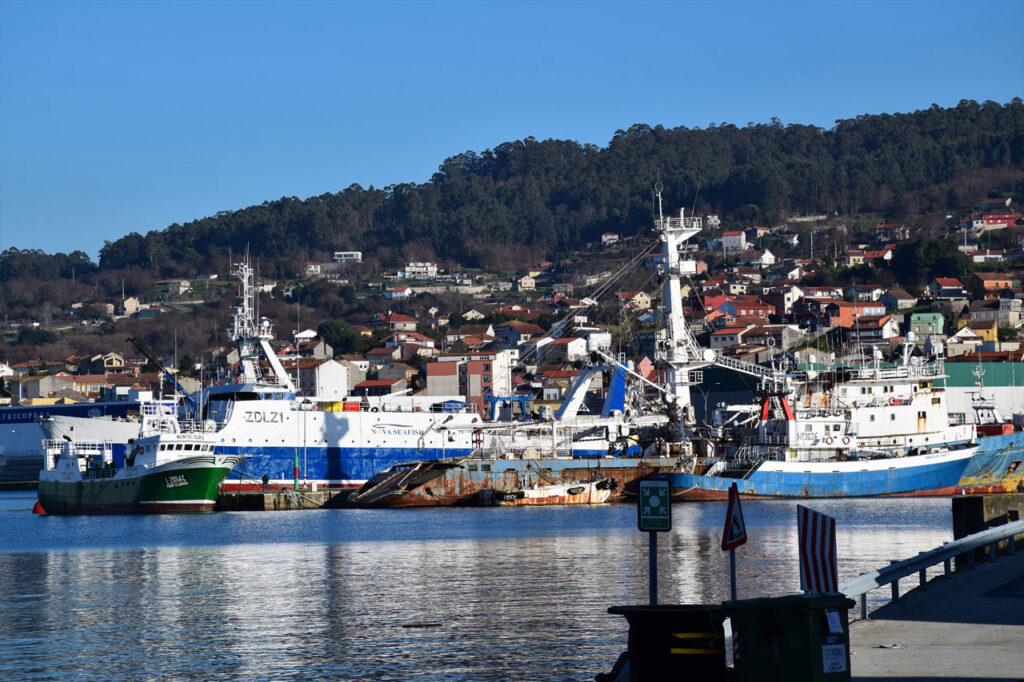
Because of the ships that anchored around it, Marín was known as San Xiao de Ancorados. This seafaring town is in the Pontevedra province within the South Estuaries (Rías Baixas), specifically in the Pontevedra Estuary. Thanks to its location, Marín Port has quality marine products, such as crayfish, soles, robalizas, turbot, cuttlefish, octopus, sardines, spider crabs, crabs, and clams, among others.
Gallery
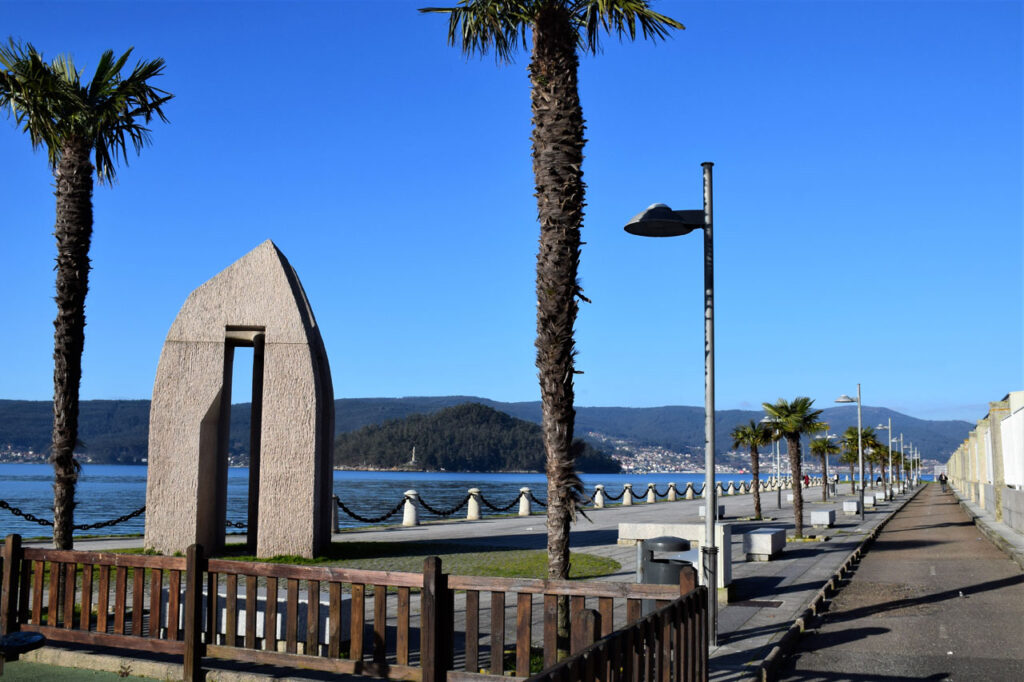
Location
- Town
- Marín
- Municipality
- Marín
- Province
- Pontevedra
- Country
- Spain
The asset
- Type
- Shipyards
- Eco-destination
- Ría de Pontevedra
- Environment
- Urban
- Relevance
- Regional
How to get there
- Access
- By sea By land
- Port
- Puerto Marin
- Distance
- 0 km
The visit
- Accessible
- No
- Parking
- Sí
- Website
- apmarin.com/es_puerto.html
Coordinates
- Latitud
- 42.394160
- Longitud
- -8.696100