


South Mallorca
Cruises and experiences
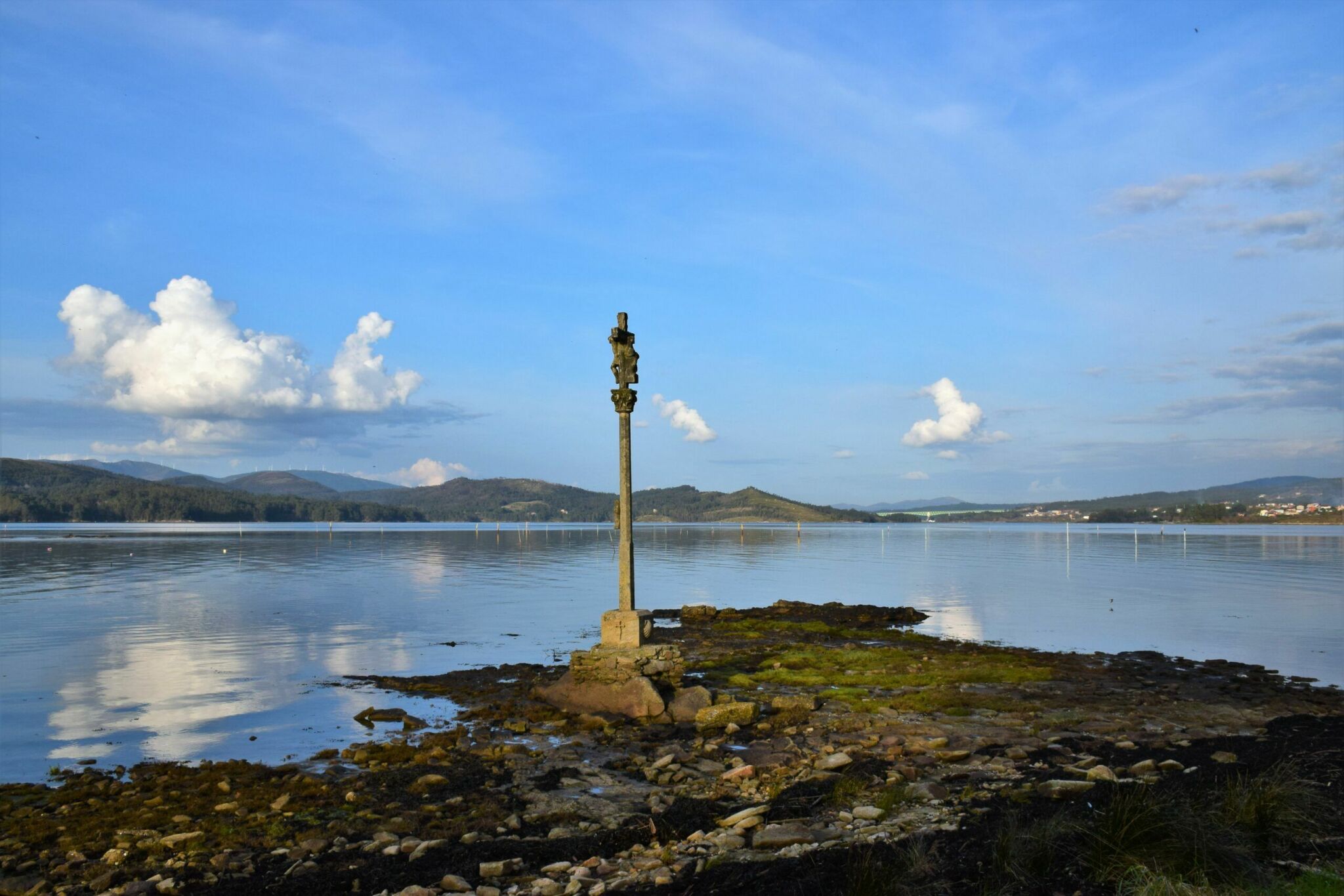
We leave the port of Carril to reach the island of Cortegada and discover all the points of interest within it. The route will be carried out in an inclusive way, nature itself will be used to develop it. Once the route on the island is over, we will return to land to begin the […]
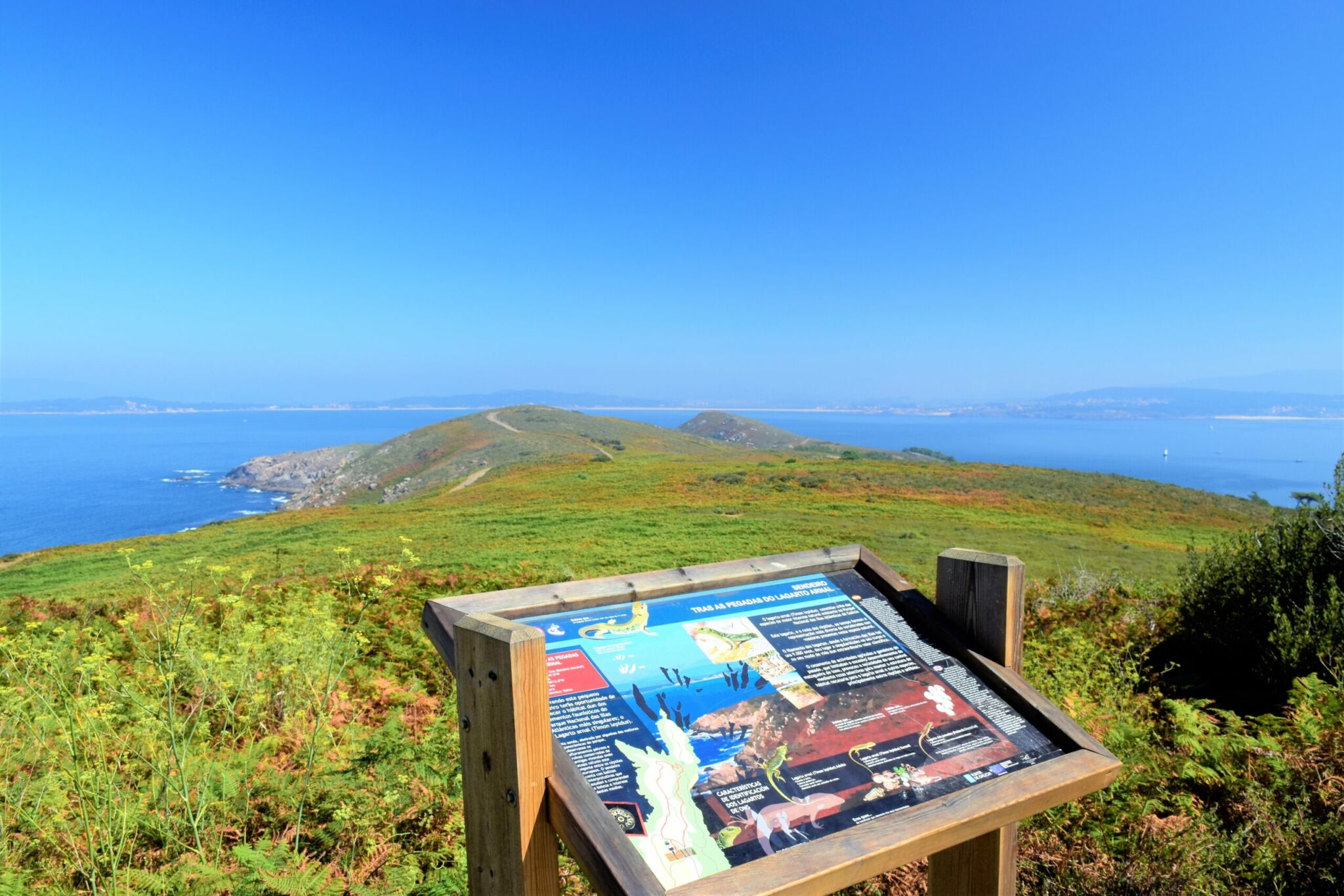
Known as South Bislandia and North Bislandia by one of the former lighthouse keepers of Sálvora, who witnessed their last tales, these sister islands are still protecting today from the heart of the South Estuaries (Rias Baixas) the entrances of the Pontevedra and Arousa estuaries, respectively. The two islands are full of legends, tradition, and […]
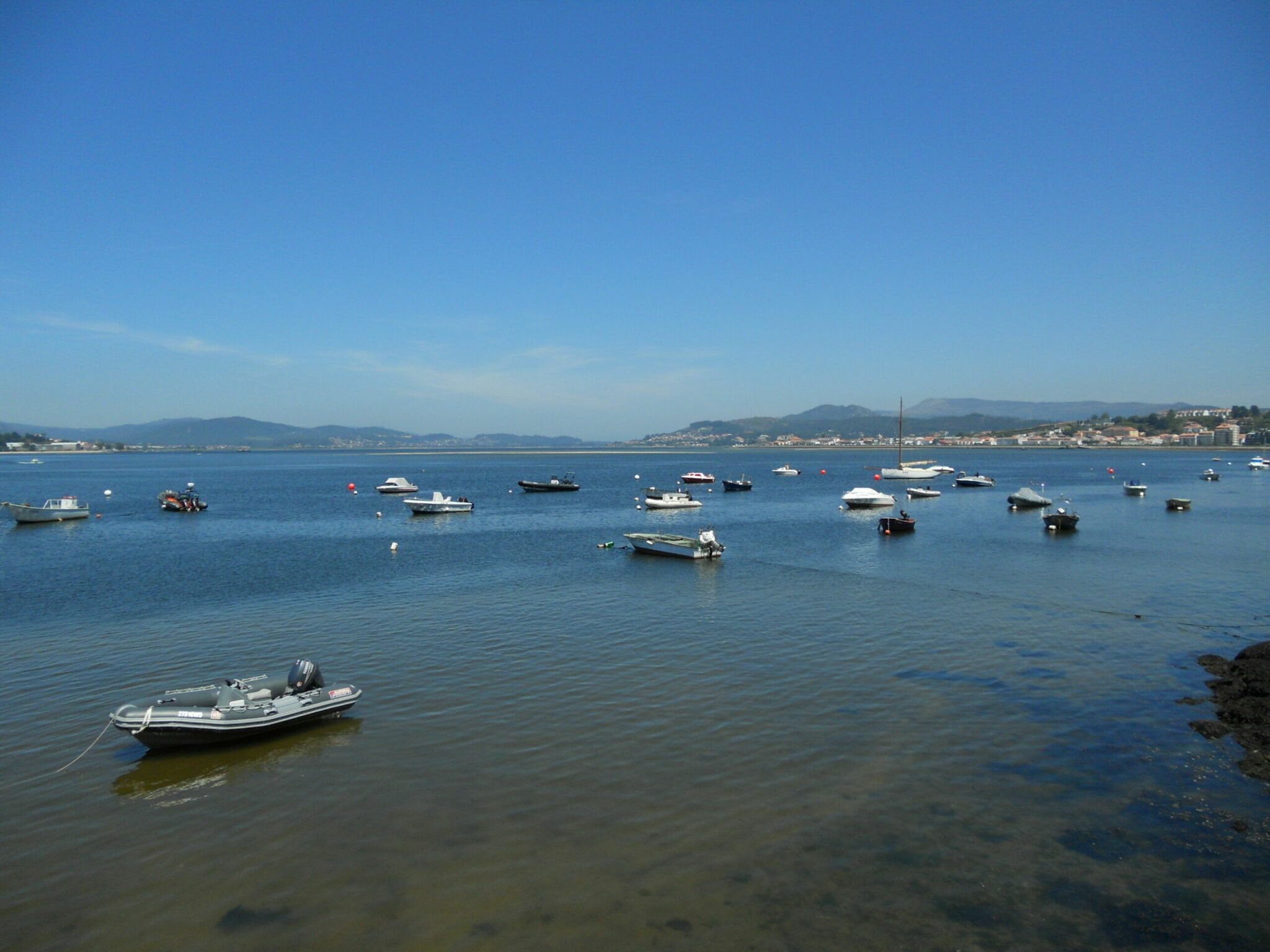

Making the Islands of Ons itinerary will make us enjoy sailing the landscape and, thanks to the augmented reality application, we will know the places where the Phoenicians were doing their trade and the tin producing centres (Casitérides). Ons Islands are part of the only National Park in Galicia that is called the Maritime-Terrestrial National […]
Ports


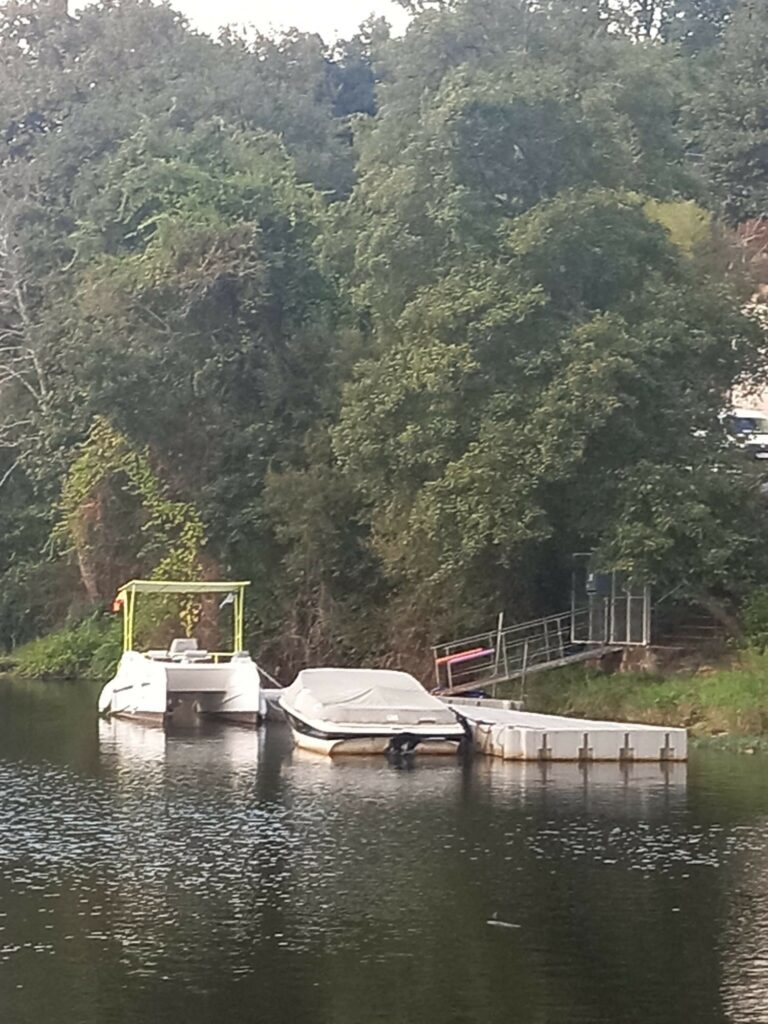
Quiet marina, ideal for water sports. Close to Santa Cruz and Candelaria.
The pier is located on the Ebro River in the municipality of Flix, inside the Flix reservoir. It is situated in the heart of the municipality of Flix in an area rich in cultural heritage and a privileged natural environment, ideal for fishing and other water sports. From here, you can enjoy the waters of […]
Heritages
- Arousa Estuary
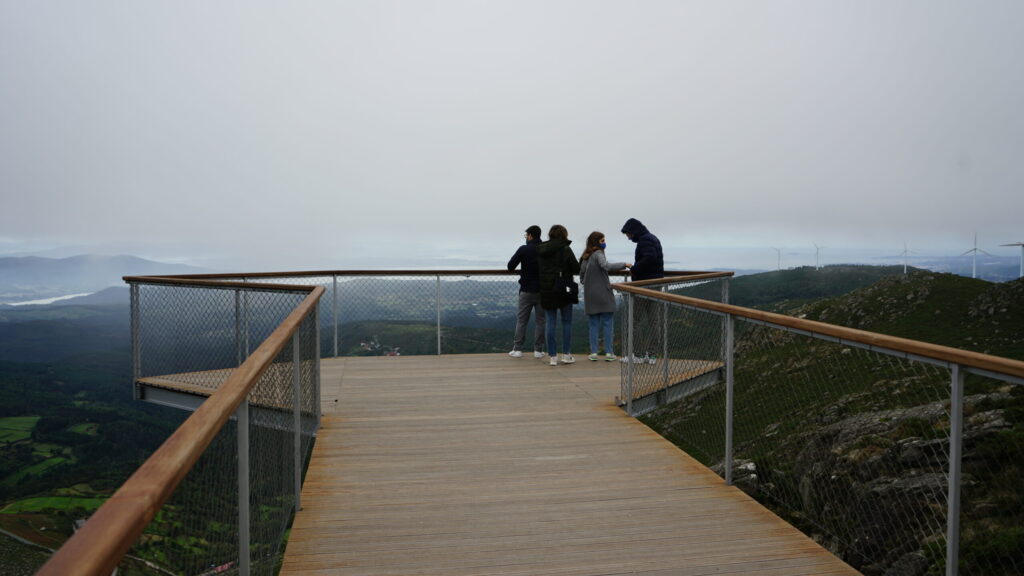
El mirador Pico da Muralla está situado en la parroquia de Araño (Rianxo), en la parte más alta del monte da Muralla. Cuenta con una altitud de 678 metros por encima del nivel de mar
- Ebro River – Aragón
The Renaissance palace built in the 16th century by the all-powerful Luna family. It is surrounded by spectacular gardens and today serves for weddings and events, but also opens its doors to the public by
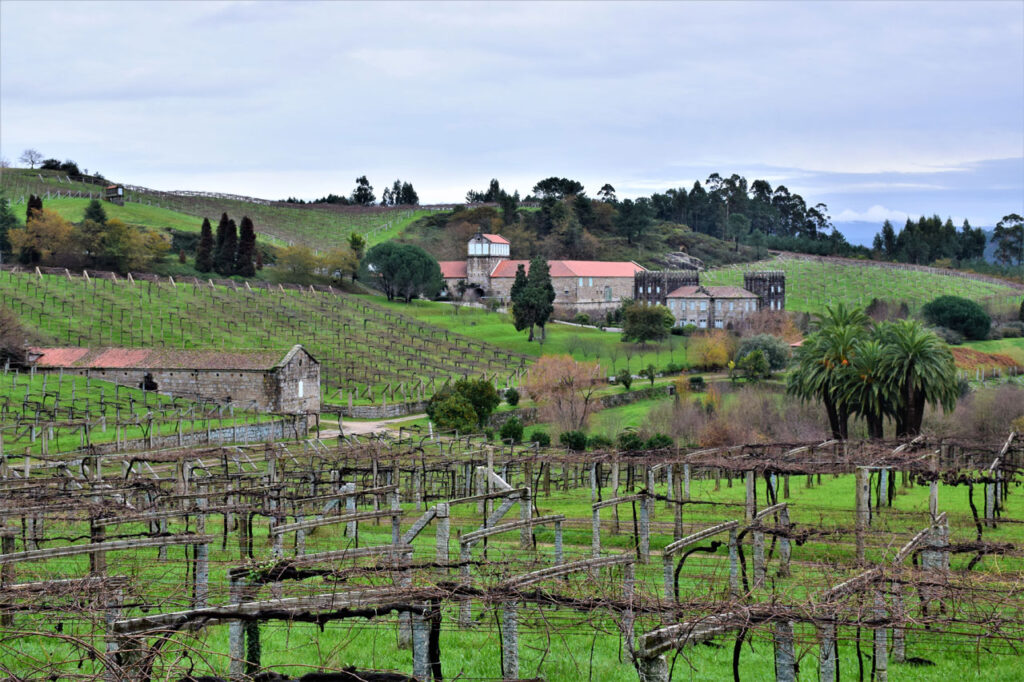
- Arousa Estuary
En la parroquia de Baión, Vilanova de Arousa, se encuentra una propiedad rústica con identidad propia que, hoy se dedica a la producción de vino Albariño: el Pazo Baión. Las 287 hectáreas que lo rodean
- Miño River – Lugo
Roman wall 2 km long, declared a World Heritage Site, main historical symbol of Lugo.
- Miño River – Ourense
Romanesque church transitioning to Gothic from the 13th century with significant 19th-century renovations. It features an interesting Romanesque portal transitioning to Gothic with a clearly pointed semicircular arch and a tympanum of traditional Romanesque shape
- Tajo River- Alagón – Extremadura