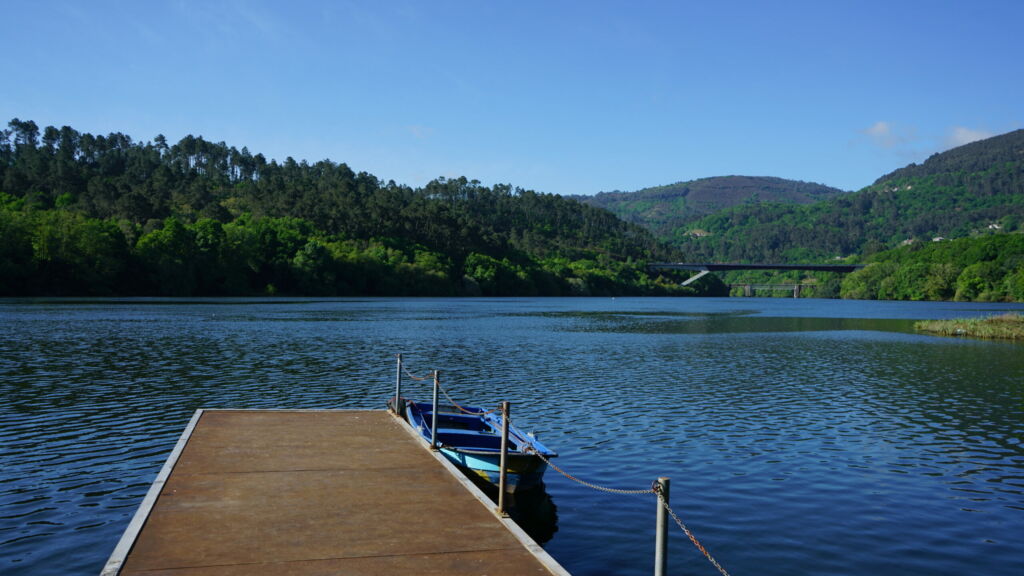
This cruise will allow you to discover the Ribeiro Region with its famous and historical wines through nautical routes along the Miño River. All this while resting in one of its thermal water spas. The Region of O Ribeiro is famous for its hot springs that have been enjoyed since Roman times. Nowadays, several balenarios […]
The Cíes archipelago on its east side, looks at Ría de Vigo and touches the sea with the sand of its beaches. The complex formed by the barrier of Rodas Beach, chosen and classified as the best among the 10 most beautiful in the world, stands out for its geomorphological and biological importance, according to […]
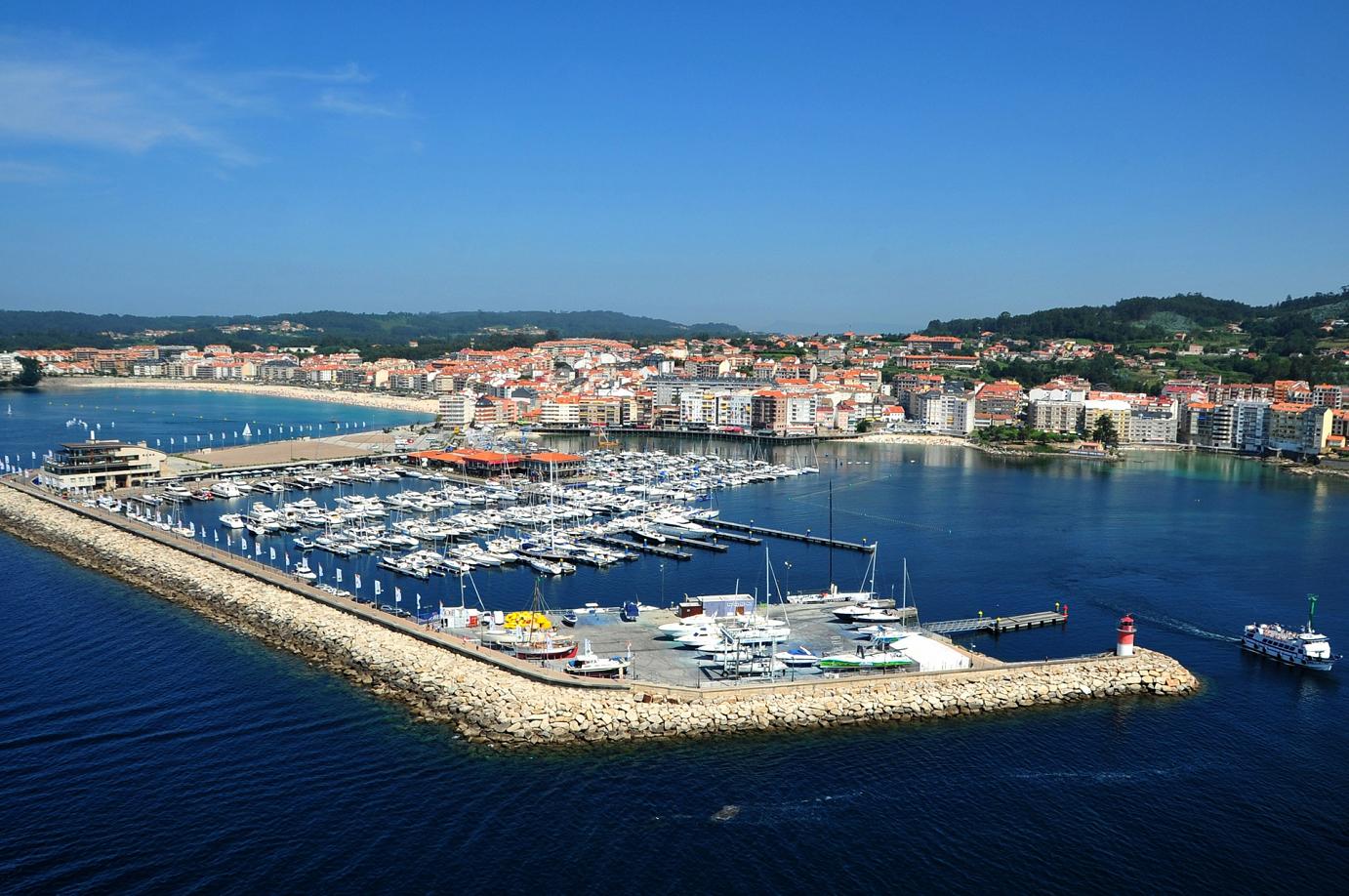
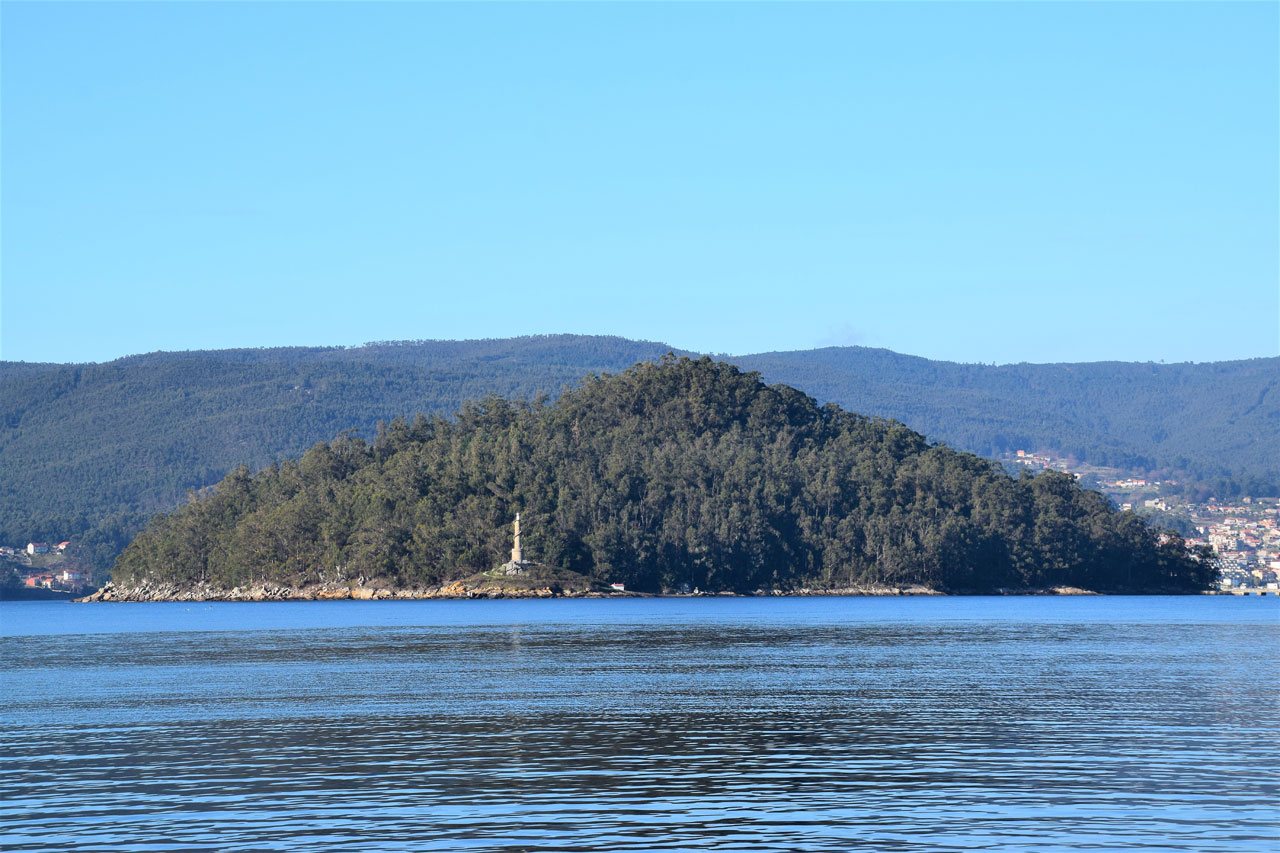
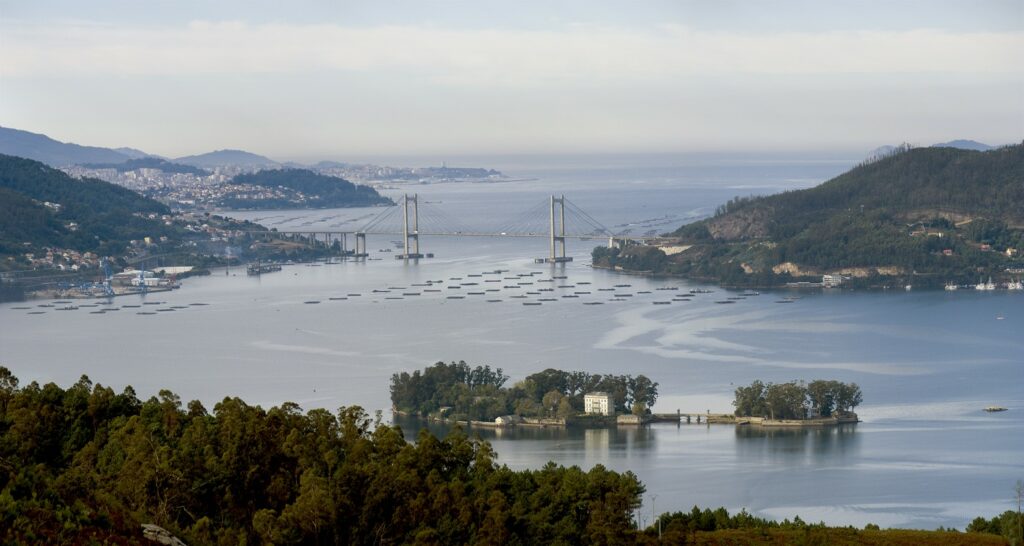
We invite you to embark on a special route to the interior of the Pontevedra Estuary to discover its magnificent treasures, from the little Island of Santo to the unique Tambo Island, approaching the Military Naval School and the port of Marín. You will visit the lovely old town of Combarro and its typical seafaring […]
It is a natural fluvial beach with an extension of 700 meters, white sand of fine grain, with salt and fresh waters exchange according to the tidal oscillation. In general, it has calm waters. It belongs to the Natural Area Natura 2000 Network.
Las pesqueiras son espacios creados en los ríos para pescar sobre todo la preciada lamprea. La lamprea es un pescado azul y uno de los primeros vertebrados en la Tierra, incluso anterior a los dinosaurios
Badón Castle, or “Castellet,” is an ancient fortress located in Fayón on a rocky promontory. Of medieval origin, it was used to control passage along the Ebro River and retains remains of walls and a
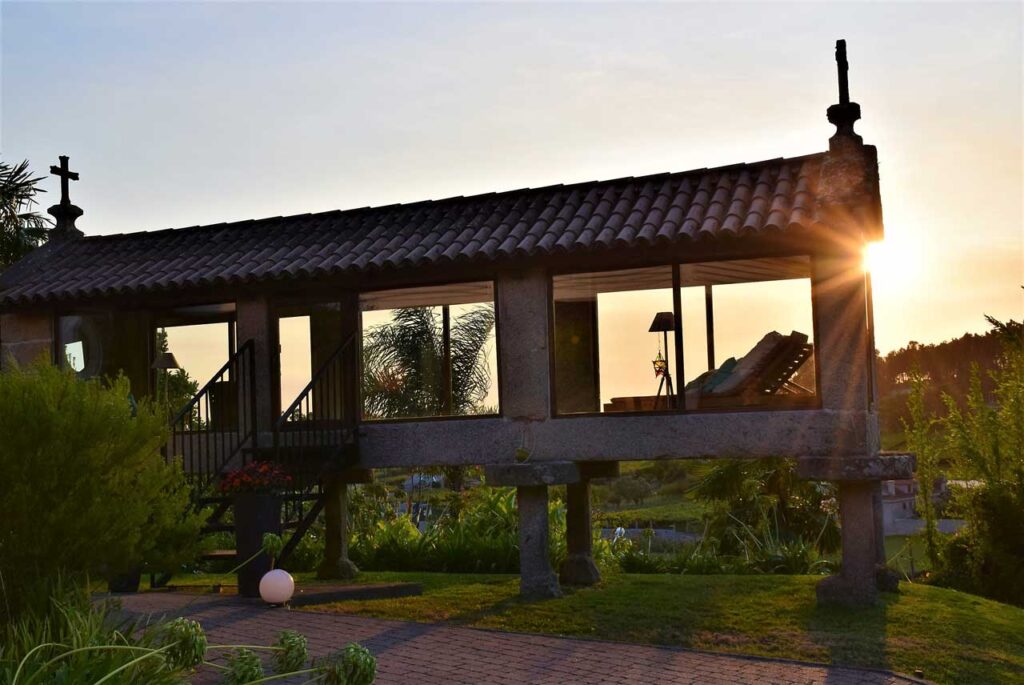
Quinta de San Amaro is a Hotel Restaurant located in Meaño, a municipality in the province of Pontevedra and part of the Salnés region, the birthplace of Albariño Wine and the Rías Baixas Designation of
The Termas de Chavasqueira are one of the most emblematic thermal spaces in Ourense, located on the banks of the Miño River and a short distance from the city center. Inspired by the Japanese style,
Cova da Moura, located near the Castillo de Laias in the Ourense municipality of Cenlle, is an underground gallery excavated by the Romans. This gallery, about 40 meters long, was built to channel water used