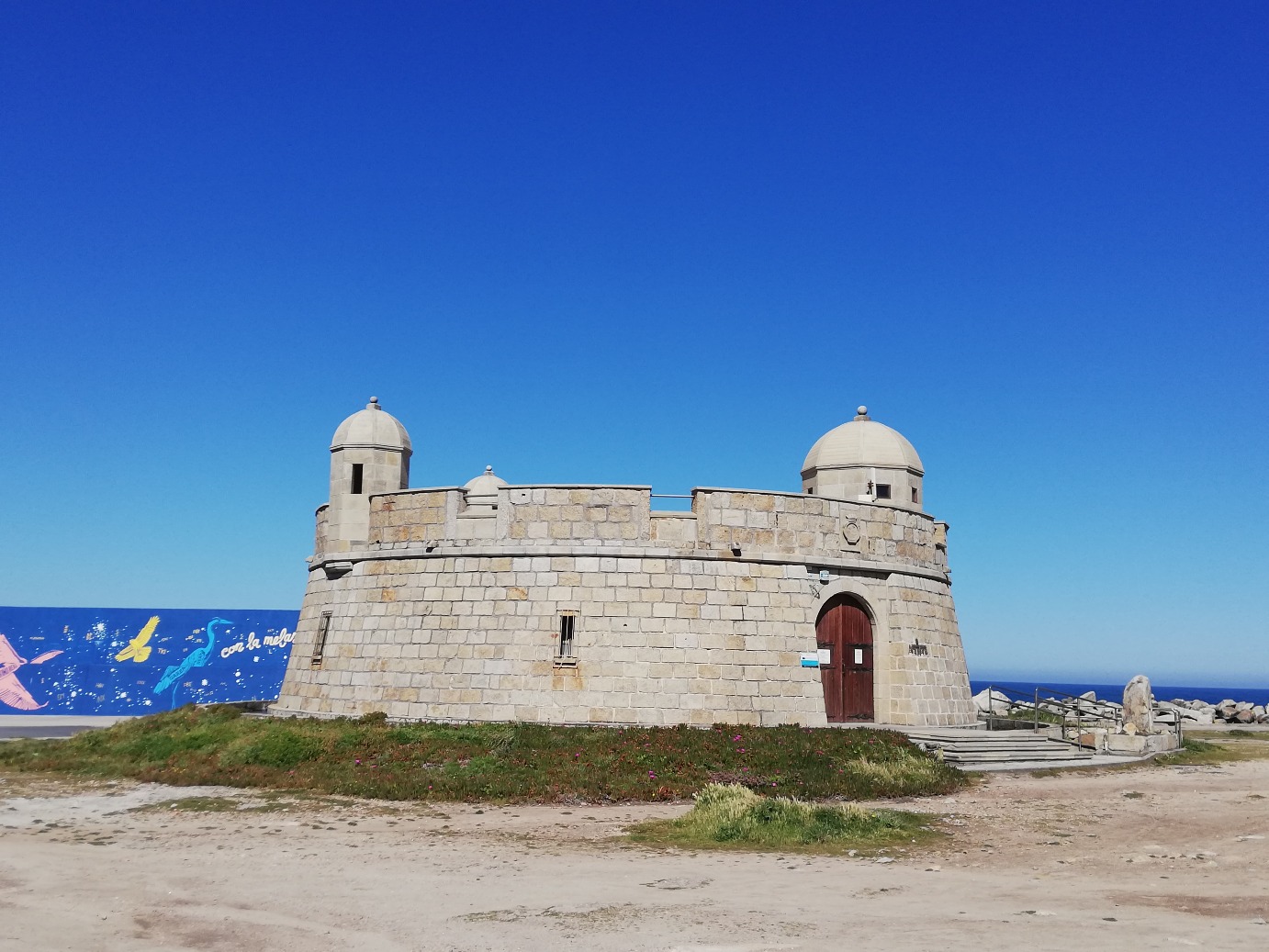
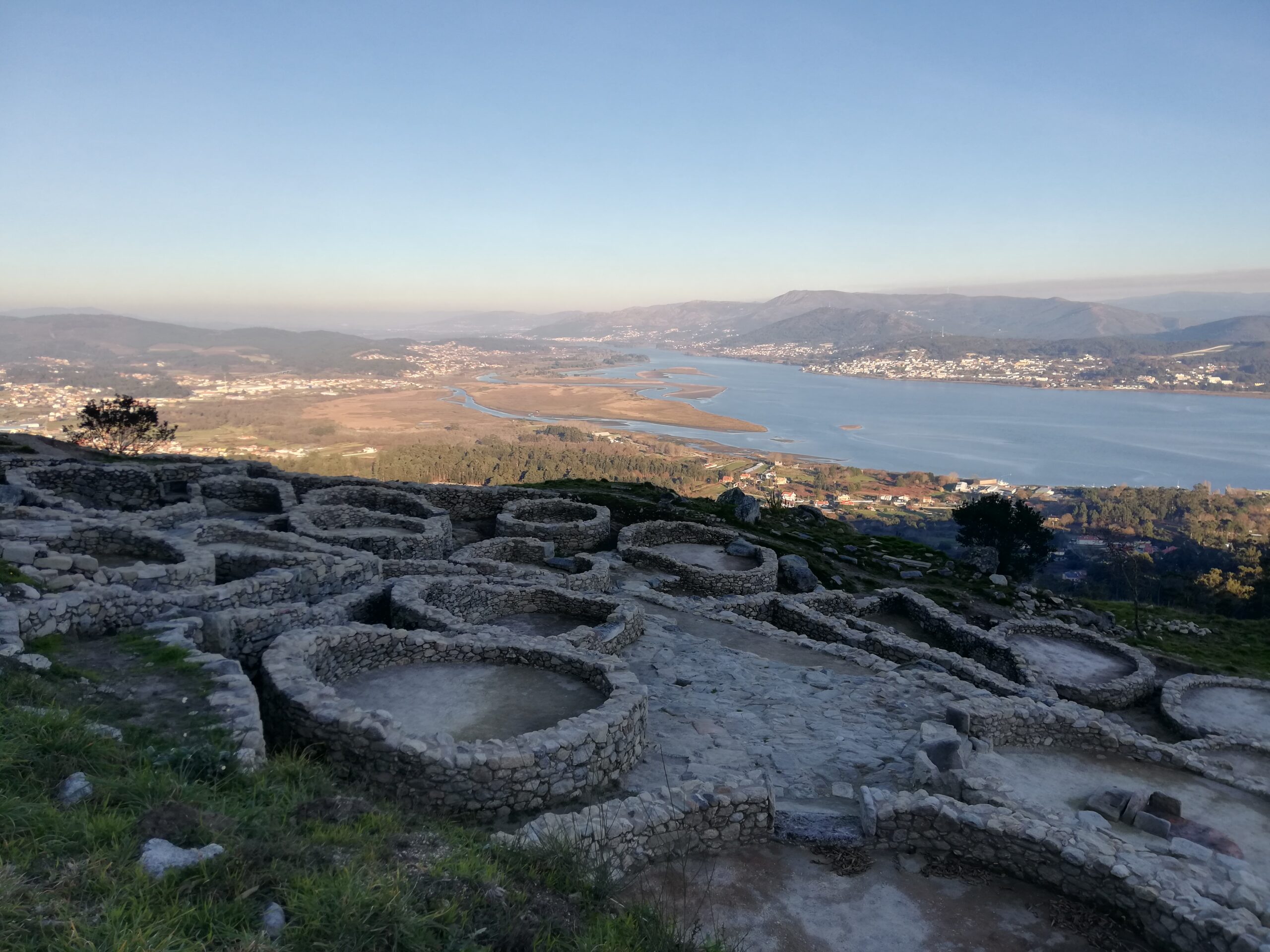
With this route we will get to know O Serrido Beach, San Sadurniño Tower, A Toxa, Illa de Arousa and O Carreirón Natural Park. We will also get to know the rest of the points of interest in the environment, the maritime signalling, the different fishing gear and the rafts. Once the boat ride is […]
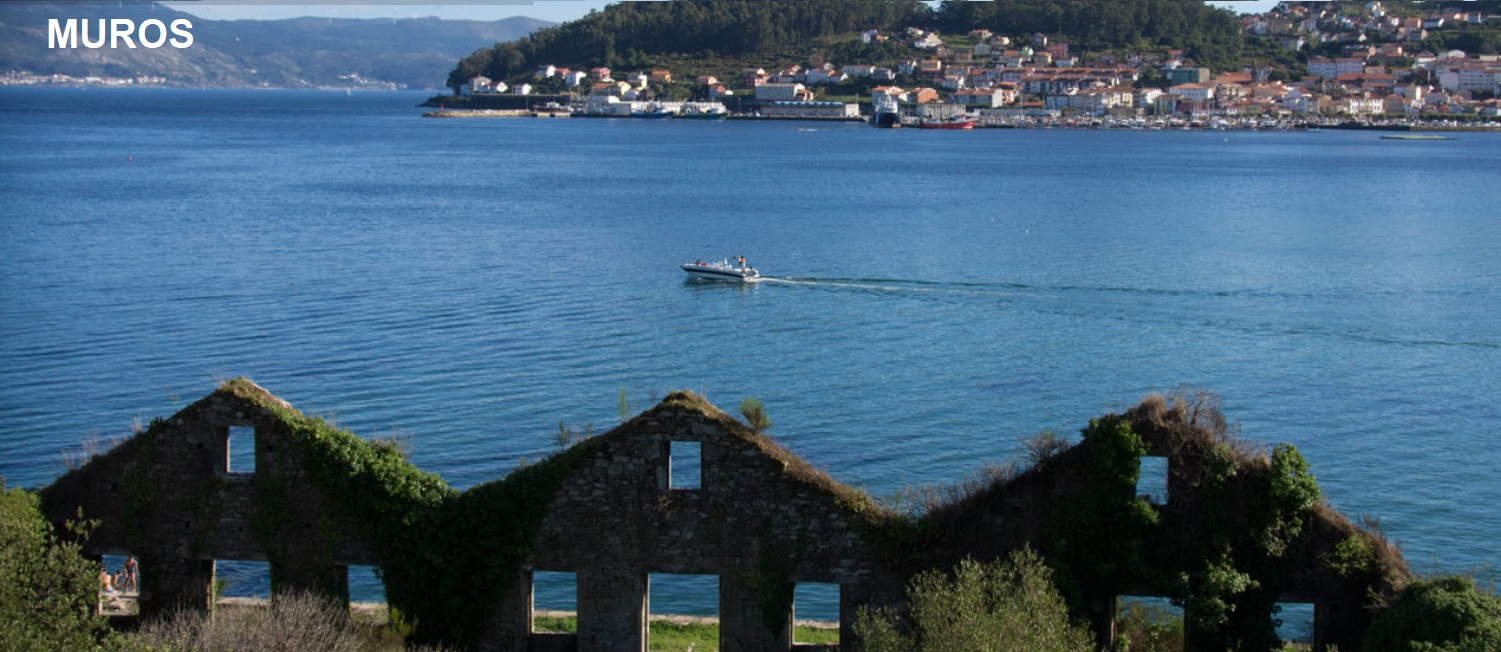
Ride in a semi-rigid speedboat (light motor boat) through the points of interest of the Concello de Muros. Panoramic views of the historic center and the facades with galleries of the houses from the sea, the mill of the tides, an explanation of the capture of bivalves in the sandbanks, navigation to Montelouro, explanation of […]
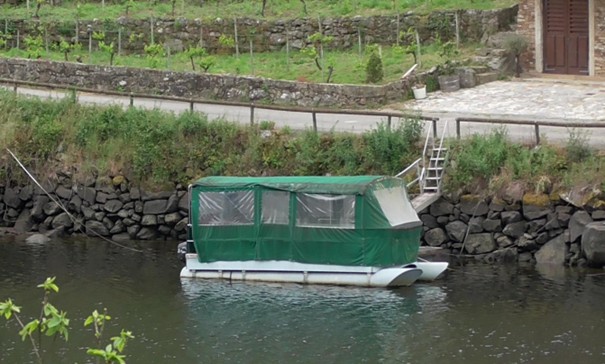
The surroundings of the San Bartolomeo dock are characterized by the presence of the Miño River and the terraced vineyards that cover the mountain slopes. This viticultural landscape not only offers exceptional scenic beauty but also reflects the effort and tradition associated with grape cultivation and harvesting. During the harvest, the difficulties of transporting on […]
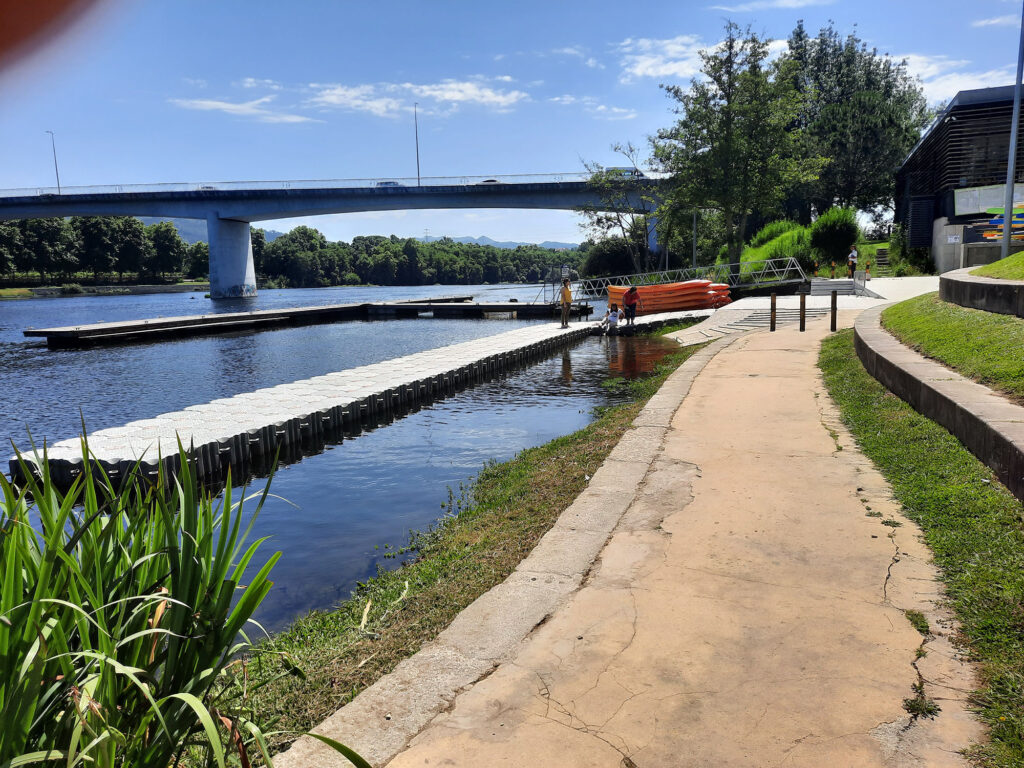
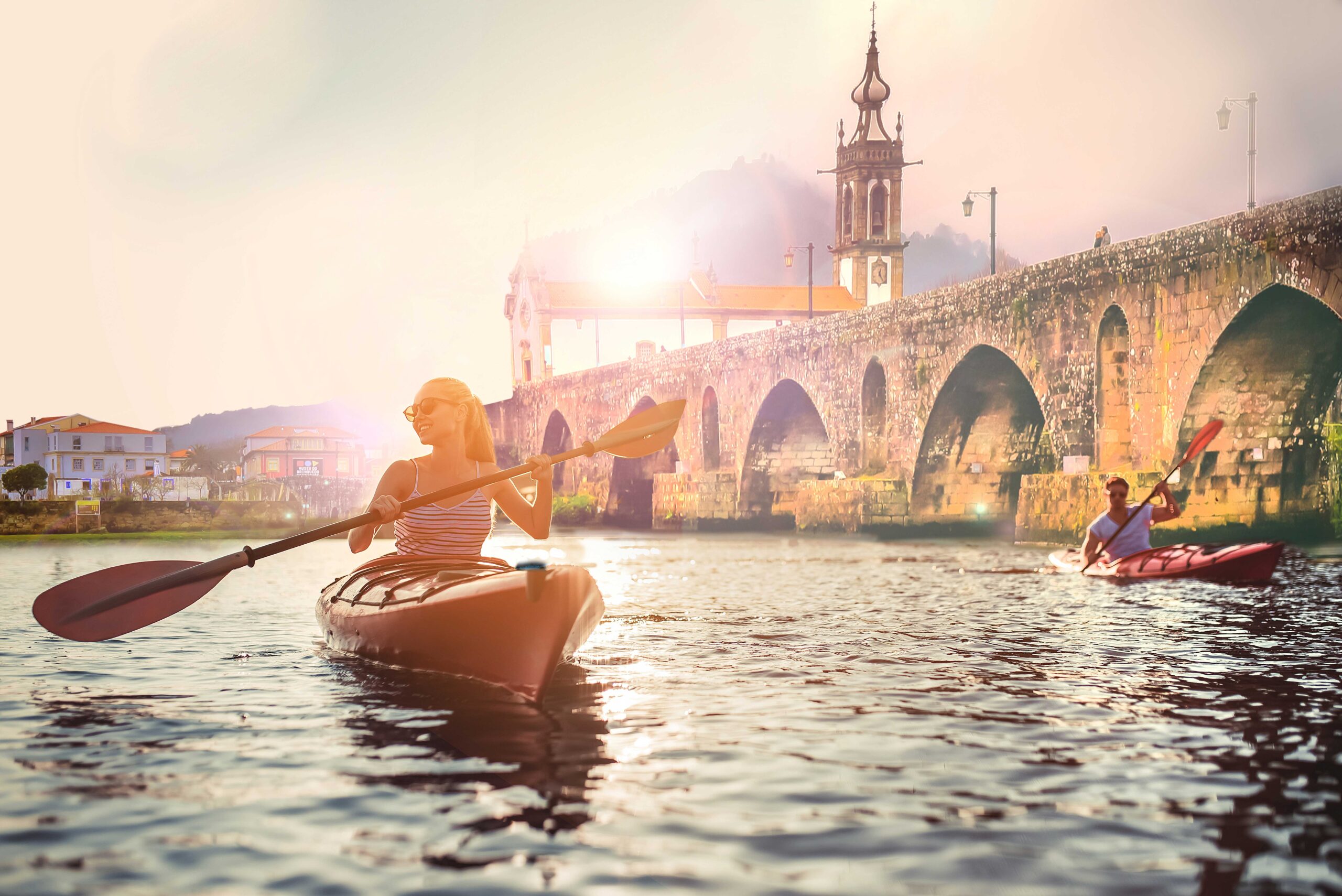
The Floating Pontoon of the Clube Náutico Ponte de Lima is a river equipment located on the right bank of the Lima River, facing the historical centre of Ponte de Lima. The floating pontoon serves as an access point to the Lima River for the entire water plan upstream, as the dam stands as a […]
Al contrario de lo que su nombre parezca indicar, Vilanova de Arousa es lugar con antigüedad, como lo demuestran restos paleolíticos encontrados en la playa de As Sinas y los hallazgos de la Edad de
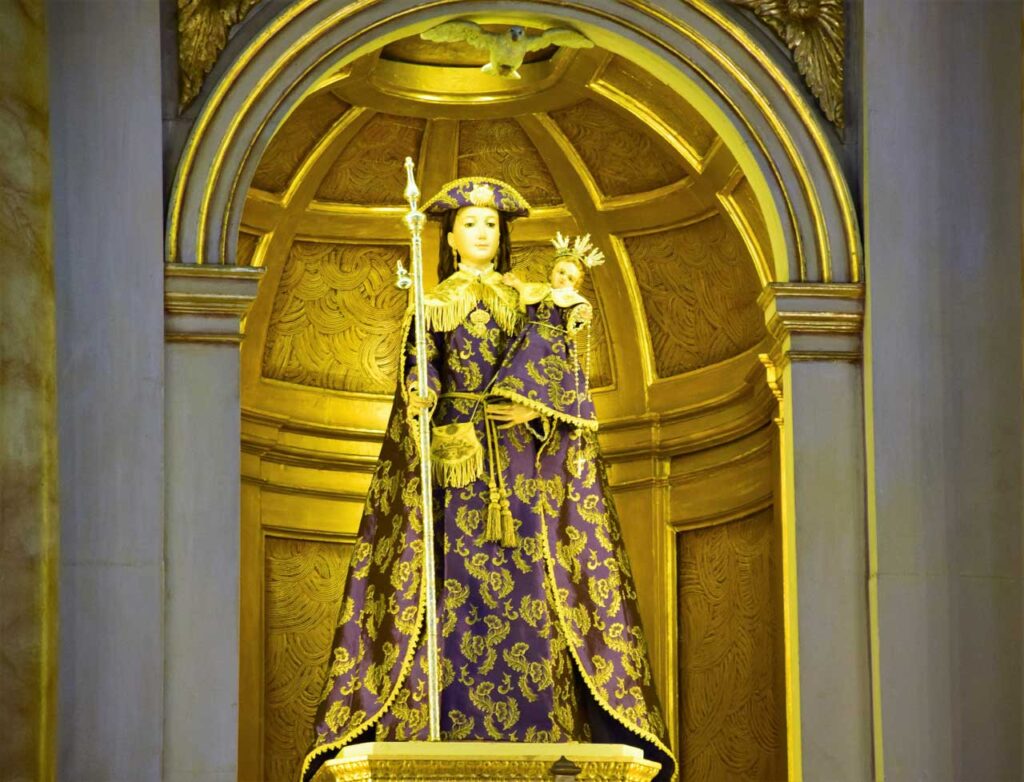
El Santuario de la Virgen de la Peregrina fue construido entre los años 1778-1782 convirtiéndose así en una de las edificaciones más importantes y simbólicas de la ciudad de Pontevedra. Su construcción fue dirigida por
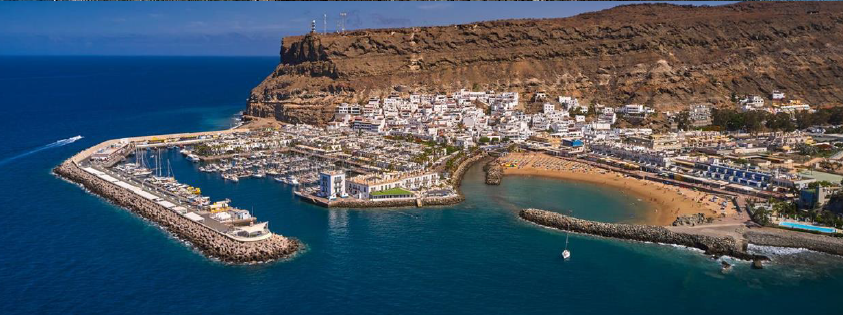
Fair specialized in tuna and its historical and economic importance on the coast of Mogán. An event that blends gastronomy, culture, and maritime tradition.
Cruzando el puente de origen romana y medieval, dejando atrás el casco histórico se va al margen derecho del río Lima. El paisaje se vuelve más verde a causa de la vegetación de ribera y
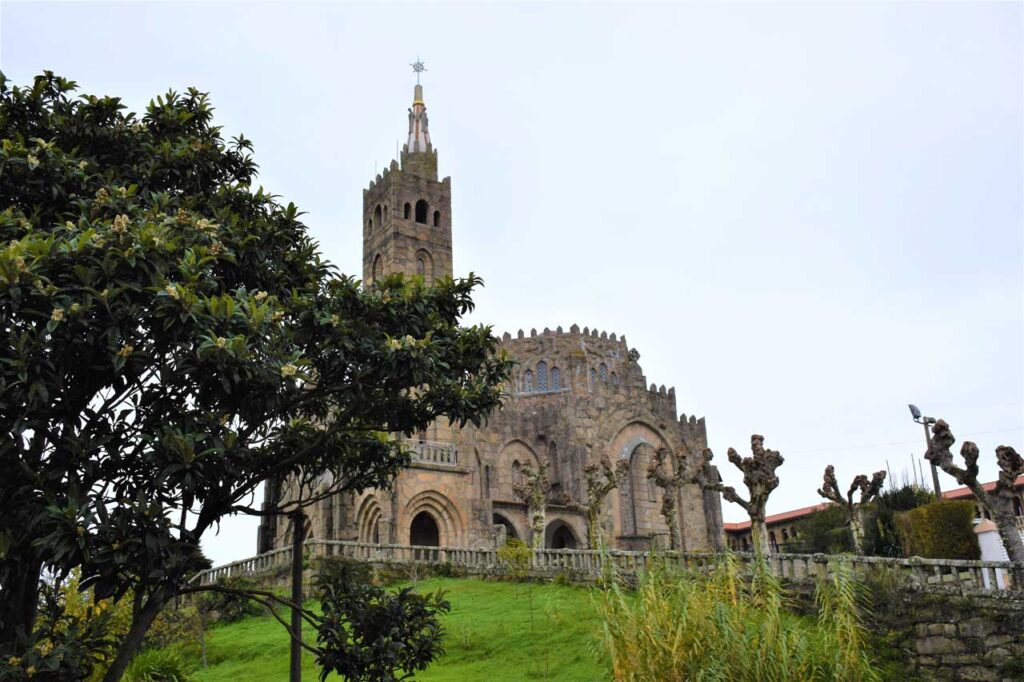
Es obra del arquitecto porriñés Antonio Palacios Ramilo y se encuadra en el movimiento ideológico de comienzos del siglo XX el cual trata de hacer una arquitectura autóctona con raíces tradicionales, para que transmitiera contenidos
The Pazo de Trasalba, located in the place known as “Campanas de Abaixo” and integrated into the urban core of Trasalba, is a rectangular building. Its main facade, facing west, is almost entirely lined by