
La Guardia Sea Museum
About this heritage
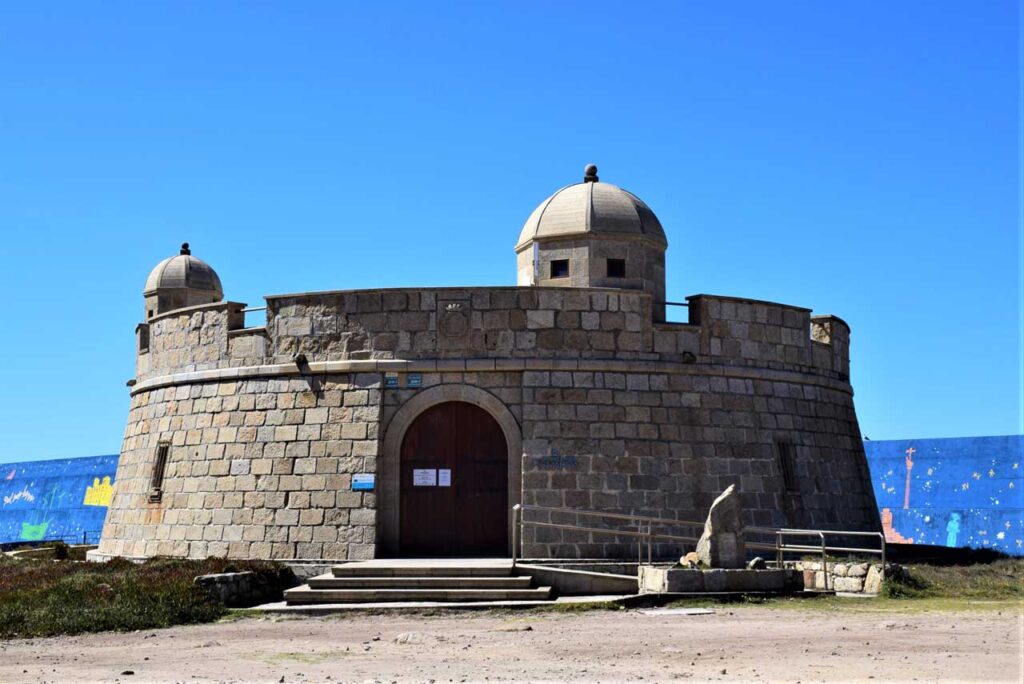
Located in the port in a replica of Atalaya built in 1997. This museum showcases the interesting tangible and intangible heritage related to the maritime past of A Guarda, based on traditional coastal fishing. Around the museum, in the port area, you can appreciate the architecture and urbanism of the fishermen's neighborhood and the maritime facade of the port.
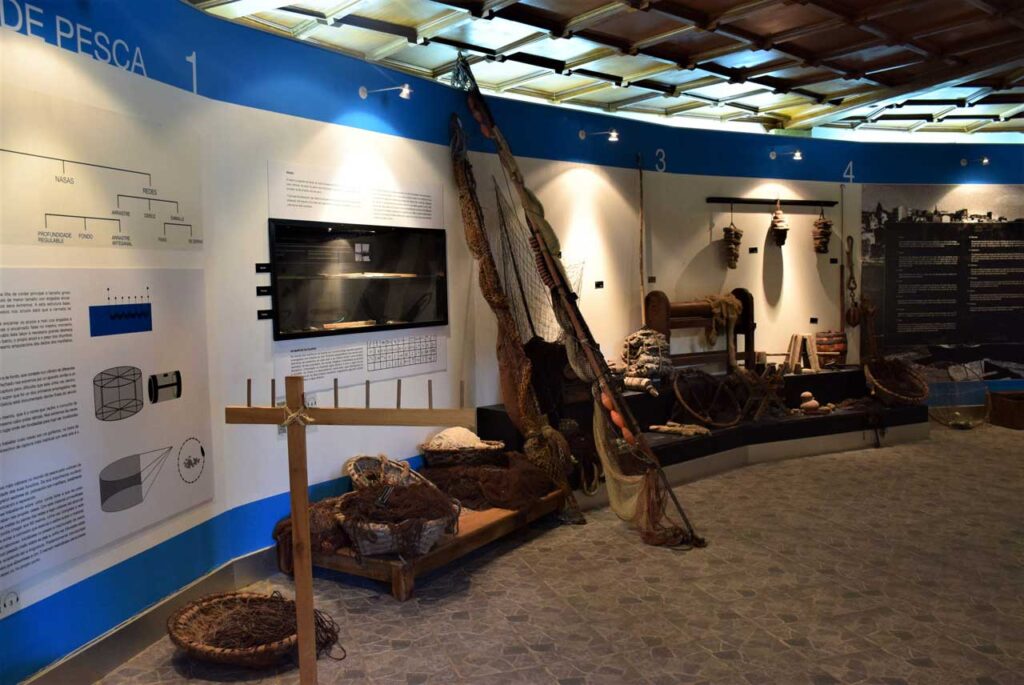
It has a collection of ethnographic material related to maritime life such as fishing tools and gear.
Noteworthy is the collection of shells from all the seas of the world, which are highly valuable for being unique since some disappeared decades ago. This collection was assembled by malacologist Ignacio Navarro, where corals, algae, and other marine species can also be seen.
It also features an audiovisual projection about the sea world and fishing in A Guarda, along with various tangible information points.
Access is possible by following the Paseo Marítimo route; the museum is approximately halfway along this promenade. Along this coastal area from O Puntal to the place of Solanas, there are constructions belonging to the ethnographic heritage of A Guarda, which are the windmills that harnessed wind energy for their operation. Camposancos is the southwesternmost point of Galicia where the remains of several four-sail windmills are preserved. Walking along the Senda Litoral or the Ruta de las Cetarias, you can appreciate remains of some of these ancient constructions in the neighborhoods of A Guía, As Solanas, A Cruzada, and in the parish of Camposancos.
To learn more
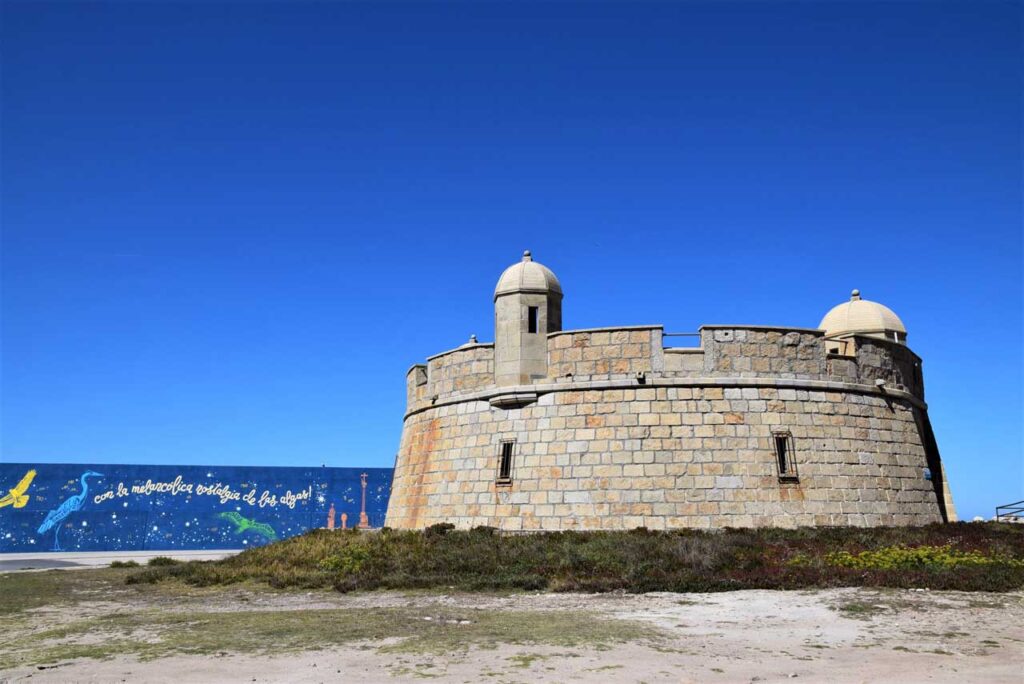
The A Guarda Sea Museum is located at the end of the seaside promenade in the Atalaya. This fortification-type construction is a replica of an ancient fortress rebuilt in 1665 by the Portuguese army when A Guarda was under their control. Its main function was to defend the port entrance during the Portuguese War of Independence (1640-1668).
In 1779 it was rebuilt to protect against attacks by African pirates. Later, it was used as a lighthouse.
The building was destroyed in 1945 to facilitate the extension of the large nets used by fishing boats, and its stone was repurposed for the construction of the breakwater. The structure is circular, about 20 meters in diameter and 8 meters high, with three watchtowers on its rear side. It houses ethnographic material related to maritime life. The local council has also produced videos capturing intangible heritage such as: "Xentes do mar", "Lendas de mar", "Mulleres de mar", and "Tesouros vivos".
Notable are constructions belonging to A Guarda's ethnographic heritage, the windmills that harnessed wind energy for their operation. The windmills are located on small elevated hills very close to the sea, where strong Atlantic winds were common. Their presence is documented since 1838, and it is likely they were designed by Castilian masters in contact with Galician stonemasons.
Their structure consists of a cylindrical shape made of granite masonry. The roofs that remain today are destroyed or conical in shape, except one, O muíño de Camposancos, which maintains the rotating roof and features a turning system with a wooden crossbeam carrying 20 wooden wheels that run on an iron plate fitted over a wall gutter. Walking along the Senda Litoral or the Ruta de las Cetarias, you can see remains of some of these ancient constructions in the neighborhoods of A Guía, As Solanas, A Cruzada, and in the parish of Camposancos.
To know it better
The current Museo do Mar de A Guarda, located in the province of Pontevedra, is situated at the end of the town's seaside promenade, in a circular construction built by the Portuguese in the 17th century called La Atalaia. This space was used to watch the sea and currently hosts various exhibitions related to maritime life and fishing, open to visitors.
The Sea Museum has two collections: an ethnographic one, which focuses on describing peoples and cultures with a display of ancient fishing arts and methods, and the second, focused on the study of mollusks with a selection of sea shells from different parts of the world. In short, it is a place that seeks to recover the value of maritime life, as it has been and still is of vital importance for the Autonomous Community of Galicia.
Galería
Location
- Locality
- La Guardia
- Municipality
- A Guarda
- Province
- Pontevedra
- Country
- Spain
The asset
- Type
- Museum
- Eco-destination
- Ría de Vigo
- Environment
- Historical
- Relevance
- Regional
How to get there
- Access
- By land
- Distance
- 15 minutos
The visit
- Visitable
- Unguided visit
- Interpretation
- Panels and brochures. Languages: English, Galician, and Spanish
- Accessible
- Sí
- Parking
- Sí
- Signposted
- Yes
Coordinates
- Latitud
- 41.90259800
- Longitud
- -8.88021000