
Vilagarcía de Arousa. British cemetery
About this heritage
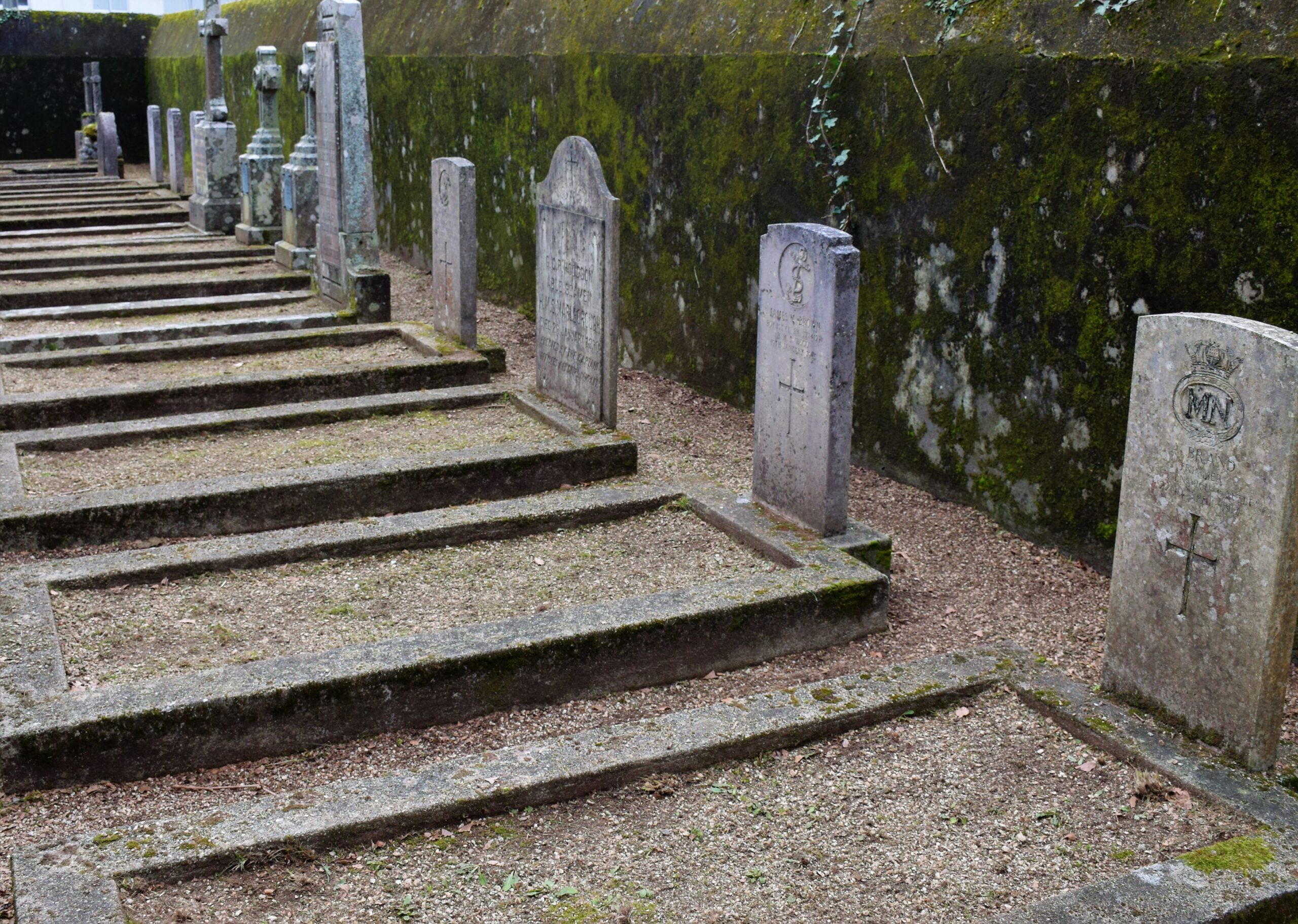
At the end of the 19th century, Vilagarcía became a port of call for the British crossing between the United Kingdom and Gibraltar. Some died on the voyage and as they were Anglicans, their religion did not allow them to be buried in Catholic cemeteries. Thus, the City Council of Vilagarcía, granted the license to build a new cemetery, in 1902, known today as the "British Cemetery".
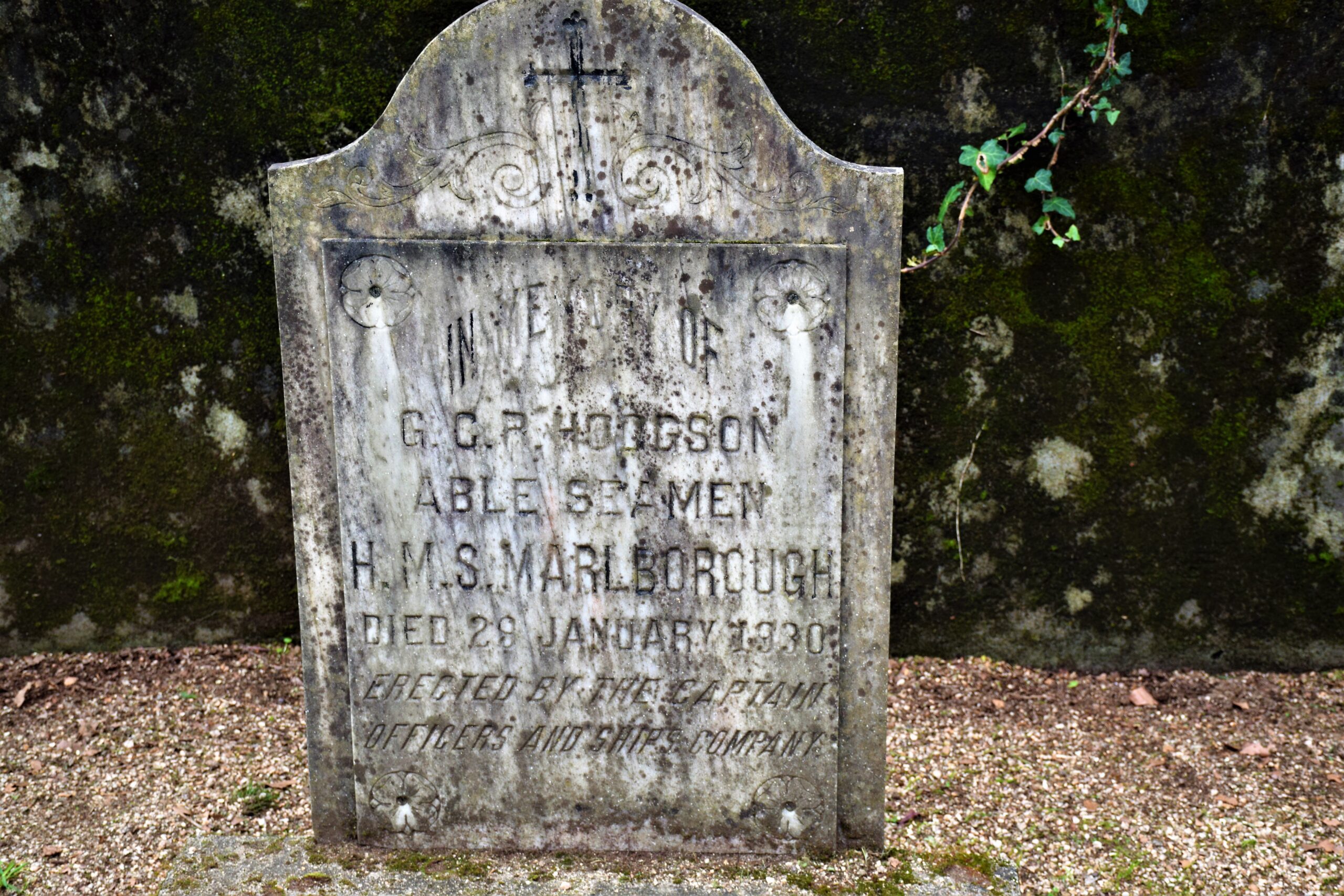
The Galician coast has been a means of subsistence for many families, but also a deathbed for many sailors. It is the coast with the greatest number of shipwrecks of the world, more than four hundred documented since the 14th century. At the end of the 17th century, when the British navy was the most powerful in the world, its ships docked at Arousa and, at the end of the 19th century, the first consular agents settled there. Reinaldo Cameron Walker was the first vice-consul of Asturias, Galicia and León and was the architect of the English fleet's landing at Vilagarcía, where the estuary was very wide for the docking of English ships. One of Cameron Walker's works was the installation of an English cemetery since some marines died while in the route or in the town. The first burial took place in 1906 and, it was on October 20, 1910 when the land was consecrated for officers and sailors of the Royal Navy.
Apart from members of the navy being buried, there is a record in the Town Hall of Vilagarcía of the burial of three civilians who decided to be buried there too.
The British cemetery has become a must visit in every occasion that the Royal Navy squadron arrives to the Galician port; to honour the memory of those who found death in the waters of this sea.
To learn more
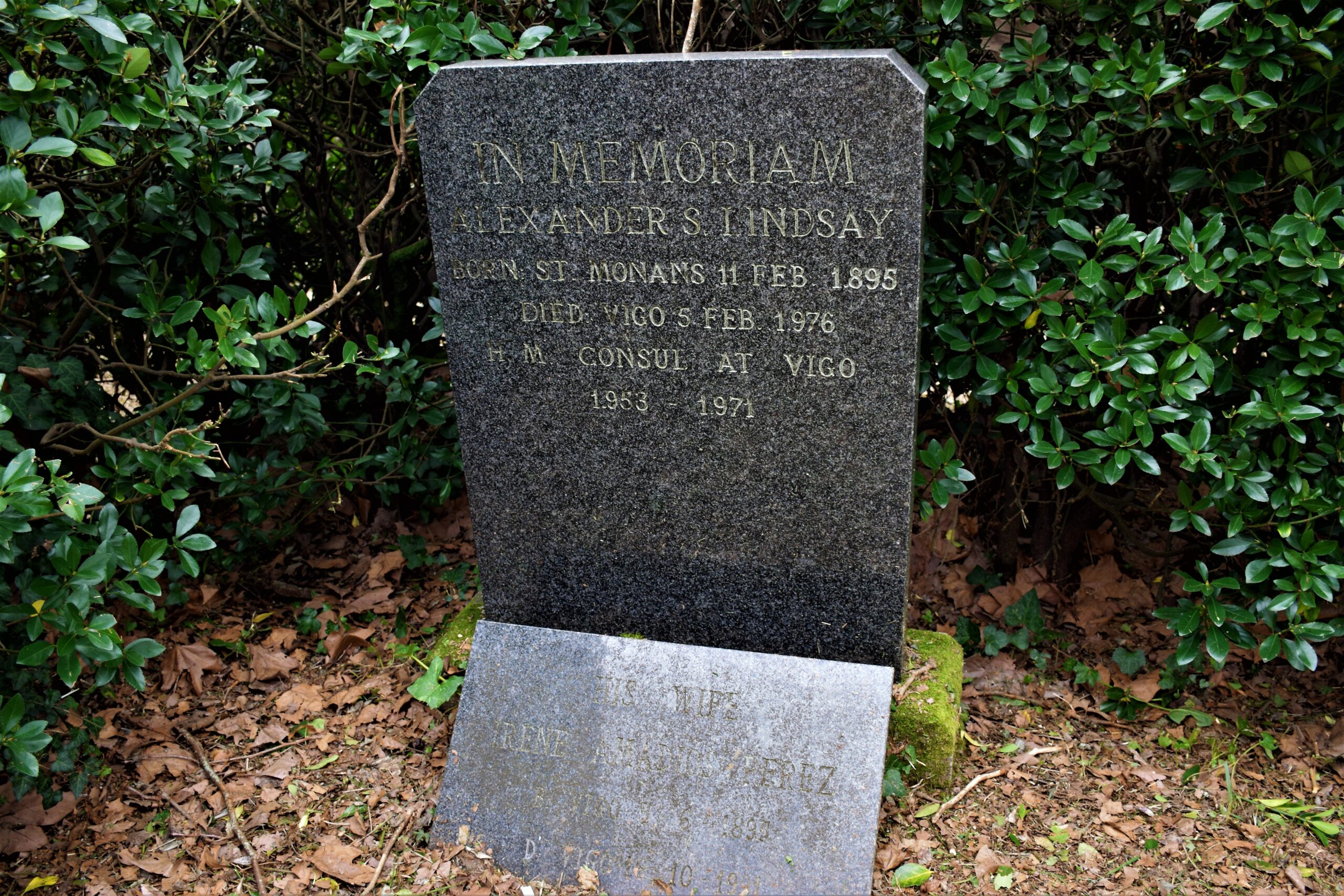
The so-called "British Naval Cemetery" at Rubiáns was created in 1910 by order of the British Vice-Consul in Carril, Reginald Cameron-Walker. Its objective: to set up a cemetery in which British sailors, the vast majority of whom were of Protestant faith, could be buried if they fell during the stopovers that the Royal Navy made every year for six decades in Arousa´s estuary. Some personalities also rest here, such as the former British Consul in Vigo, Alexander Linsay, as well as his wife, whose death occurred in the 70s. These are two of the last burials that took place in this cemetery.
This necropolis, of great historical interest, recalls the passage of the British Navy through the port of the town in the early 20th century. It is the only British cemetery in Pontevedra´s province.
The Commonwealth War Graves Commission was born in 1917, after the British Naval Cemetery of Rubiáns opened its doors. The commission was set up to build and care for the graves of soldiers who had fallen in the First and Second World Wars; what happened is that, as this cemetery was naval and already functioning, it was also integrated into the CWGC.
It was the British Ministry of Defence that bought the land, and therefore it is British soil. The British cemetery has a different and melancholy atmosphere, of sprouting that emerges from the past.
To know it better
Santa María de Rubiáns is a parish in the municipality of Villagarcía de Arousa. This municipality belongs to the province of Pontevedra. In this place the British Naval Cemetery stands out, or also known as the British Cemetery since 1911. In it are located the remains of the deceased English soldiers, as well as of the sailors and officers of the English fleet that were in Arousa´s estuary.
Moreover, as most of the soldiers were Protestants, they could not be buried in the Catholic sacramental. For this reason, it is of great historical interest, as well as reminiscent of the British Navy.
On the other hand, there are also the remains of the British Consul of Vigo, Alexander Linsay and his wife. In fact, they were the last bodies to be buried in this cemetery.
This cemetery is included in the European Route of Unique Cemeteries. Like the Way of St. James, it is part of the European Cultural Itinerary.
Galería

Location
- Locality
- Rural
- Municipality
- Vilagarcía de Arousa
- Province
- Pontevedra
- Country
- Spain
The asset
- Type
- Cemetery
- Eco-destination
- Ría de Arousa
- Environment
- Rural
- Relevance
- International
How to get there
- Access
- By land
- Distance
- 2,8 km / 7 minutos en coche
The visit
- Accessible
- No
- Parking
- No
Coordinates
- Latitud
- 36.597866
- Longitud
- -6.235426