


Vilaxóan. Canned foods

About this heritage
Vilaxoán is a fishing village, currently, part of the Vilagarcía of Arousa Town Council. Around 1900, thanks to the abundance and exquisite conditions of the estuaries, the Catalan industrialists arrived in the Galician coasts, who attracted by the numerous varieties of fish and seafood from the Galician coasts introduced once again the salting industry. Soon, this activity developed into the present canneries, where not only sardines and European pilchard (xouba) were included, but also many other varieties of fish and shellfish.
It is in 1946, when a transcendental phenomenon arises in the Arousa estuary that later would continue to spread to other zones of the Galician coast, the Mussel Raft Culture. The first "floating mussel nurseries" are thrown into the sea, as this was and is the base of the shellfish industry of the introducer and pioneer of the artifact, Don Alfonso Ozores y Saavedra, Marquis of Aranda and Lord of Rubianes. This industry proliferated enormously throughout the Arousa estuary, giving its installations the appearance of a real naval squadron. The period of greatest commercial splendor, between 1798 and 1850, counted in Vilaxoán about twenty factories dedicated to the processing and trade of sardines.
Among the Catalan last names that in those years settled on the coasts of O Salnés, it is worth highlighting Martí, Pou, Ricart, Tapias, Sabriá, Mascató, and Curt. Vilaxoán was always a pioneer in all types of business thanks to the Catalans, and when the Vilagarcía and Carril town halls were less active despite the notable importance of the Carril port.
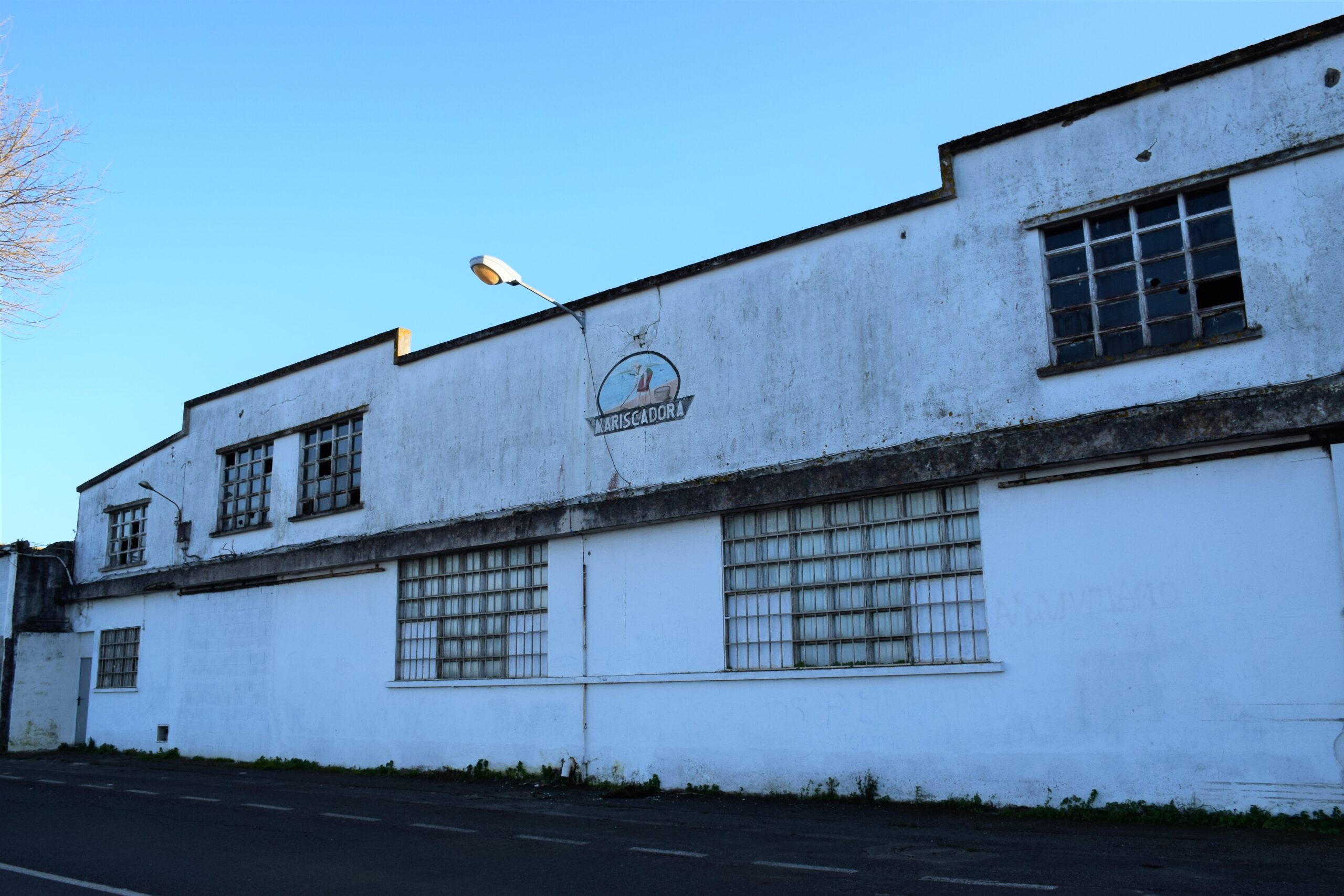
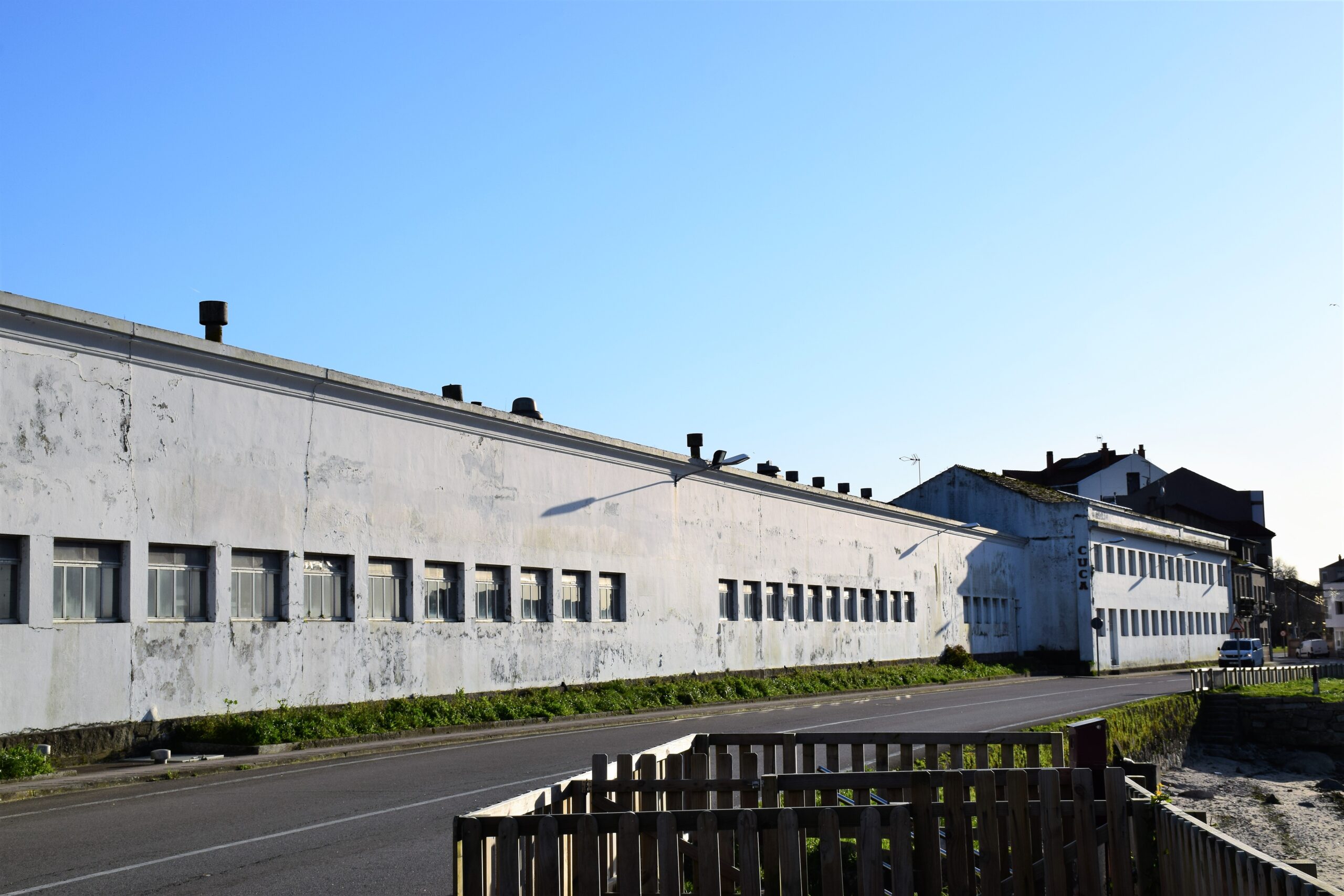
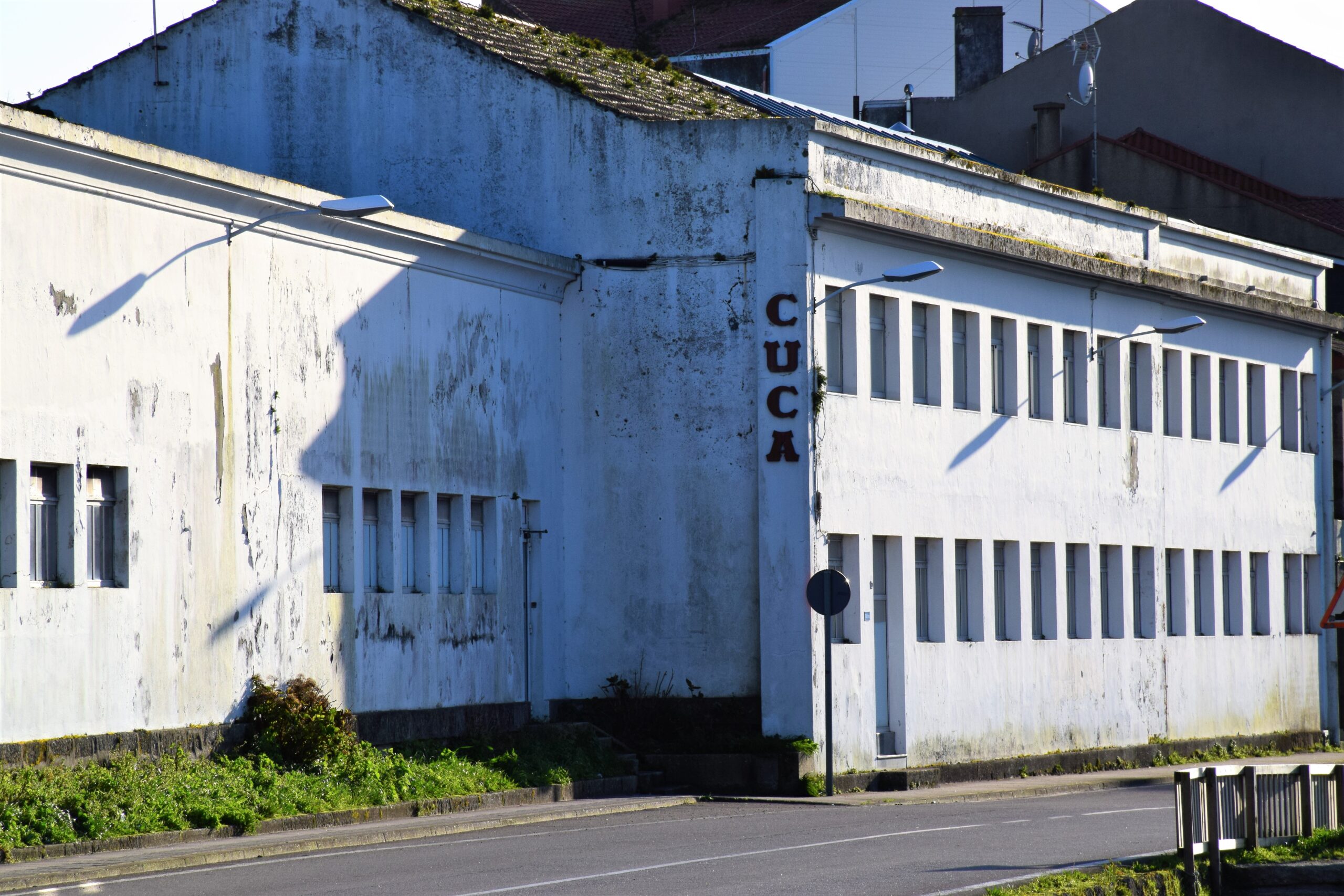
This image of strength is part of history. What it, formerly, were industrial centers with a feverish business activity, nowadays, are ruins, as examples, Malveira, Alemparte Foundries, Baltar, of Noroeste SA, Mequinsa, or Gil. Specific examples are the Peña plant left in the hands of Alfageme and later closed, or more recently, Cuca, which was sold to the Basque group Garavilla, which move the activity to O Grove and closed the parent factory. Currently, the canneries operating in the region are located in Vilanova of Arousa, Carril, Ribadumia, and Vilagarcía.
To learn more
Vilaxoán paid its sailors a salary of four and a half reals for more than a full working day (day and night) of sardine fishing. The period of greatest commercial splendor of this locality was between 1798 and 1850 years, where almost 20 factories were dedicated to the processing and trade of sardines. A century ago, the Vilagarcía, Vilaxoán, and Carril town halls joined to improve their industries. At that time, the port of Carril was a reference in Galicia, from which ships loaded with emigrants left for America, and in which all kinds of products arrived by sea. All these led to the settlement in the town - the first Galician with a railway line - of an important number of factories and companies.
The Buhigas family, like other Catalans, not only developed the salting industry but also imported other products (soap, oil, liqueurs, wine, iron, tar, etc.) as well as taking part in public life. In 1834, Salvador Buhigas was the general union's attorney in Vilaxoán, representing the factories to complain about the high price of salt before its Majesty's government. Among all the Catalan businessmen who arrived in, what is today, the Vilagarcía county, Fidel Curt and Tomás Martí, both from Vilaxoán, were by far the most significant ones. Pou, Ricart, Tapias, Sabriá, and Mascató also stand out among the Catalan last names that settled in our lands during those years.
At the end of the 18th century, the Catalan canneries turned Vilaxoán into an industrial power of the first magnitude, first with salting and then with preserving. These industries were later left in the hands of local businessmen, who maintained their strength for a few decades, but later closed or sold their factories to foreign investors, who, over time, demonstrated that their interests were not based in the town.
From 1940 onwards, Don Alfonso Ozores Marquis of Aranda and well-versed in the study of the mussel raft culture (mitilicultura), developed several trials for floating mussel breeding such as the use of palisades, until 1946, when he decided on the system used in Barcelona. At first, they were rudimentary platforms or buoys (bateas) made of old ship's hulls or barrels, but little by little, they perfected them until achieving the actual metallic nurseries, patented by the metallic constructions Atlántica, S.L. company, which is present in the local marine sector. Very soon, this industry would expand to the other Galician estuaries, giving rise to the legend: "If one business does well to one neighbor, create another one equal to the first...." However, the interest and circumstances of the cannery business added to the misery and the turning of a blind eye by the post-war authorities – regarding the extraction of shellfish from the beaches – led to a phase of unlimited exploitation of shellfish resources. After the war came decades of uncontrolled exploitation because the hardships led to massive shellfishing, encouraged by the demand of the canning industry, and facilitated because the authorities in charge of controlling the existing ban's laws about shellfish poaching were powerless or preferred to look the other way.
Thanks to cooperativism, the intense industrial and commercial movement of mussels together with the new health policies on seafood export, led to the installation of two treatment plants in the port, one of them the most important in Europe. Interesting marine nurseries (cetáreas) were also set up, making it possible to savor the exquisite seafood of the estuary at any time of the year, as the sea continues to foster industries, and thus, years ago, the important Cod Industrialisation Company (Compañía Industrializadora del Bacalao) was created, which distributes its products with constant demand throughout Spain and abroad.
Today, the locals can hardly remember that luster regarding the ruins of the Malveira cannery. Nothing remains of what was Alemparte foundry, Baltar cannery, of Noroeste SA, Mequinsa, or Gil. As an honorable exception that confirms the rule continues working the Rey foundry, which took its first steps in Carril, although now, the factory is in Rubiáns. Nothing is left of that splendor of yesteryears because in the parcels formerly occupied by the industries now rise residential developments. Specific examples are the Peña plant left in the hands of Alfageme and later closed, or more recently, Cuca, which was sold to the Basque group Garavilla, which move the activity to O Grove and closed the parent factory. As a symbol of that luster, which today is a ruin, are the naked stones of the Atlantic, which in the Second World War was a modern and pioneering chemical factory.
To know it better
Vilaxoán is a town belonging to the Vilagarcía of Arosa county in the province of Pontevedra. For many years, it has stood out for its canning industry and for preserving, to this day, the Sobrán and the O Rial Lordly Houses (Pazos).
Between the end of the 18th century and the beginning of the 19th century, Vilaxoán was an independent town hall and was joined by Catalan businessmen to create salting corporations (where they used the salting technique to preserve food for longer periods) and canning factories. However, in 1913, Vilaxoán joined Vilagarcía of Arousa and lost both the companies and its status as a local administration.
Vilaxoán had companies such as Conservas Peña, which belonged to the Alfageme group, the cannery Costas y Miñán, and Atlántica S.L. Nowadays, they are abandoned and are the property of the Regional Ministry of Economy.
Gallery
Location
- Town
- Sobrán
- Municipality
- Vilagarcía de Arousa
- Province
- Pontevedra
- Country
- Spain
The asset
- Type
- Cannery
- Eco-destination
- Ría de Arousa
- Environment
- Urban
- Relevance
- International
How to get there
- Access
- By sea By land
- Distance
- 0 km
The visit
- Visitable
- Free visit
- Accessible
- No
- Parking
- No
- Website
- vilagarcia.com/vilaxoan/
Coordinates
- Latitud
- 42.58959800
- Longitud
- -8.79124000