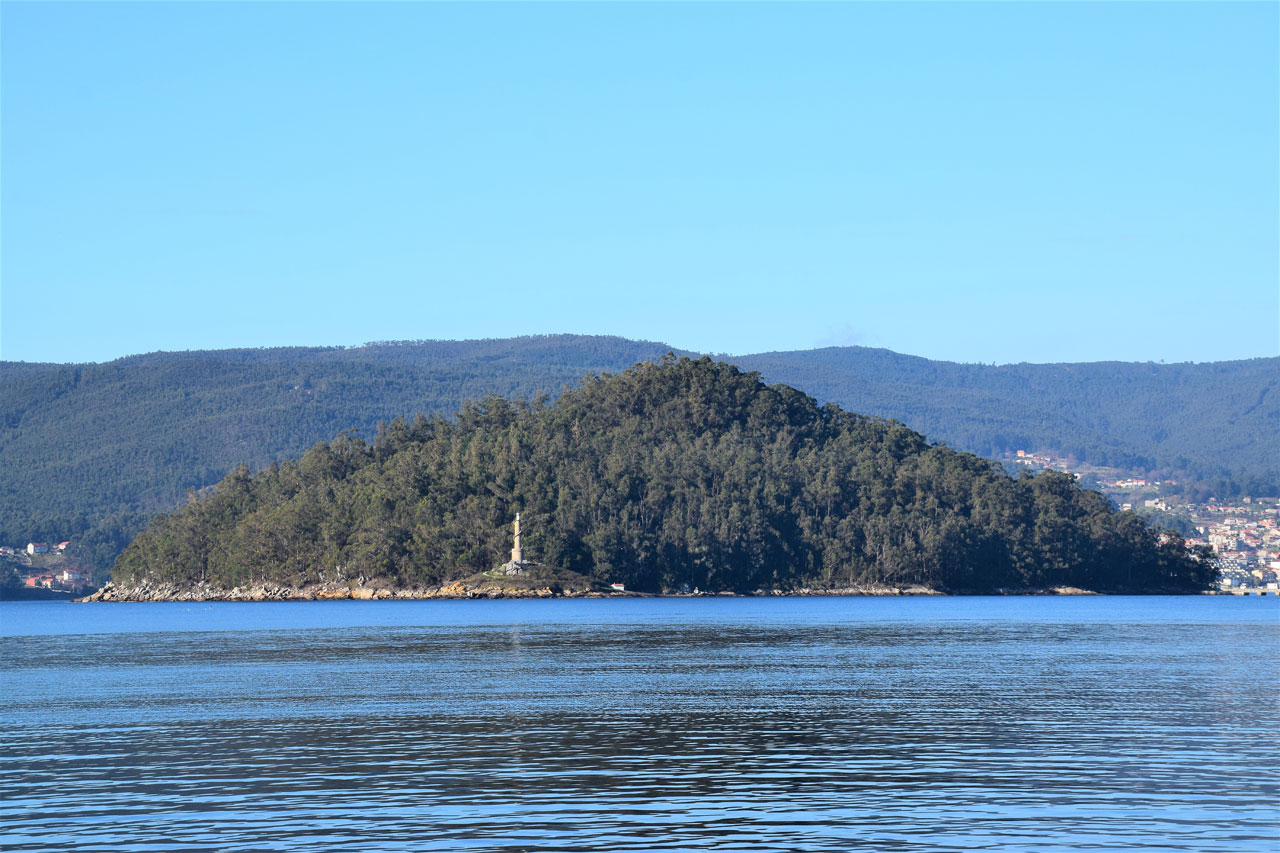
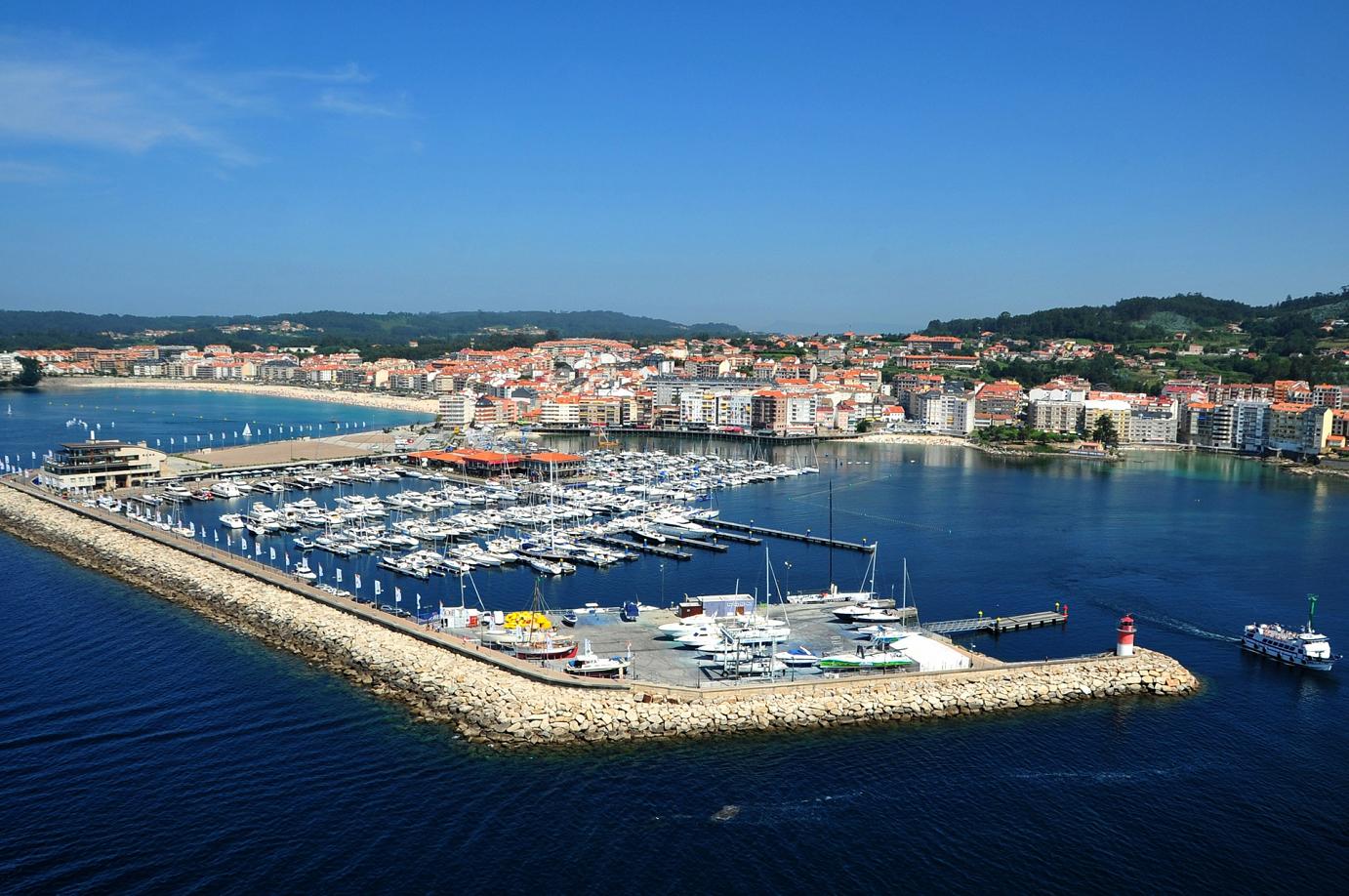
We invite you to embark on a special route to the interior of the Pontevedra Estuary to discover its magnificent treasures, from the little Island of Santo to the unique Tambo Island, approaching the Military Naval School and the port of Marín. You will visit the lovely old town of Combarro and its typical seafaring […]
The adventures consist of two exclusive packages with accommodation in a luxurious local place, the Portugal Active Mountain Lodge in Geraz do Lima, Viana do Castelo, and a few active tourism activities. There are two active tourism programs of different duration: one is three days and two nights and includes three active experiences. The other […]
This nautical cultural itinerary is linked to enogastronomy, the culture of the Galician country houses and its splendid gardens. Taking this tour we will be able to get to know the maritime landscape wonders in Ría de Arousa, the beauty of the camellia gardens in the Albariño wine valley of O Salnés. If there is […]
The Santa Baia de Laias church reflects that before the Castrelo de Miño reservoir and the railway line, it was the center of the area with vineyards and agriculture. It allows us to contemplate the Roman-era mines and Wolfram mines in the mountains. The pedestrian walkway leading to Barbantes lets us appreciate the river with […]
Tanto si eres un amante de la naturaleza como si buscas un lugar donde disfrutar de un día rodeado de naturaleza, el área recreativa del río Tamuxe te ofrece la oportunidad de recorrer un entorno
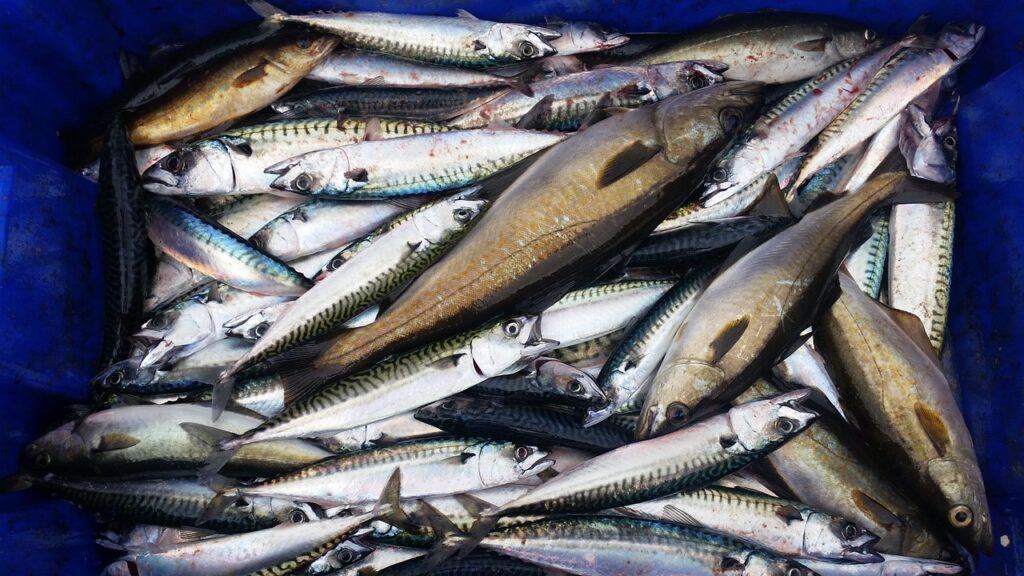
La caballa es uno de los peces más pescados en el Océano Atlántico desde la antigüedad. Es una de las especies más populares de la región atlántica, siendo muy común también en todo el Mediterráneo.
The Ponte Nova of Ourense, located upstream from the Ponte Romana about 450 meters away, is one of the symbols of the city’s progress. Its history begins in 1895, when the need for new infrastructure
This Pazo do Campo is also currently known as Pazo de Gayón, due to the family to which it originally belonged in the 18th century. In the following century, it is known to have passed