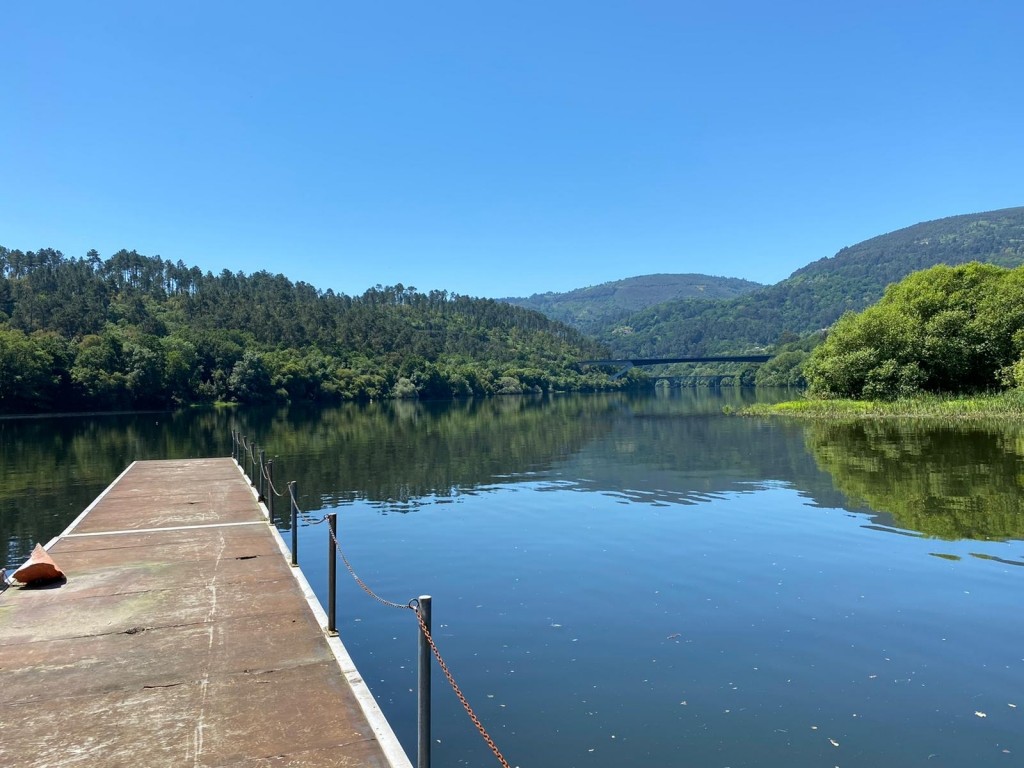
The main characteristic of Viana do Castelo is its understanding of the sea, mountain, river, and city elements as essential aspects of the landscape, which provides its residents visitors with a remarkable quality of life. In recent years, and because of its strong connection with the sea, Viana do Castelo has increasingly asserted itself as […]
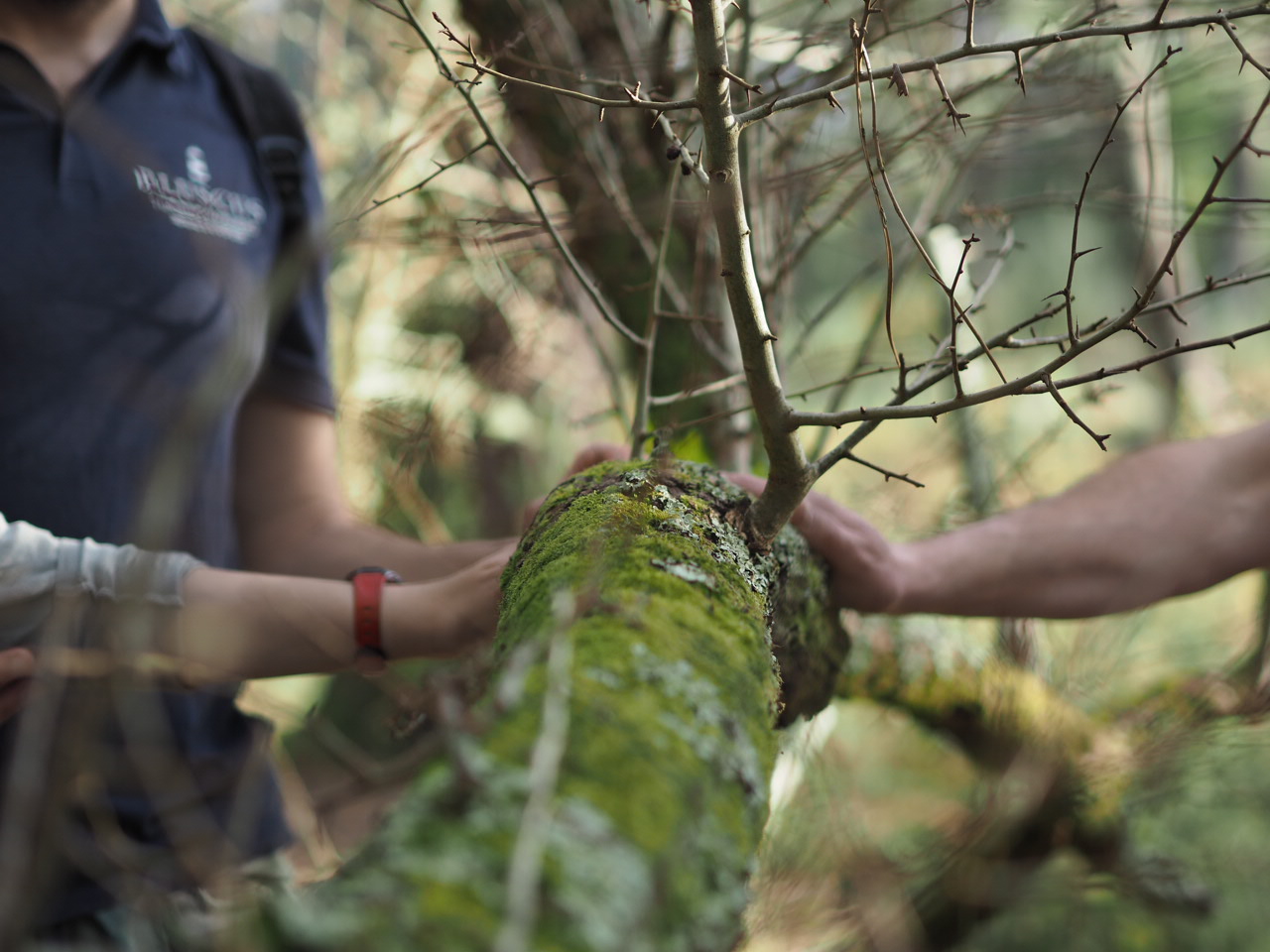
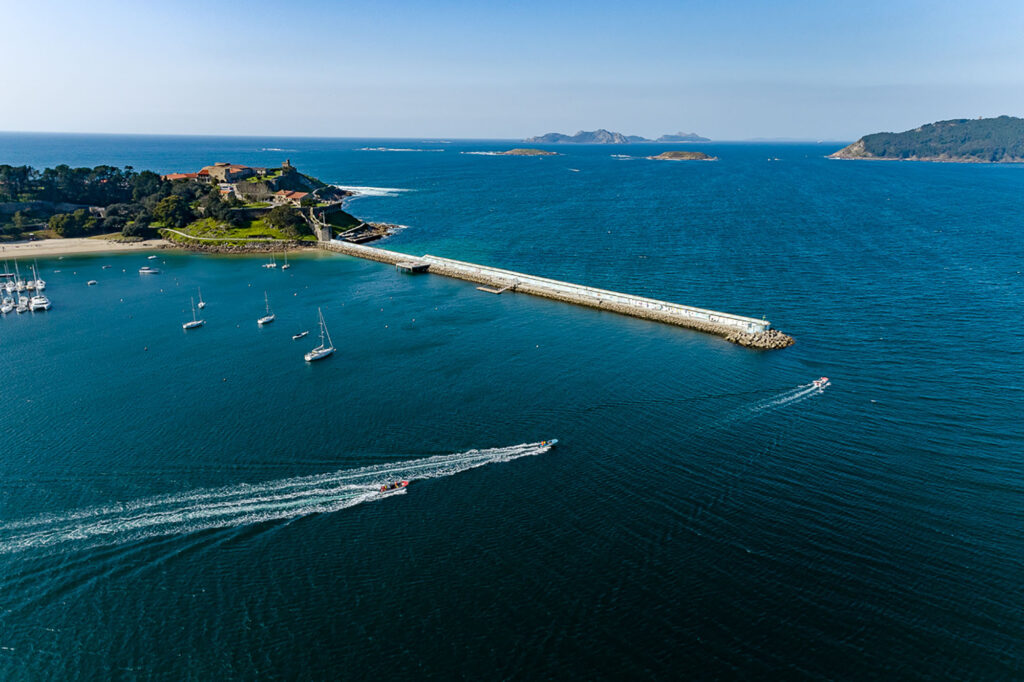
We leave the port of Carril to reach the island of Cortegada and discover all the points of interest within it. The route will be carried out in an inclusive way, nature itself will be used to develop it.
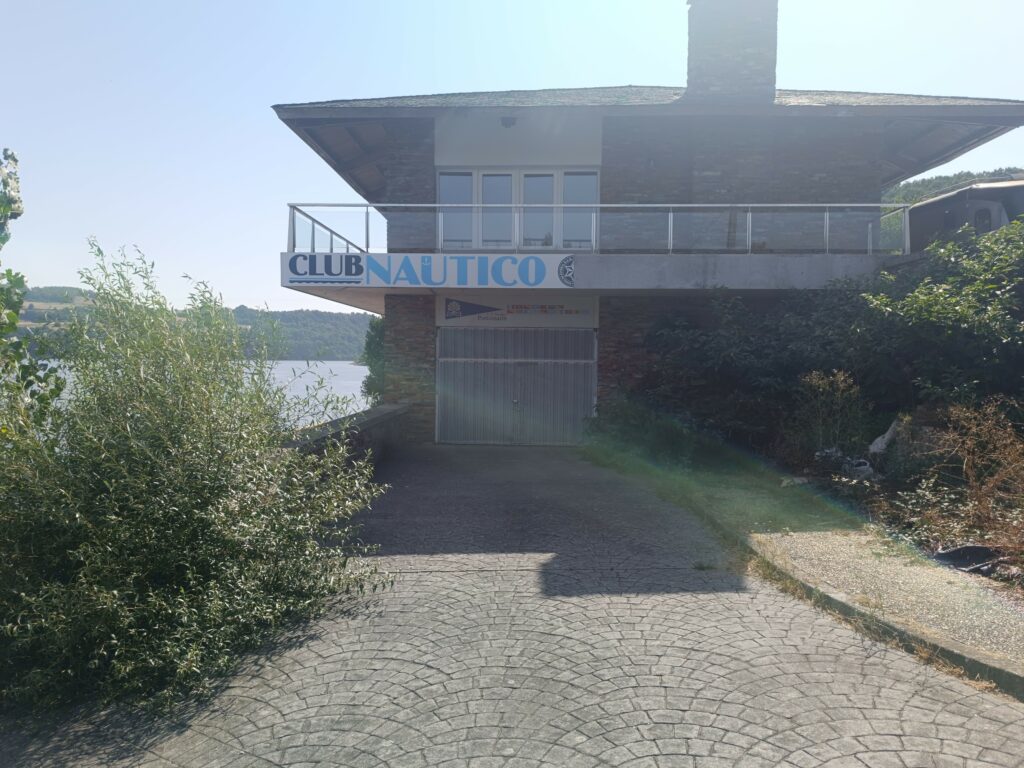
Facilities currently operated by Asunción López, after winning the concession tender. The Nautical Club currently operates from Wednesday to Sunday, featuring a floor with a cafeteria and a lower floor used as a storage for nautical equipment.
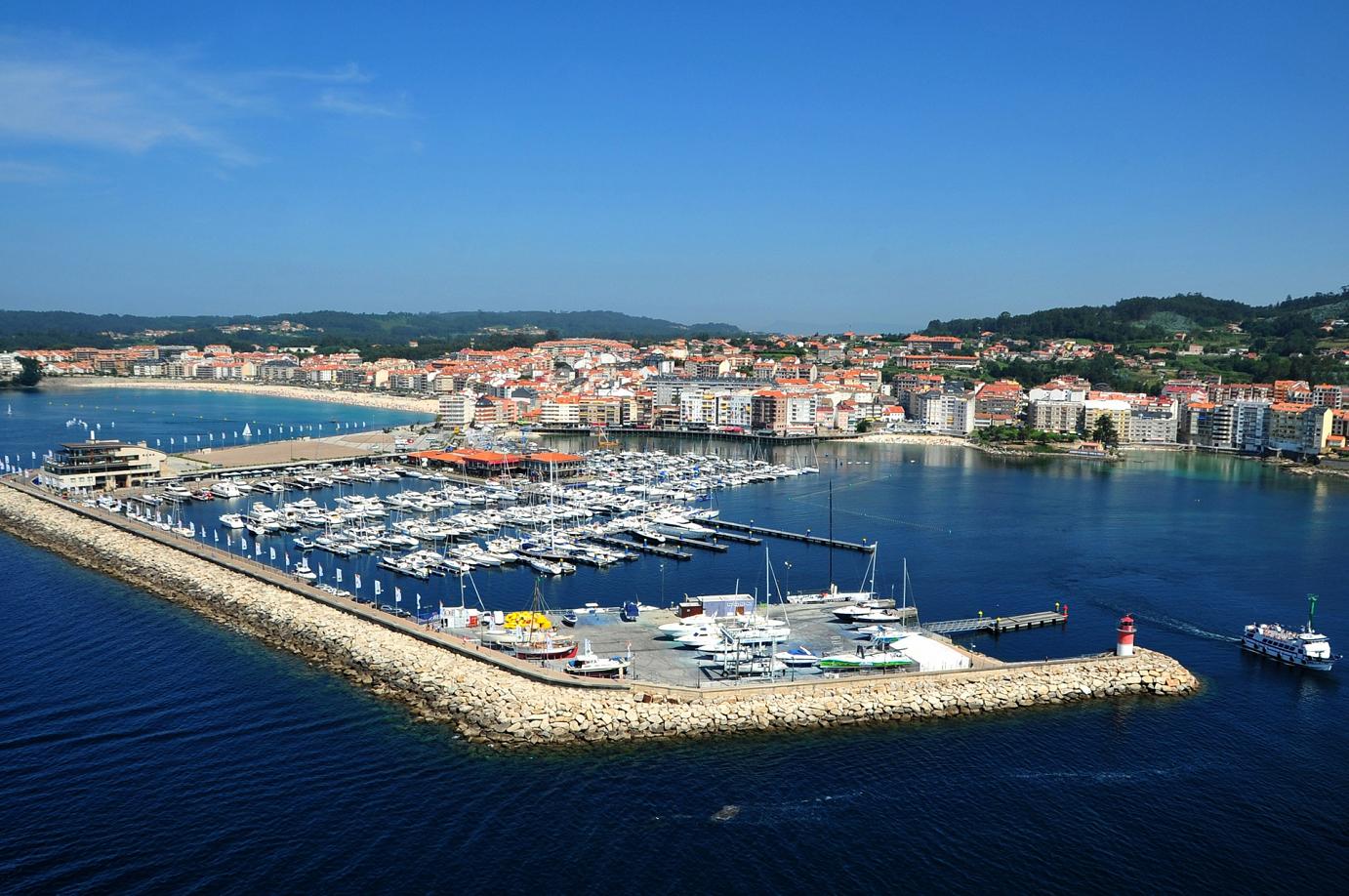
The port is located in the center of the town of Baiona. All kinds of services are nearby: medical, pharmacies, banks, sailing school, hotels, taxis, parking, post office, naval supplies, supermarkets, shops, etc. It is advisable to book in advance if a mooring point is needed, especially during the summer period due to the large […]
Viana do Castelo es una ciudad costera situada en la desembocadura del río Lima, dentro de la comunidad de Alto Minho. Históricamente, muy unida a la participación en los Descubrimientos portugueses y a la pesca
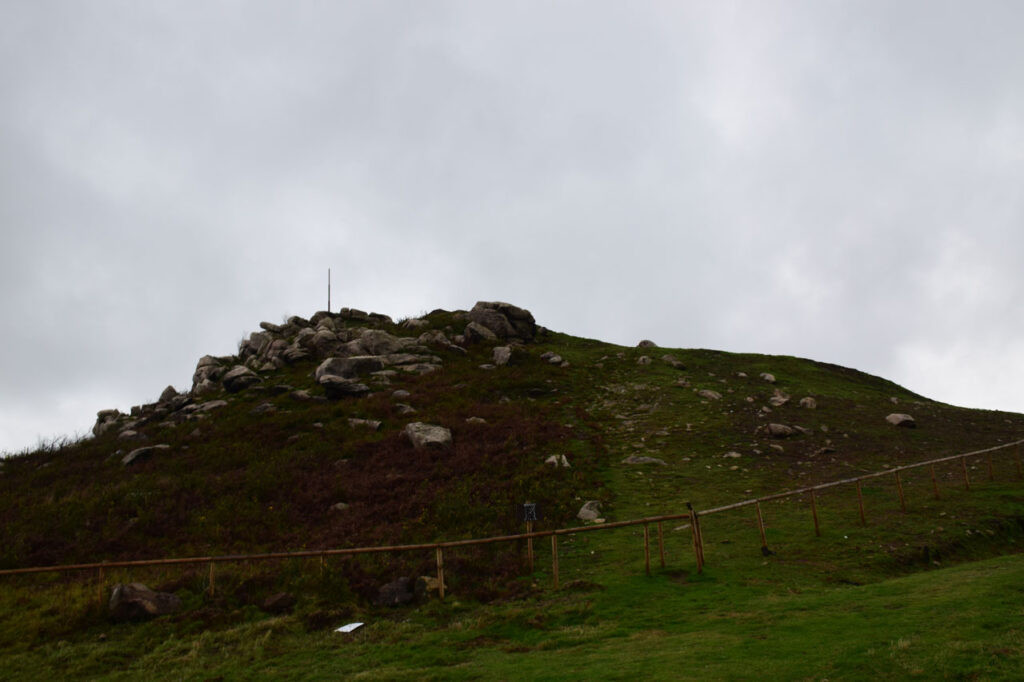
The Castro de Chandebrito is located in the parish of San Xosé de Chandebrito, situated in the Pontevedra municipality of Nigrán, on Mount O Castro, at 376 meters above sea level, which gives it a
Archaeological site that preserves remains from the pre-Hispanic era, a testimony of the ancient Canarians, known as guanches, on the island of Gran Canaria.
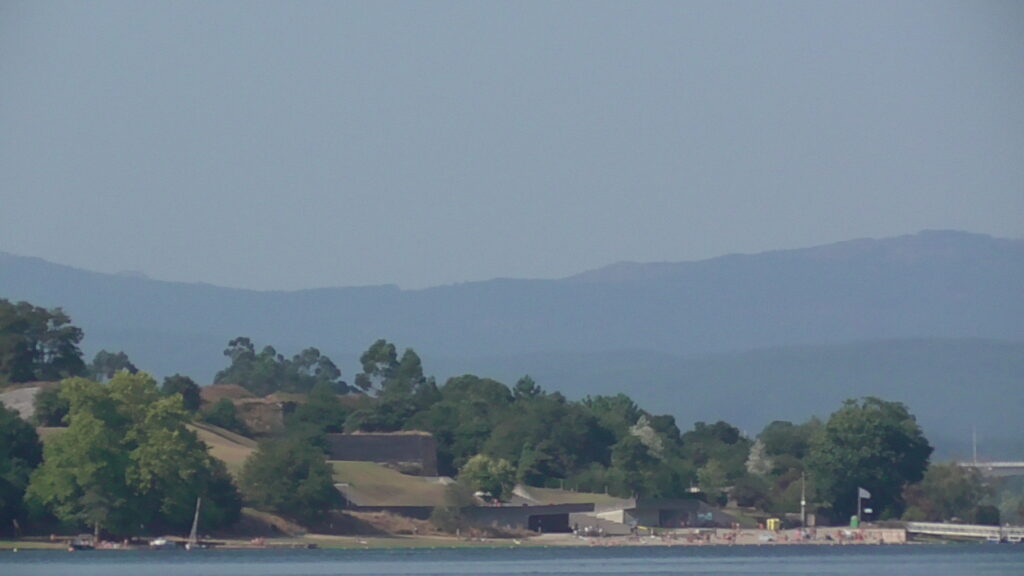
Bienvenidos a Goián, una parroquia del municipio de Tomiño, en la comarca gallega del Baixo Miño. Aquí, a orillas del río, se encuentra la majestuosa fortaleza de San Lourenzo, un recinto amurallado del siglo XVII
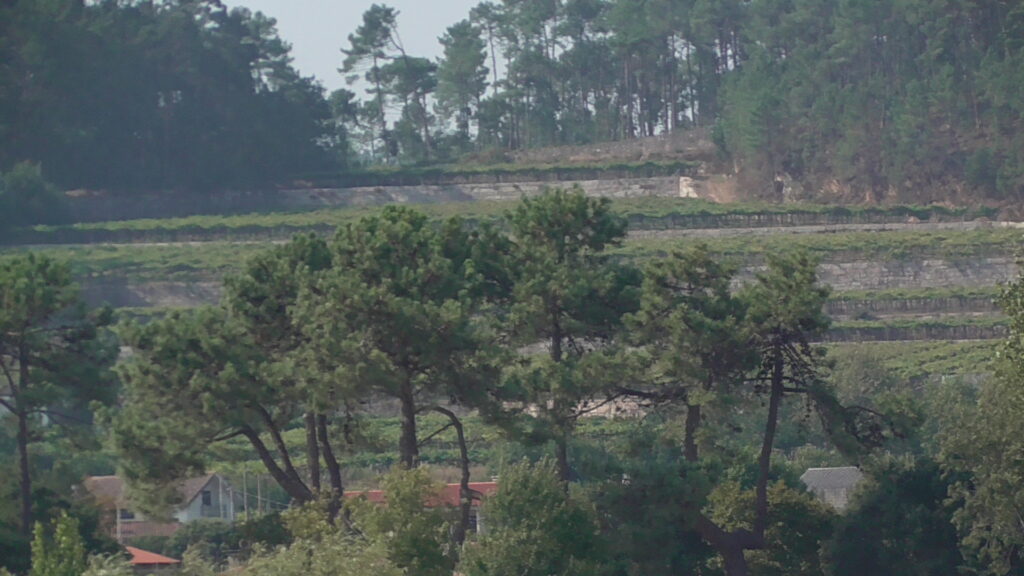
En la subzona de O Rosal, en el suroeste de Galicia, a orillas del río Miño, aquí destacan cuatro uvas blancas autóctonas que definen la identidad del vino local: Albariño, Loureiro, Caíño blanco y Treixadura.