With this itinerary, participants will know and enjoy navigation through the history and the landscapes helped by the augmented vision, audios, and our specialized guides to discover the Arousa, Pontevedra, and Vigo bathed by the Atlantic Ocean. A wonderful approach to these villages, islands, and cities by getting to know their origins and way of […]
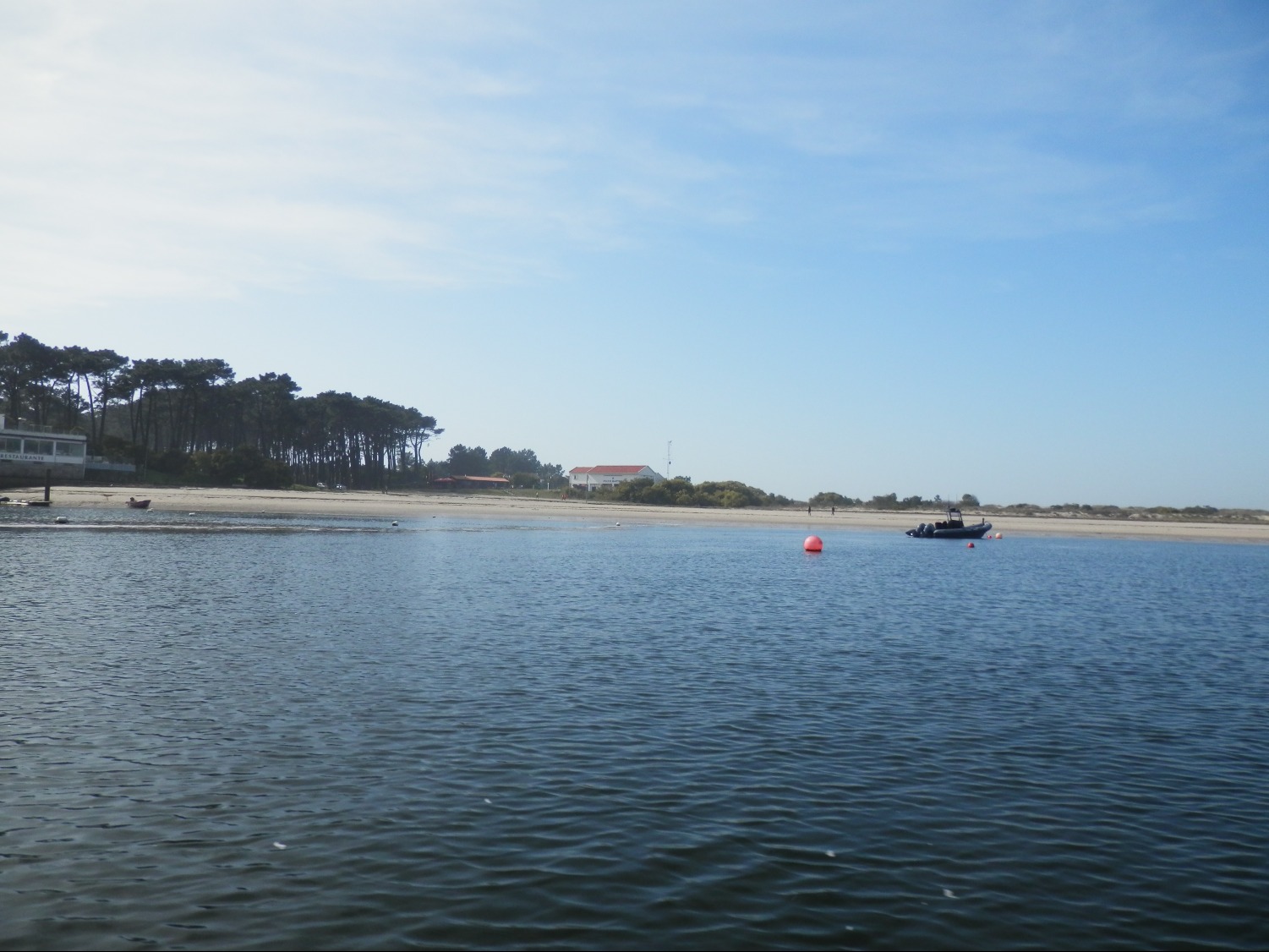
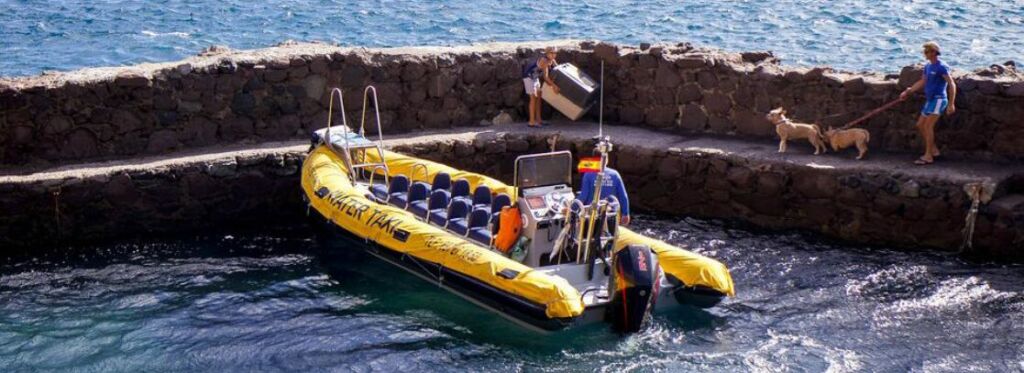
Ride on a semi-rigid speedboat along the beaches of Portosín, the sandy area of the Testal, the O Freixo rafts and the Island of Creba. Emotions, sea, culture and gastronomy
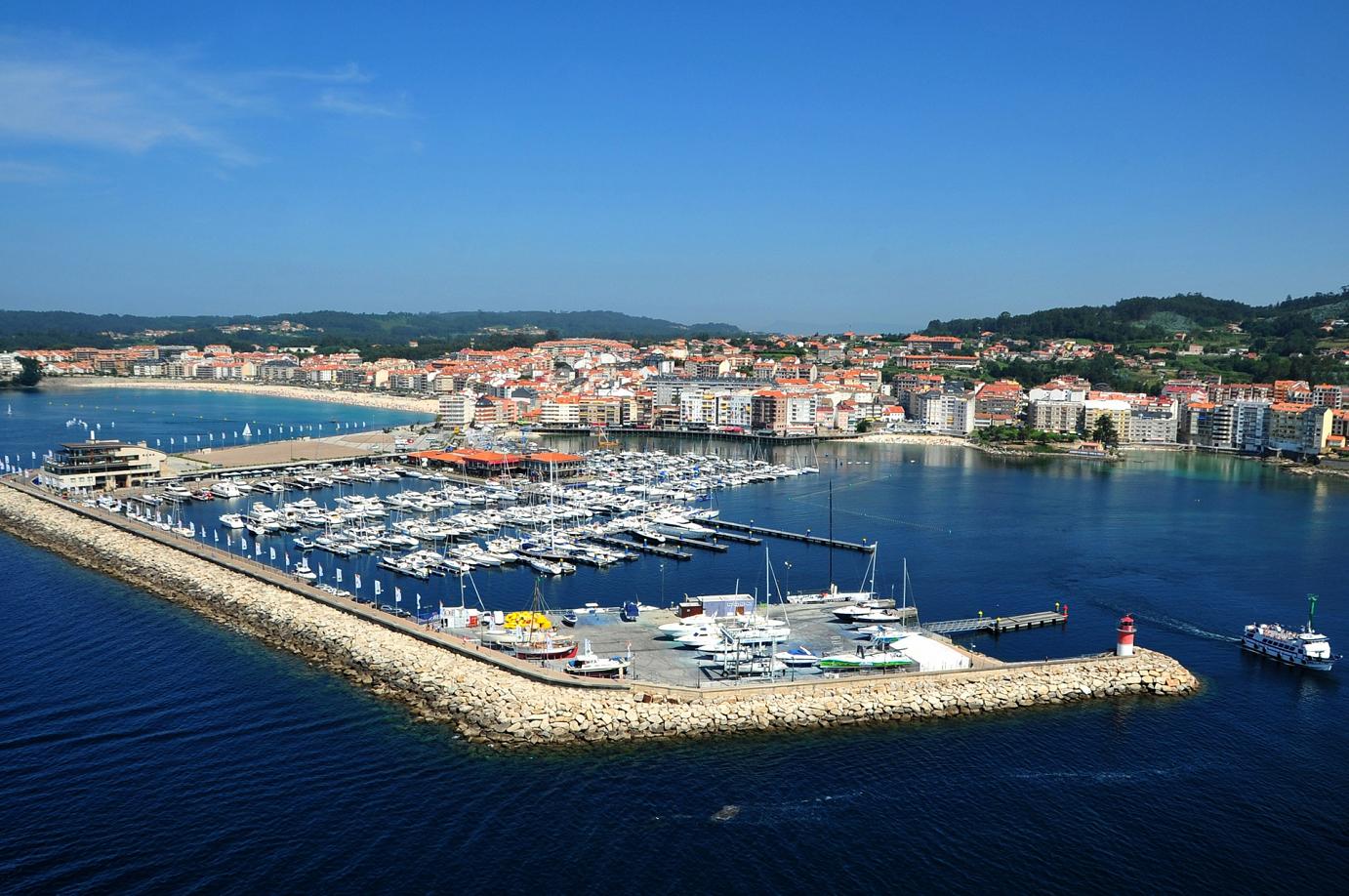
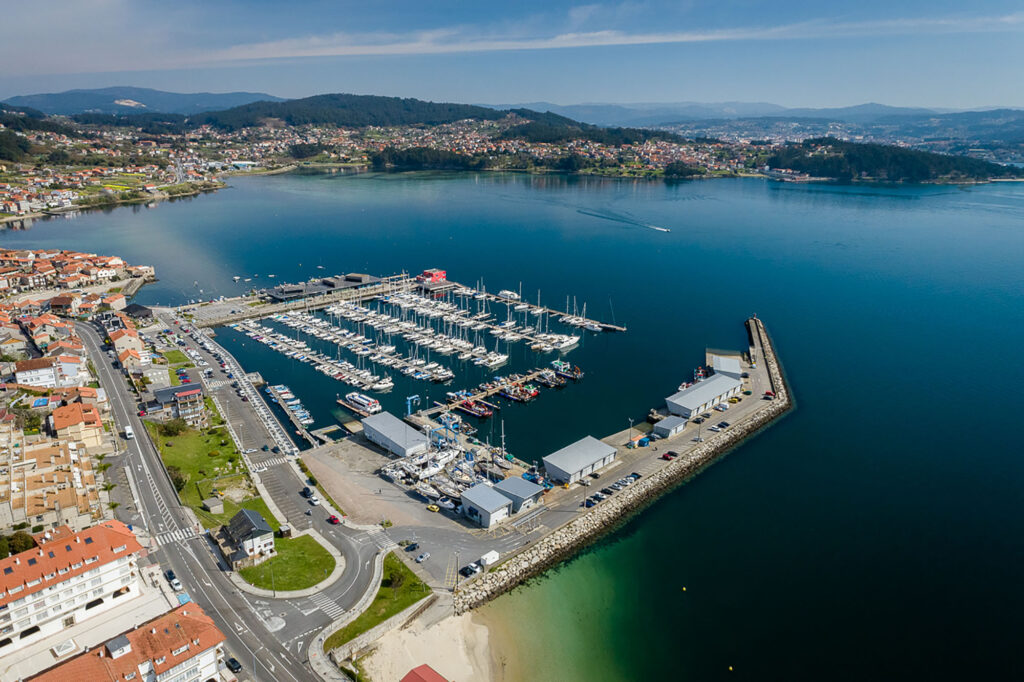
The port of Combarro is located in the Pontevedra estuary, boasting a privileged position surrounded by magnificent beaches and very close to the islands of the Atlantic Islands of Galicia National Park. It has 334 berths with fingers, a captaincy building, and user services, with docks of 16, 18, 20, and 26 meters, as well […]
Salvaterra, una población ligada al río Miño, es una población del área metropolitana de Vigo. Se encuentra a una altitud de 150 metros sobre el nivel del mar. Limita con los ayuntamientos de Ponteareas, Mondariz,
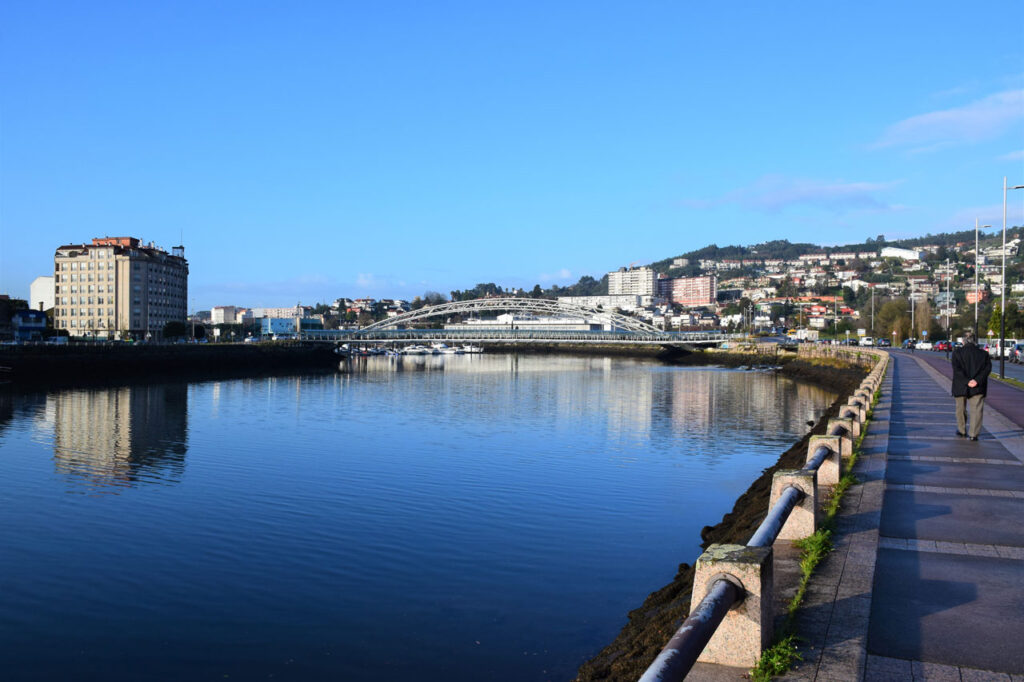
El río Lérez es un lugar de Importancia Comunitaria, esto quiere decir que es un espacio protegido, en España, la Ley 42/2007, de 13 de diciembre, del Patrimonio Natural y de la Biodiversidad los define
The old Fayón railway tunnel, built in 1894, was part of the Madrid-Zaragoza-Barcelona line. With a length of 1,846 meters, it crossed the buttress between the Ebro and Matarraña rivers. Currently, one of its entrances
El lugar de Monterreal se conoce desde hace más de 2000 años como recinto amurallado y lugar estratégico. Habitaron en ella diferentes pueblos, entre ellos; celtas, fenicios y romanos.Durante la guerra entre Alfonso Enríquez y
The Castle of Osma, located in Soria, is a medieval fortress built in the 10th century on a strategic hill between the Ucero and Abión rivers. It was an important Christian defense on the Duero
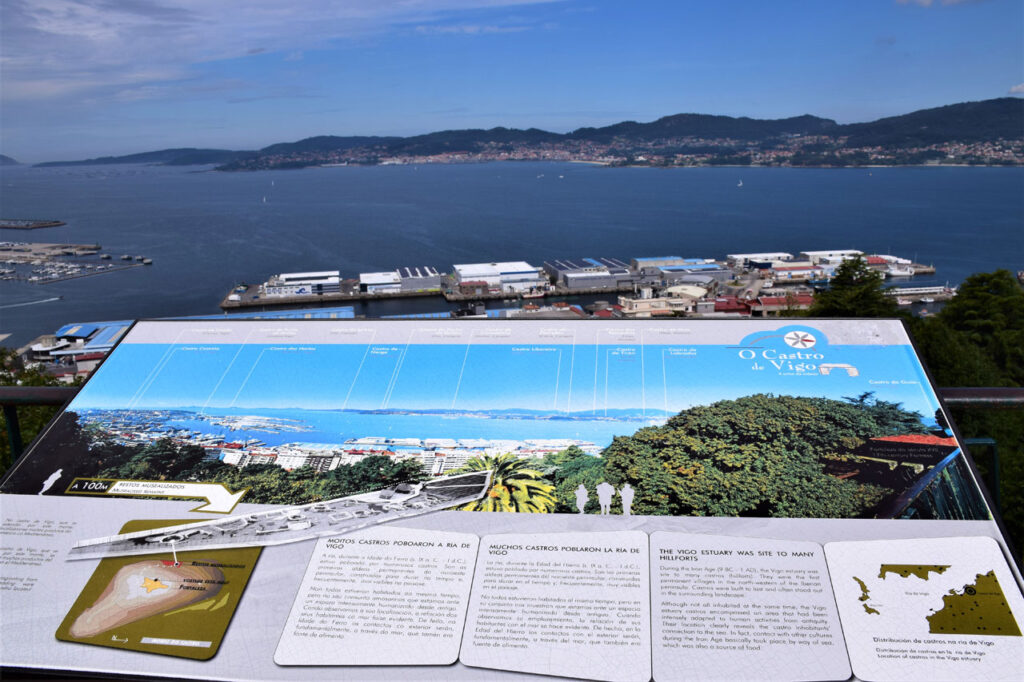
El yacimiento castreño O Castro forma parte de un gran castro de la Edad del Hierro que ocupó todo el monte de O Castro. Estuvo habitado, según los datos arqueológicos, ente el siglo III a.