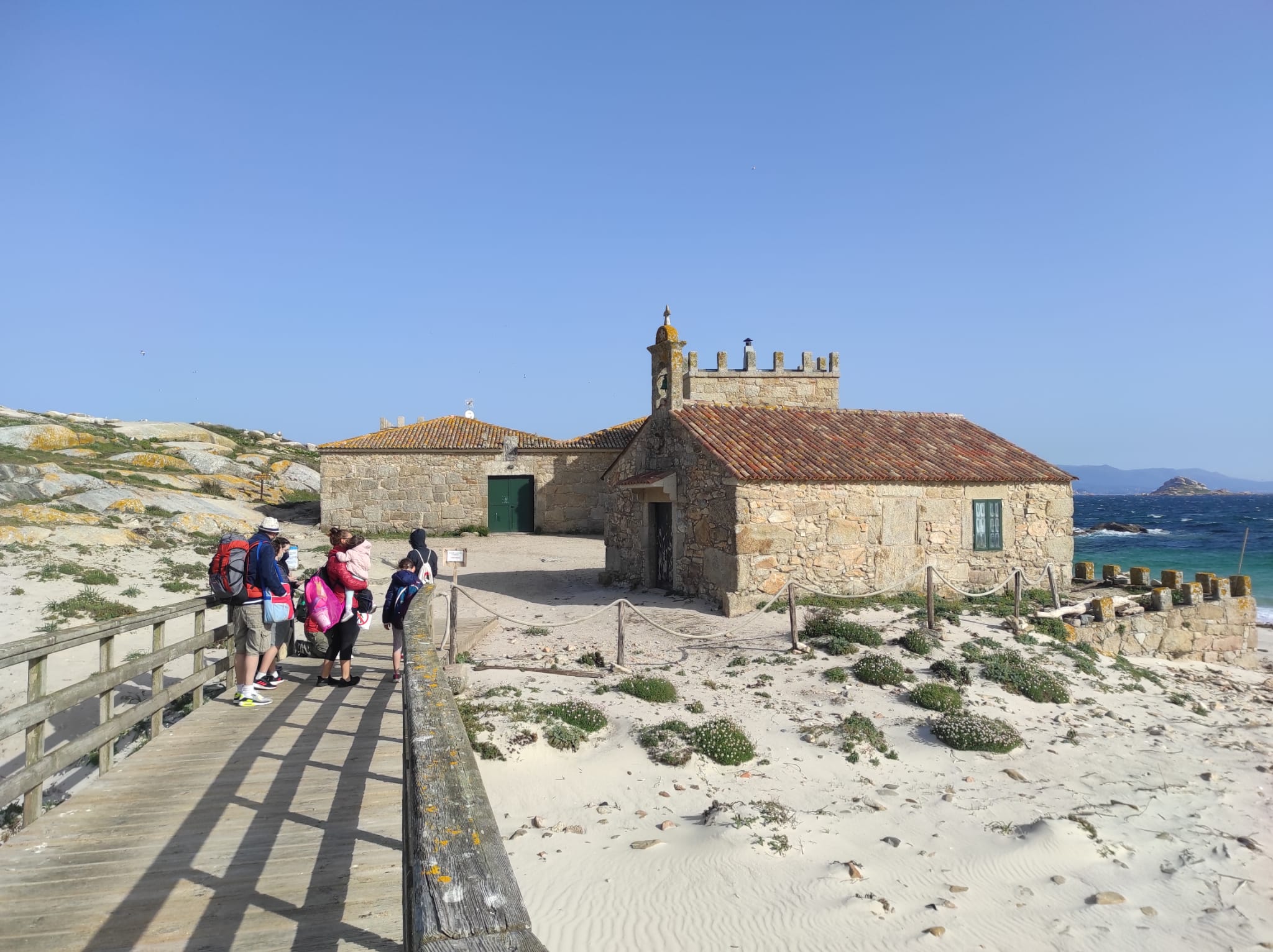
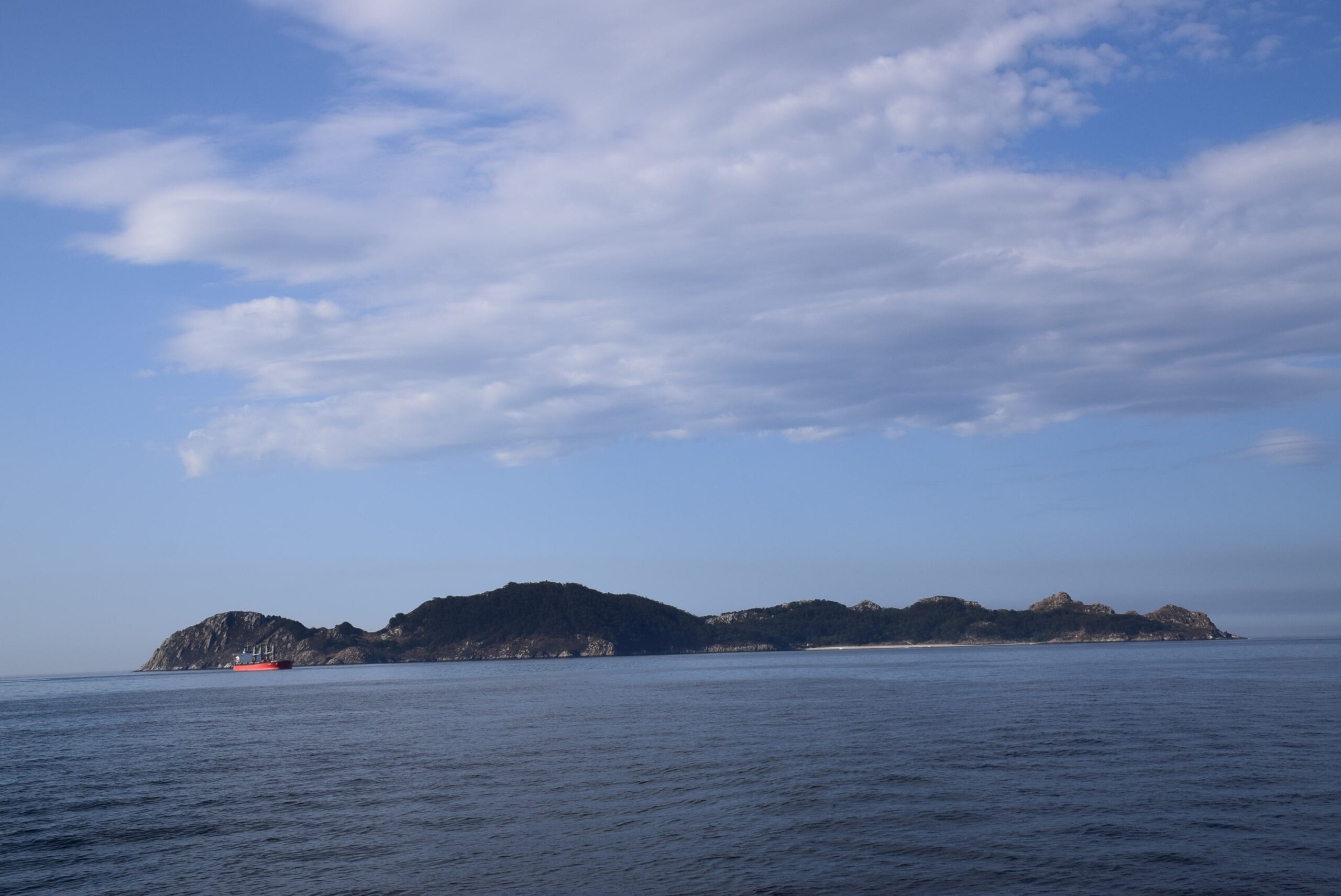
This cultural and nautical itinerary is linked to the ancient trade routes of the Phoenicians in search of the tin found on the Casterides Islands, one of which would be the Cíes Islands. The Cíes Islands are part of the only National Park in Galicia called the Maritime-Terrestrial National Park of the Atlantic islands. This […]
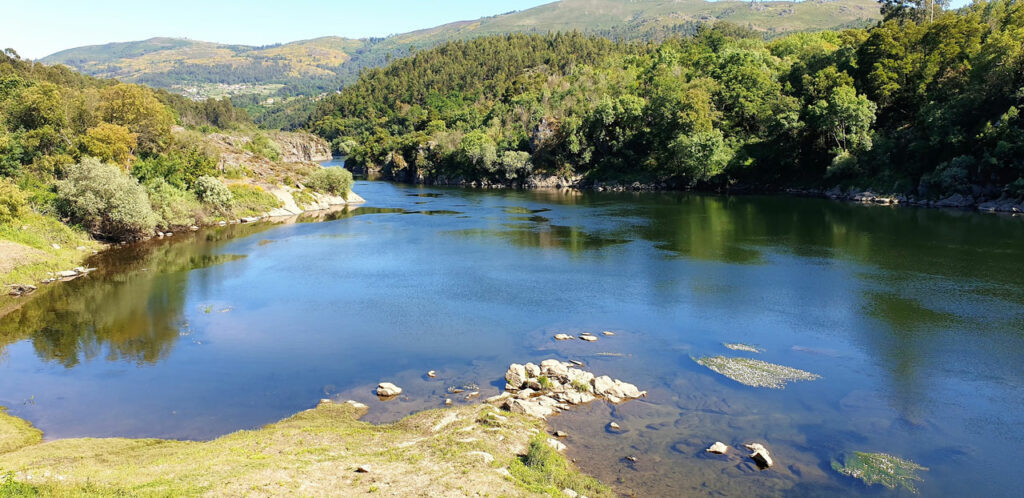
To get there, we will have to walk a distance of 2800/3000 m from the Os Peares train station, or walk 1500 m down from where the paved road of Sandamiro ends. The latter leads us to what is a cart path. There is vegetation with large oak groves and nearby terraced vineyards. In this […]
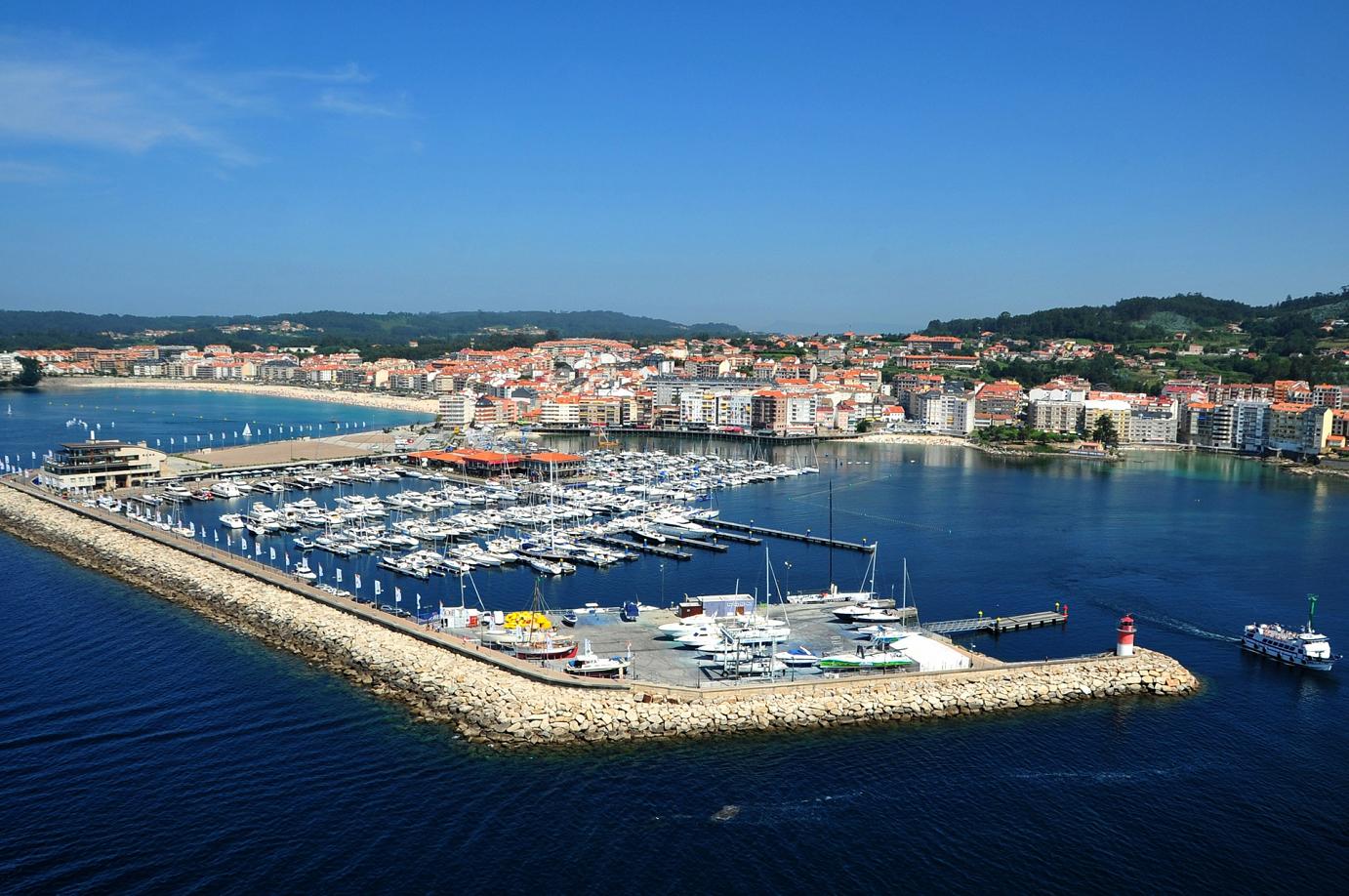
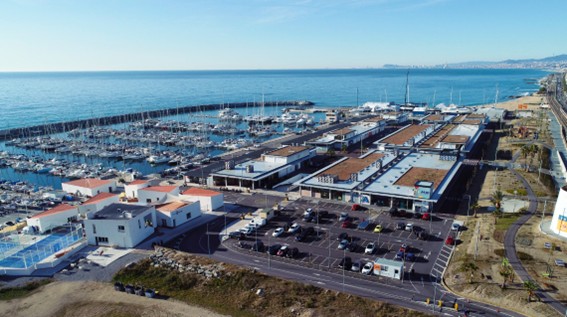
The port is located in the town of Premià de Mar, a town with a long maritime tradition and home to cultural resources of notable interest such as the Museu de l’Estampació and the Museu Romà.
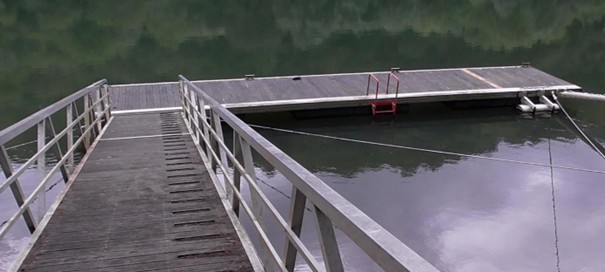
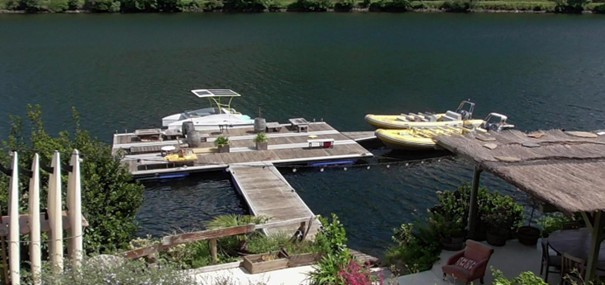
The surroundings of the Tanxarela pier stand out for the visual depth offered by the Miño River, framed by the vineyards covering both banks. You can see the terraces and traditional paths used to transport grapes, as well as the old dock that facilitated river communication through characteristic boats of the area. Some of these […]
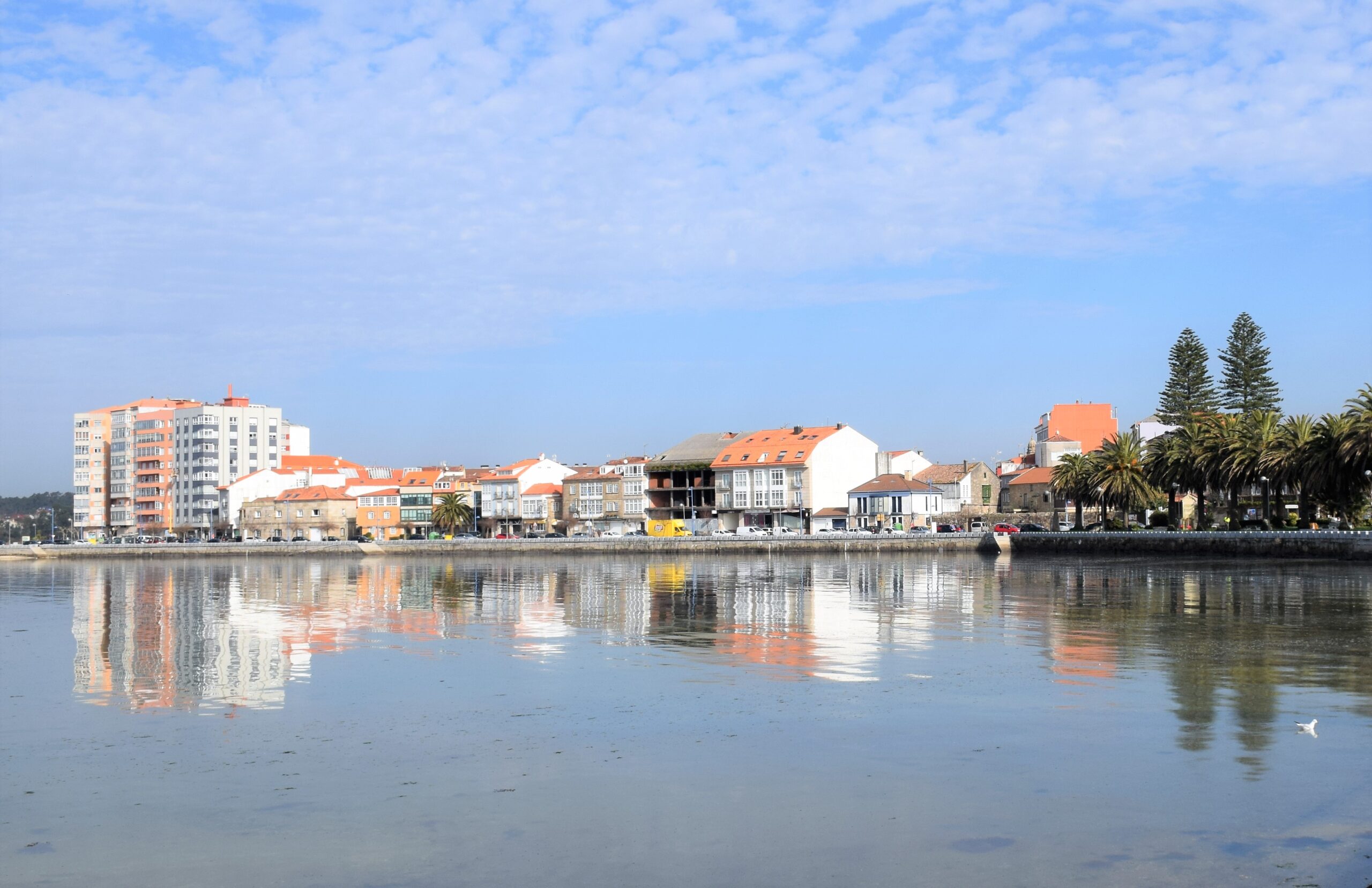
Cambados es una de las villas turísticas gallegas por antonomasia. Un auténtico museo al aire libre esculpido en piedra, que atesora uno de los conjuntos históricos mejor conservados de Galicia por su infinidad de pazos
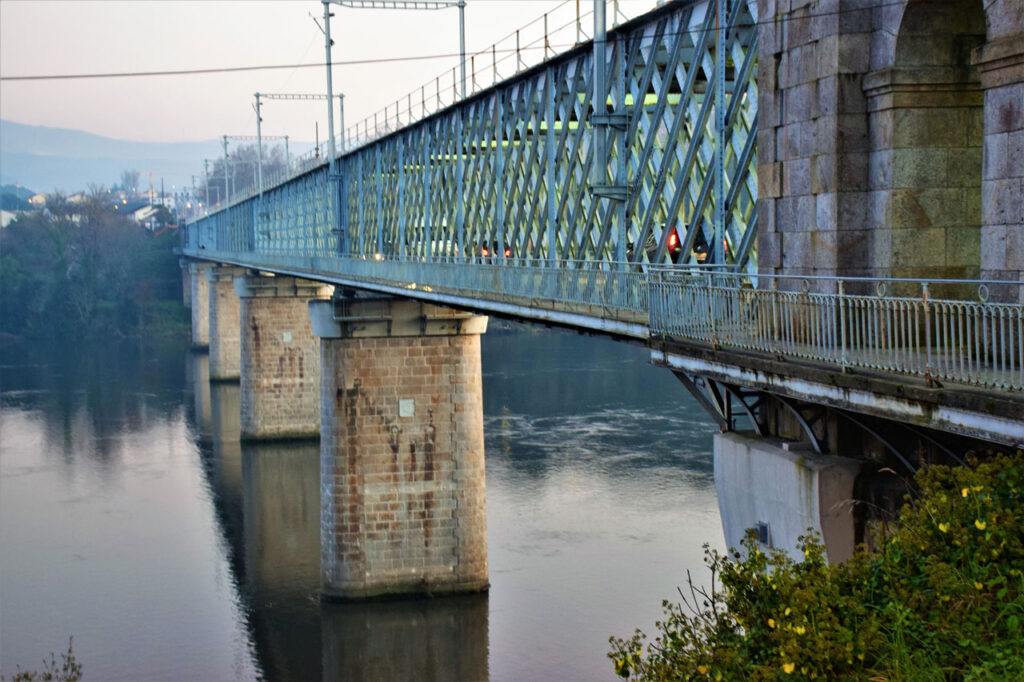
El puente internacional de Tui fue inaugurado en 1886 por el ingeniero riojano Pelayo Mancebo de Agreda. Pero, para evitar propagación de enfermedades no fue utilizado hasta dos años más tarde.Está construido sobre el río
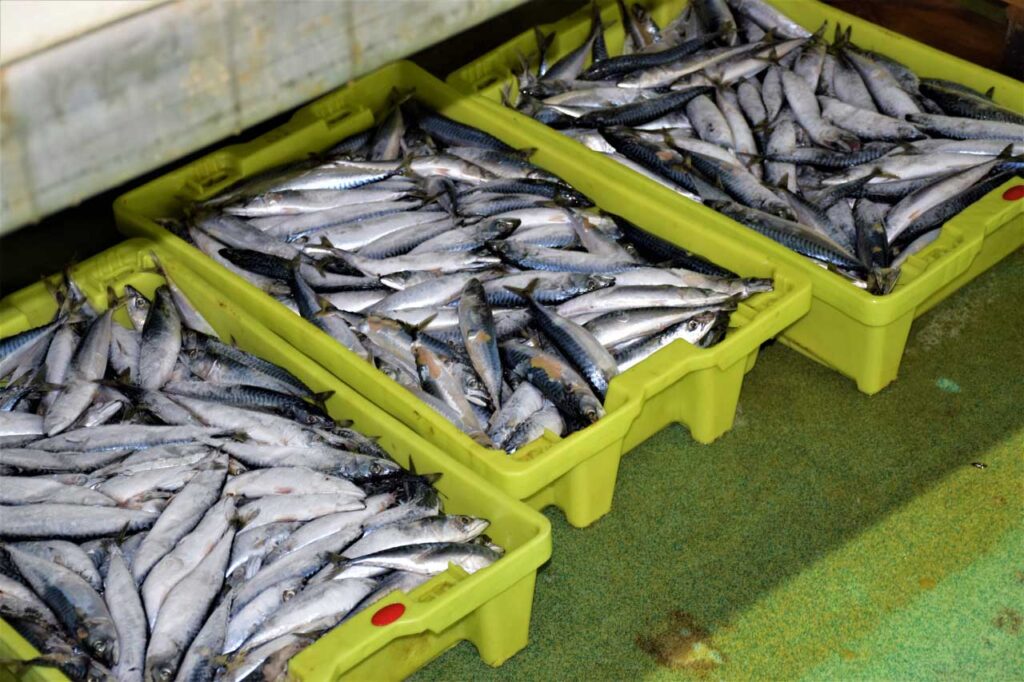
La sardina Sardina pilchardus (Walbaum, 1792), también conocida como parrocha o xouba, es un pescado azul de agua salada que vive en aguas desde 12 a 24 grados. Pertenece a la familia de los Cupleidos
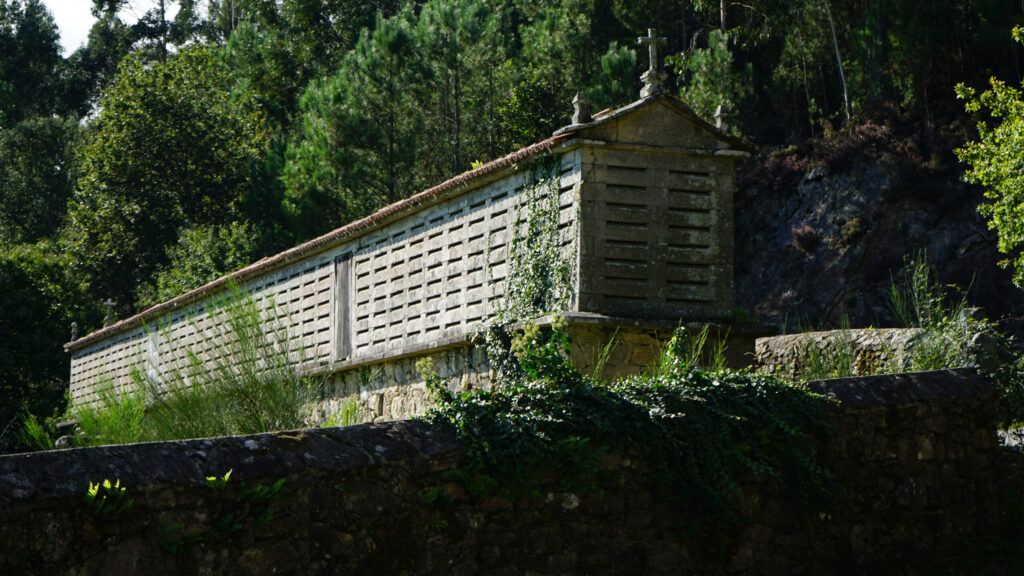
El hórreo gallego es una construcción específica de la comunidad autónoma. Su utilización fue agrícola y se destinaba a secar y guardar el maíz, además de otros cereales antes de desgranarlos y molerlos. Cumplía una
Nos encontramos en la Provincia de Pontevedra, en Cangas y, por lo tanto, en plenas Rías Baixas, de la que la Ría de Aldán forma parte. Su configuración la limitan el cambo Udra (Bueu) y
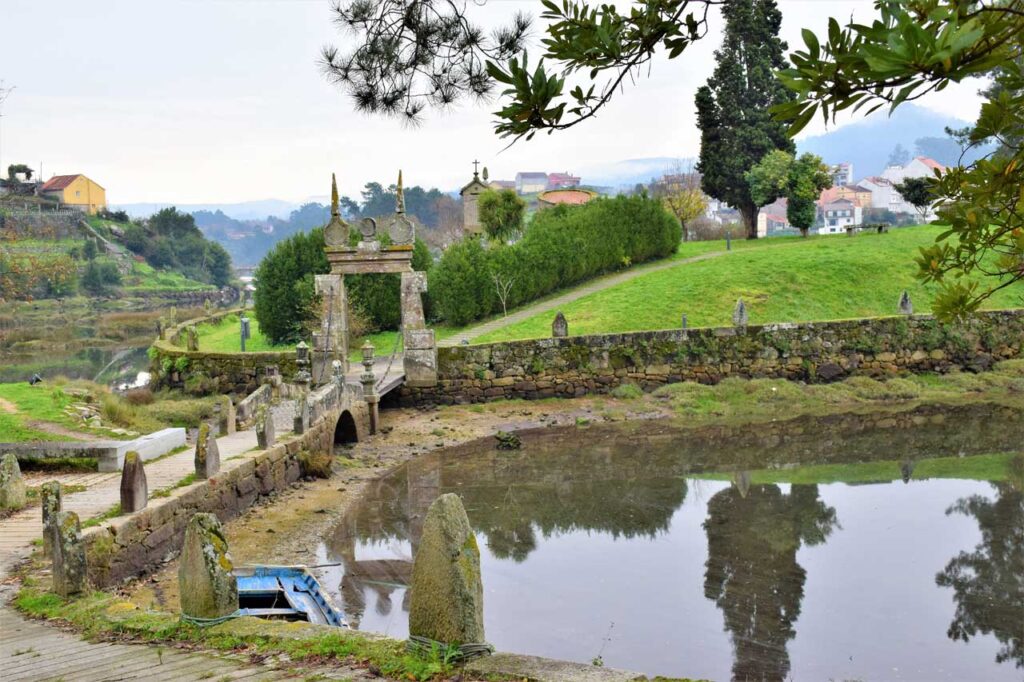
La isla de Medal o Insuíña está localizada en la desembocadura del río Verdugo, cerca de Ponte Sampaio. Es una pequeña isla unida a tierra por un pequeño puente. Su nombre viene de que perteneció