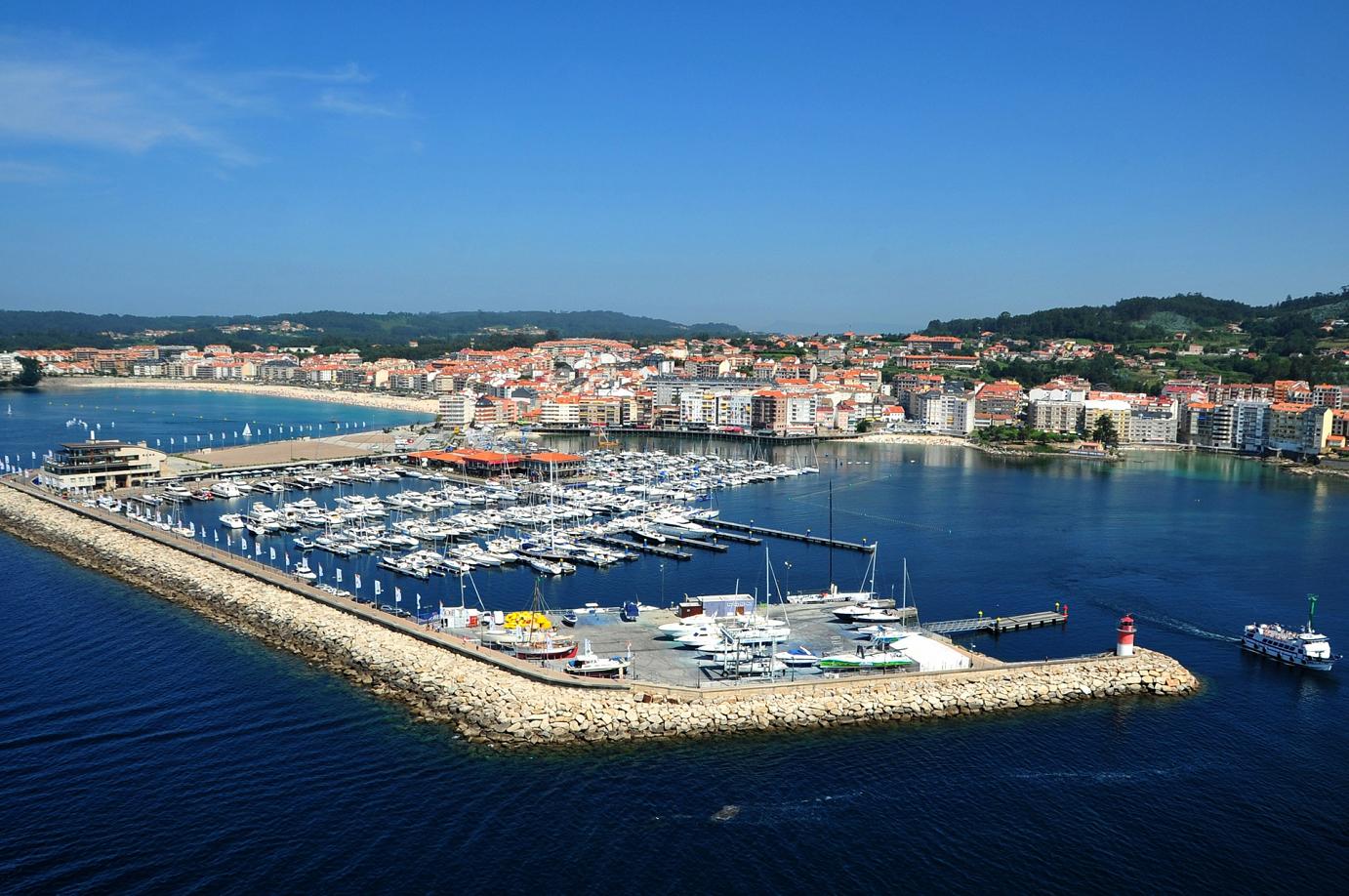
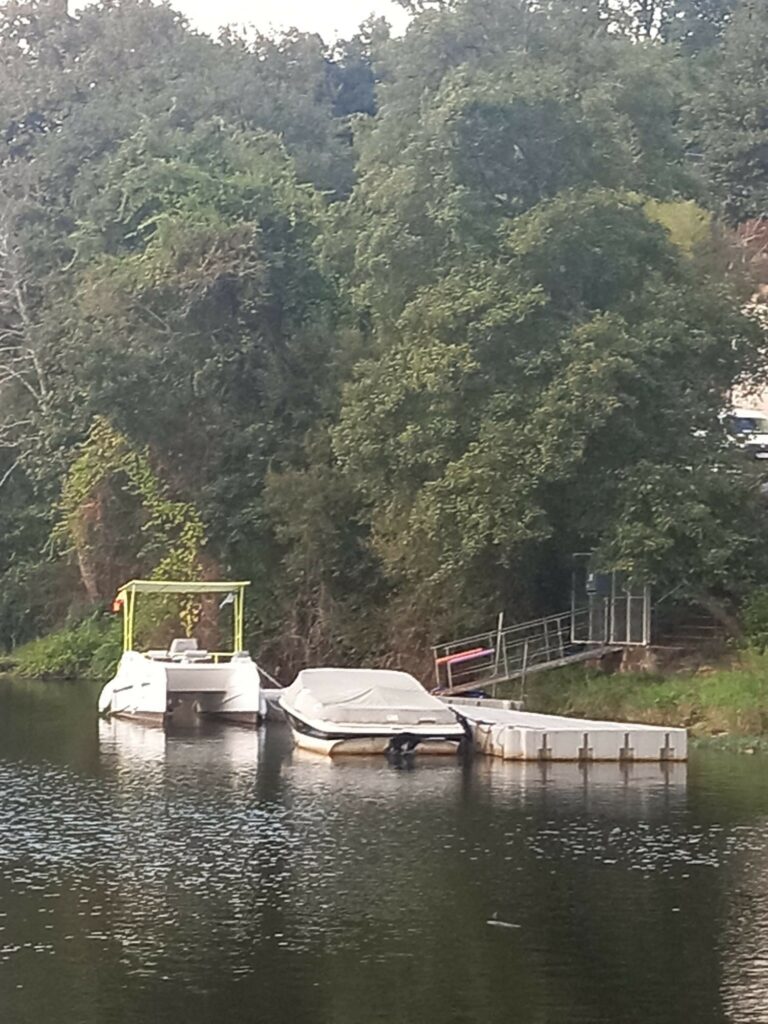
The departure point is the Traveler Reception Center, where you can obtain information, purchase tickets, and plan your visit. Every day, the boat departs for the Macías Picavea Canal for a journey of approximately one hour. During high season, an extended two-and-a-half-hour route is also available (Thursdays, Saturdays, and Sundays) that sails to the impressive […]
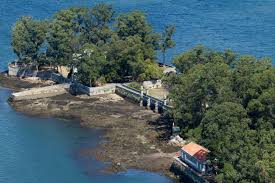
With this route we will get to know O Serrido Beach, San Sadurniño Tower, A Toxa, Illa de Arousa and O Carreirón Natural Park. We will also get to know the rest of the points of interest in the environment, the maritime signalling, the different fishing gear and the rafts. Once the boat ride is […]
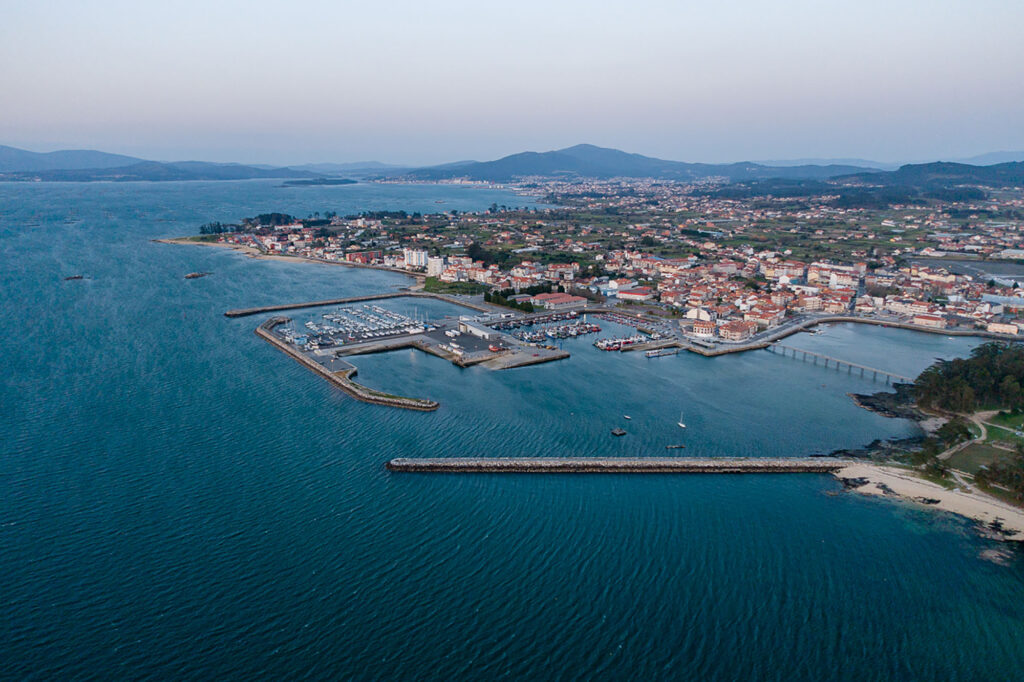
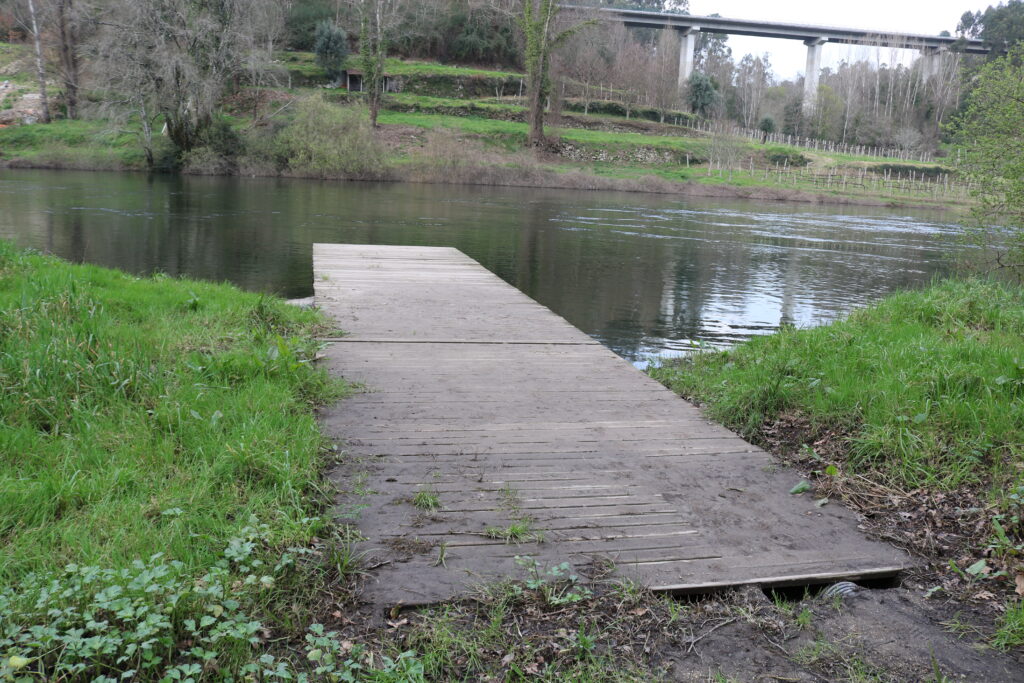
This marina is in the Arousa Estuary. It is a place of great tourist attraction for lovers of the sea. It is an area with no mussel rafts, allowing sailing in free-of-danger waters and with sufficient depth. To the north, we find stunning beaches and to the south a footbridge over the sea.
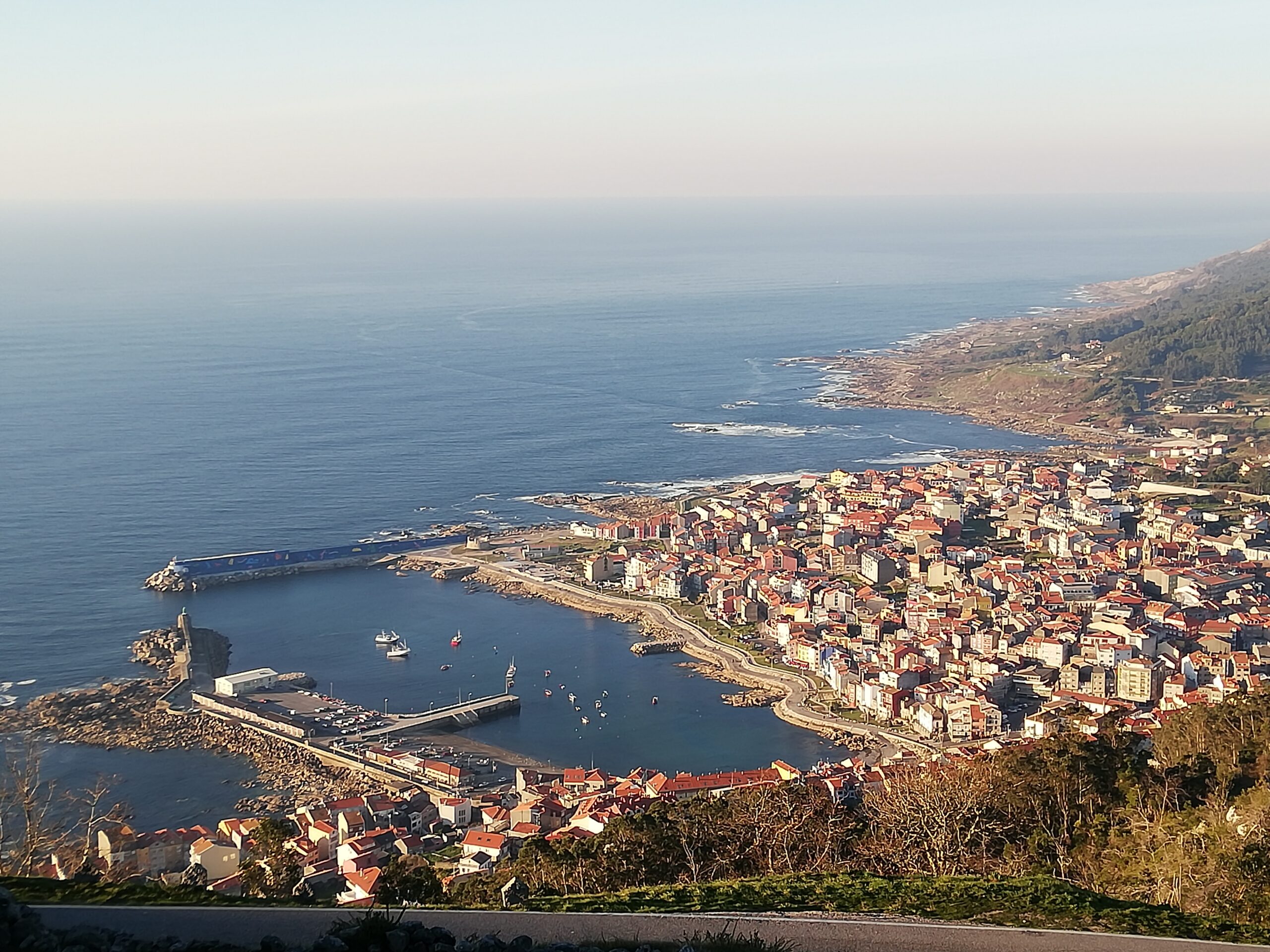
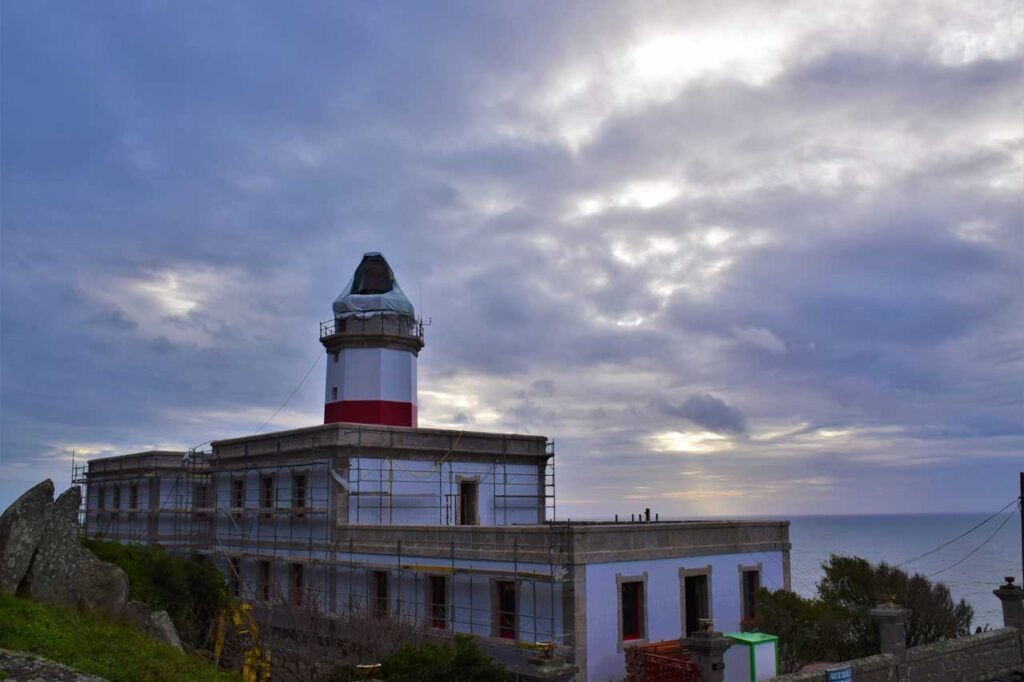
Cabo Silleiro es un accidente geográfico situado en el suroeste de Galicia, en la parroquia de Baredo (Baiona), que cierra la ría por el sur, marcando el inicio de las Rías Bajas hacia el norte.Es
The thermal waters of Laias, located in the province of Ourense, are known for their therapeutic properties. These waters, with a bicarbonate, sodium, fluoride, and sulfur composition, are especially recommended for treating dermatological diseases, digestive
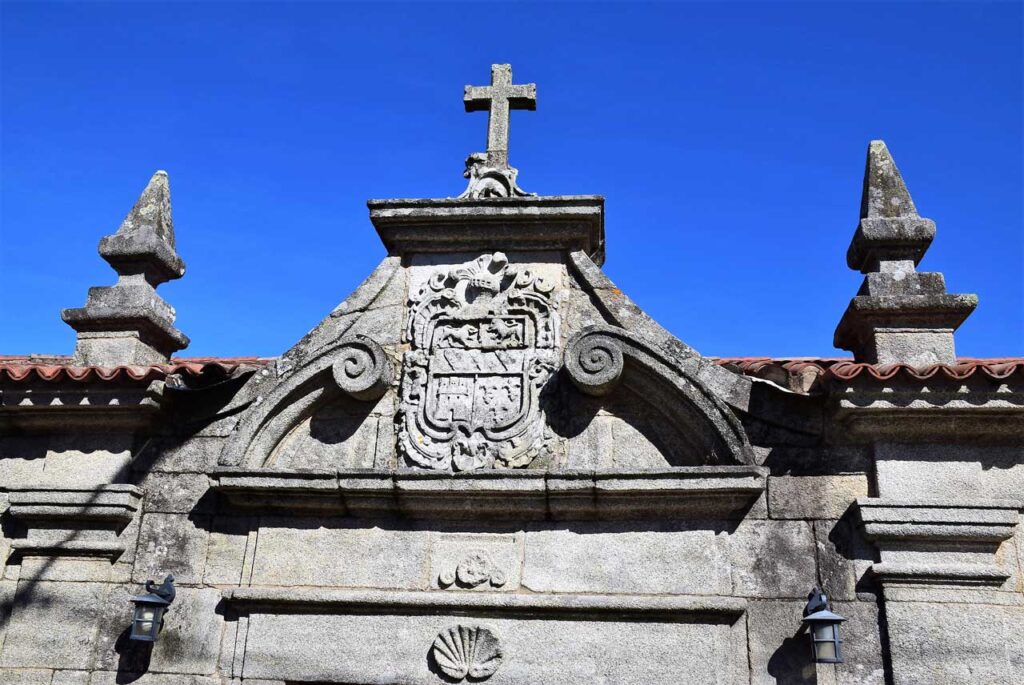
The Pazo de Lis is a baroque-style building located in the municipality of Meaño. It is one of the towns that make up the well-known Valle del Salnés along with Vilagarcía and Cambados, among others.
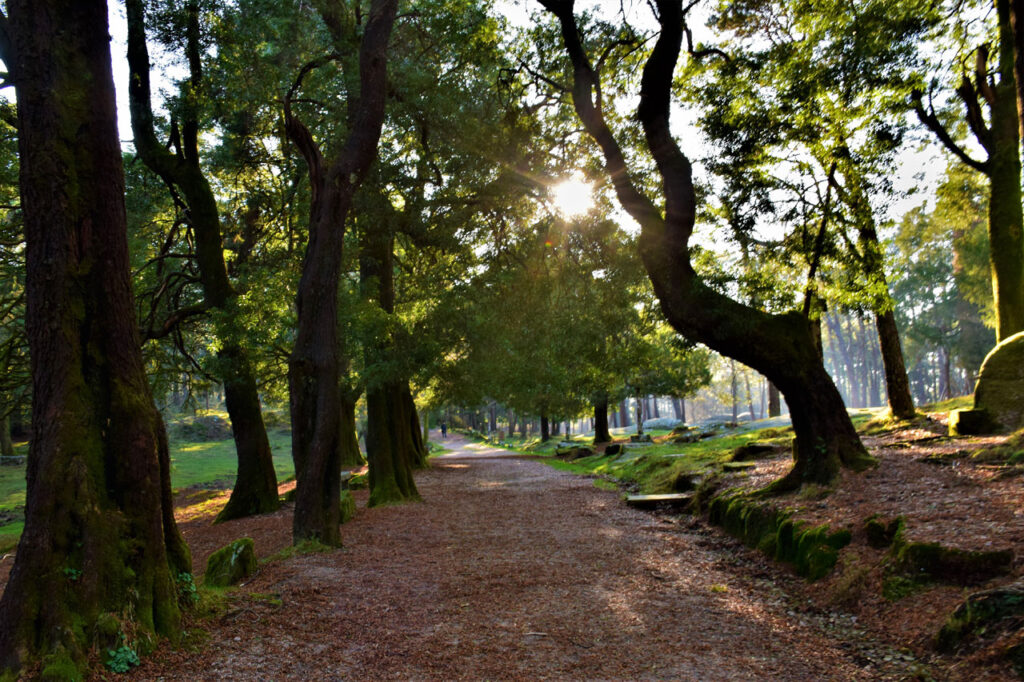
En Galicia existen seis Parques Naturales distribuidos a lo largo de la comunidad, el monte Aloia conforma uno de ellos. Se fundó el 4 de octubre de 1978, siendo el primer Parque Natural de Galicia.
The underground wineries of Aranda de Duero form a network of more than 7 kilometers of tunnels excavated between the 12th and 18th centuries beneath the historic center of the city, traditionally used for the