


Illa de Arousa and Phoenician Trade. Phoenician Remains
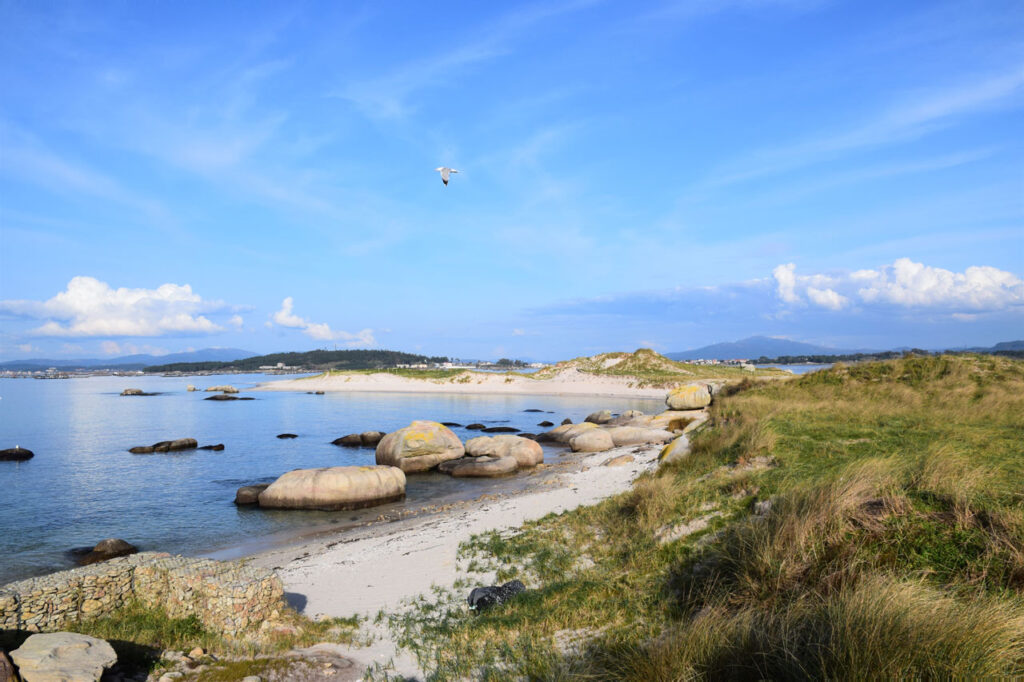
For centuries, Phoenicians, Romans, Saracens, and Vikings came to the O Salnés region in the Rías Baixas, attracted by its riches. Today it is still possible to trace the footprints of their passage through the region, sheltered by the ría de Arousa, dotted with castros that attest to the long history of the area. The […]
Pedornes Petroglyph and Phoenician Navigation
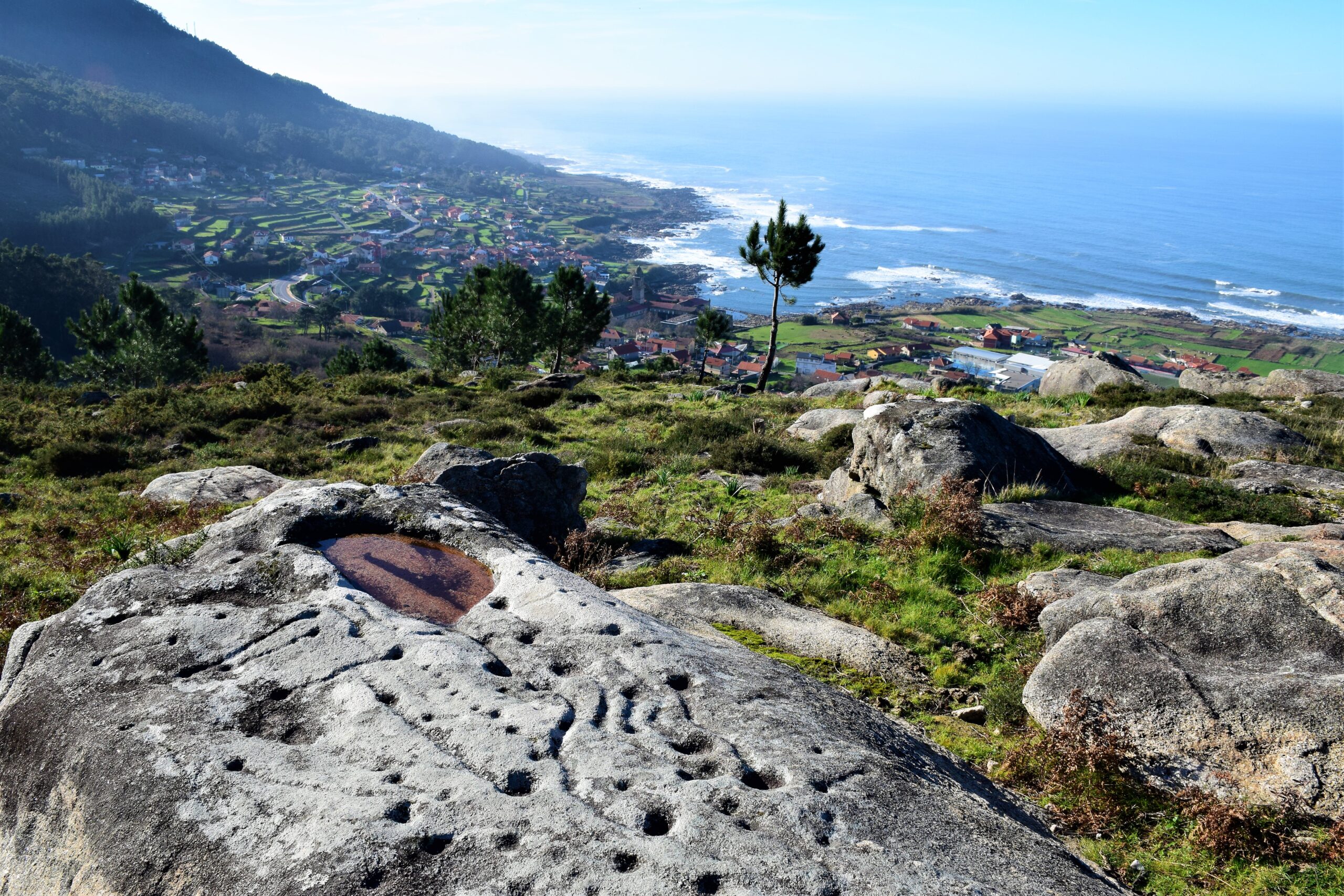
The coastal strip of Oia is also known as the “Coast of the Castros.” Among the dozen Iron Age settlements known in this area, those of Chavella, Cono dos Mouros, and A Cabeciña stand out. The latter is a beautiful castro, with numerous rock engravings, among which the complete circular combinations interlinked with each other […]
Cambados. Fefiñáns Manor Winery. Square, Bridge and Church
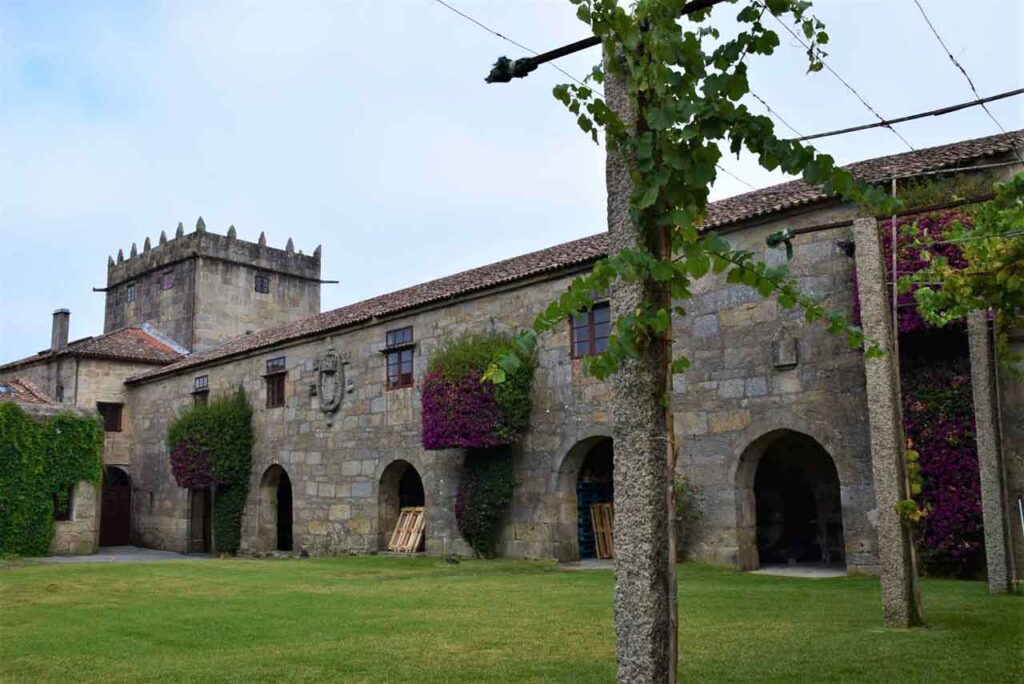
Cambados is a historic site, considered one of the most beautiful, admired, and interesting tourist destinations in Galicia. Located in the Ría de Arousa, it boasts numerous manor houses, noble homes, squares, cobbled streets, and museums; spread throughout the three ancient towns of Fefiñáns, Cambados, and Santo Tomé do Mar. It was declared a Site […]
Santo Tomé de Cambados. Oyster Boats
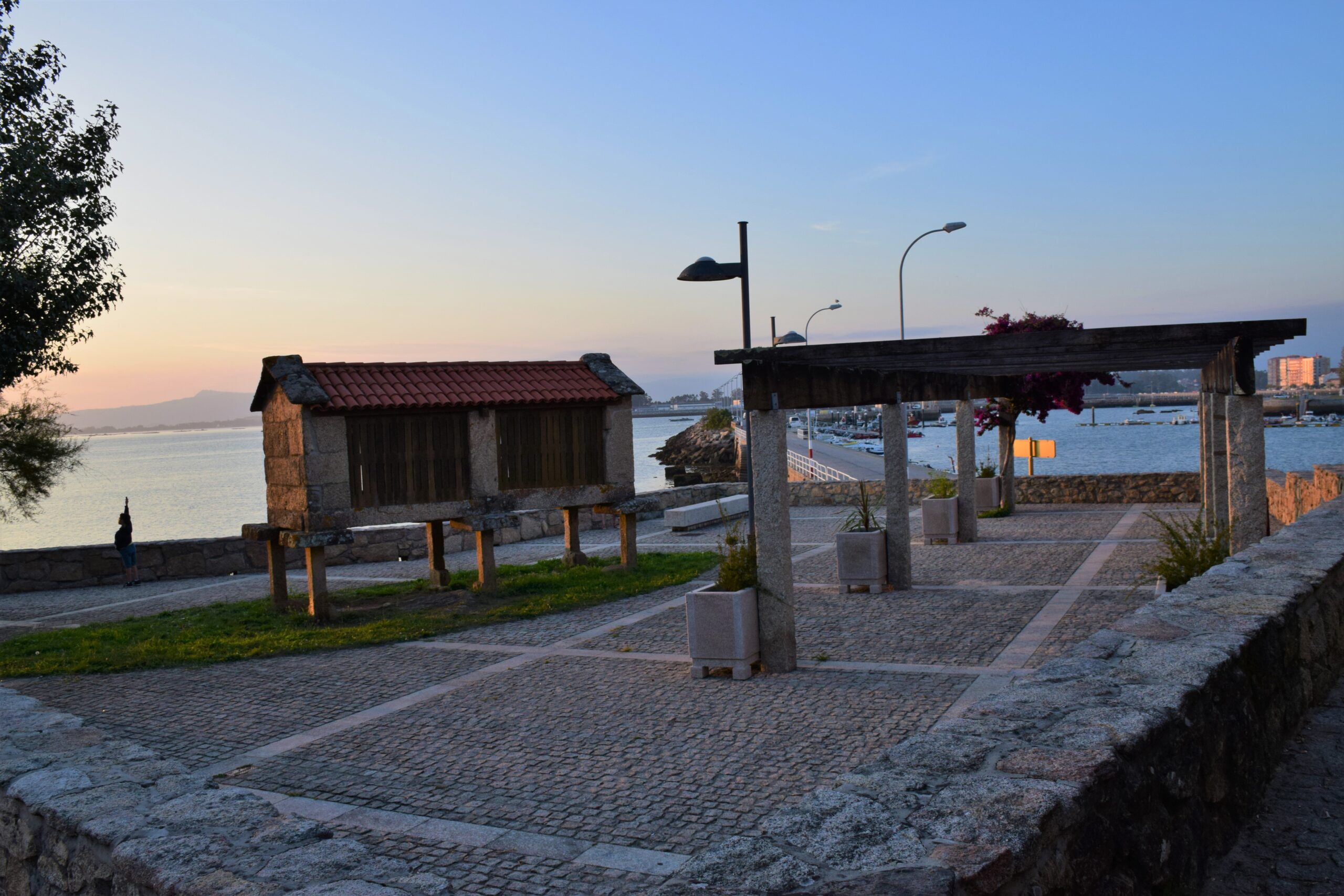
From the central core of Cambados, we can access the village of San Tomé through the pedestrian Calle Hospital. This former independent town now forms part of the Cambados and Fefiñáns area. With a strong maritime accent, it features numerous houses covered with shells, balconies, and galleries. The smell of the sea blends with the […]
Pontecesures
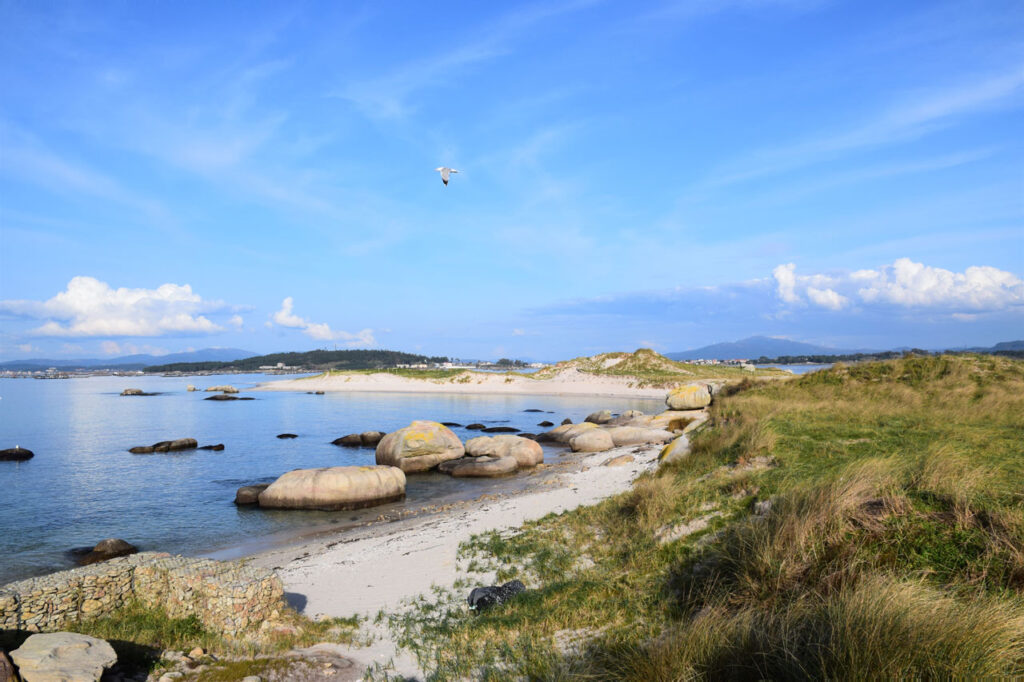
The river port of Pontecesures was one of the oldest ports in Galicia, a shipyard of the Armada of Castilla in the fight against Saracens and Normans, and the base of the salt trade monopoly in the 15th century. A place of passage and entry since time immemorial, traces of Phoenicians, Greeks, Carthaginians, and the […]
Carabela La Pinta Museum. Baiona
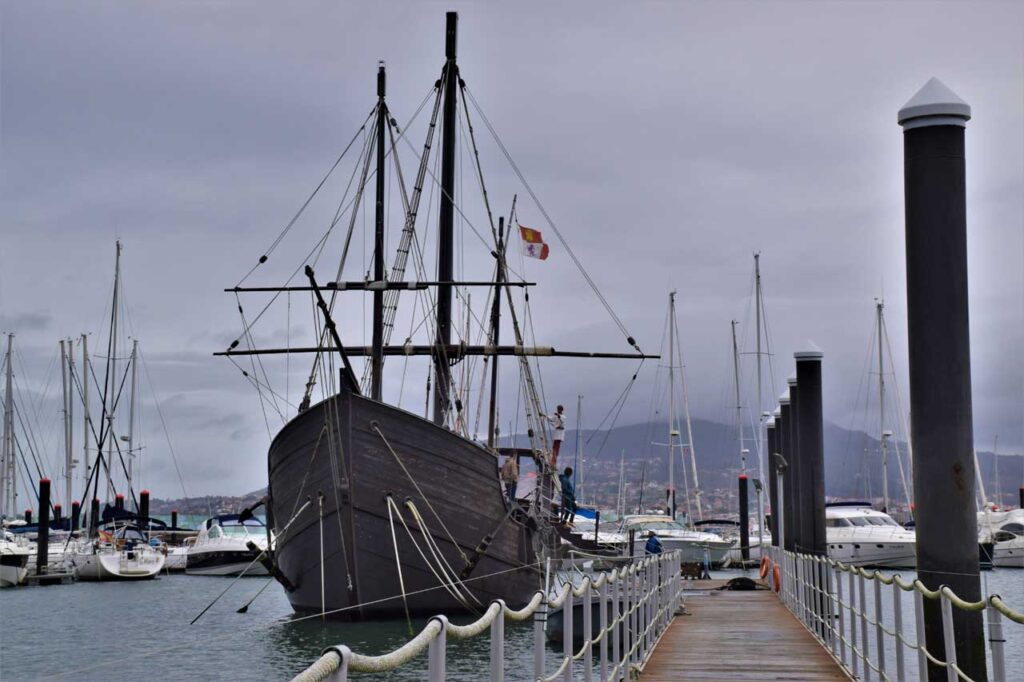
With the commemoration of the fifth centenary of the Discovery of America, the replica of the Carabela La Pinta was built, made in the shipyards of A Guarda where it periodically returns for maintenance. It was converted into a museum by the city council and was refurbished in 1999, equipped with all the elements of […]
Castro O Castriño
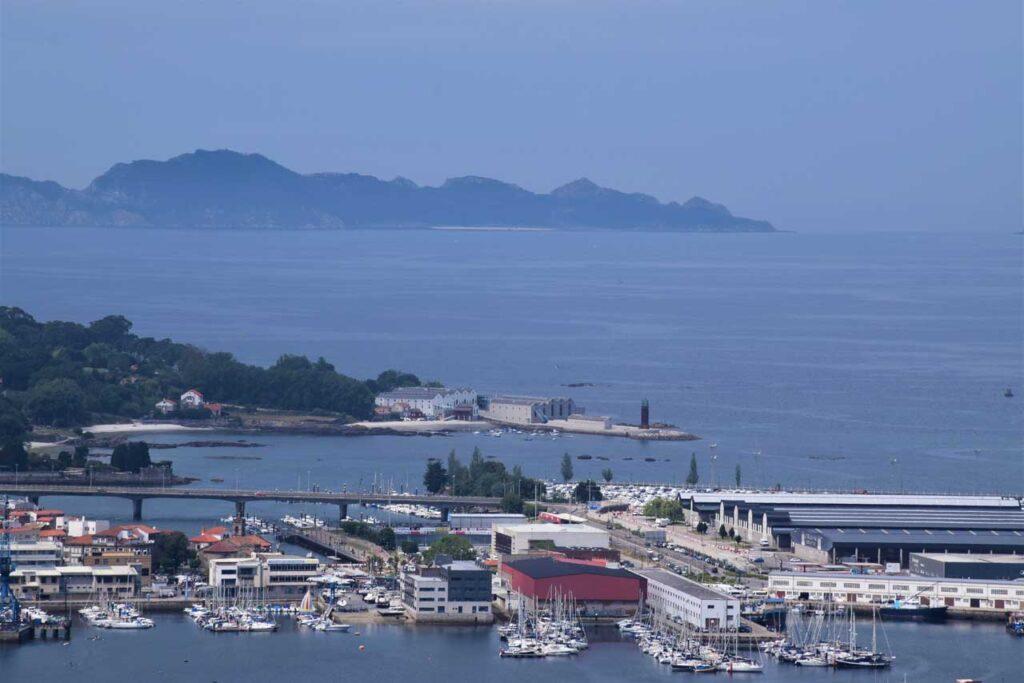
The castro known as O Castriño is one of the five castros located along the Vigo coastline. It is situated in the parish of Coia. Numerous fragments of castro pottery of different types were found at O Castriño, along with foreign ceramic remains, mainly represented by Punic amphorae. These findings date this castro between the […]
Castro de Chandebrito and the Phoenician Society
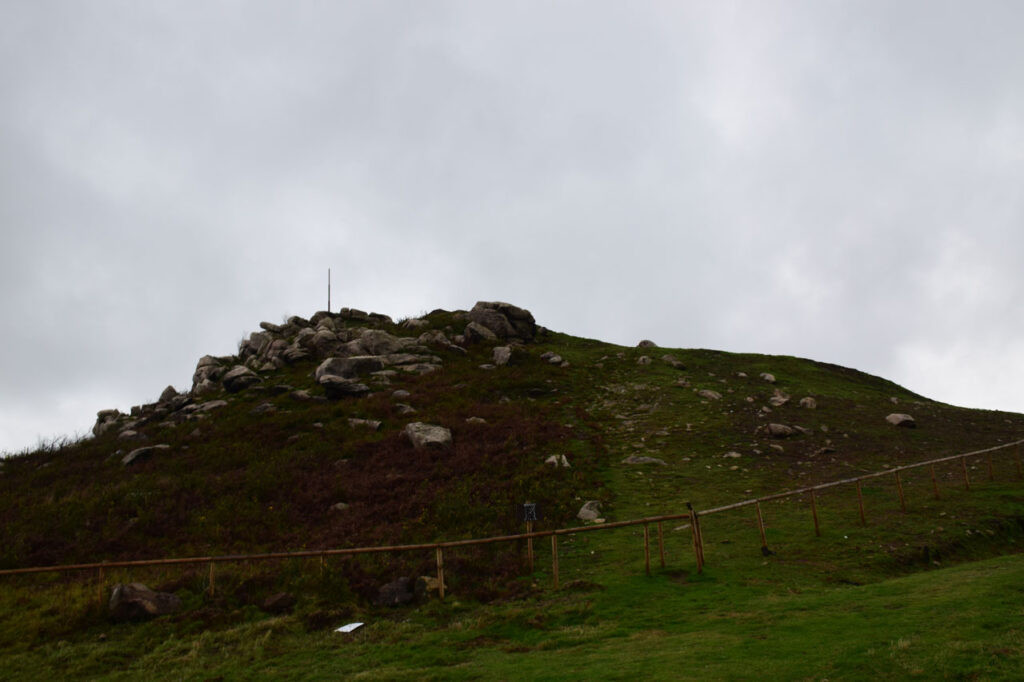
The Castro de Chandebrito is located in the parish of San Xosé de Chandebrito, situated in the Pontevedra municipality of Nigrán, on Mount O Castro, at 376 meters above sea level, which gives it a strategic geographical position. It is one of the castros that best preserves its original configuration. This castro is visible from […]
Baiona Fish Market
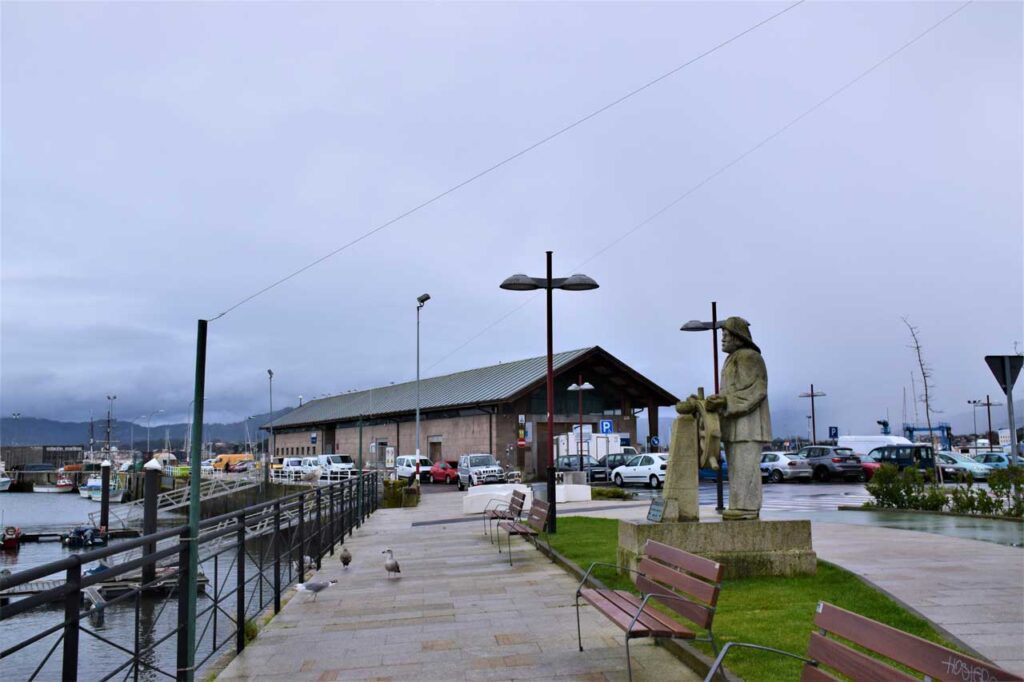
The Baiona Fish Market is located at the entrance of the fishing port, corresponding to the area occupied by the current waterfront promenade. It is the facility dedicated to the auction of shellfish and fish. It is mandatory that the first sale of all fishing and shellfish products takes place here, under the responsibility of […]
Montealegre Castro
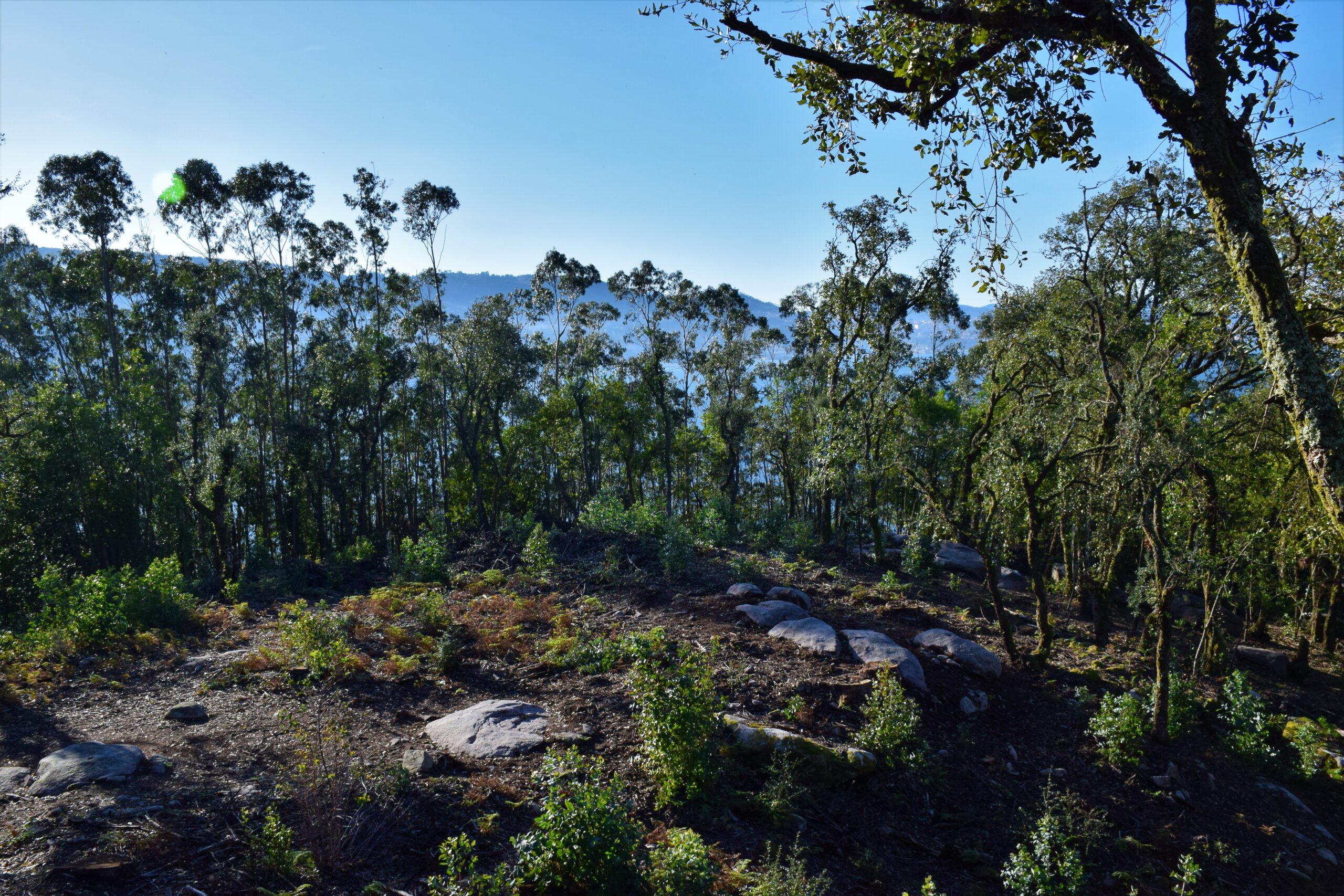
The Montealegre Castro, in Moaña, has provided an interesting set of Mediterranean imports, mainly from the mid-2nd century BC to the early 1st century AD. Located on the southern coast of the Morrazo peninsula, in the Vigo estuary, through which the AP-9 highway currently passes, connecting Portugal and A Coruña. The importance of this castro […]