About this heritage
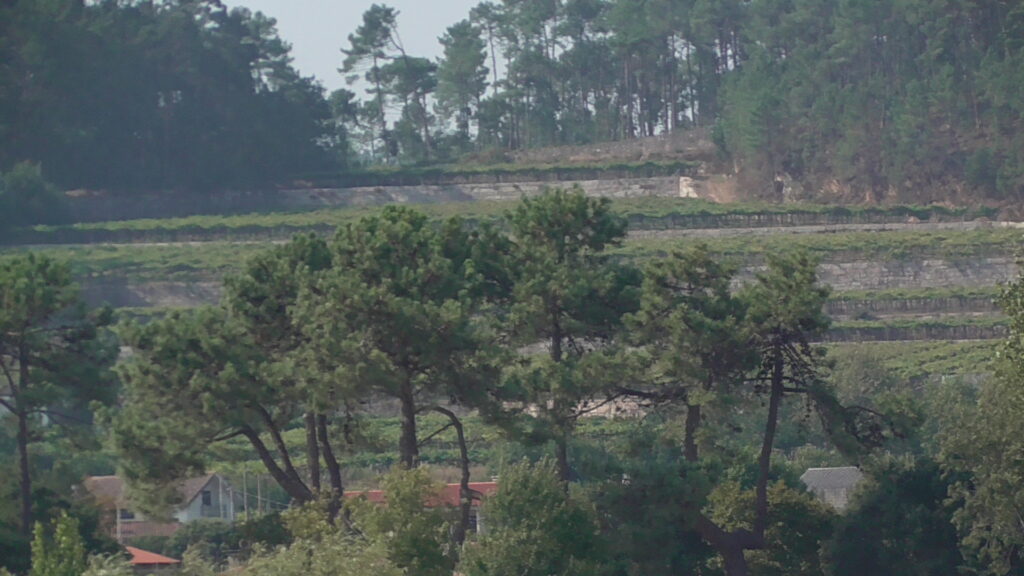
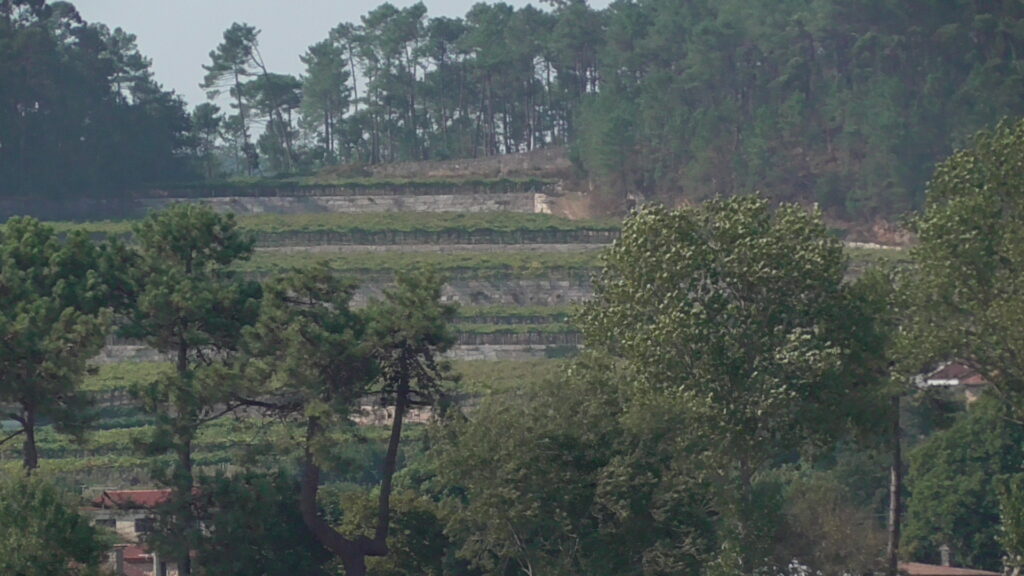
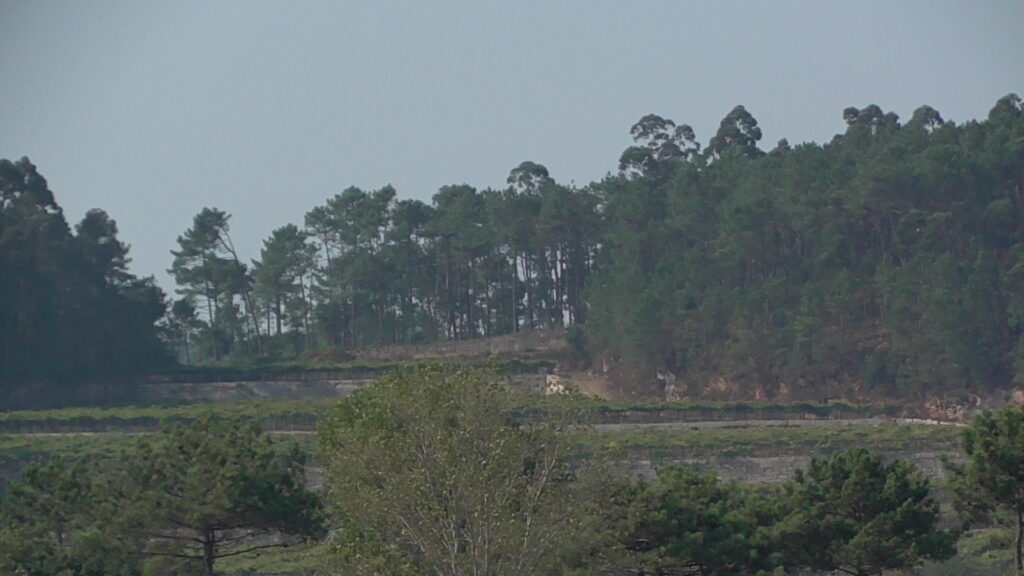
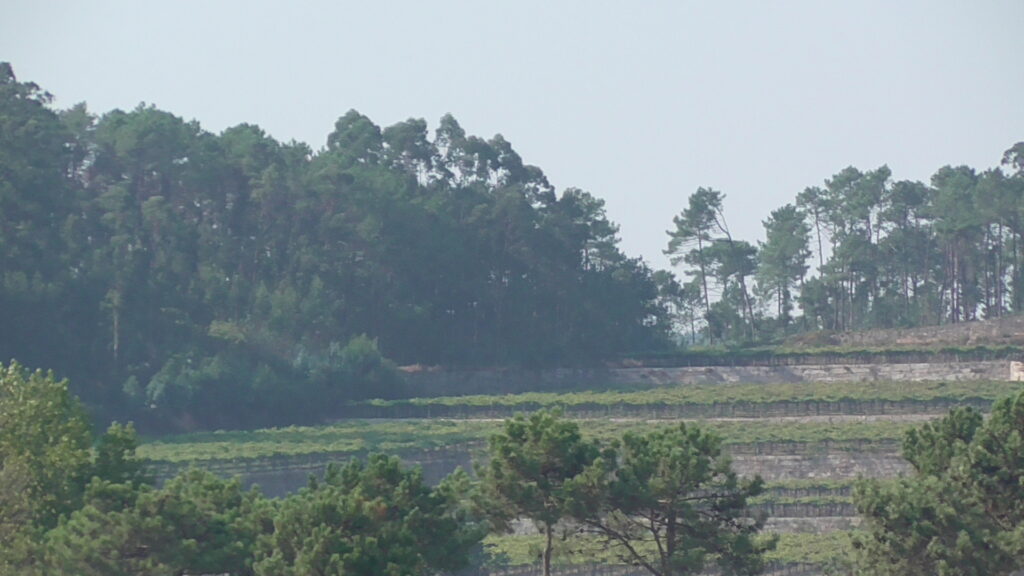
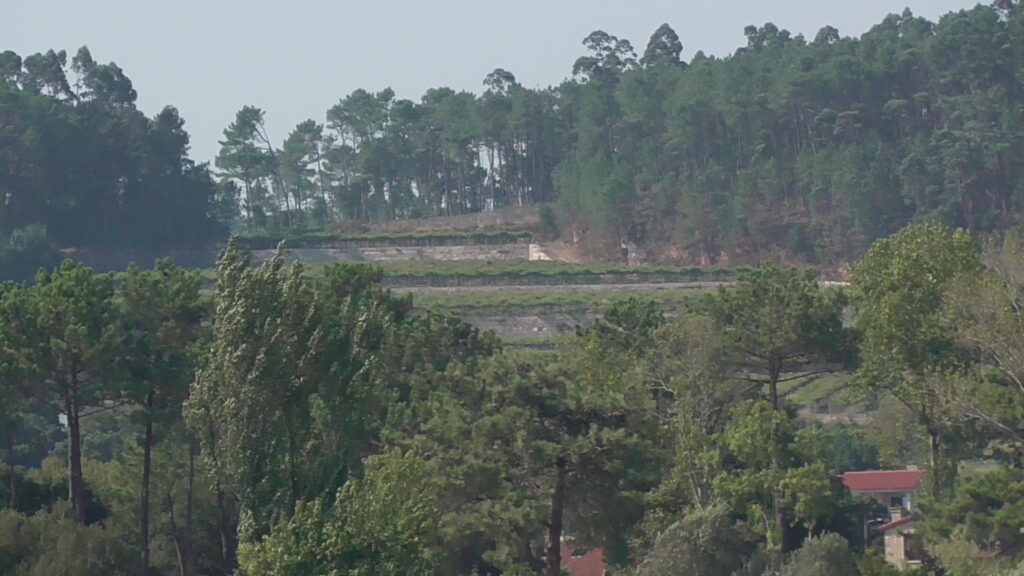
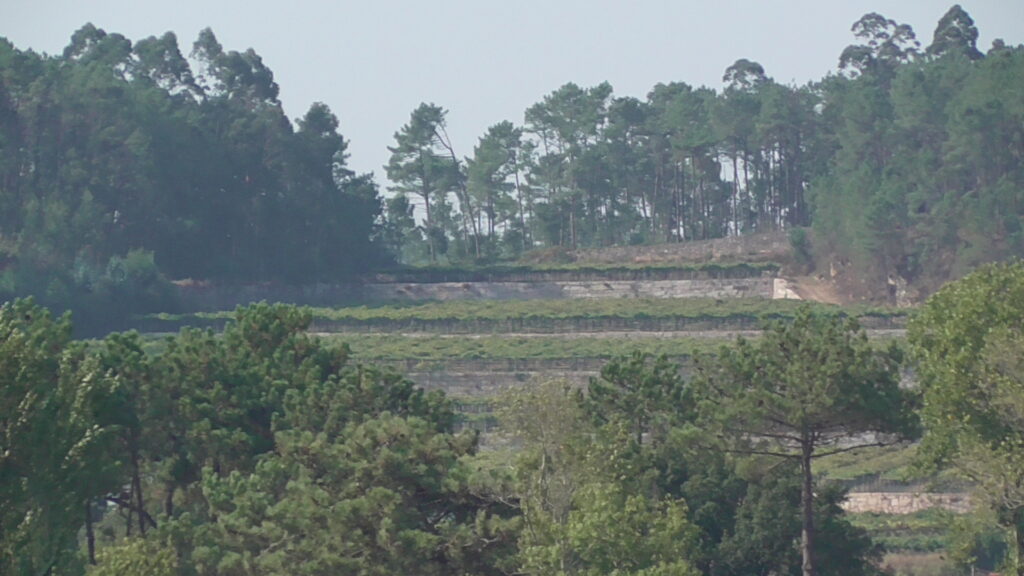
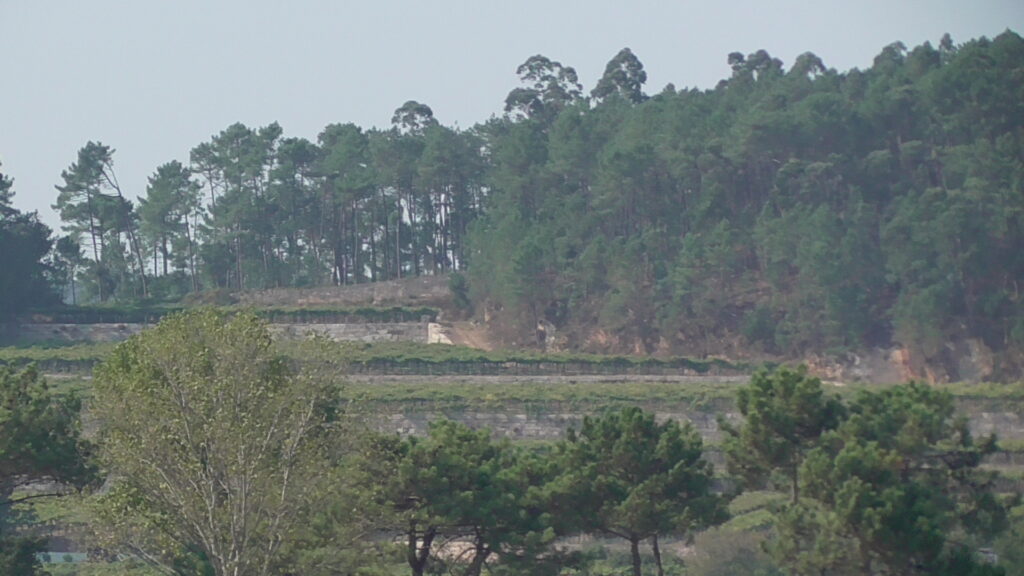
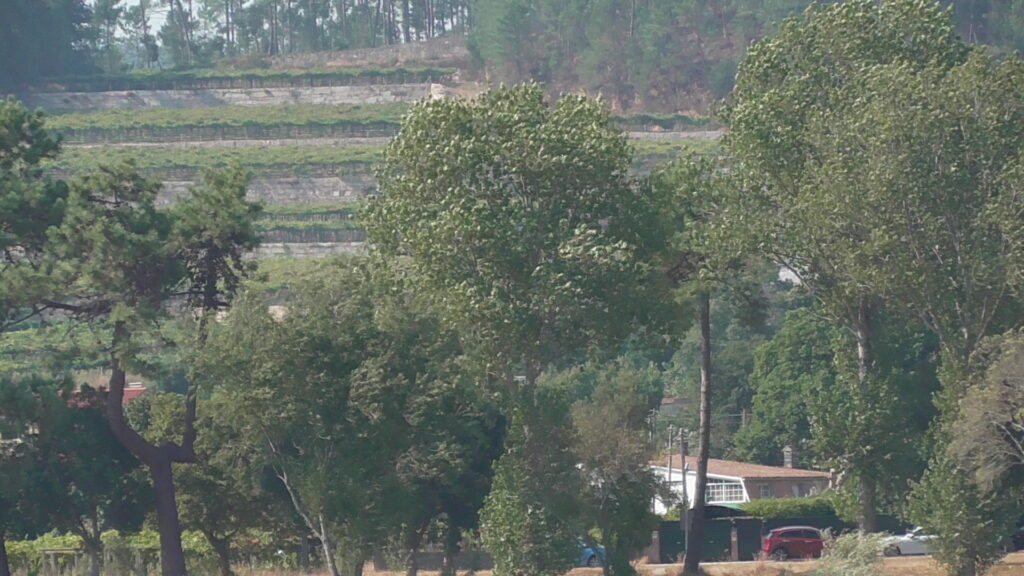
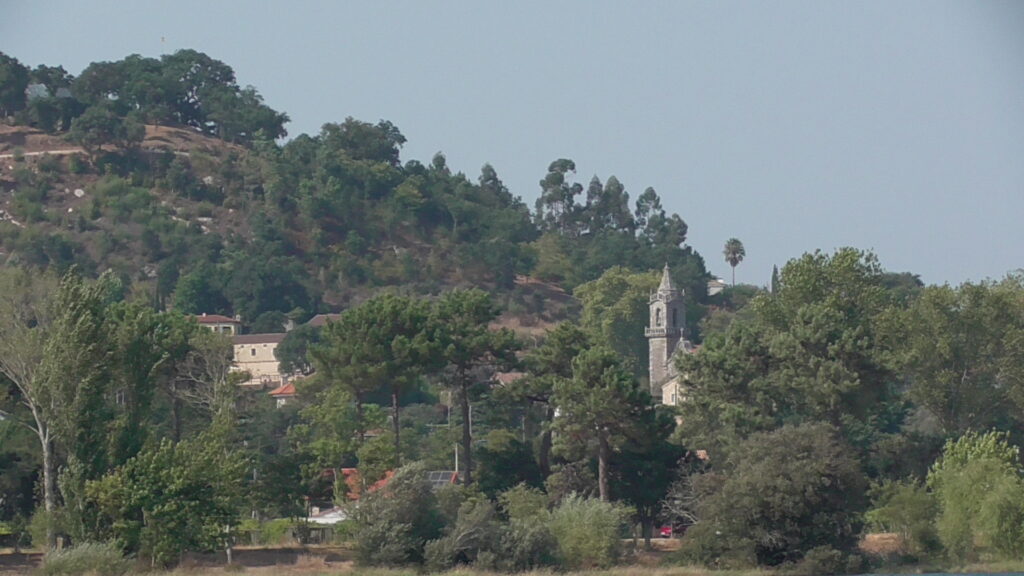
In the subzone of O Rosal, in the southwest of Galicia, along the banks of the river Miño, here, four native white grapes define the character of local wines: Albariño, Loureiro, Caíño blanco, and Treixadura.
Albariño, possibly introduced by the Romans in the northwest of the Iberian Peninsula, is known for its vibrant acidity and intense aromas. Loureiro stands out for its distinctive laurel-scented bouquet. Caíño blanco, traditionally grown in O Rosal, brings freshness and complexity, and is thought to be a natural cross between Albariño and a Portuguese red variety. Treixadura, with balanced acidity and medium-sized clusters, adds structure to regional blends.
Local history is full of legends, such as the monks of Cluny supposedly bringing Albariño to Galicia — a story now questioned. And it is marked by figures like Santiago Ruiz, regarded as “the father of Albariño,” who revolutionized winemaking in O Rosal and elevated its reputation.
Today, wines from O Rosal usually contain at least seventy percent Albariño, complemented by Loureiro, Caíño blanco, and Treixadura. The result is fresh, unique wines that embody both the Atlantic coast and the Miño river landscape.