
Priory of Razamonde Winery. Santa María Church

About this heritage
Barbantes is a parish of the Cenlle municipality in the Ourense province within the Ribeiro region. This region, located between Faro and Suido Mountains, is a confluence of the valleys of the rivers Miño, Avia, Arnoia, and Barbantiño.
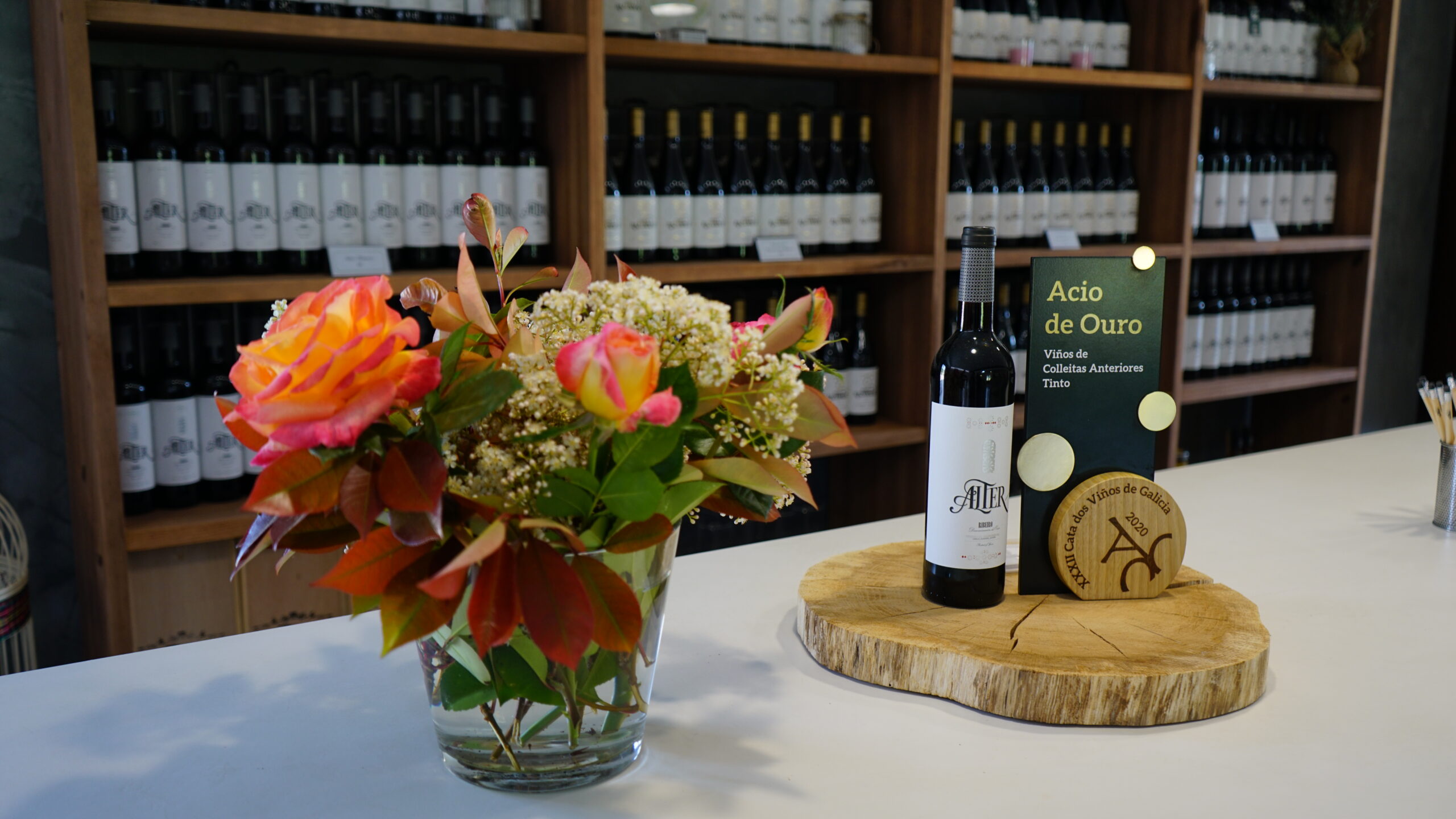
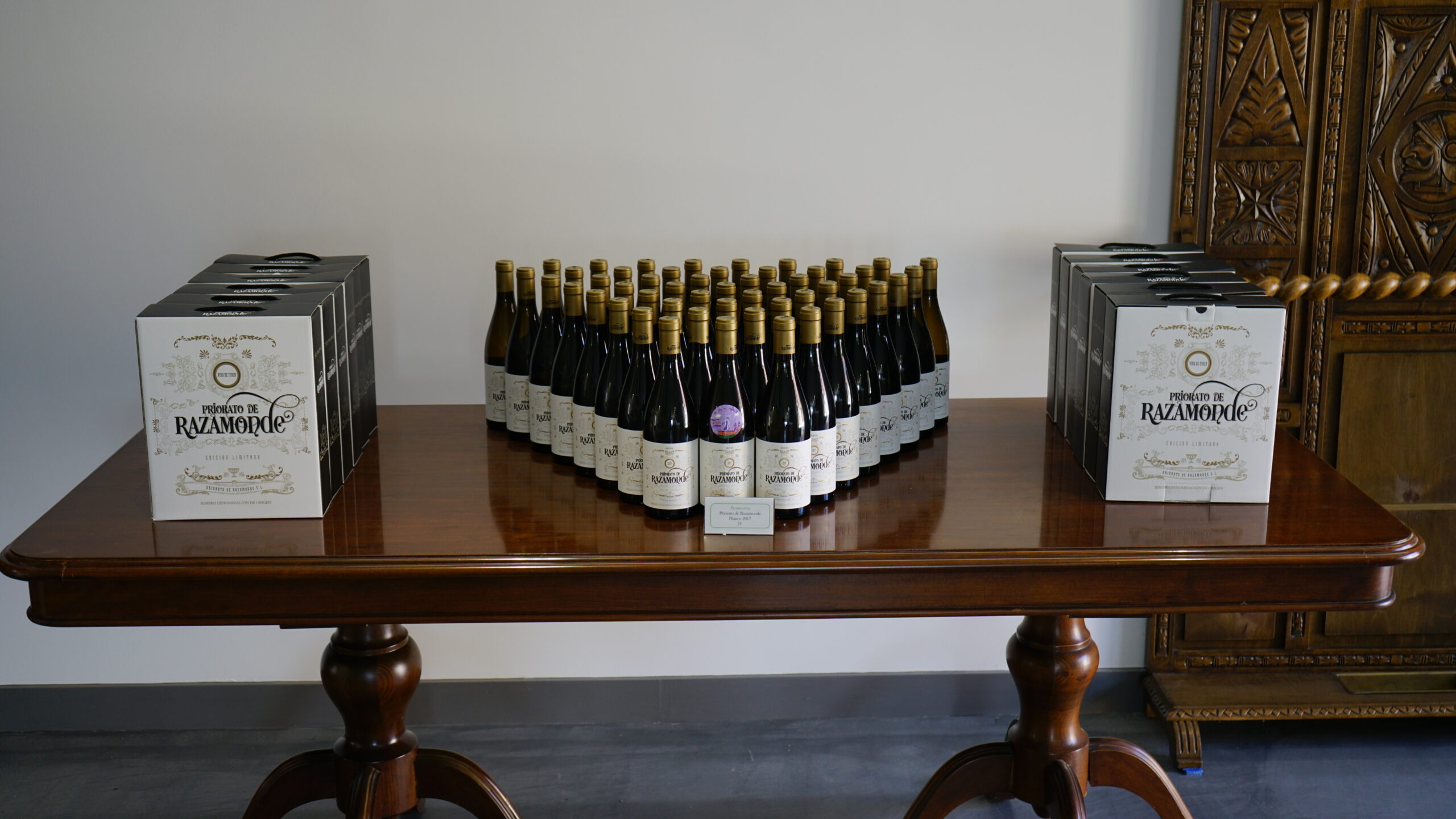
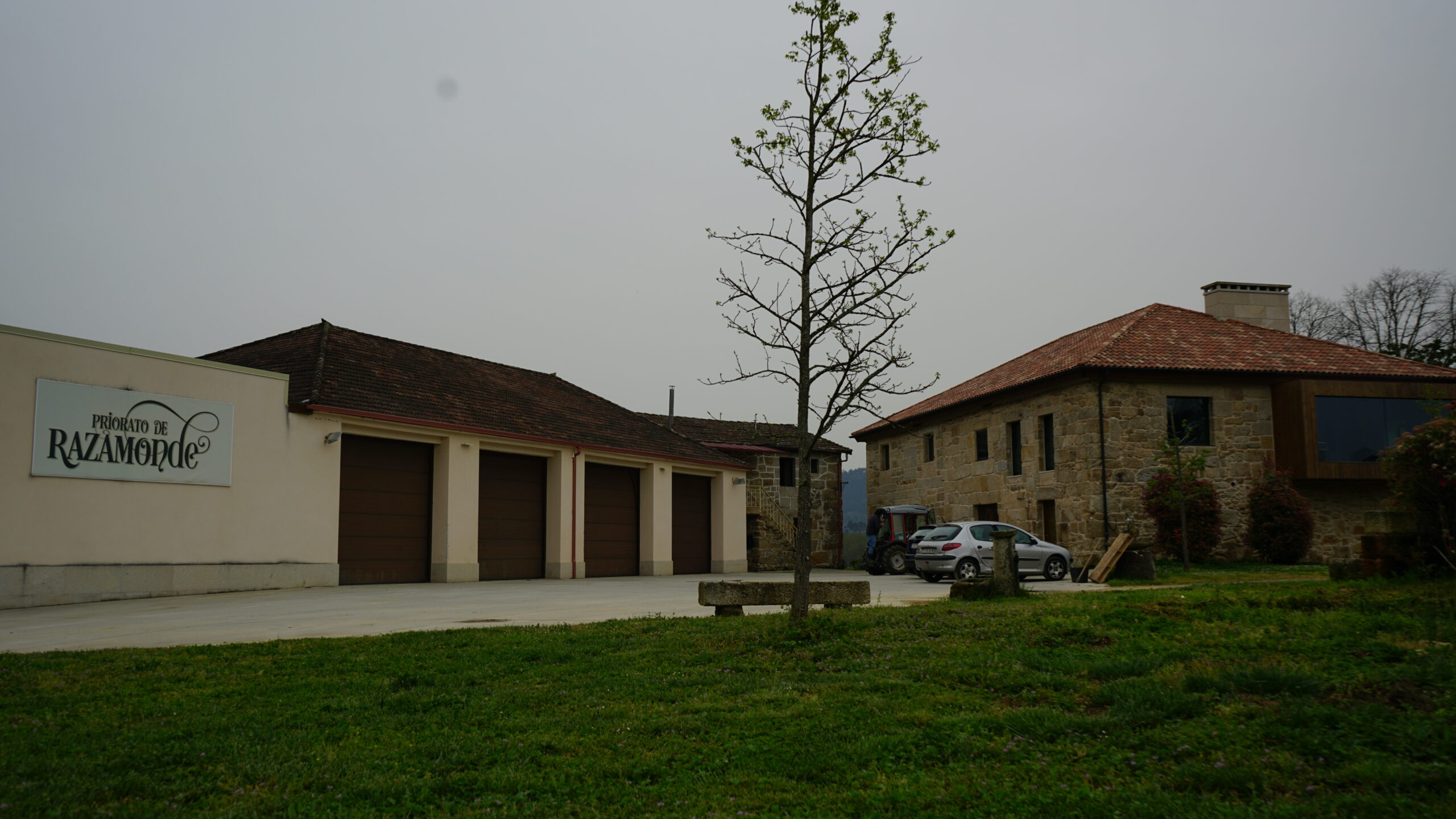
Located in this parish, the Priory of Razamonde winery is a 24 hectares state, of which 20 are vineyards owned by the San Martin Pinario Monastery in Santiago de Compostela. This extension was an ecclesiastical lordship of the monastery, granting them the right of use for fruits, taxes, and other concessions and under the sole commitment to maintaining the religious services of the parish.
We are in the lands of the oldest Denomination of Origin in Galicia, the Ribeiro D.O. Because of its location, this grape is produced with a slow maturation, providing this brand with its unique characteristics in terms of aroma, freshness, balance, and acidity.
Approximately 90% of the grapevines are white grapes of the Treixadura, Godello, and Loureira varieties. They grow them on trellises to access all the technological advances and obtain the best possible results. The other 10% are red grapes of the Sousón and Brancellao varieties.
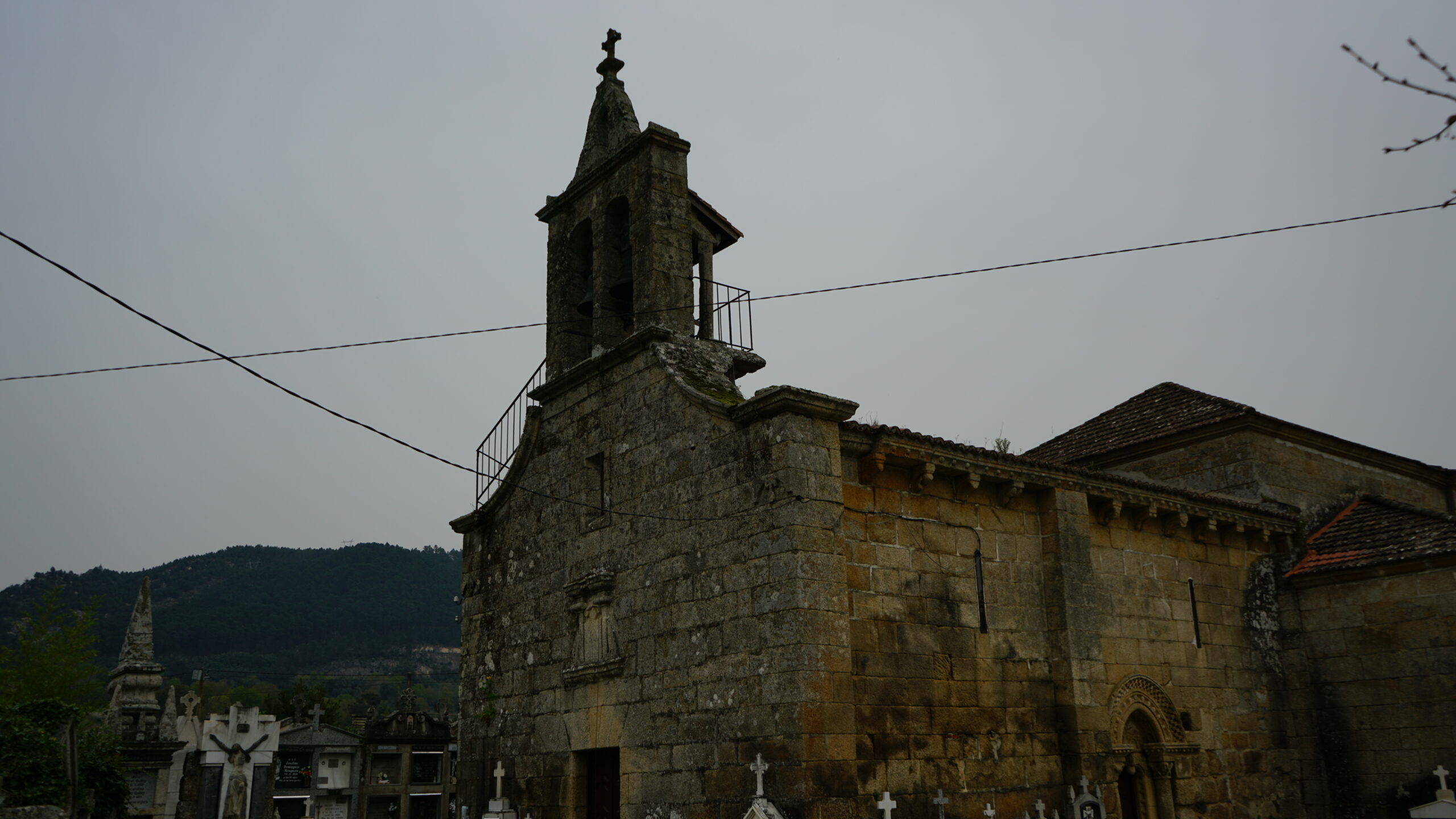
Close to the winery is the Santa María de Razamonde Church, surrounded by vineyards and built between the 16th and 18th centuries. It preserves medieval decorative elements, among others, the semicircular arch with geometric ornamental motifs, two chapels on its sides, and the inner main altarpiece of the interior from the Renaissance period with architectural features characteristic of the 16th century.
To learn more
Cenlle is a municipality in the Ourense province with Xubín as its capital, which has ten parishes: Barbantes, Cenlle, Esposende, Laias, Osmo, Pena, Razamonde, Sadurnín, Trasaríz, and Villar de Rey.
Fifteen kilometers from Ourense is Razamonte and the 'Priory of Razamonde' Winery, specifically in the area known as The Razamonde Farm (A Granxa de Razamonte), which stands out for the vast extension of its land, a estate that formerly belonged to the Monastery of San Martín Pinario located in Santiago de Compostela.
The Priory of Razamonde belongs to the Ribeiro Denomination of Origin, the oldest in Galicia and one of those with the most lasting historical tradition in the Iberian Peninsula.
Its privileged location in the Ribeiro Region is favored by the natural barriers that protect it from the sub-Atlantic storms and providing an oceanic-continental climate with moderate temperatures, an ideal place for growing vines. These conditions allow the grapes to slow maturation and preserve the aroma, freshness, balance, and acidity.
Located in the heart of Ribeiro on the Miño River Banks, this winery developed from a family's effort and dedication, who has found in their wine the best way to transmit the flavor of their land throughout the years.
What started with just one hectare of land became a renovated winery with a rural heritage of more than 24 hectares, of which 20 are vineyards, and the rest is an indigenous forest with hiking trails and areas dedicated to host events and celebrations.
The grapevines are grown in trellises, a structure that allows them to be mechanically tilled, and thus, benefit from technological advances to obtain the best possible results. Approximately 90% of these grapevines are white grapes of the Treixadura, Godello, and Loureira varieties, and the other 10% are red grapes of the Sousón and Brancellao varieties.
The Ribeiro Designation of Origin occupies the basin stretch of the Miño River and has probably oriented to vine cultivation since the early centuries of our Era. This circumstance motivated that, with the flourishing of the Cistercian monasticism of the 11th century in Galicia, the entire area became an ecclesiastical dominion, dependent on the significant monasteries located in Santiago de Compostela, such as Celanova, Melón, San Clodio, and San Martín Pinario.
During the yesteryears, Razamonde was an ecclesiastical lordship of the Monastery of San Martín Pinario. This status granted them the right of use for collecting and growing fruit, wine, taxes, and the concession of other seigneurial rights, such as transport of cargo, fishing, the establishment of mills, among others, and under the sole commitment to maintaining the religious services (the healing of souls) of the parish.
The management of such ample rural patrimony was carried out through the legal formula of the forum, a kind of long-term leasehold with one, two, or three parties, splitting the property so that the monastery could reserve the beneficial ownership or legal ownership, passed to the forum members, who transmitted it by inheritance.
In 1835 at the time of the disentailment, the only dominion left was the farm, which today belongs to the company. The permanent undivided ownership interest has remained because the Monastery of San Martín Pinario, through the figure of the Priory, was directly in charge of its exploitation.
The monastery generally appointed the monks who lived on the estate as administrators and responsible for the cultivation. Today, the cellar, offices, and the esoteric shop sit on the same sites of these dwellings and auxiliary buildings.
Preserved among the documentation of San Martín Pinario is the sale contract, made in 1287 by King Sancho IV of Castile in favor of this Monastery, and includes a description of the property with its current boundaries.
In 1137, Alfonso VII donated the Priory of Santa Maria to the Monastery of San Martiño Pinario de Compostela called Santa Maria de Razamonde, built between the sixteenth and eighteenth centuries. The church still preserves the remains of the old Romanesque temple, where stands out the south side door and the capitals. Its interior main altarpiece is from the Renaissance period with architectural characteristics representative of the 16th century.
To know it better
Cenlle is a municipality in the Ourense Province in the Ribeiro County. It sits between the Miño and Avia rivers, and constitutes ten parishes: Barbantes, Cenlle, Esposende, Laias, Osmo, Pena, Razamonde, Sadurnín, Trasariz, and Vilar de Rei.
If we travel to the parish of Razamonde, we can appreciate its well-known wine route of the Ribeiro Denomination of Origin.
The Priory of Razamonde Winery is the oldest in Galicia and of great historical tradition in the Iberian Peninsula.
In 1998, the project began with only one hectare of land and strong willingness and effort, and soon, that rural land extended to more than 24 hectares. Its privileged location on the banks of the Miño River has natural barriers protecting these vineyards from the sub-Atlantic storms and providing an oceanic-continental climate with moderate temperatures. These conditions allow the vines to preserve the aroma, freshness, balance, and acidity while growing.
Another significant building in Razamonde is the Church of Santa María, a temple built between the sixteenth and eighteenth centuries. Currently, it preserves part of the sidewalls of the nave and the south façade and maintains medieval elements, such as the semicircular arch decorated with geometric motifs although reformed deeply during the Baroque period. Nowadays, this church consists of a nave and a vaulted transept with open chapels, as arms of a false Latin cross plan, both modern. It also has a semicircular apse and a baroque western façade.
Gallery
Location
- Town
- Razamonde
- Municipality
- Cenlle
- Province
- Ourense
- Country
- Spain
The asset
- Type
- Cellar
- Eco-destination
- Río Miño
- Environment
- Rural
- Relevance
- Local
How to get there
- Access
- By sea
- Distance
- 0,200 km
The visit
- Accessible
- No
- Parking
- Sí
- Signposted
- Yes
Coordinates
- Latitud
- 42.32917597354828
- Longitud
- -8.049005682084688