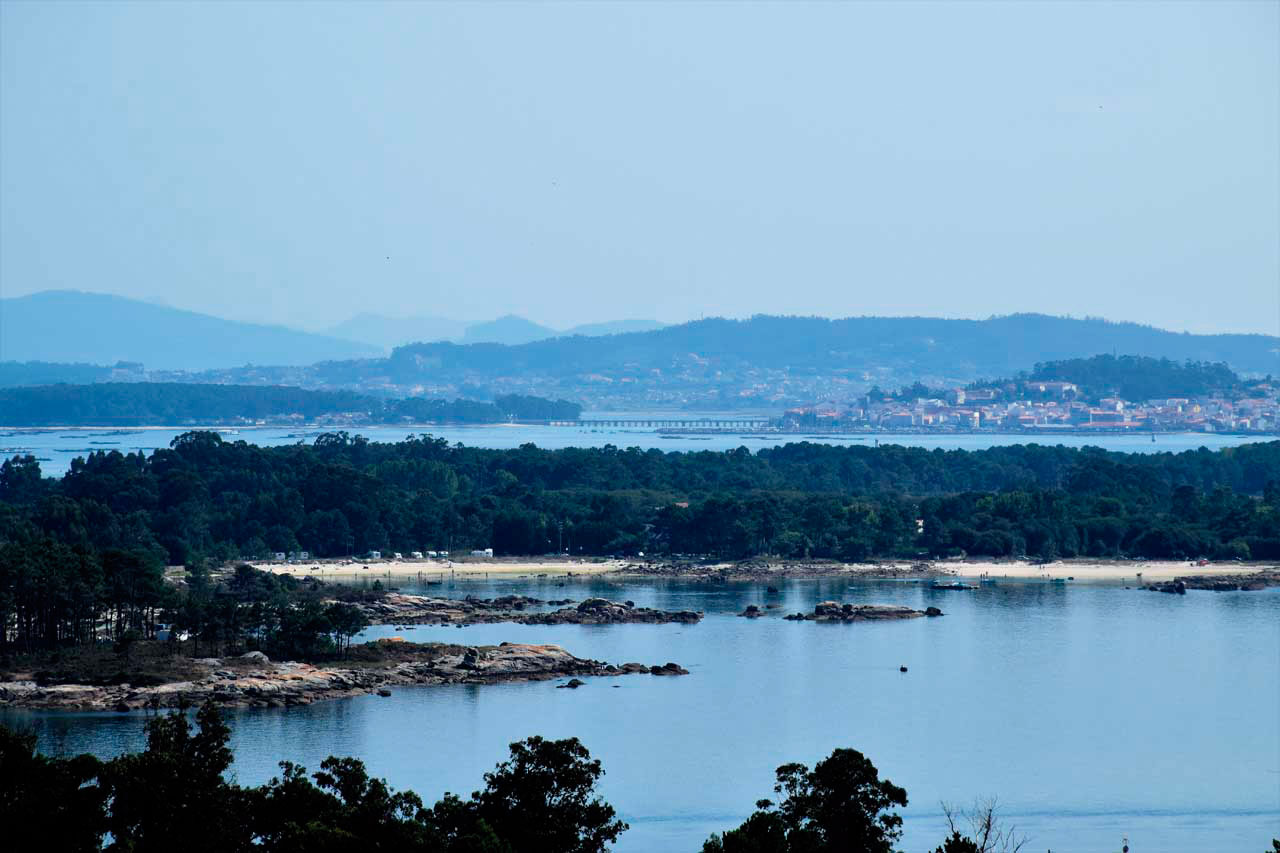
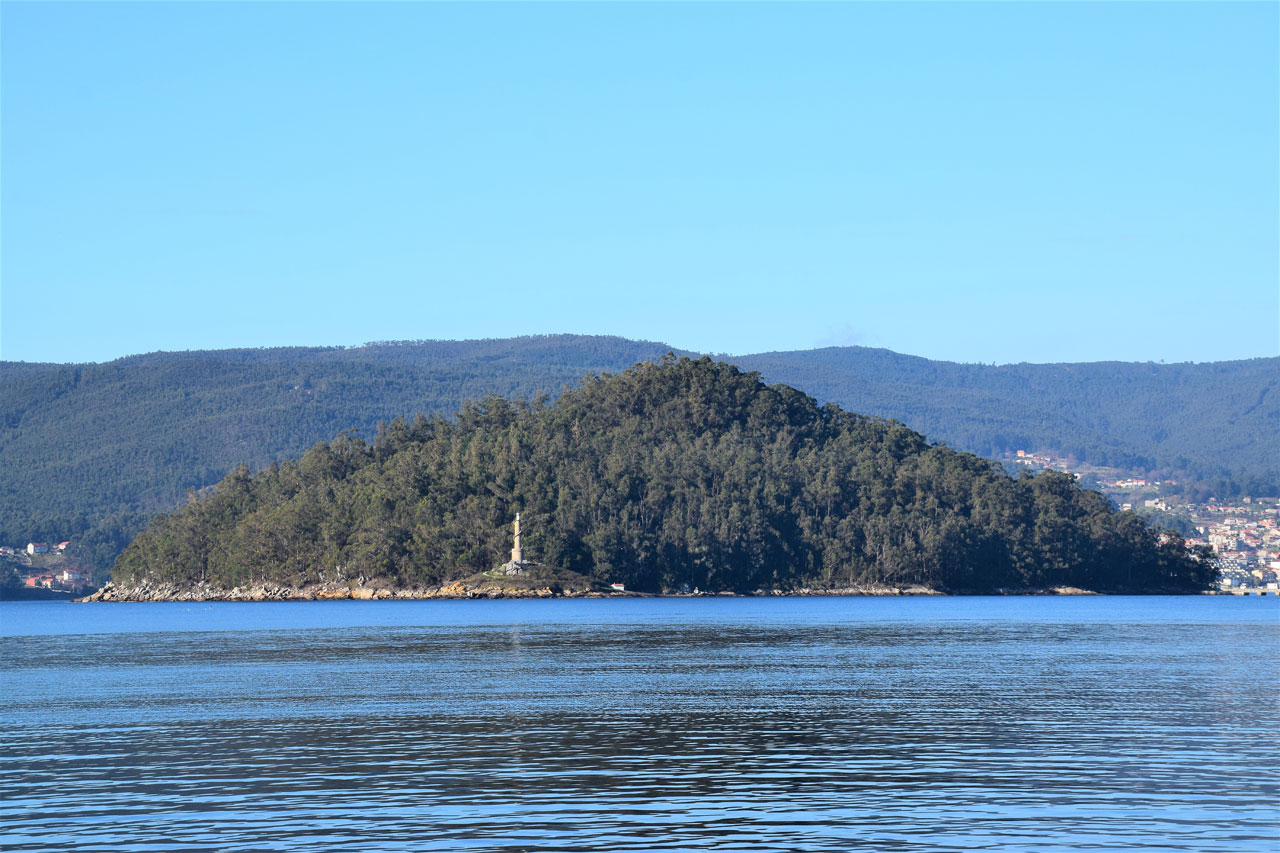
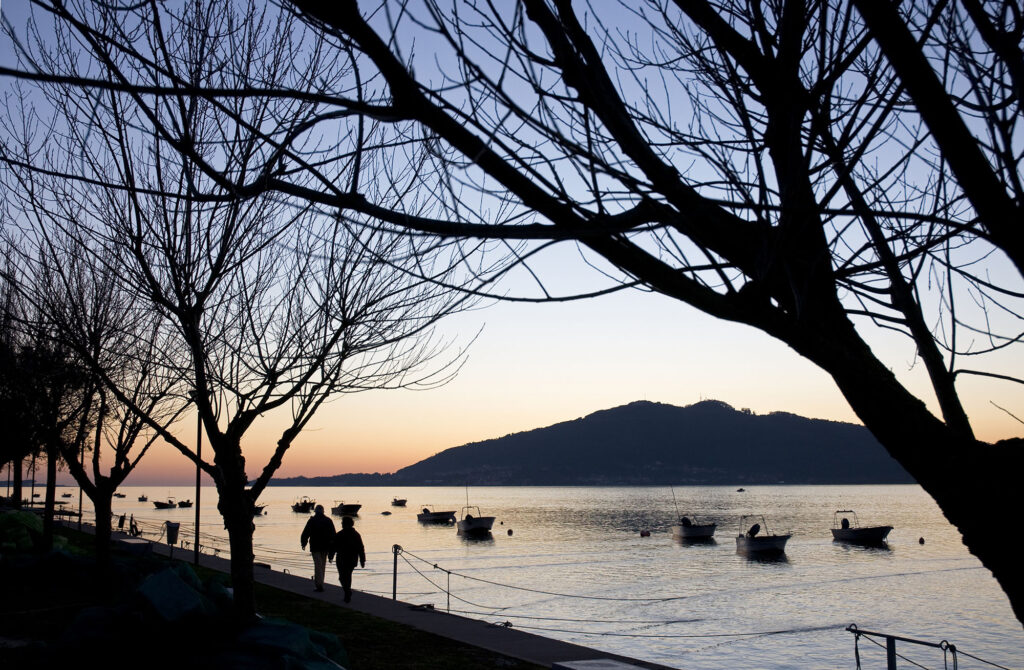
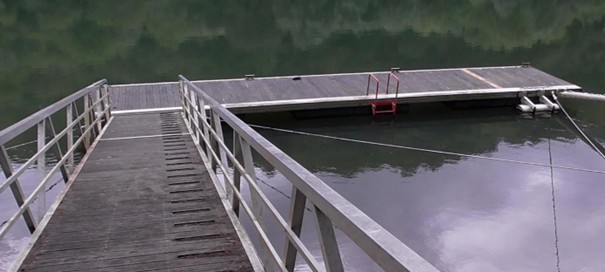
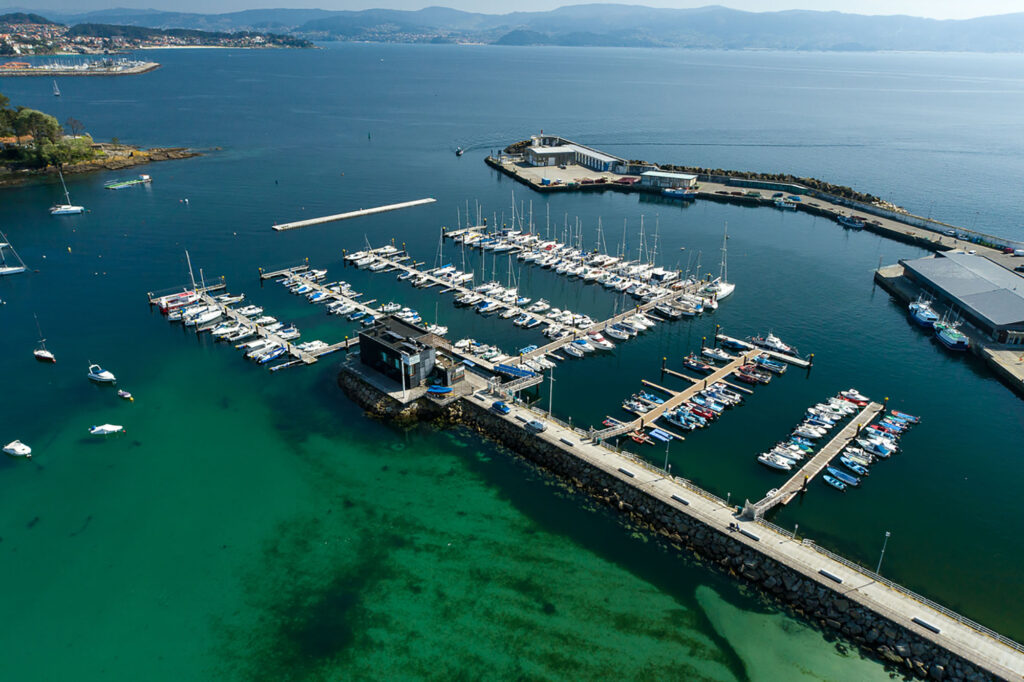
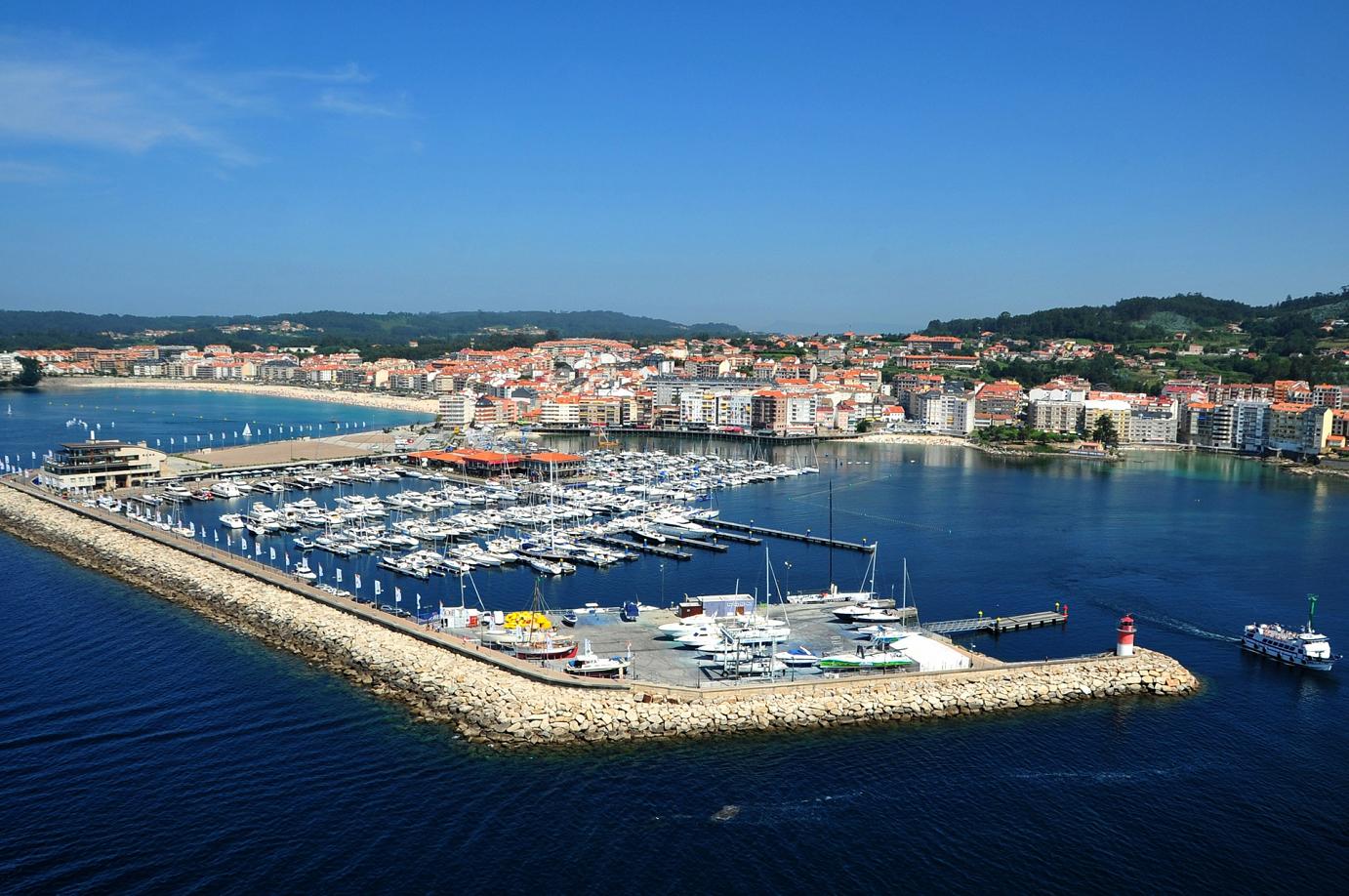
We invite you to embark on a special route to the interior of the Pontevedra Estuary to discover its magnificent treasures, from the little Island of Santo to the unique Tambo Island, approaching the Military Naval School and the port of Marín. You will visit the lovely old town of Combarro and its typical seafaring […]
It is a natural fluvial beach with an extension of 700 meters, white sand of fine grain, with salt and fresh waters exchange according to the tidal oscillation. In general, it has calm waters. It belongs to the Natural Area Natura 2000 Network.
The Port of Colonia de Sant Jordi is located on the south coast of Mallorca and has a long tradition of port activity dating back to Antiquity. It is a port for recreational boating and fishing activities and serves as the connection point for passenger traffic to the island of Cabrera, whose port is about […]
The floating dock at the mouth of the Minho River is located at the river’s estuary, on the southern shore next to the beach of the same name and near the Camarido National Forest, which is part of the Natura 2000 network and covers an area of 145.34 ha.
To get there, we will have to walk a distance of 2800/3000 m from the Os Peares train station, or walk 1500 m down from where the paved road of Sandamiro ends. The latter leads us to what is a cart path. There is vegetation with large oak groves and nearby terraced vineyards. In this […]
Portonovo is the first inland port of the northern Pontevedra Estuary. The dock is always busy with numerous boats. Sailors have to anchor at a certain distance since often most berths are occupied by other local boats. The Portonovo Yacht Club has more than 330 members, their families, and 160 boats. It has seamanship throughout […]
The chapel is located in San Lorenzo, a settlement near the Miño River. It is an example of the early medieval hermitages that once populated the entire riverbank. Notable pre-Romanesque elements include a window made from a single piece of stone, featuring circular openings at the top and symmetrical rectangular ones at the bottom. It […]
Fonte do Tinteiro is one of the most emblematic thermal springs in Ourense, located on the banks of the Miño River and accessible by a pleasant walk from the bus station, passing by the fairground. This spring, equipped with a manual pump to extract water from its well, offers waters with low mineralization, bicarbonated, sodic, […]
Isla de Arousa is the largest and most populated island in Galicia, with just over 5,000 permanent residents, although its population increases significantly during the high season due to its tourist appeal. It is located in the Rías Baixas of Galicia, in the Salnés region, province of Pontevedra. The island has been connected to the […]
El puerto de Vigo tiene una superficie de 241.238 m2, está considerado como uno de los primeros puertos pesqueros comercializadores del pescado consumo humano del mundo y la lonja de Vigo es famosa por mover buena parte de todo el pescado que se consume en España y EuropaEs en esta primera venta cuando se le […]
The old town of San Roque has been declared a Historic-Artistic Monumental Ensemble since 1975. The most notable monuments in the city are the Santa María la Coronada Church (1735), the Governors’ Palace from the 18th century, and the Plaza de Toros (1853), the second oldest in the province of Cádiz and one of the […]
Fair specialized in tuna and its historical and economic importance on the coast of Mogán. An event that blends gastronomy, culture, and maritime tradition.
The Pazo de Bouzas, located in the municipality of O Pereiro de Aguiar (Ourense), is a prominent example of Galician manor architecture. Built between the 17th and 18th centuries, it combines defensive elements with residential spaces typical of rural noble houses. Its stone facade, heraldic shield, balconies, and natural surroundings make this pazo an important […]
The Castro of Punta Ostreira, also known as Castro de Alberne or Os Castriños, is an Iron Age settlement. It is located on a promontory overlooking one of the entrances to the bay of A Pobra do Caramiñal, occupying one end of the former estate of the monastery of San Antonio de Xobre.
Lago dos Nenos” es un lago que tiene la singularidad de ser de agua salada y que se encuentra entre la isla norte o de Monteagudo y la isla del medio o del Faro. Este lago se sitúa entre la playa y las dunas de Rodas y el dique de construcción artificial que une las […]