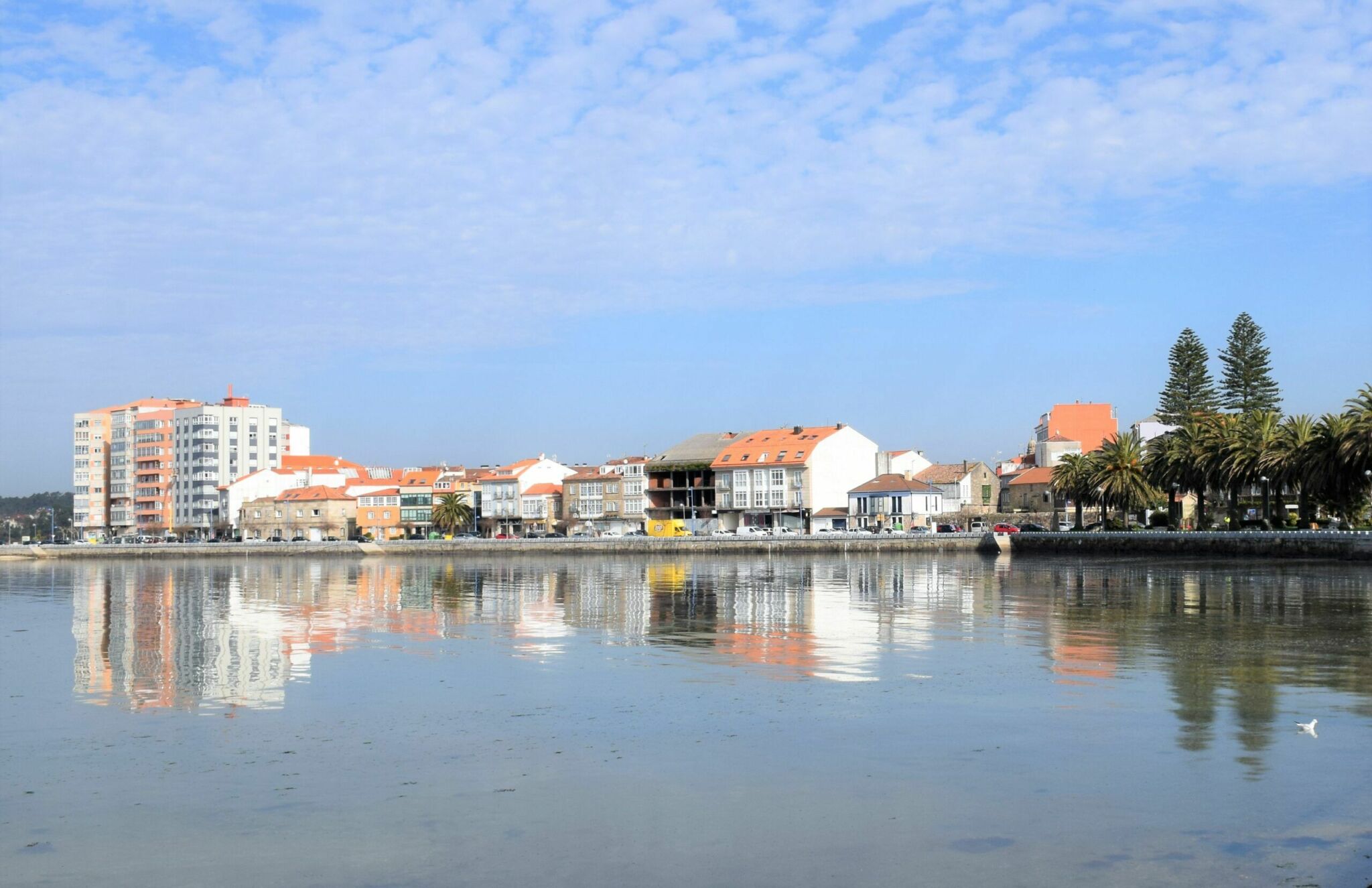
Leaving from the port of Cambados, we will get to know the fishing richness of the Arousa estuary in a traditional boat trip, as well as the cultural and marine heritage of the area. We will learn more about the marine ecosystem of this area in a participatory workshop given by shellfish gatherers.
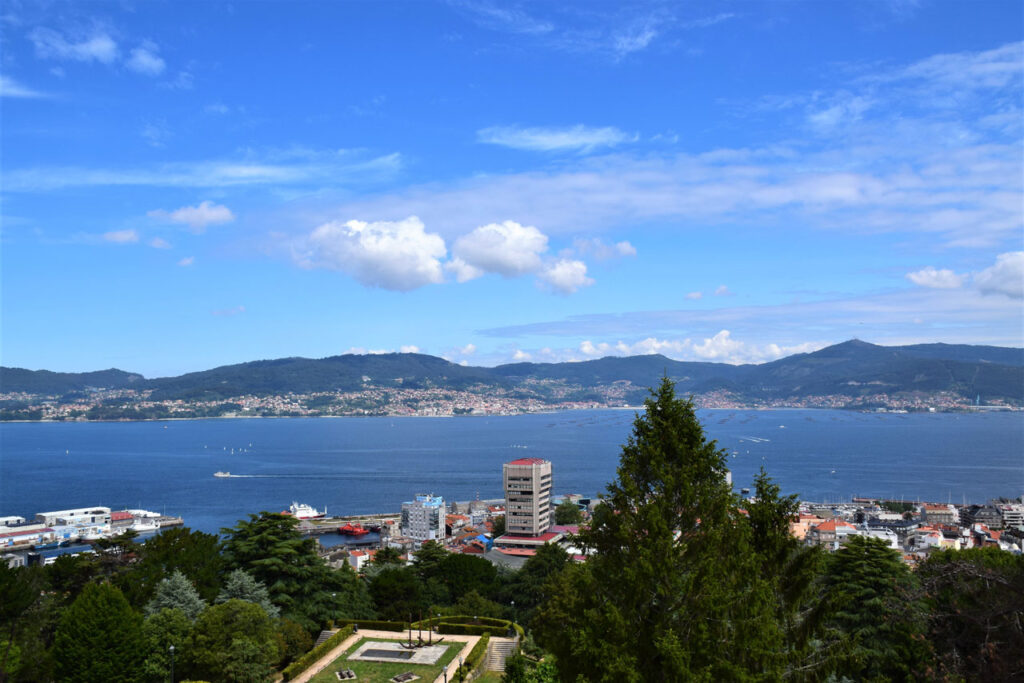
In 1493, Baiona was the first village in the old continent to know about the discovery of the new world, after the arrival of the “Pinta” caravel, commanded by Pinzón. Therefore, a magnificent circular journey through the mouth of the Vigo estuary, following the south coast to the Baiona cove. We will visit this seafaring […]
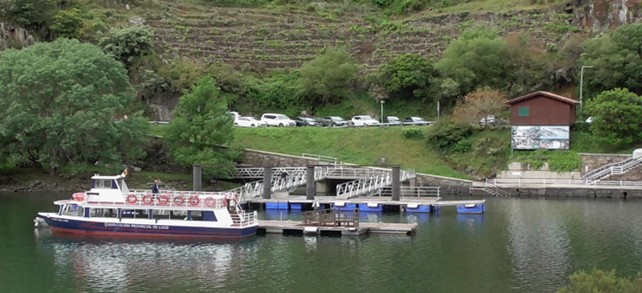
The course of the Sil River at this point allows you to appreciate the beginning of the canyon, revealing the steep slopes covered by terraced vineyards. You can also see the traditional paths used to lower the grapes down to the river, from where they were transported by boat. The constructions in the area are […]
Una ría es un accidente geomorfológico producido por la penetración del mar en la desembocadura de un río. Así, podría definirse una ría como la forma que toma la desembocadura de un río en los
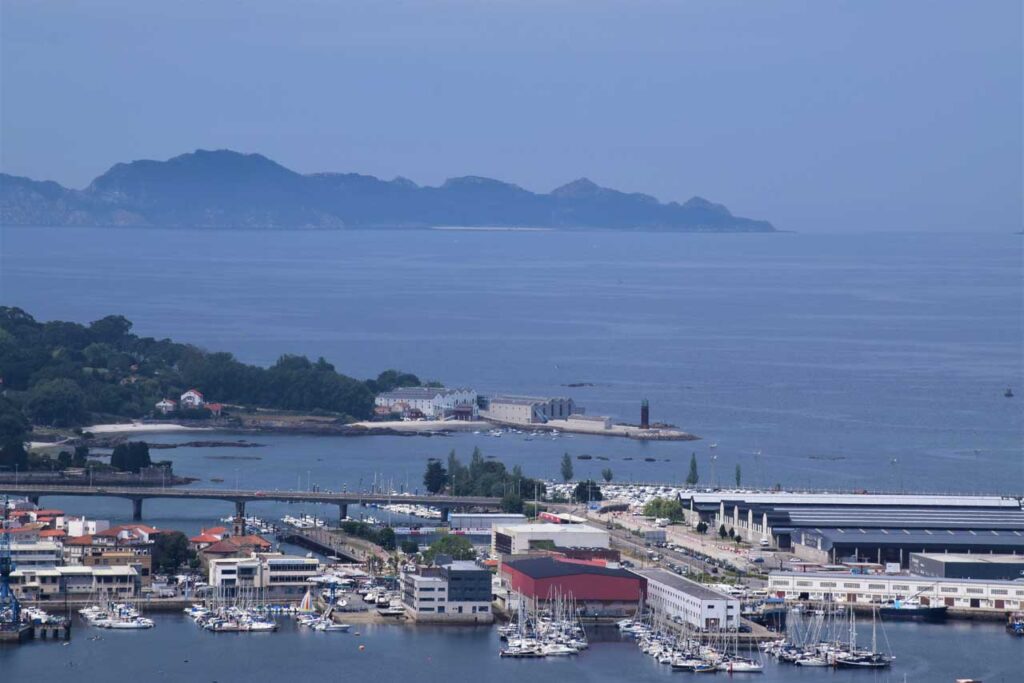
El castro conocido como O Castriño es uno de los cinco castros que se asientan frente al litoral vigués. Se encuentra situado en la parroquia de Coia. En O Castriño se encontraron numerosos fragmentos de
Sálvora pertenece al Parque Nacional Marítimo Terrestre de las Islas Atlánticas de Galicia (PNMTIAG) por sus valores excepcionales de conservación. Los fondos oceánicos que rodean al Parque Nacional presentan una alta biodiversidad y representan un
Romanesque church transitioning to Gothic from the 13th century with significant 19th-century renovations. It features an interesting Romanesque portal transitioning to Gothic with a clearly pointed semicircular arch and a tympanum of traditional Romanesque shape