


Castro O Castriño
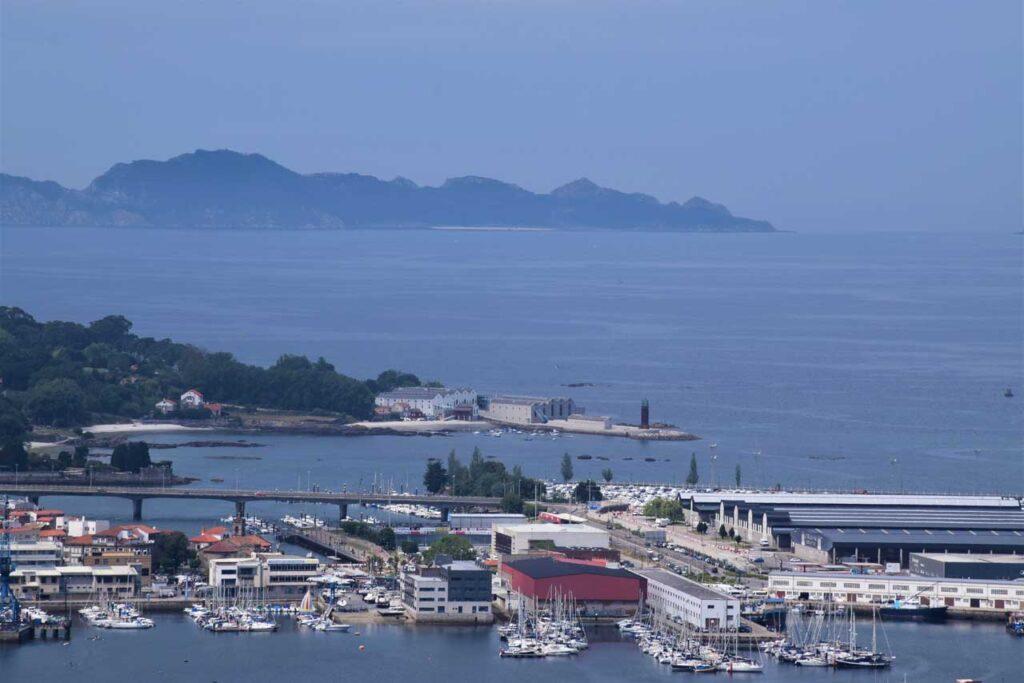
The castro known as O Castriño is one of the five castros located along the Vigo coastline. It is situated in the parish of Coia. Numerous fragments of castro pottery of different types were found at O Castriño, along with foreign ceramic remains, mainly represented by Punic amphorae. These findings date this castro between the […]
Castro de Chandebrito and the Phoenician Society
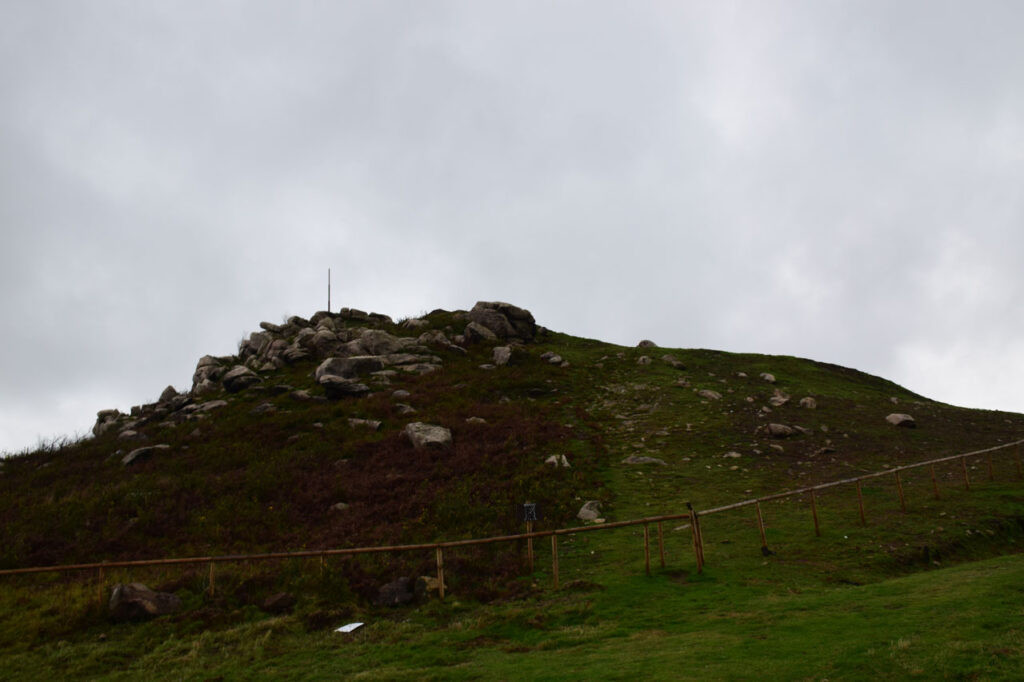
The Castro de Chandebrito is located in the parish of San Xosé de Chandebrito, situated in the Pontevedra municipality of Nigrán, on Mount O Castro, at 376 meters above sea level, which gives it a strategic geographical position. It is one of the castros that best preserves its original configuration. This castro is visible from […]
Baiona Fish Market
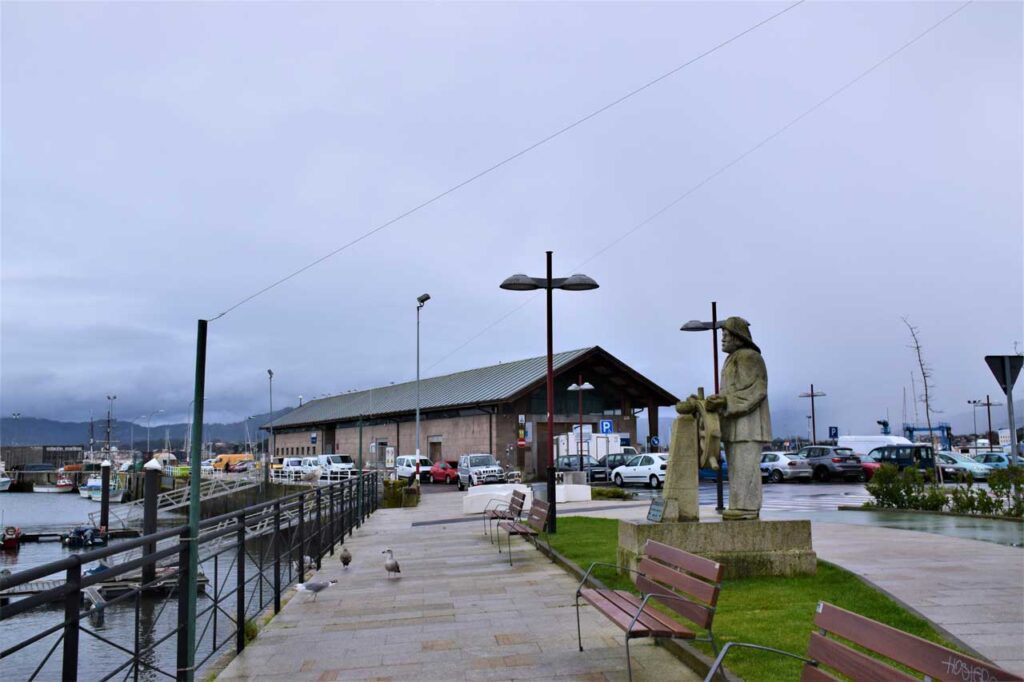
The Baiona Fish Market is located at the entrance of the fishing port, corresponding to the area occupied by the current waterfront promenade. It is the facility dedicated to the auction of shellfish and fish. It is mandatory that the first sale of all fishing and shellfish products takes place here, under the responsibility of […]
Montealegre Castro
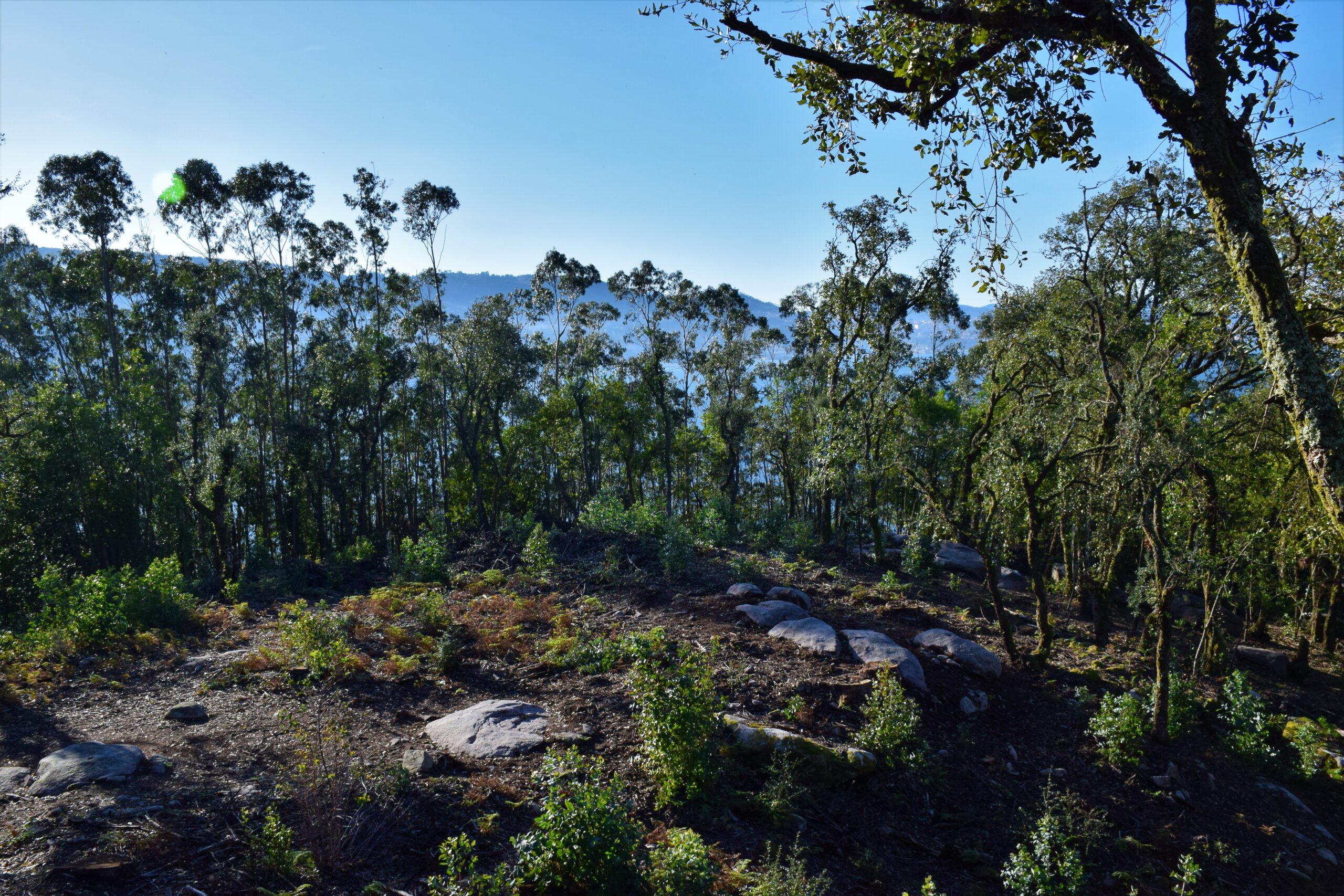
The Montealegre Castro, in Moaña, has provided an interesting set of Mediterranean imports, mainly from the mid-2nd century BC to the early 1st century AD. Located on the southern coast of the Morrazo peninsula, in the Vigo estuary, through which the AP-9 highway currently passes, connecting Portugal and A Coruña. The importance of this castro […]
Dorna Meca
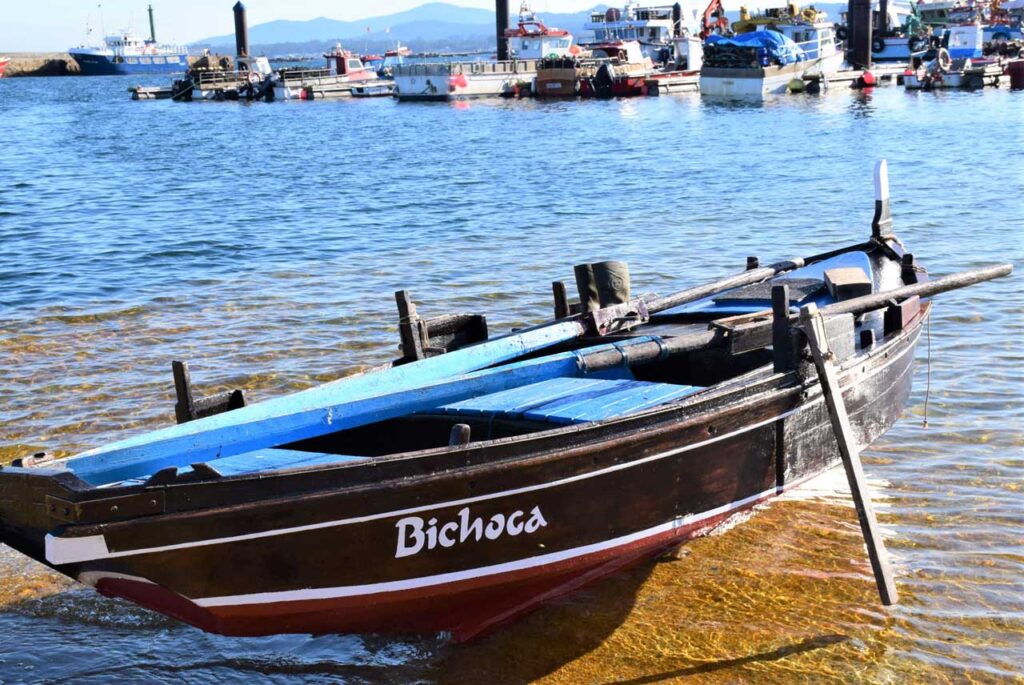
The Dorna Meca is a traditional boat designed and built in O Grove. It is of the same type as the dorna, but the difference is its larger size and the bow with a sharper appearance. These boats were common on this coast until the 1960s when they practically disappeared. They were built with 10 […]
Cetárea A Redonda
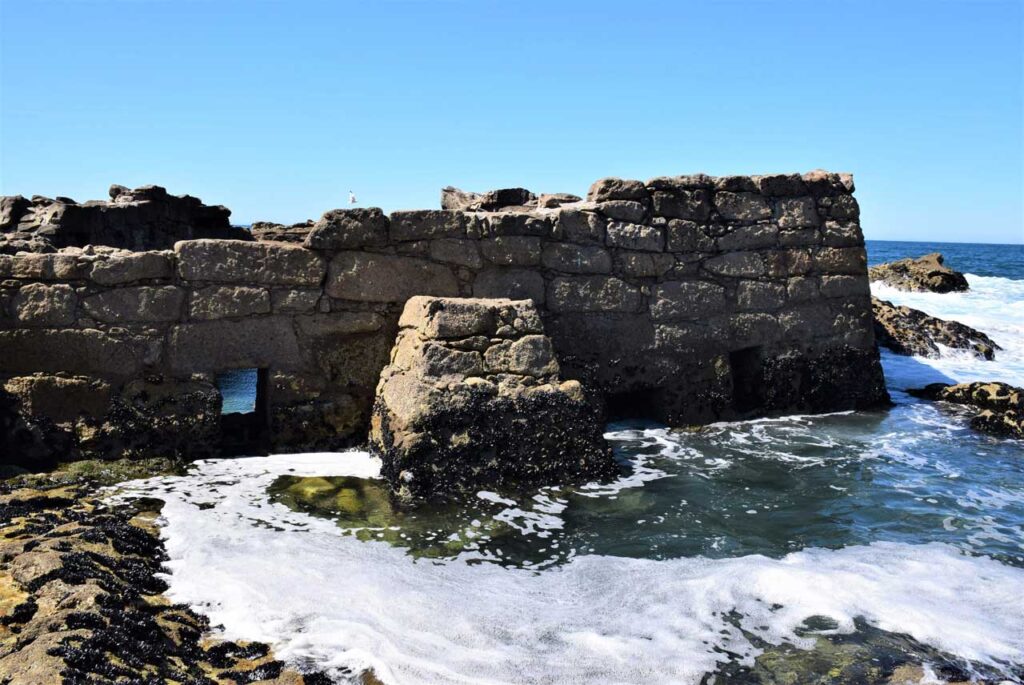
Cetáreas are ancient stone constructions in the intertidal zone that were used as natural nurseries for lobsters and other crustaceans. They are an important part of the history of a town intimately connected to the sea. The cetárea A Redonda or Pepe Sobrino’s cetárea is a traditional type of construction from 1895 where mainly shellfish […]
Castros A Forca and Santa Trega, Castro and Phoenician Culture
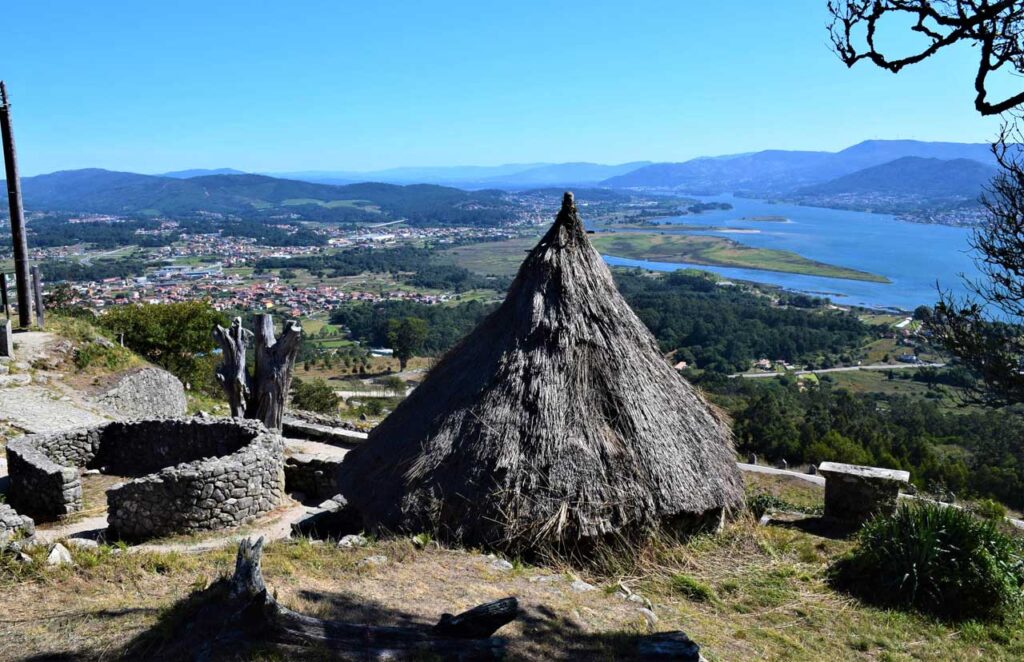
With its 20 hectares, Santa Trega is the largest oppidum in Galicia and one of the largest in the northwest. Oppidum (plural, oppida) is a Latin term that designates an elevated place, a hill or plateau, whose natural defenses have been reinforced by human intervention. The commercial importance of the area does not begin with […]
The Fish Market of A Guarda
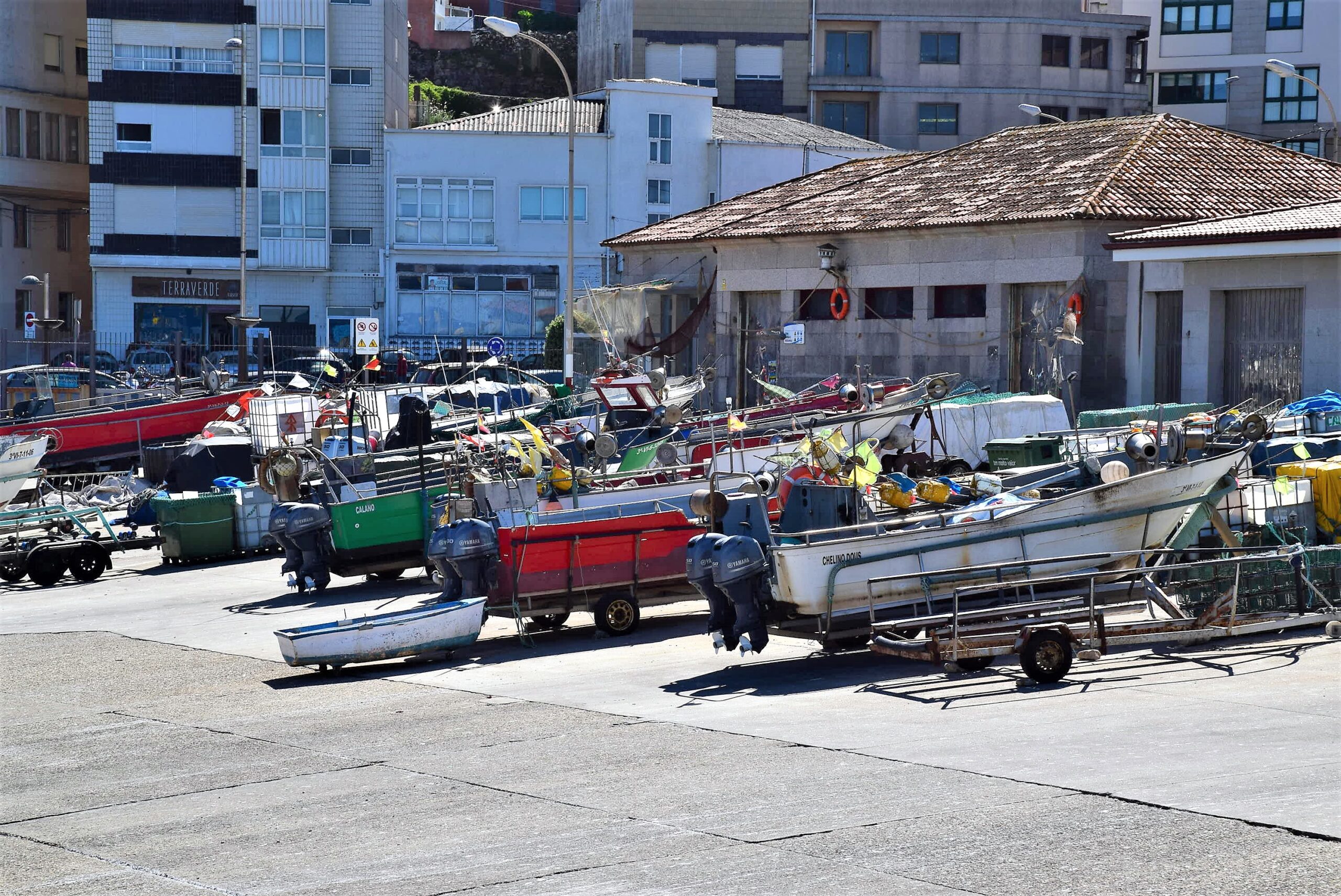
A Guarda has a rich maritime tradition; fishing activity was and continues to be one of the main sources of income and economic development in the area. Coastal fishing is traditional, but nowadays deep-sea fishing holds great economic importance. Thus, the A Guarda swordfish fleet is one of the most important in Spain. Located on […]
San Tomé Fishing Quarter and San Sadurniño Tower
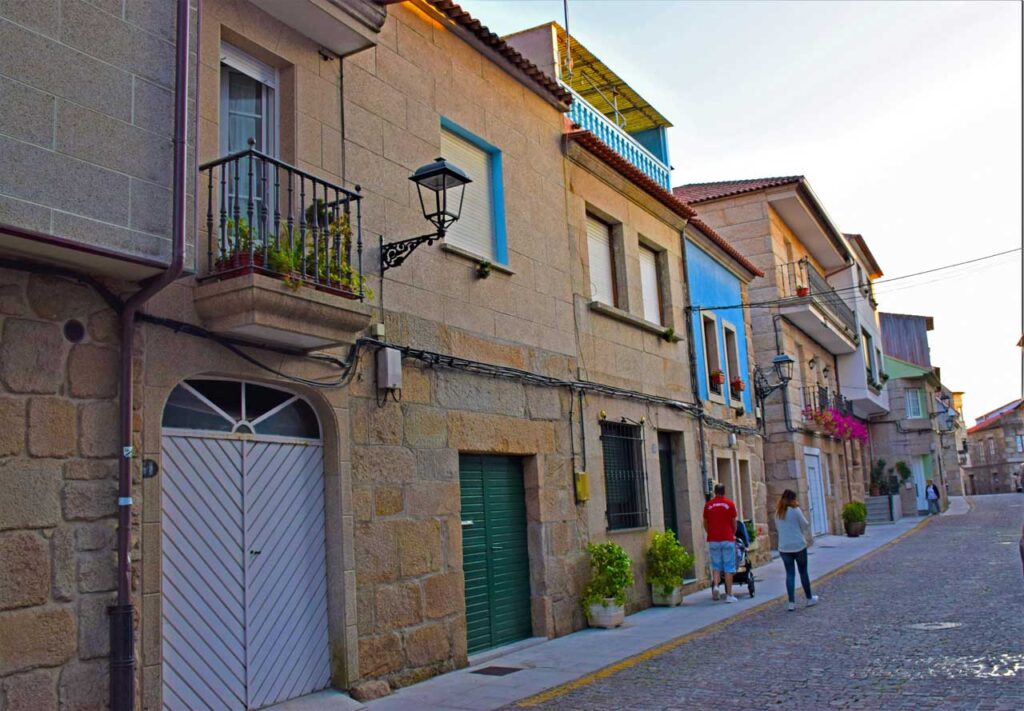
The traditionally maritime neighborhood of San Tomé retains its old-world charm. Very close by is the Torre de San Sadurniño, which makes it an even more magical place. Additionally, in this neighborhood is the Pazo de Montesacro, a Baroque construction of great tourist and architectural interest. The historical importance of the town of Cambados is […]
Cabo Silleiro
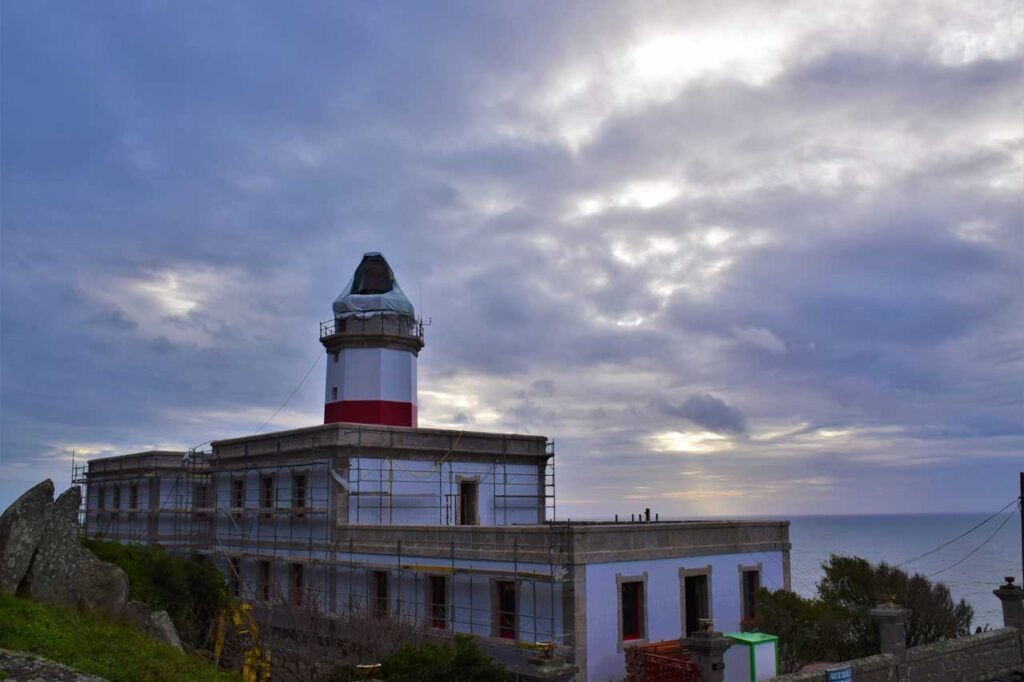
Cabo Silleiro is a geographical feature located in the southwest of Galicia, in the parish of Baredo (Baiona), which closes the estuary to the south, marking the beginning of the Rías Bajas to the north. It is a rocky front of Atlantic marine cliffs with a wide presence of extensive pebble and block beaches. On […]