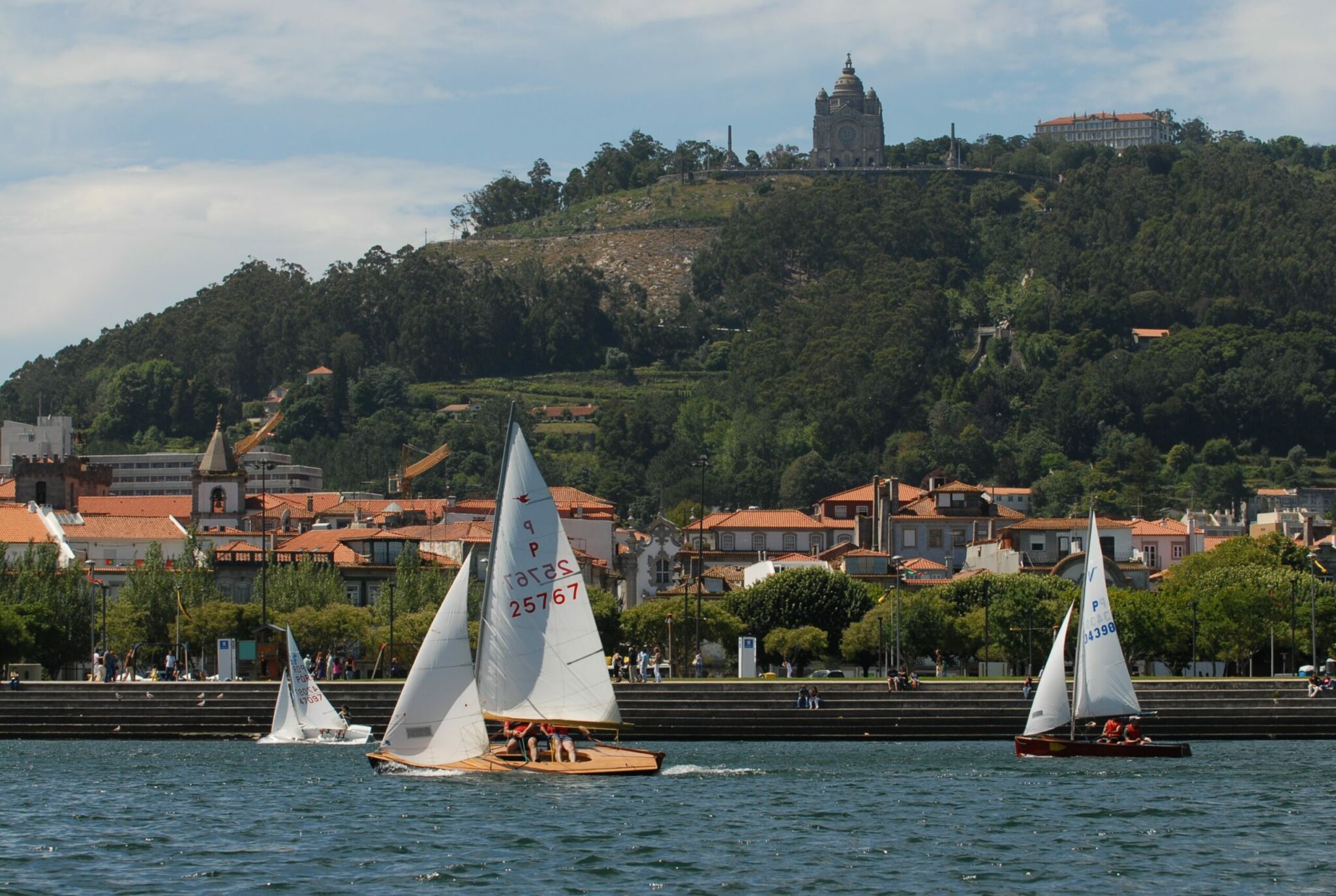
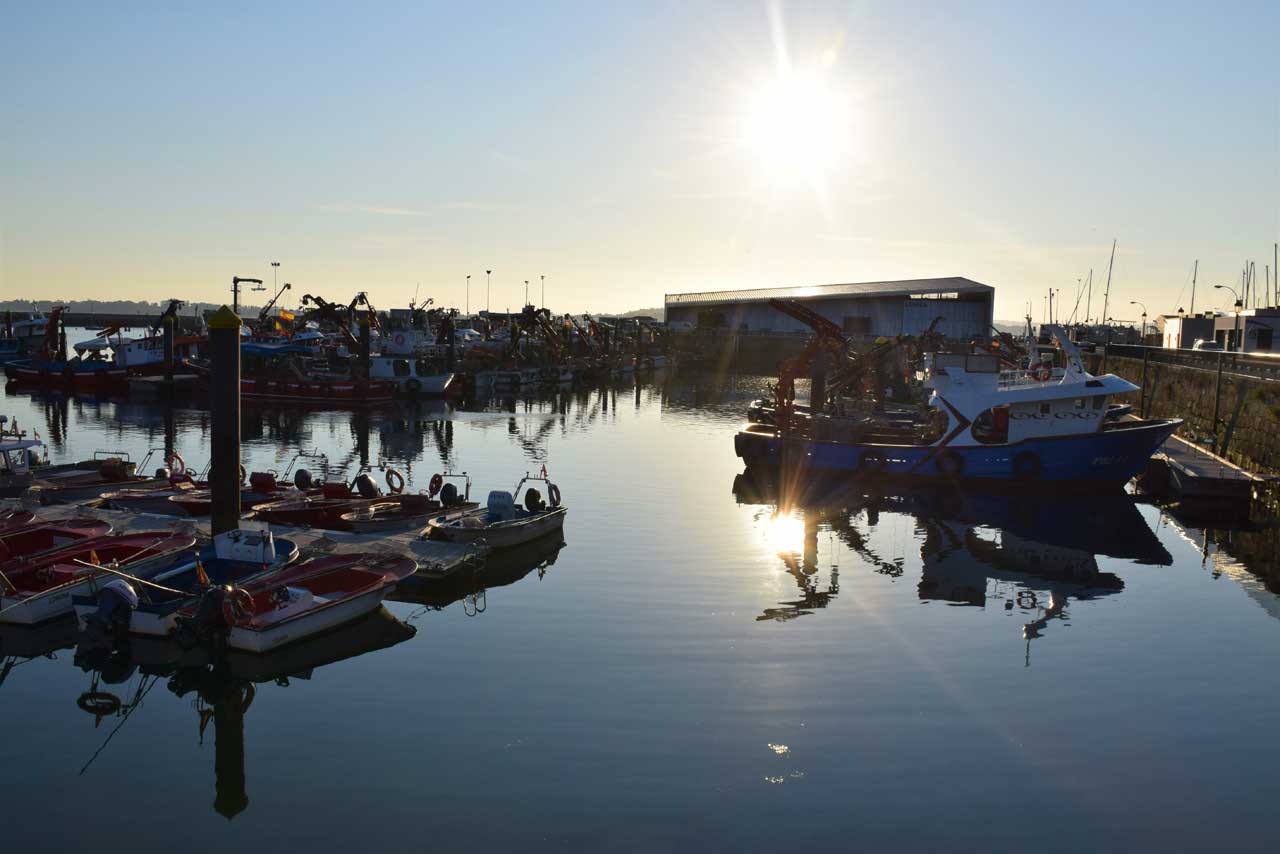
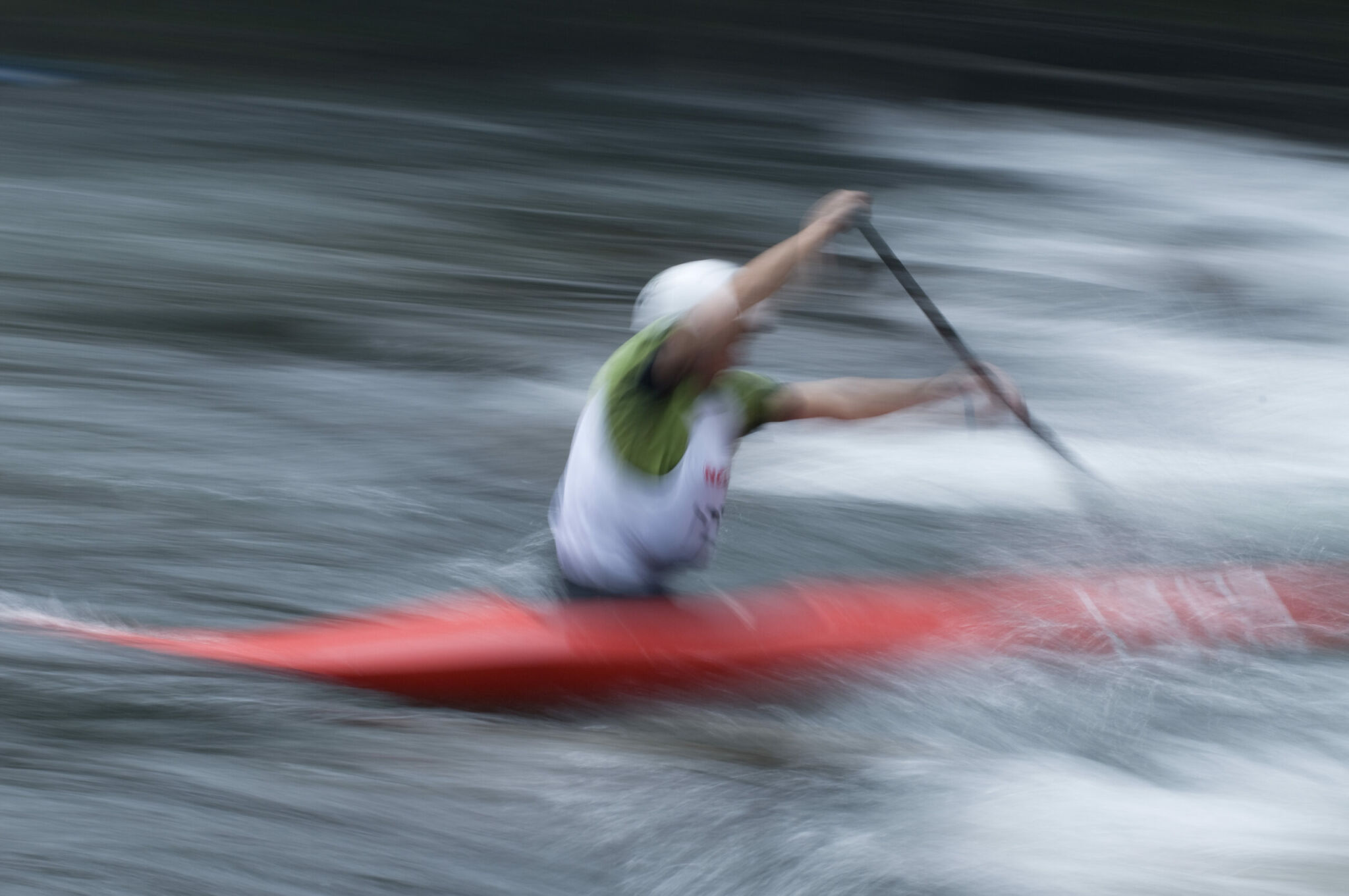
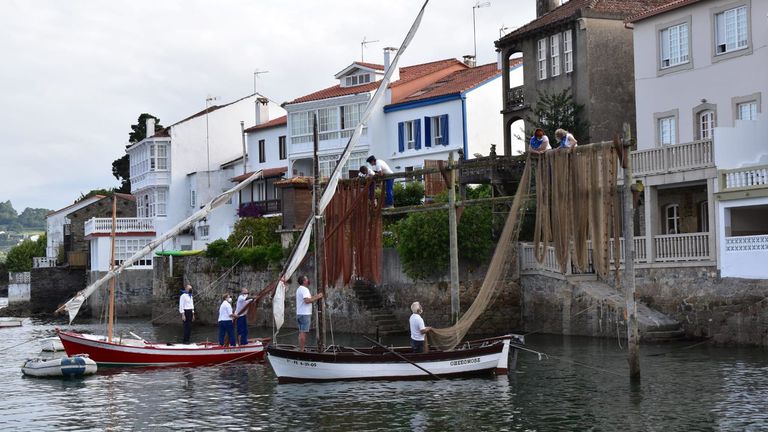
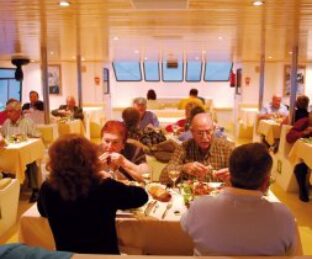
This cruise will allow you to discover the Ribeiro Region with its famous and historical wines through nautical routes along the Miño River. All this while resting in one of its thermal water spas. The Region of O Ribeiro is famous for its hot springs that have been enjoyed since Roman times. Nowadays, several balenarios […]
With this itinerary you will get to know and enjoy a navigation through the Galician maritime culture. Through its fishing villages, its farming parks in rafts and the heritage you will learn about about the fishing tradition linked to salting and preserving. All this in the framework of Ría de Arousa which, thanks to its […]
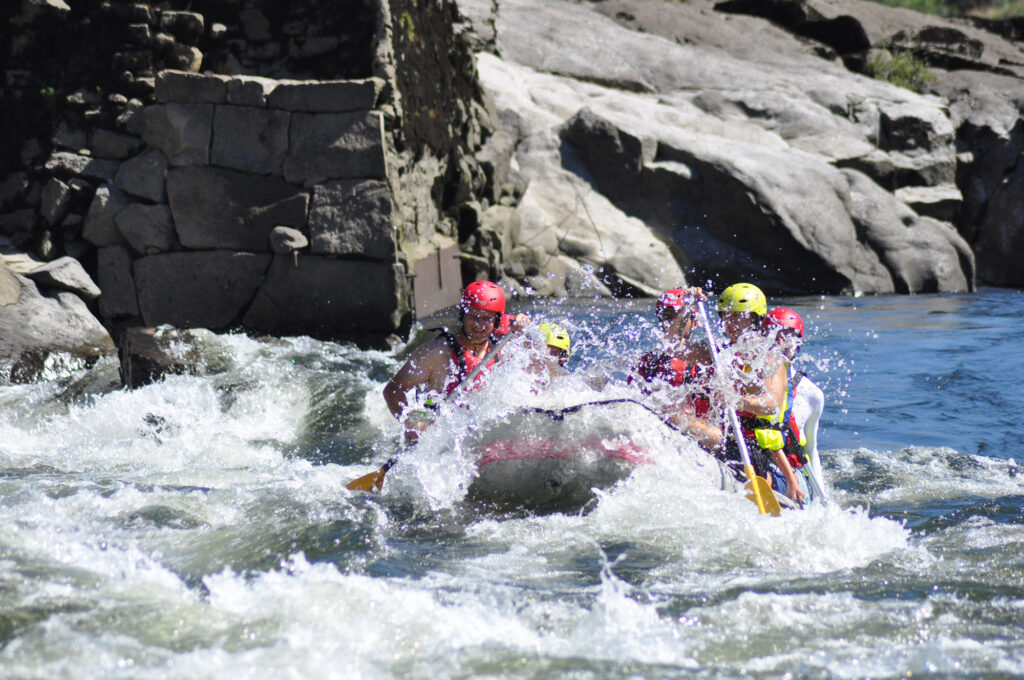
The program created by the company Montes de Laboreiro – Animação Turística (Touristic Animation) integrates a set of water activities in the Alto Minho (Upper Miño). Through it, participants will enjoy four adventure experiences adapted to their profiles so that they can perform them with total flexibility once they have a rental car at their […]
Weekend sailing through Rías Altas departing from Sada with an overnight stay on board. A 15 m sailboat with 5 cabins and all the comforts for high altitude navigation
We will go sailing in the late afternoon, headed to a special point to watch the sunset with the best night views of the entire Ría de Arousa, accompanied by a great seafood platter. After dinner we will make “Queimada” with a witch show and special effects.
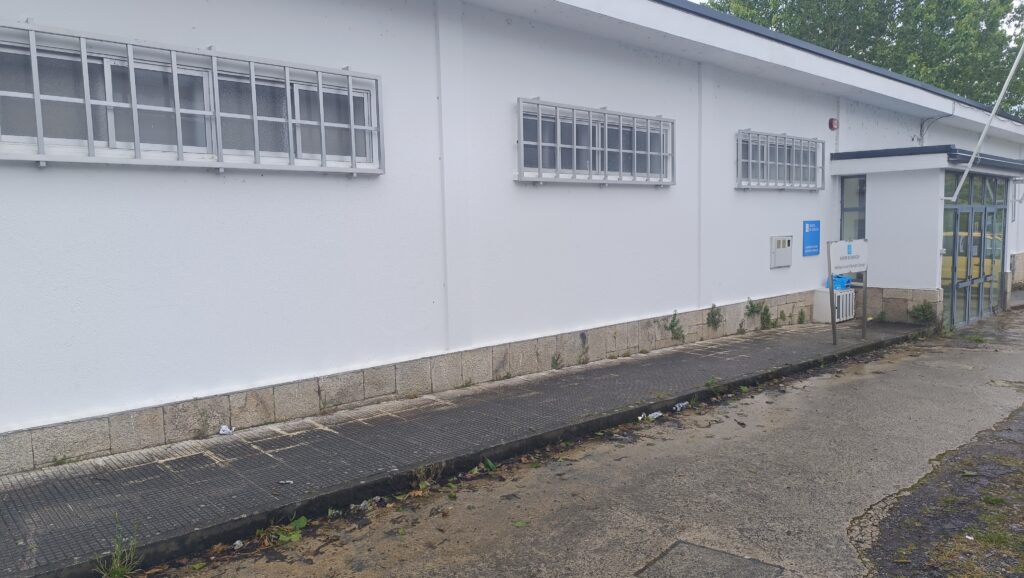
The Hostel currently only opens in summer for organizing summer camps, but the Concello manages this public-use pier for its sports activities throughout the year.
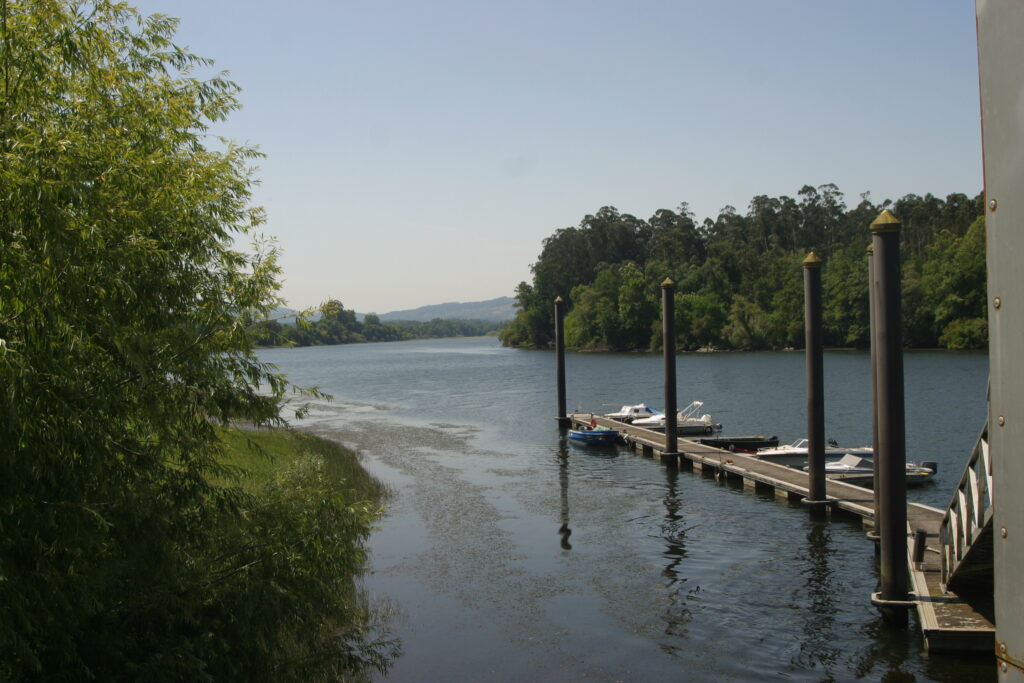
The Leisure Dock and Pontoon of Senhora da Cabeça is a river structure equipped with 10 docking stations, located on the Minho River, in the Cristelo-Côvo parish, a community strongly associated with fishermen and traditional fishing of river lamprey and shad. The typical vessels of the area, known as “Carocho”, still operate around this pier.
The port of Hondarribia, 9 miles from Donostia (San Sebastián) and 4 miles from San Juan de Luz, is located on the eastern side of Cabo Higuer, on the left bank of the Bidasoa River, 400 meters from its mouth. It has very good shelter conditions in any weather situation.
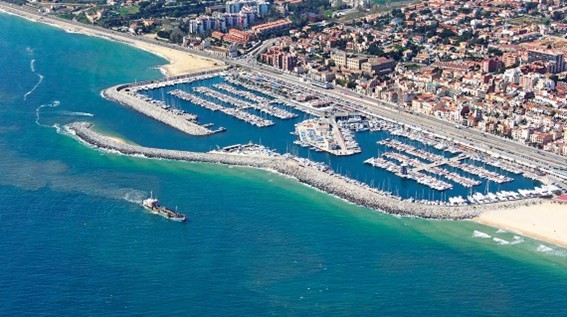
The port is located in the town of El Masnou, a quiet town situated south of the Maresme region. The town stretches along the coast with more than three kilometers of beach, a fact that has shaped its close relationship with the sea.
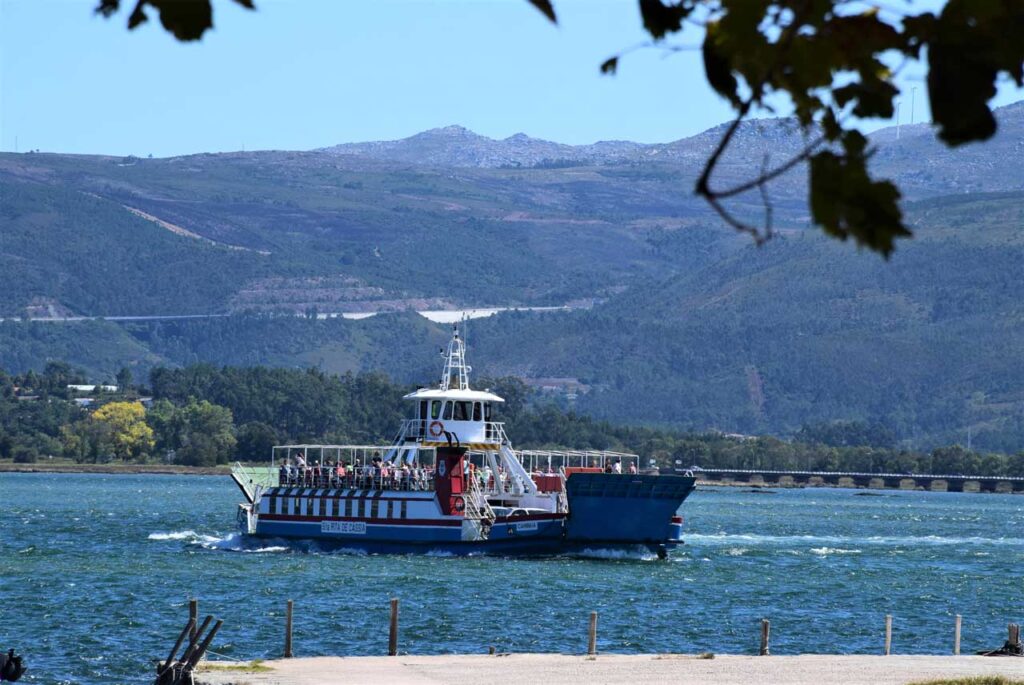
El ferry Santa Rita de Cassia une las dos orillas del Miño entre A Guarda y el municipio portugués de Caminha en un trayecto de unos 15 minutos de duración. A pesar de que el
The Church of Santa María Nai, located in the heart of the historic center of Ourense, is one of the oldest temples in the city. It stands on the site of the original Visigothic cathedral
El centro de Vigo emerge como núcleo histórico de una ciudad vinculada al mar que, sin renunciar a su esencia tradicional, se conforma como la urbe más poblada de Galicia, aún con carácter cosmopolita. Alma,
Melgaço es una localidad perteneciente al distrito de Viana do Castelo, se encuentra en su parte más septentrional en el Norte de Portugal. Es conocida por sus vinos, las aguas termales y su núcleo histórico.
Coincidiendo con la celebración del V Centenario de la Arribada en 1993, el casco histórico de Baiona, fue declarado Conjunto de Interés Histórico- Artístico por la Dirección General del Patrimonio. Su protección está contemplada en
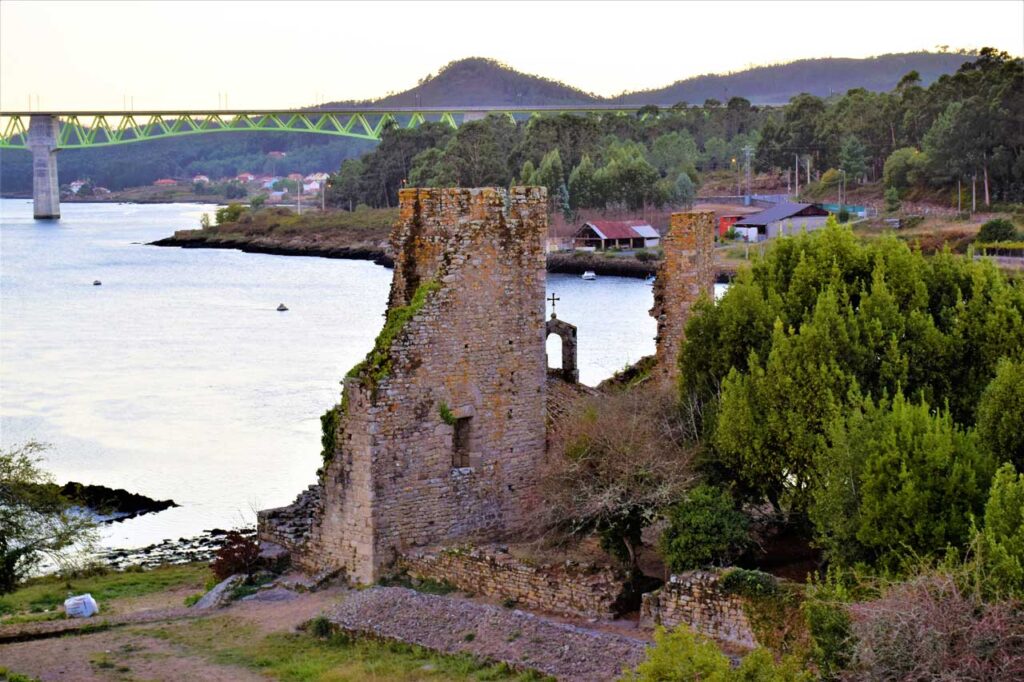
La fortaleza de la que formaban parte las Torres de Oeste, construida para proteger Galicia de las incursiones vikingas, se remonta a la época castreña, con el llamado Castro das Torres, de los siglos II