This nautical cultural itinerary is linked to enogastronomy, the culture of the Galician country houses and its splendid gardens. Taking this tour we will be able to get to know the maritime landscape wonders in Ría de Arousa, the beauty of the camellia gardens in the Albariño wine valley of O Salnés. If there is […]
Soajo Nomadis, based in Vila do Soajo, in the Peneda Gerês National Park, creates this pioneer experience in this type of service. We intend to increase the surrounding water resources (rivers and dams) and be able to “give life” to the semi-abandoned places, such as the Lindoso-Soajo dam in half-walls with the Galician community. We […]
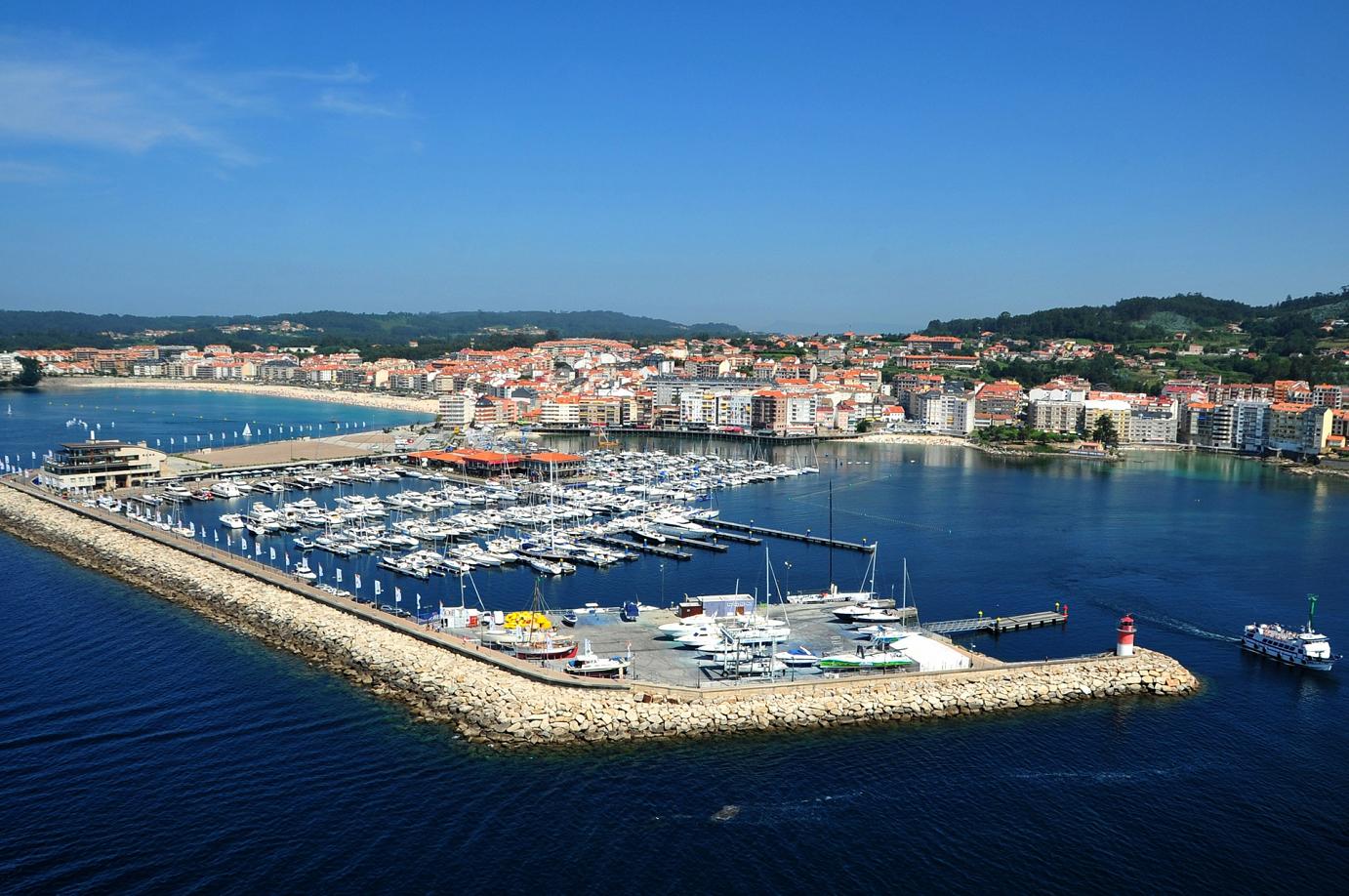
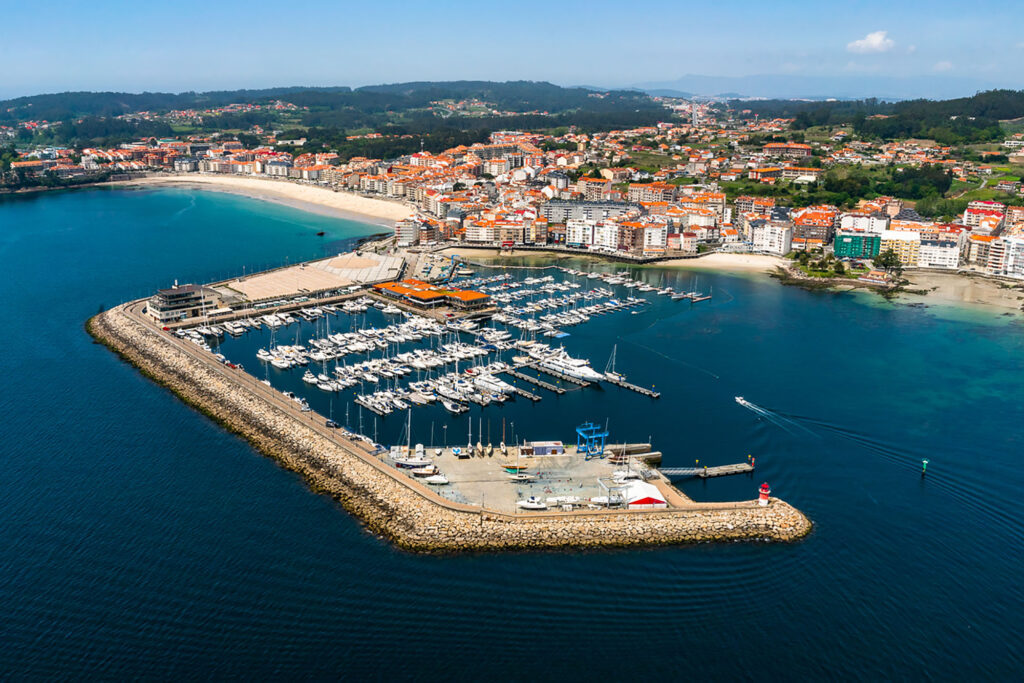
Sanxenxo is a top-tier tourist destination in Galicia. The quality of its seafood and fish is unbeatable, and in any of the port’s restaurants and taverns, you can enjoy excellent caldeiradas and seafood platters. In its surroundings, we can enjoy beautiful beaches such as Silgar, Baltar, Caneliñas, Montalvo, Foxos, or A Lanzada. The civil and […]
Facility located on the Coura River, at the Taboão river beach, 1Km from the town of Ponte da Barca. This place hosts the famous International Music Festival – Vodafone Paredes de Coura.
Vilagarcía de Arousa es un ayuntamiento situado en la comarca de O Salnés, provincia de Pontevedra. Comparte la Ría de Arousa con Rianxo, ubicada en el margen opuesto de sus riberas. Bañada por el Río
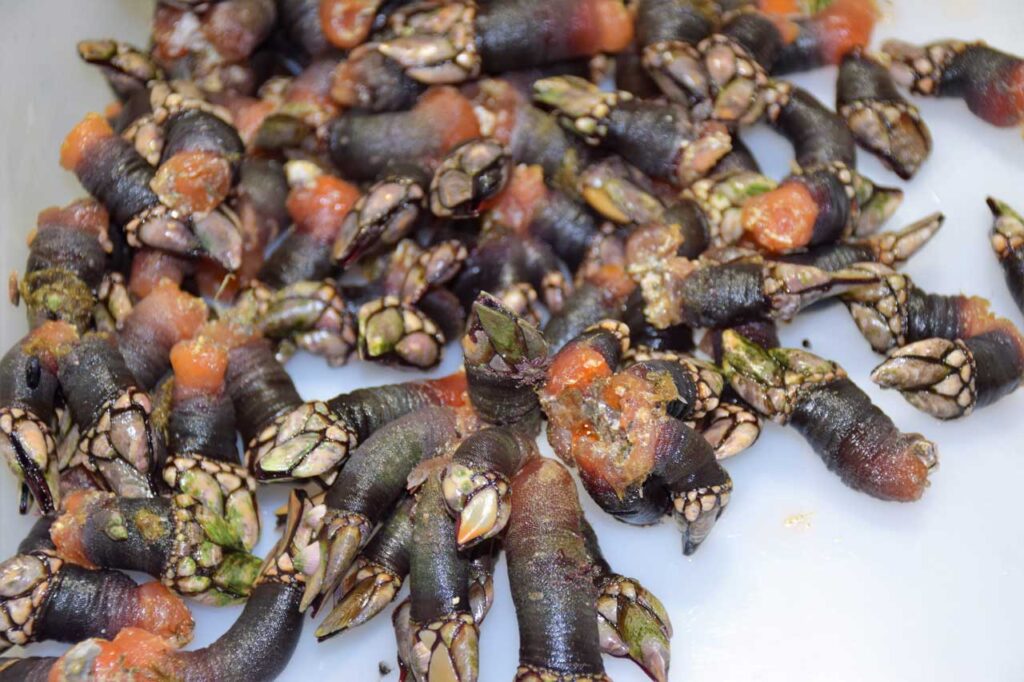
El percebe Pollicipes pollicipes (Gmelin, 1790) pertenece al subfilo de los crustáceos. Es un cirrípedo que vive en zonas costeras rocosas fuertemente batidas por el oleaje, por lo tanto, muy oxigenadas. Esto es debido a
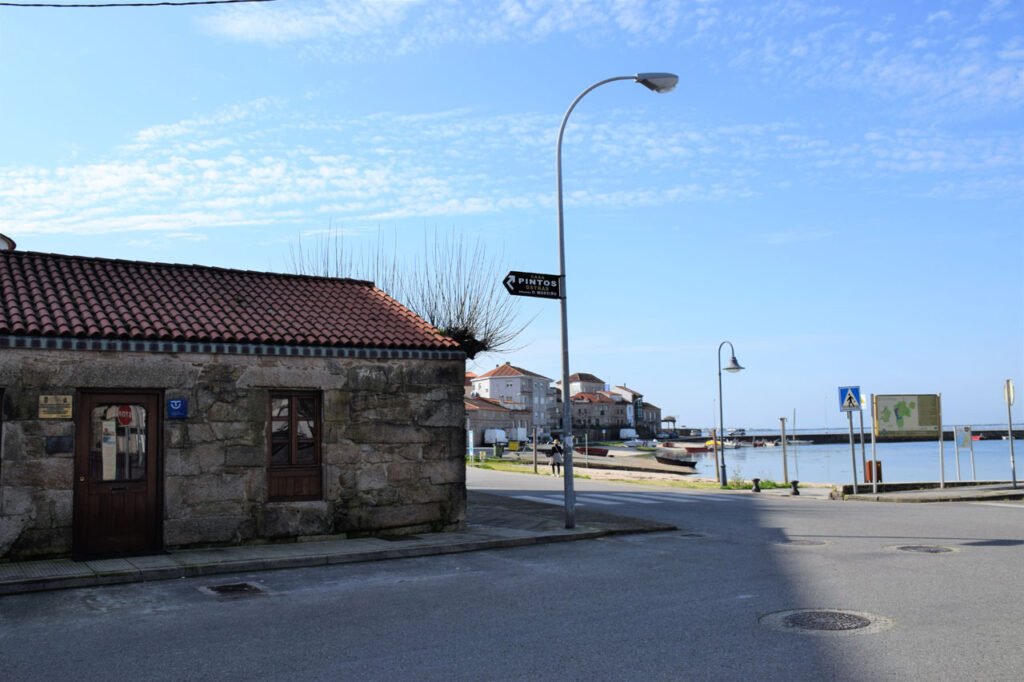
El Museo Casa del Pescador está situado en Cambados en el barrio marinero de Santo Tomé, a escasos metros del mar. Antiguamente se llamaba casa Jovita, es una casa típica de marineros y fue reformada
The Cathedral of San Martiño is the most emblematic monument of Ourense and one of the great Romanesque temples in Spain. Its construction began in the 12th century and it was consecrated in 1188, although
The Church of Nuestra Señora del Pino in Vinuesa, built starting in 1591, is a Gothic-Renaissance style temple notable for its Latin cross plan, three naves with ribbed vaults, and a 17th-century Baroque main altarpiece