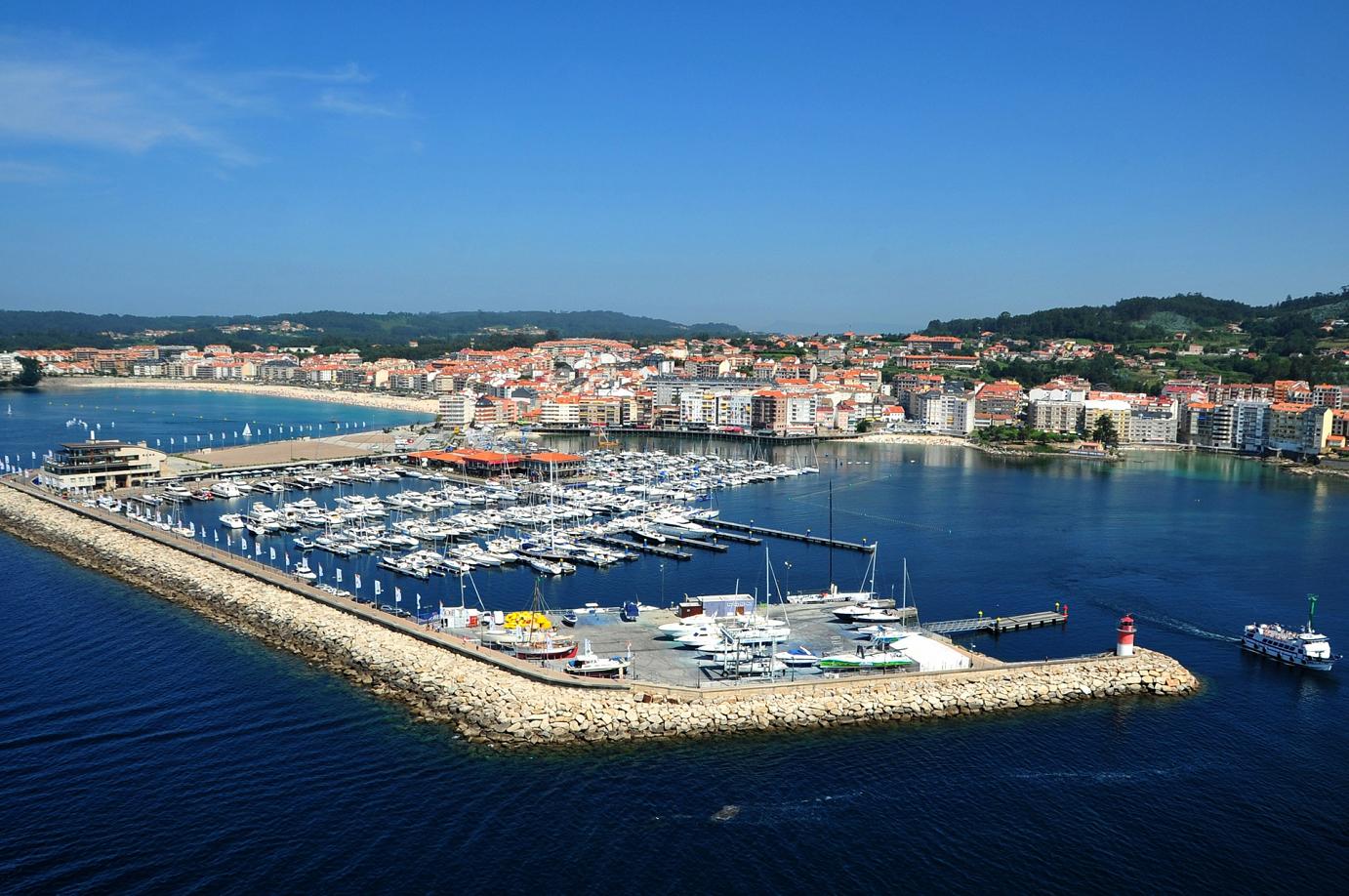
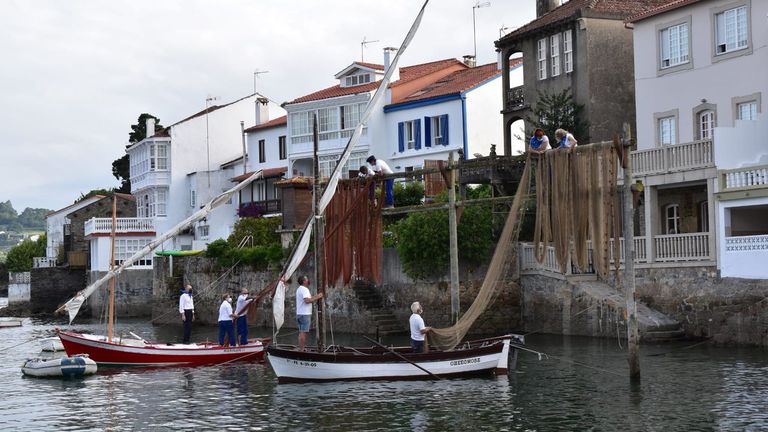
Weekend sailing through Rías Altas departing from Sada with an overnight stay on board. A 15 m sailboat with 5 cabins and all the comforts for high altitude navigation
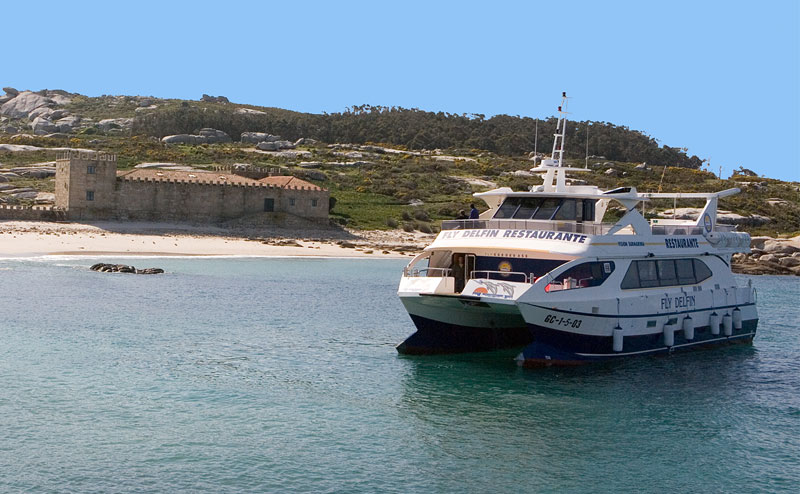
In an eight-hour catamaran-crossing trip, participants will discover through the augmented reality and with stopovers Boiro and Pontecesures town, departing from the Vilagarcía de Arousa Port.
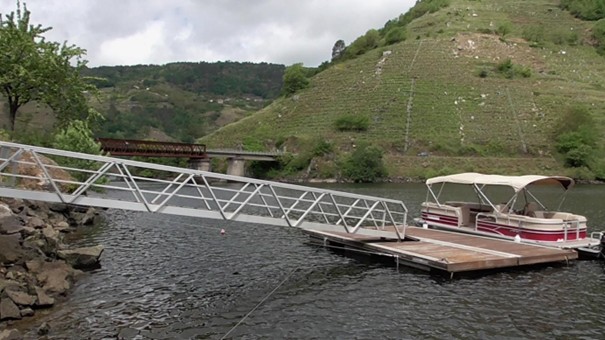
The environment of the Miño River in this area allows you to appreciate a bridge built with stone pillars and a central iron span, which connects with the Concello de O Saviñao and facilitates access to Belesar. The terraced vineyards descend along the mountain slopes, creating a picturesque landscape complemented by the vegetation on the […]
In the urban center of Arenys de Mar, there are a number of must-visit places. The parish church of Santa Maria, the Marès de la Punta Museum, housing the most important collection of lace from the 16th to 19th centuries in Europe, and the Mollfulleda Mineralogy Museum, which has one of the best and most […]
Antequera Beach is one of the most remote and pristine beaches in Tenerife, located in the Anaga Rural Park. Accessible only by sea or via a hiking trail, this beach with crystal-clear waters and black
The Rectoral of Santa María de Punxín is located next to the parish church of the same name. It is a traditional Galician construction made of granite ashlar and irregular masonry, with an L-shaped floor
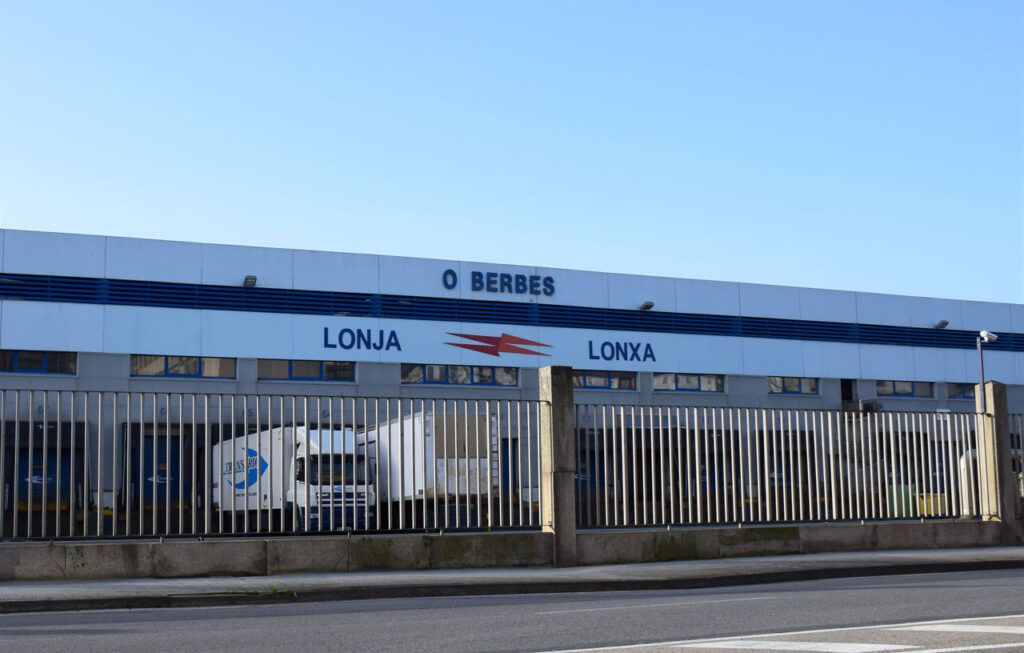
El puerto de Vigo tiene una superficie de 241.238 m2, está considerado como uno de los primeros puertos pesqueros comercializadores del pescado consumo humano del mundo y la lonja de Vigo es famosa por mover
The Castro de A Forca is a place that transports us to the heart of the Iron Age. Around the 4th century BC, the castrexas communities built this small fortified settlement at the beginning of
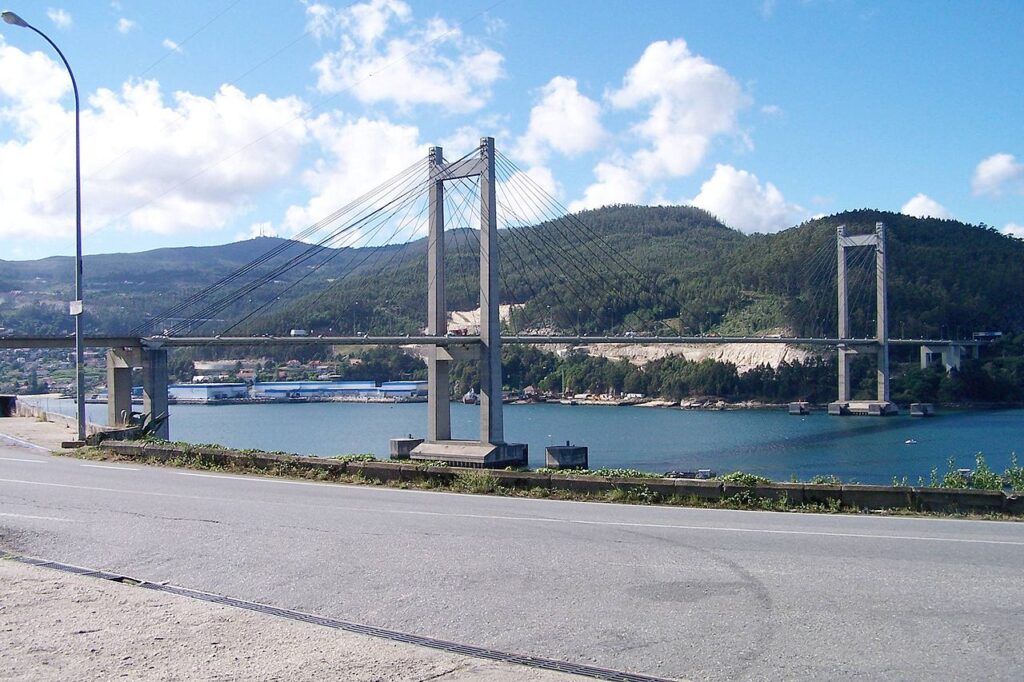
El majestuoso puente de Rande fue diseñado por el ingeniero italiano Fabrizio de Miranda y construido en 1978 con 4 carriles de circulación (2 en cada sentido de circulación) dentro de la ría de Vigo.