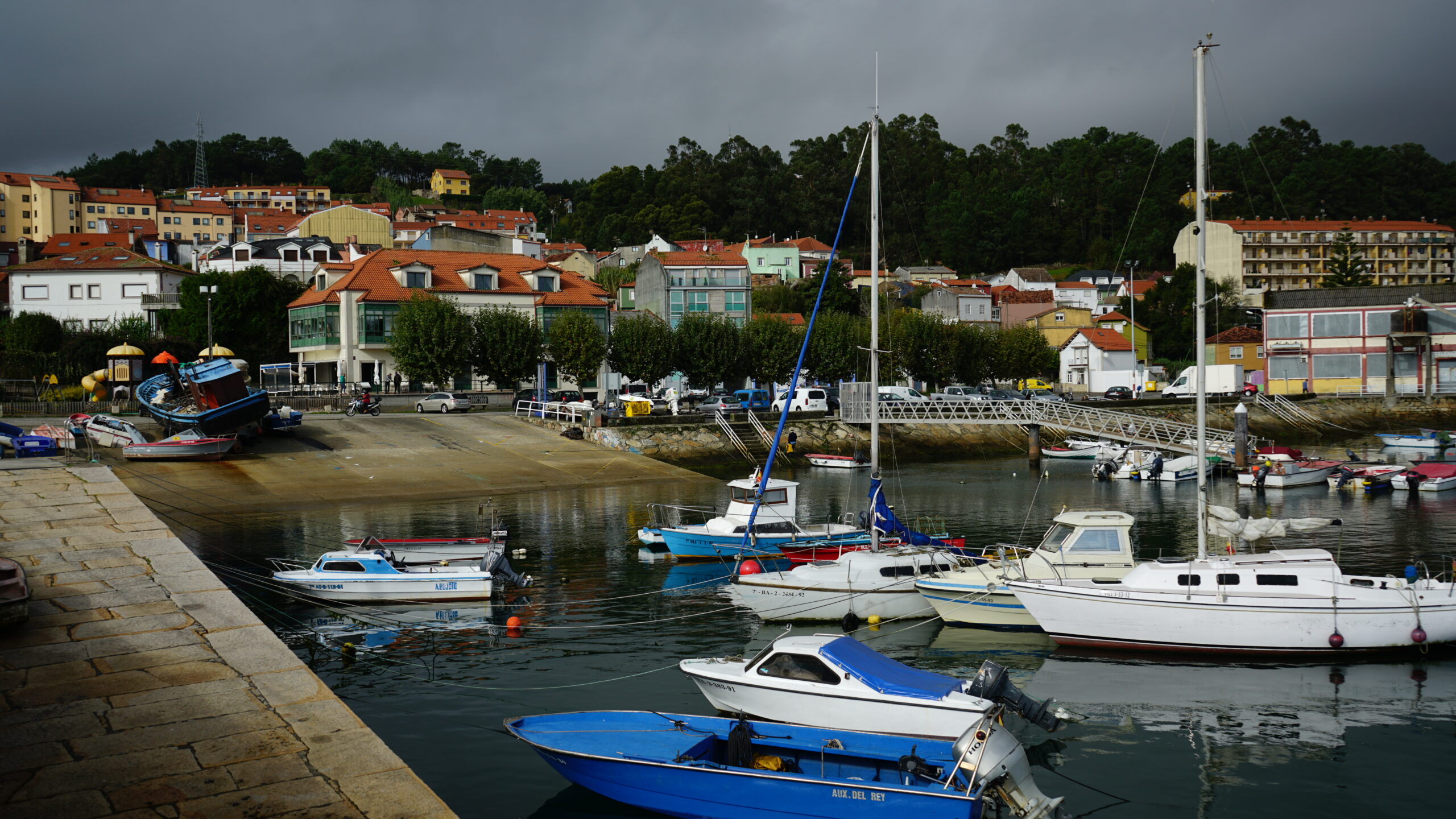
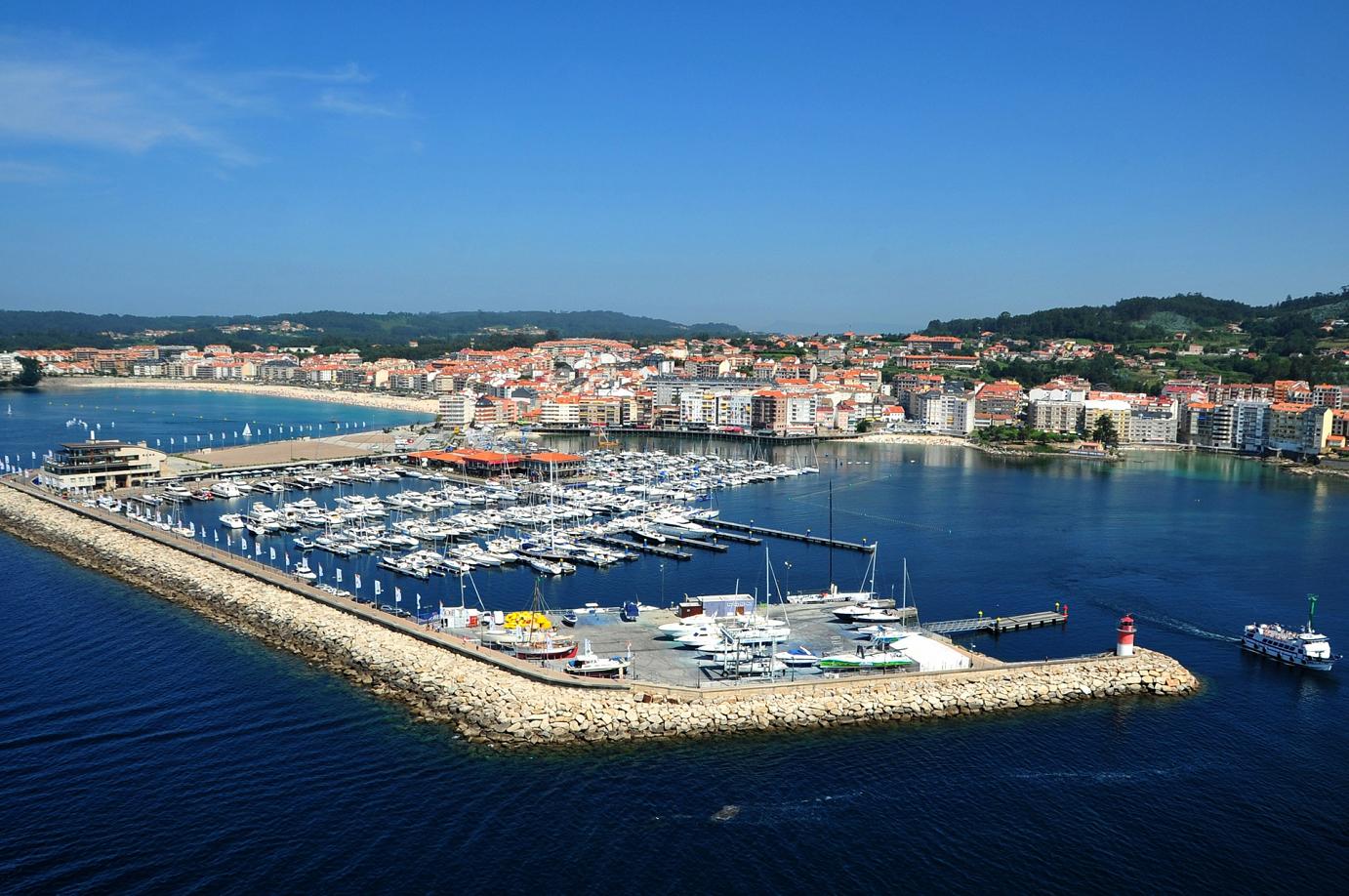
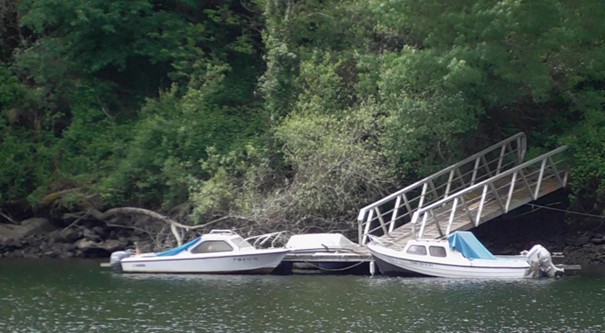
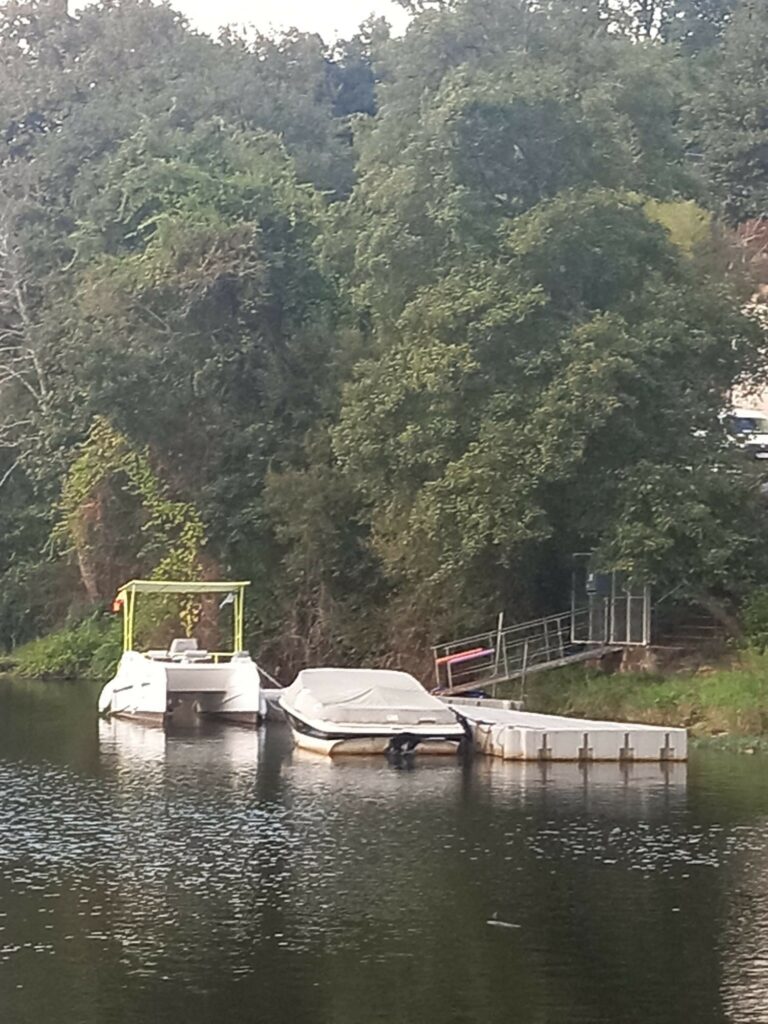
The Maritime Route recreates this journey from Ribeira to Padrón. From there, the Xacobea route continues the route of the Portuguese Way to the Cathedral of Santiago, where the remains of the Apostle rest. With this itinerary you will discover, by sailboat along Ría de Arousa and by motorboat along the Ulla river, the places […]
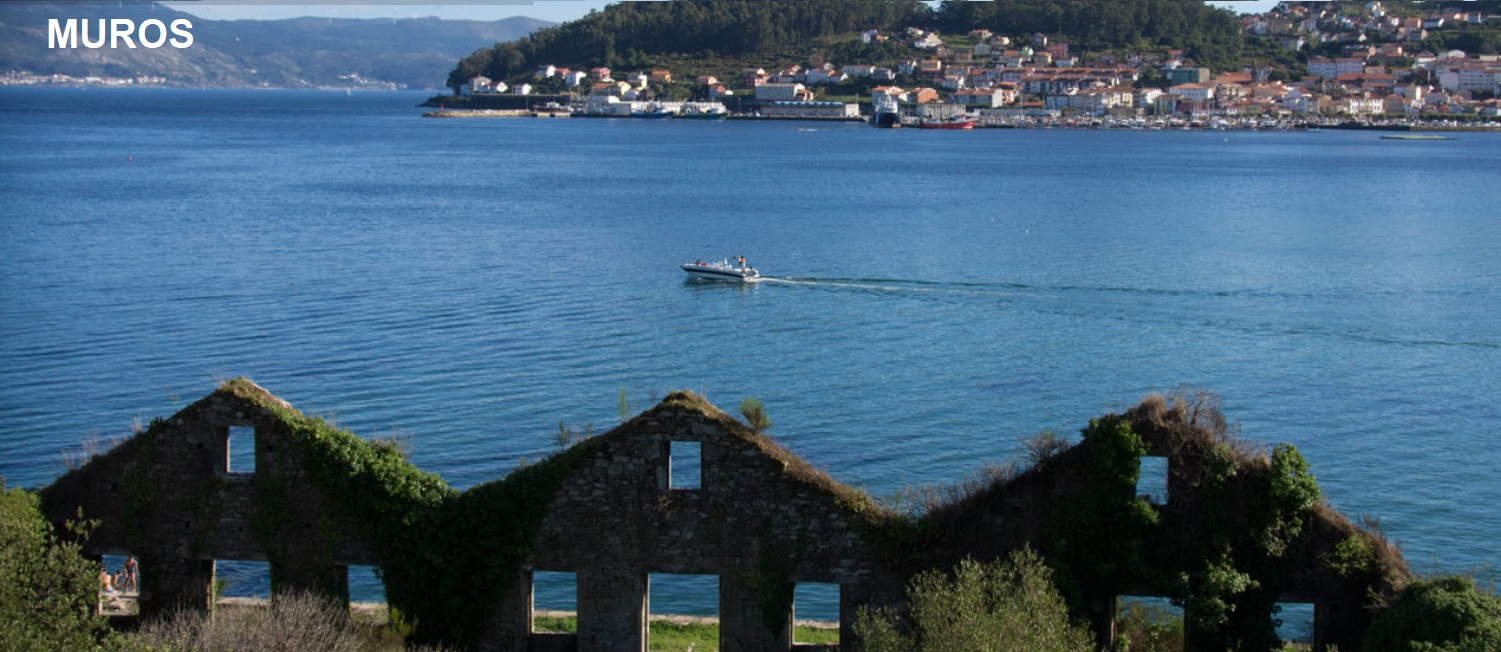
Ride in a semi-rigid speedboat (light motor boat) through the points of interest of the Concello de Muros. Panoramic views of the historic center and the facades with galleries of the houses from the sea, the mill of the tides, an explanation of the capture of bivalves in the sandbanks, navigation to Montelouro, explanation of […]
The vineyards surrounding the Miño River provide great visual depth to the landscape, allowing views of both banks. The terraces and grape transport routes blend with the old pier, which once facilitated communication via typical local boats. Some of these vessels have been recovered and preserved; they were flat, with long oars, designed for transporting […]
The Alcántara pier lacks additional port facilities; it only has some buildings that could be repurposed in the future for a good tourist offer that does not leave this place forgotten.
The Iron Bridge of Os Peares is one of the most emblematic structures of the town, located at the point where the Sil and Miño rivers converge. This long metal structure bridge connects the two
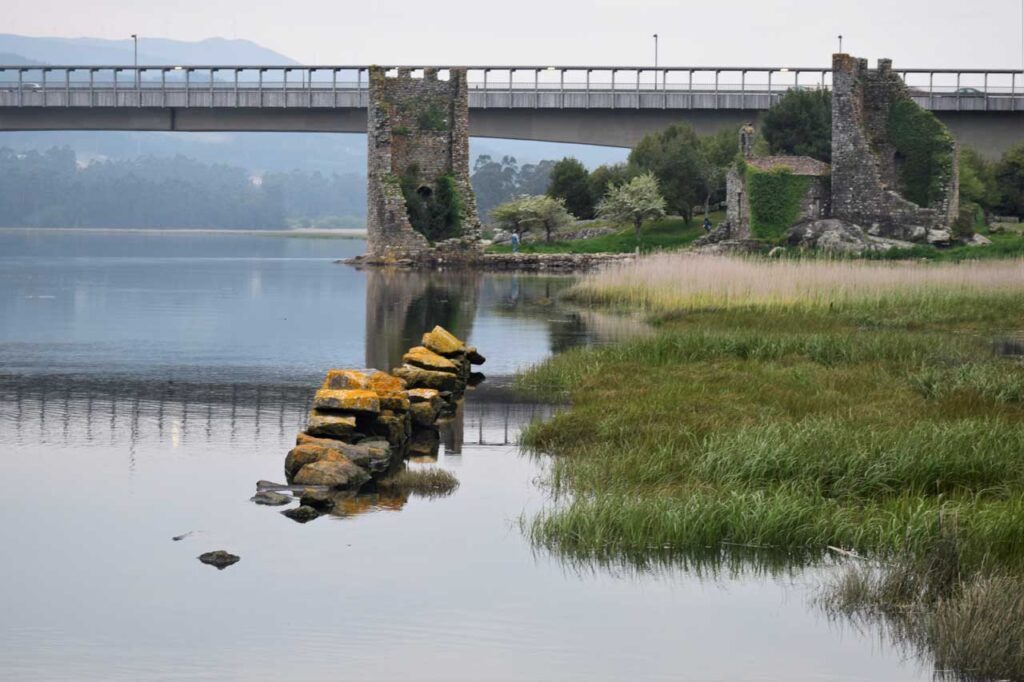
Catoira, es una localidad situada en la provincia de Pontevedra, más concretamente en la Ría de Arousa. Su situación es privilegiada ya que está muy cerca de Vilagarcía, Santiago y Pontevedra. Geográficamente se sitúa en
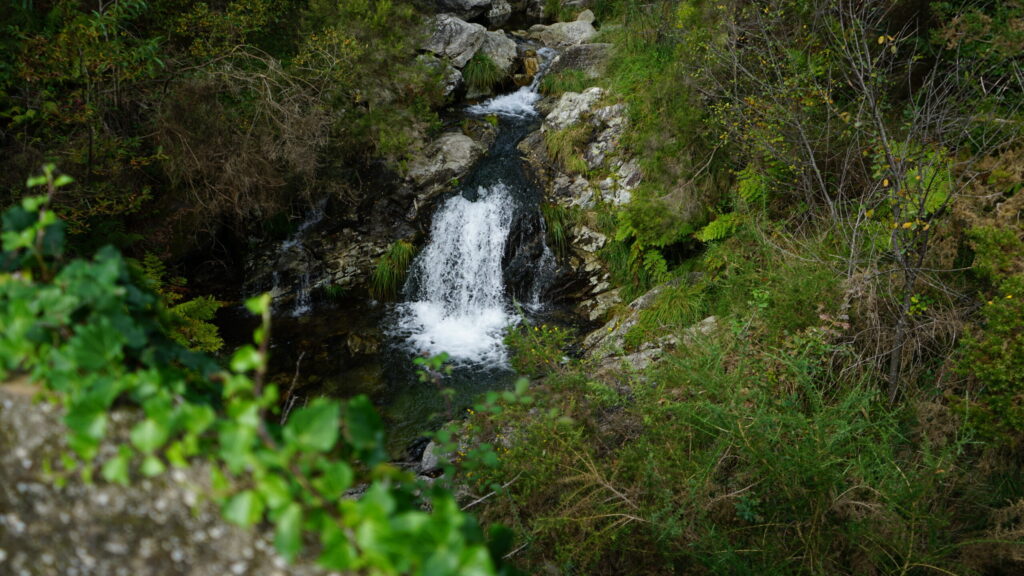
The Cadarnoxo waterfall -or cascade- is located in the parish of Cures, just a few kilometers from the center of Boiro, in A Serra de O Barbanza, and very close to Mount Iroite. There lies
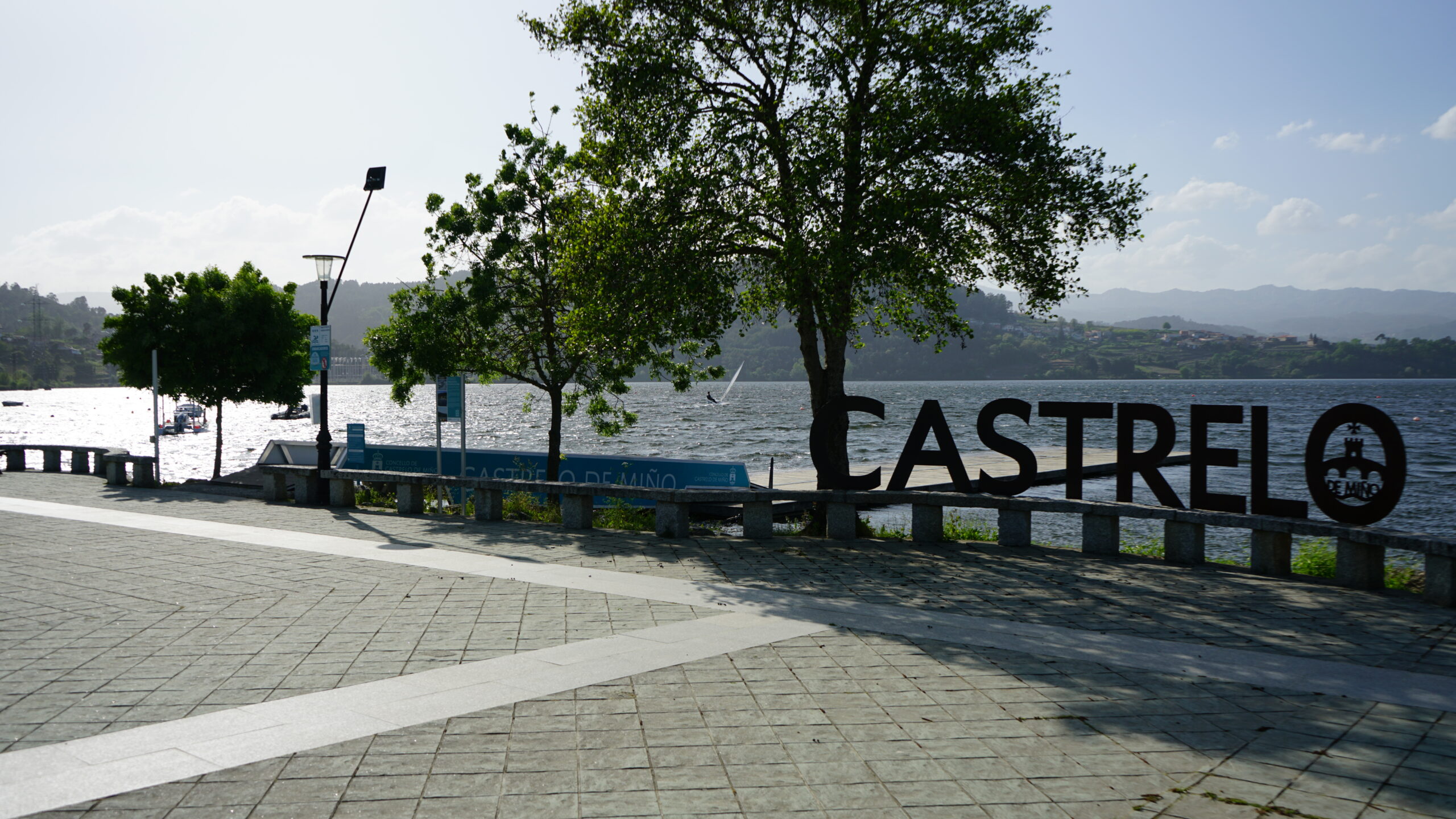
Castrelo de Miño is a municipality belonging to the province of Ourense, located in the northwest of the Iberian Peninsula and in the heart of the Ribeiro region. Galicia’s largest river has in Castrelo de