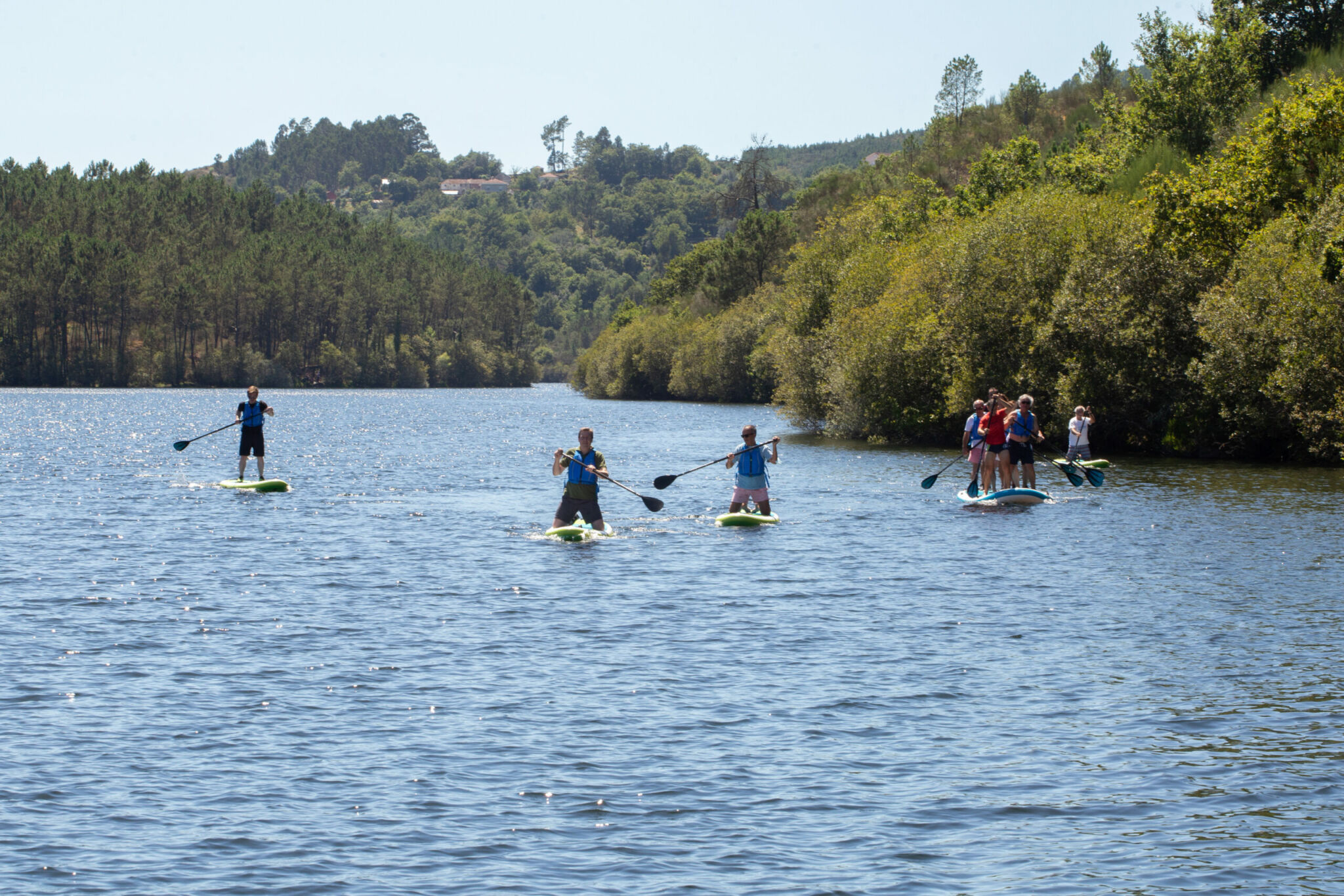
Descending the Miño and Lima Rivers, you can enjoy a week of kayaking, combined with experiences on the land, such as wine tasting and cultural visits. On top of that, SUP and rafting activities are added to this water experience.
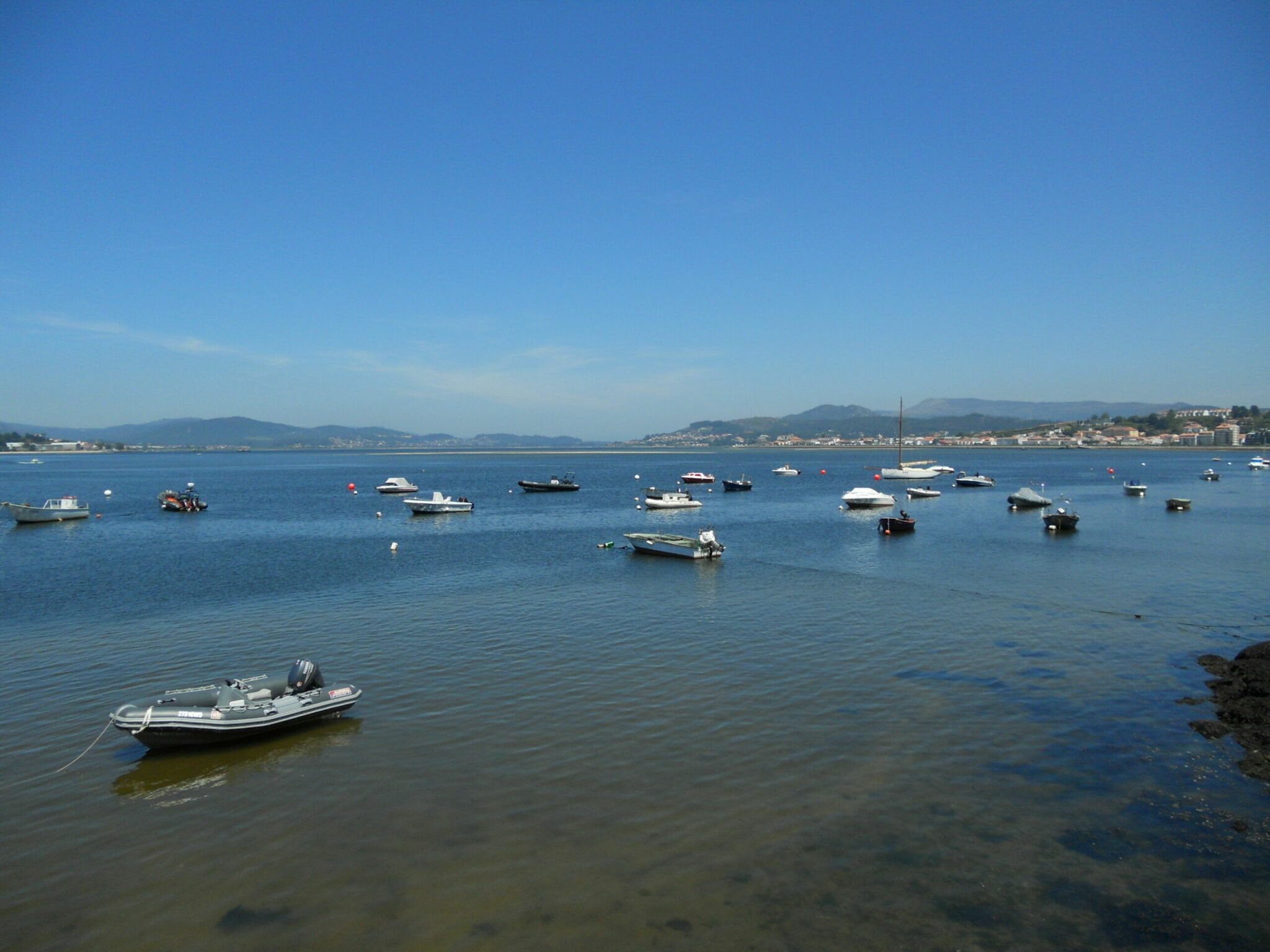
In an eight-hour catamaran-crossing trip, participants will discover through the augmented reality and with stopovers Puebla del Caramiñal and Sálvora Island, departing from the Vilagarcía de Arousa Port.
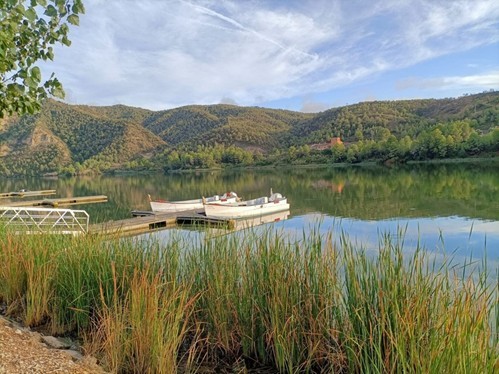
The dock is located on the Matarraña River just a few kilometers from the urban center of the municipality of Fayón. It is situated in a privileged natural environment, ideal for fishing and other water sports. From here, you can enjoy the waters of the Riba-Roja Reservoir and engage in a wide variety of nautical […]
The port of Hondarribia, 9 miles from Donostia (San Sebastián) and 4 miles from San Juan de Luz, is located on the eastern side of Cabo Higuer, on the left bank of the Bidasoa River, 400 meters from its mouth. It has very good shelter conditions in any weather situation.
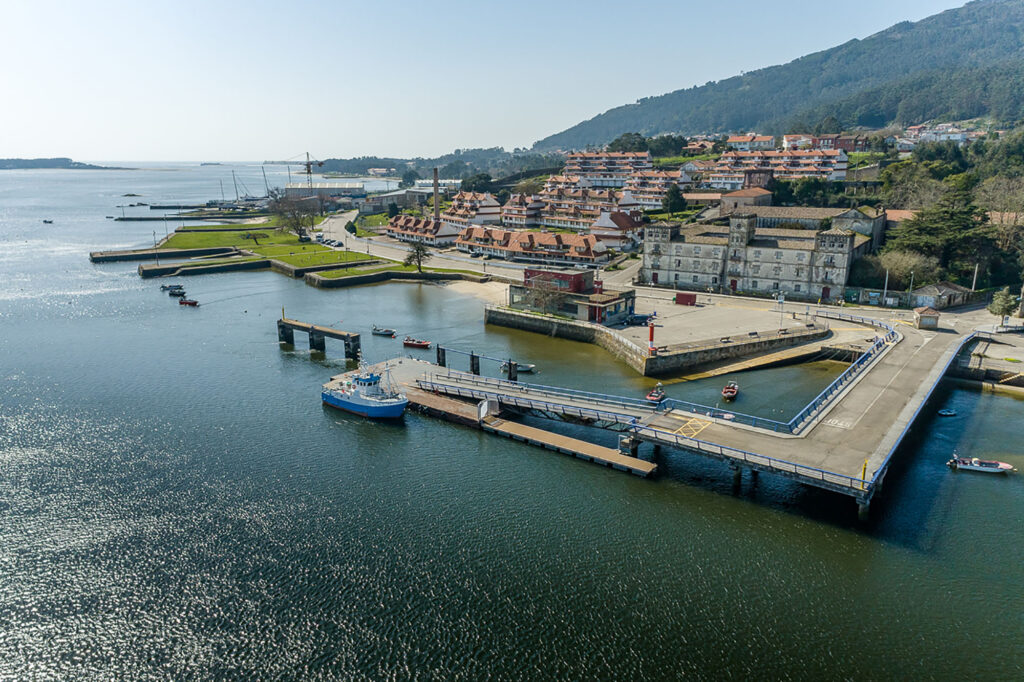
Camposancos is a small village located on the northwest bank of the river and 1.5 miles above the estuary. The port of Camposancos is situated in A Pasaxe, Camposancos, on the southern slope of Monte Tegra. The village of A Guarda is just on the other side of the mountain. It is a mandatory stopover […]
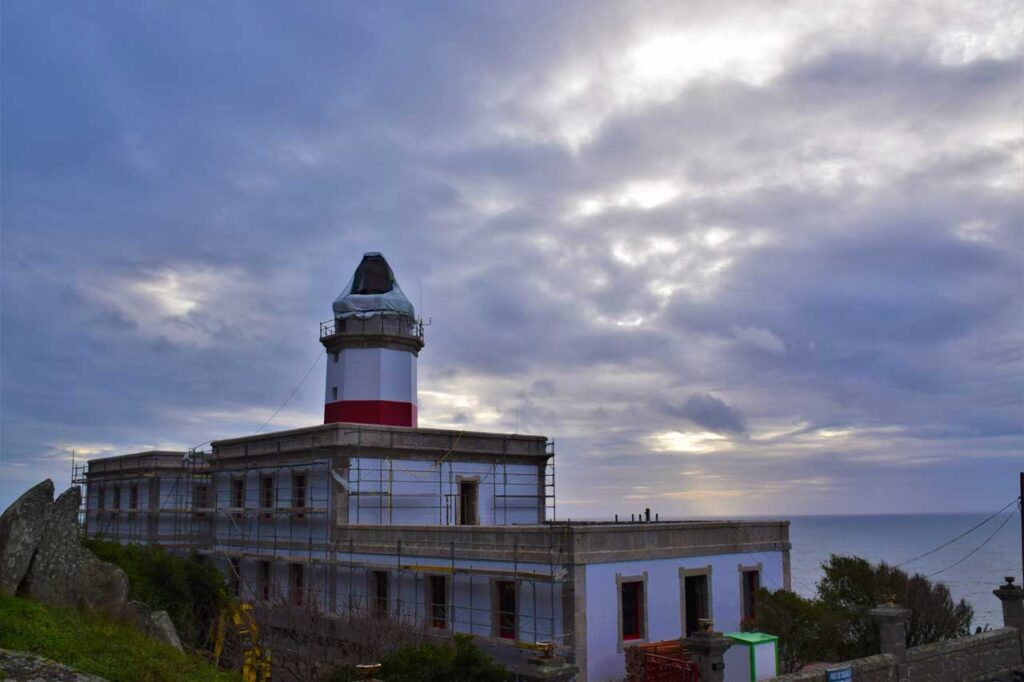
Cabo Silleiro is a geographical feature located in the southwest of Galicia, in the parish of Baredo (Baiona), which closes the estuary to the south, marking the beginning of the Rías Bajas to the north.
The Barbantes Thermal Area, located on the banks of the Miño River in the municipality of Cenlle (Ourense), is an outdoor leisure space featuring free access thermal pools. The site offers a large green area
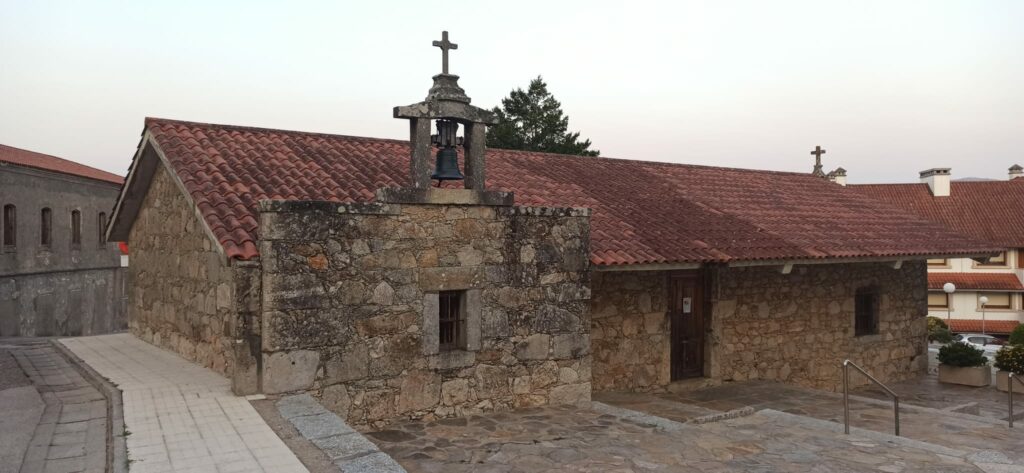
At the end of the 19th century, according to an inscription on the cornice, the Chapel of Our Lady of Grace was built in A Pasaxe (Camposancos, A Guarda). It originated as a small Marian
This is a walking route through the historic center of the North African city, visiting the Royal Walls and Plaza de África, where the most important buildings of the town are located, such as the
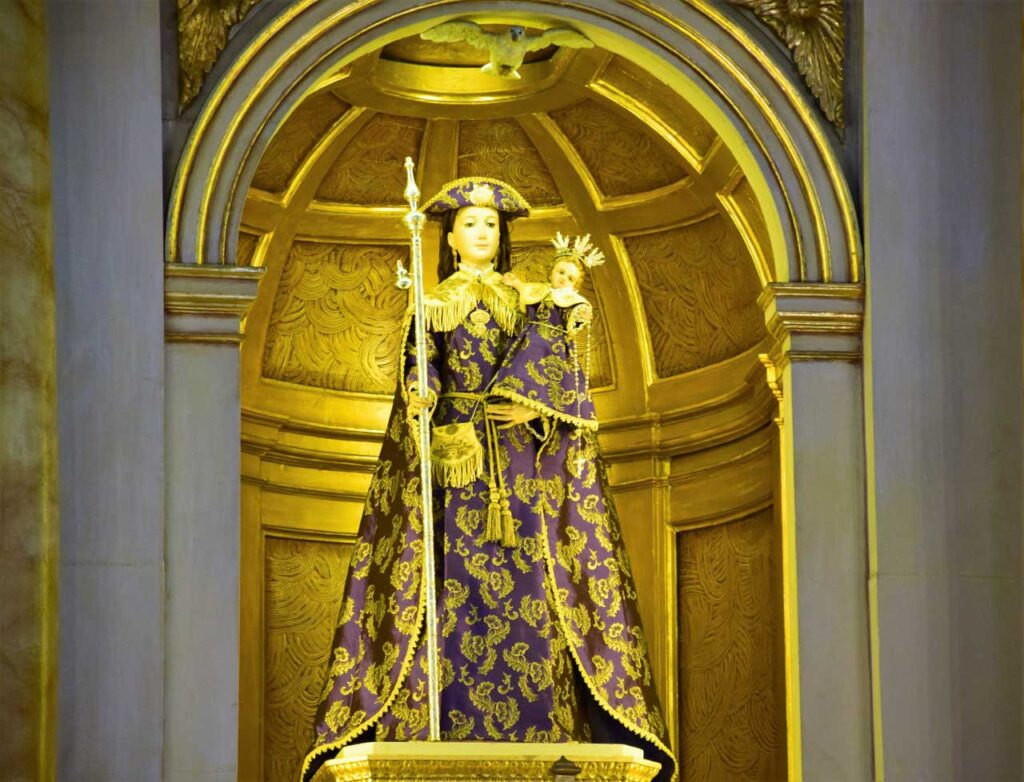
El Santuario de la Virgen de la Peregrina fue construido entre los años 1778-1782 convirtiéndose así en una de las edificaciones más importantes y simbólicas de la ciudad de Pontevedra. Su construcción fue dirigida por