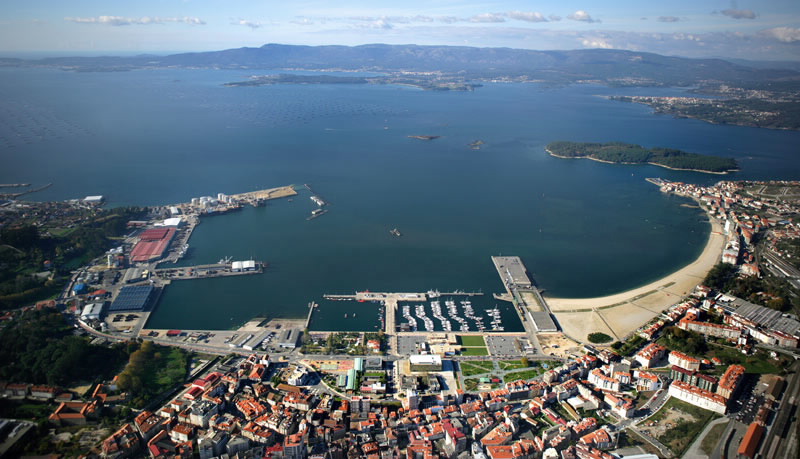
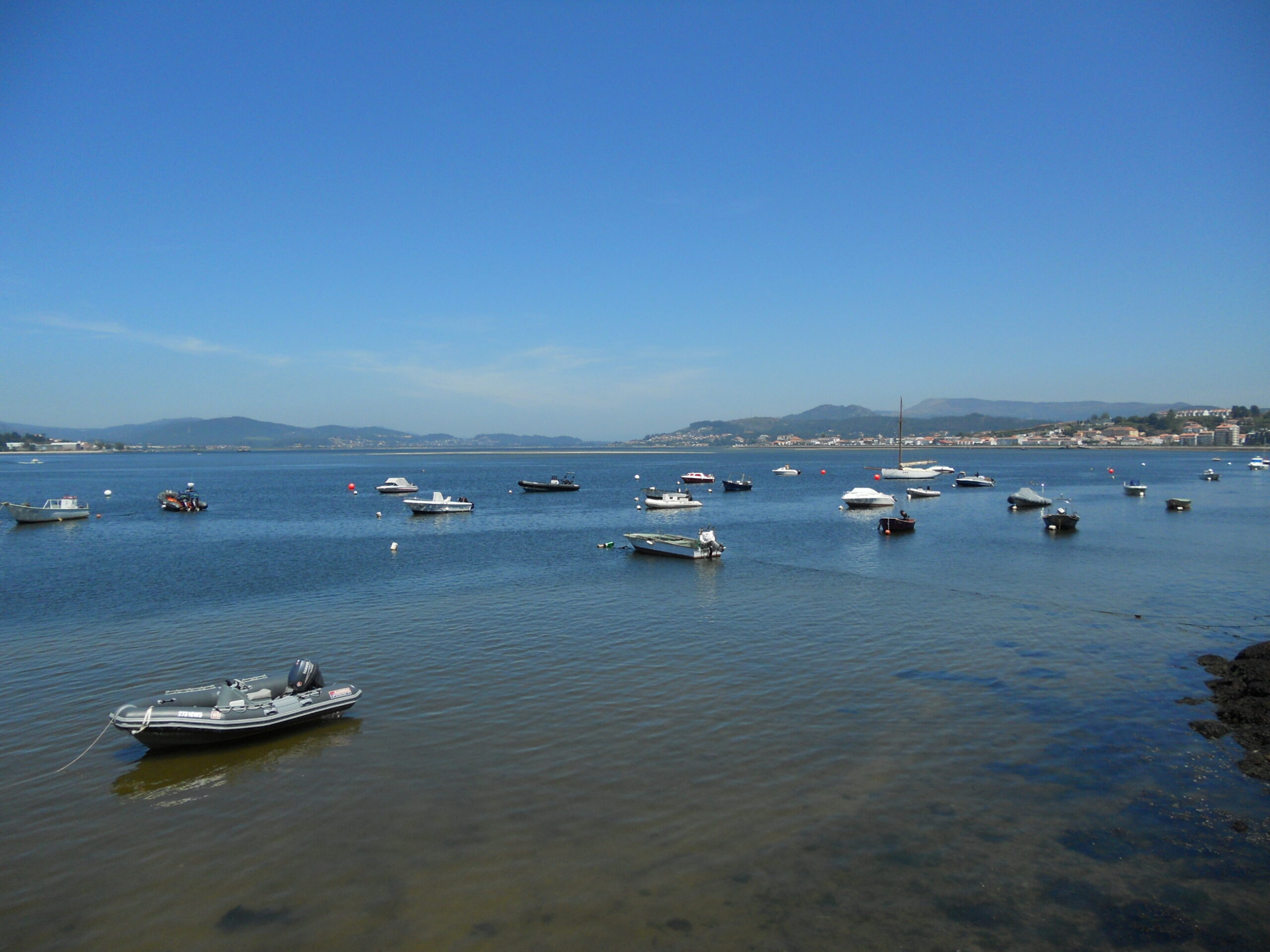
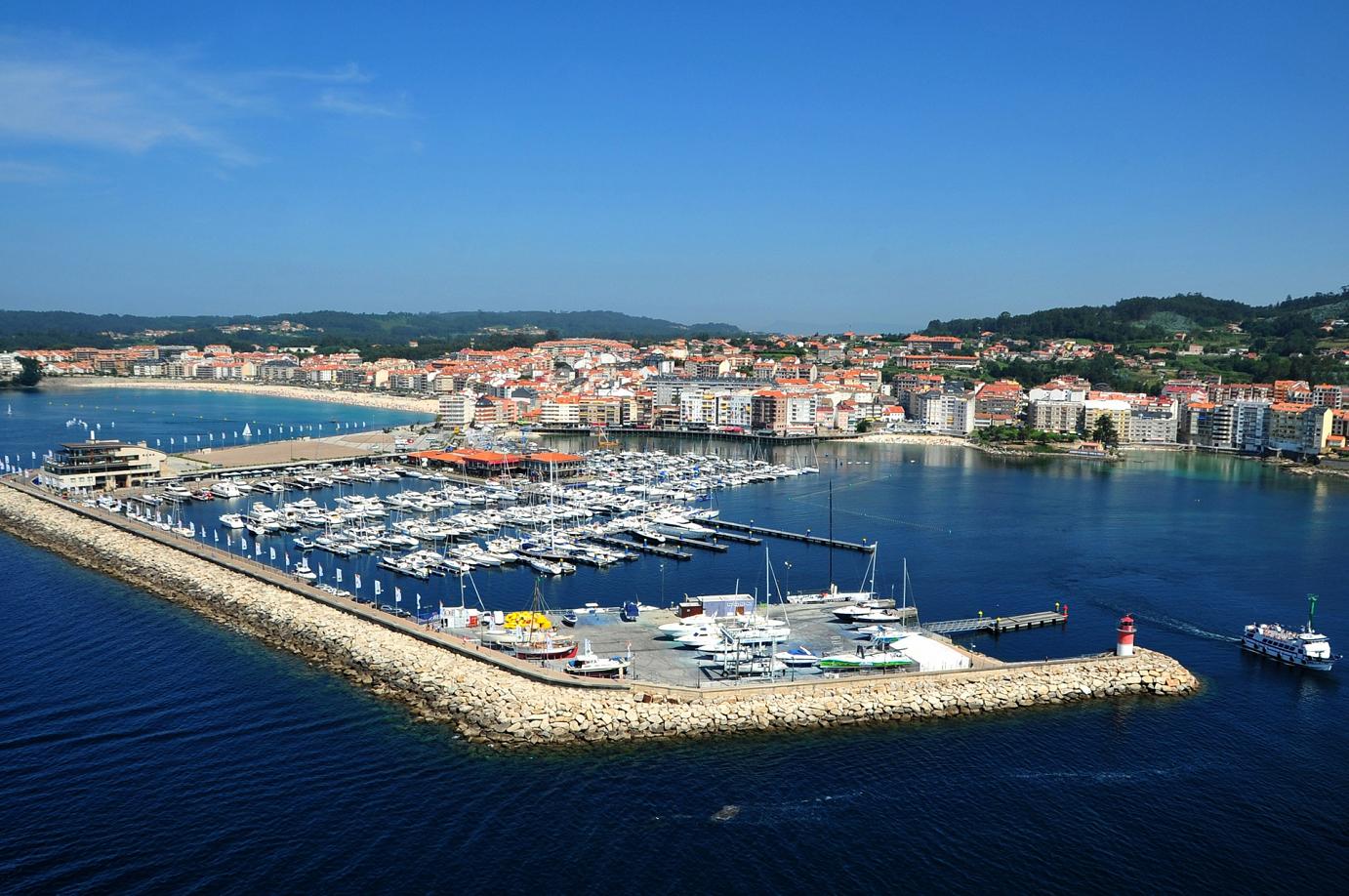
Visit Rías Baixas and the Atlantic Islands of Galicia National Park in this several days journey, in which we will navigate through the three most emblematic estuaries of Galicia: Ría de Arousa, Ría de Pontevedra and Ría de Vigo. In addition, we will visit the three most important islands that make up this national park, […]
Cruise along Ría de Arousa, visit to the mussel, oyster and scallop farming rafts, known as “bateas”. Explanation about them surrounded by the Ria de Arousa views. Steamed mussels & local wine tasting.
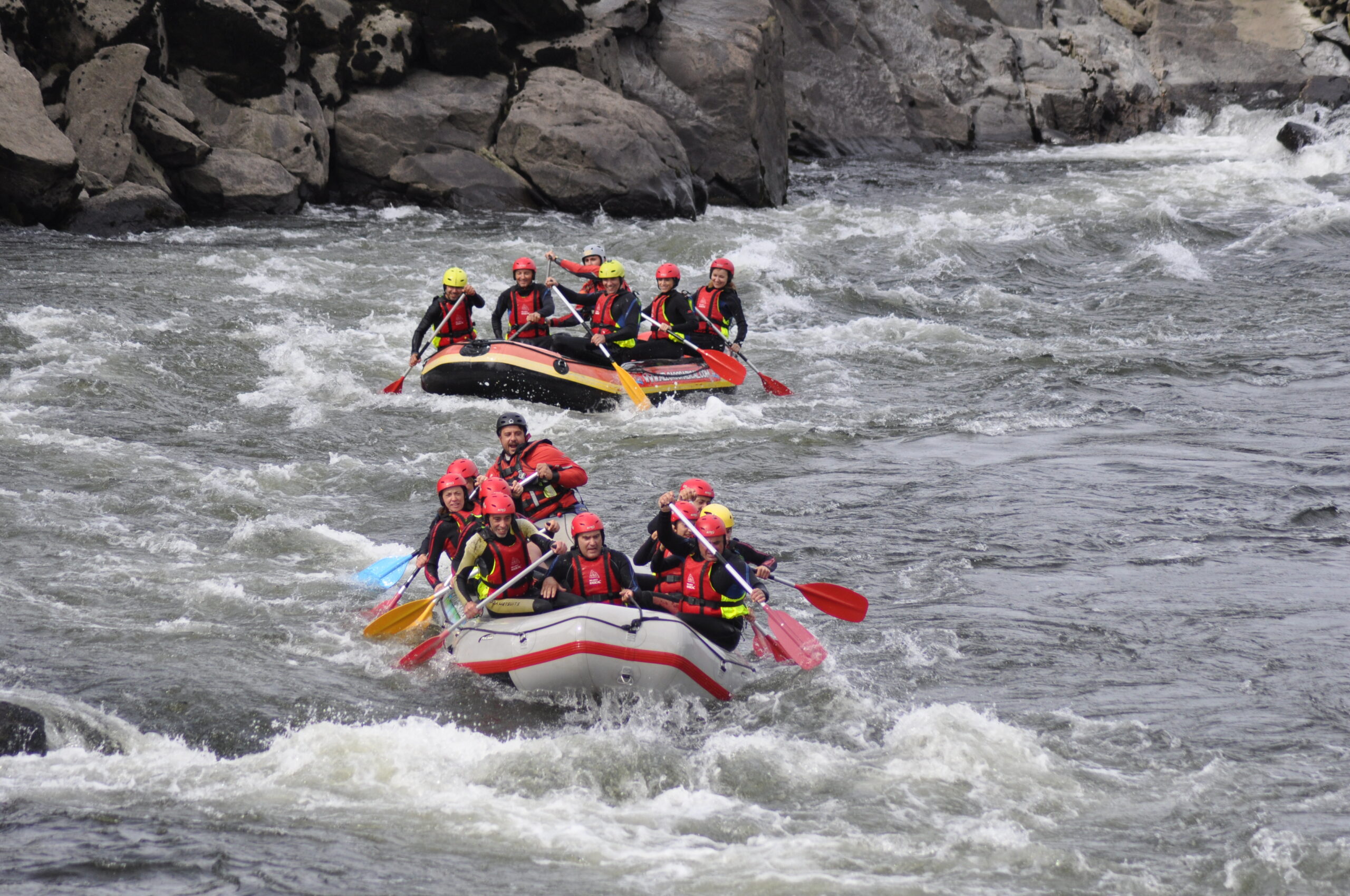
Melgaço Radical is a company with extensive experience in the sports-activities field in nature or as an adventure, with rafting as our main business card. Over the years, we have brought to Melgaço thousands of people from all over the country, as well as many foreign tourists. The Miño River, with its exceptional flow, is […]
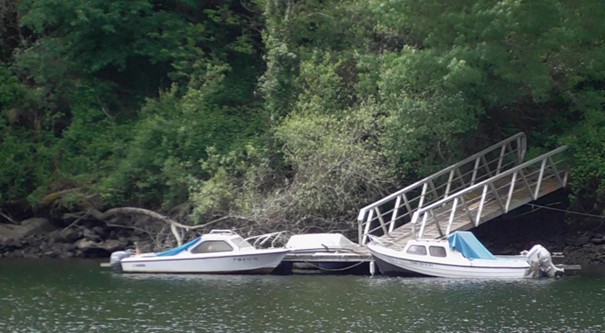
The vineyards surrounding the Miño River provide great visual depth to the landscape, allowing views of both banks. The terraces and grape transport routes blend with the old pier, which once facilitated communication via typical local boats. Some of these vessels have been recovered and preserved; they were flat, with long oars, designed for transporting […]
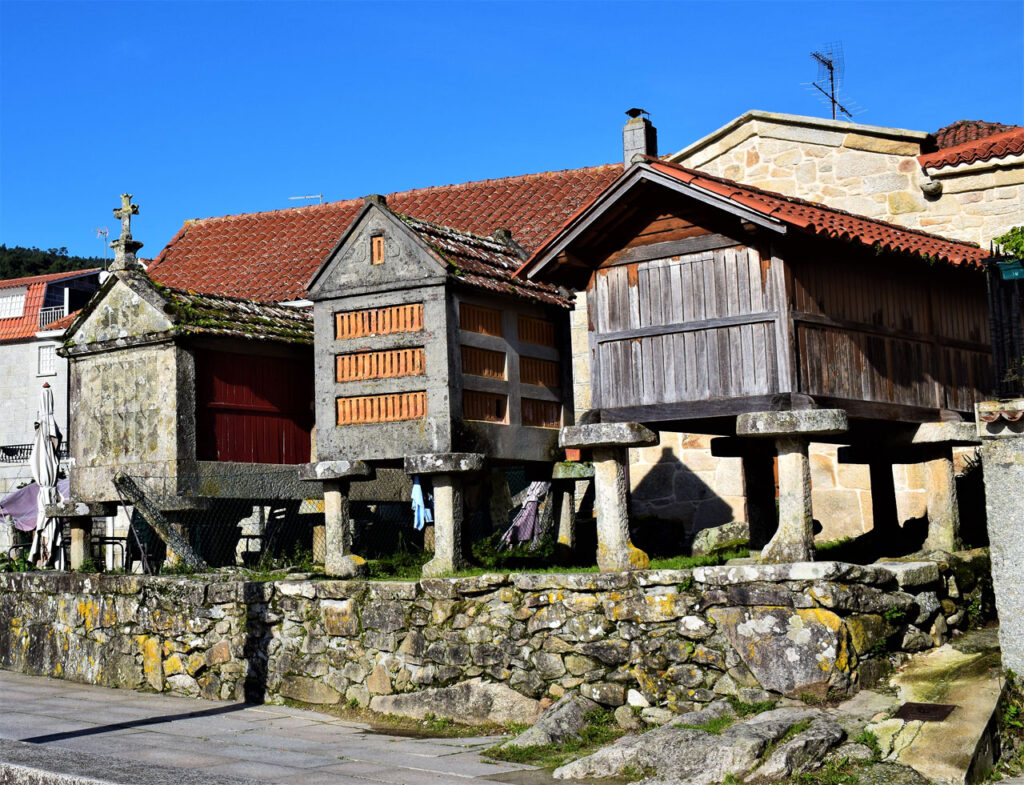
El hórreo es icónico en esta población del municipio pontevedrés de Poio, no en vano, una de las imágenes más conocidas de este conjunto histórico muestra una panorámica de la línea de hórreos que separan
La isla de Toralla es una pequeña isla situada en la costa sur de la ría de Vigo, a unos 400 metros de la playa del Vao. Está urbanizada, tiene una superficie de 10,6 hectáreas
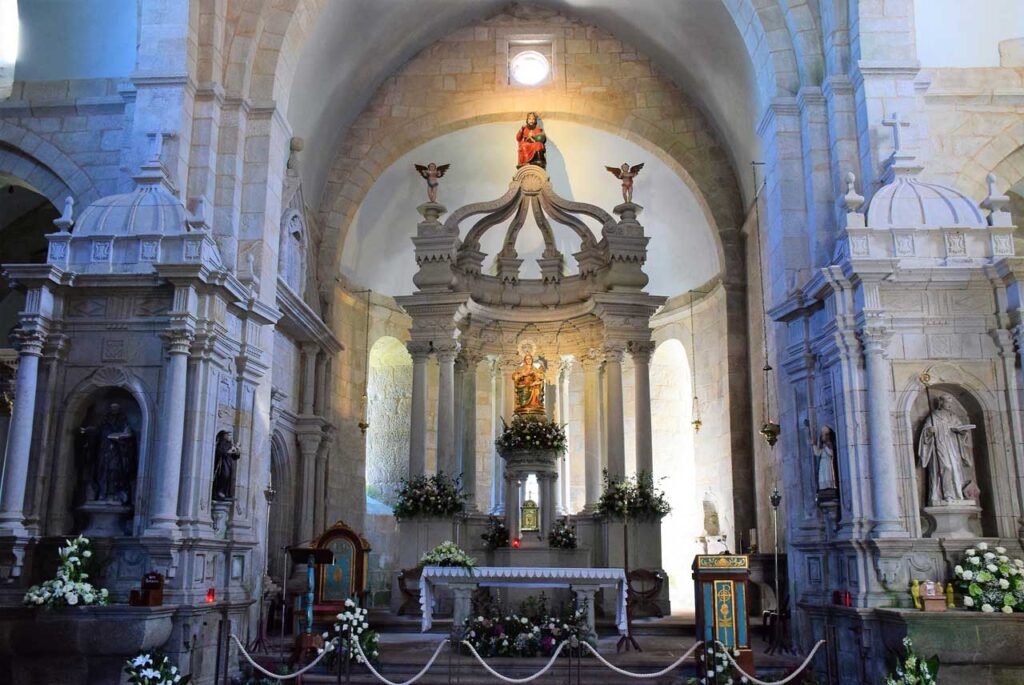
El Monasterio Cisterciense de Armenteira está situado en la parroquia de Santa María, en el ayuntamiento de Meis (Pontevedra), entre las rías de Pontevedra y Arosa, en la comarca del Salnés y está habitado por
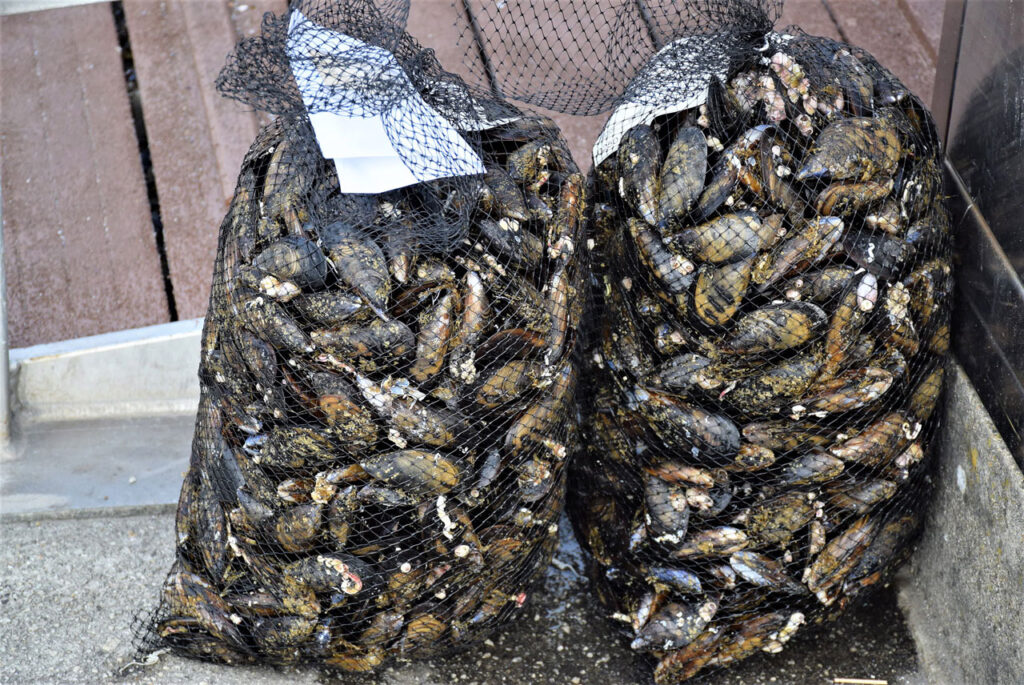
El mejillón Mytilus galloprovincialis es un molusco bivalvo de tonos azules fuertes que vive formando agregados en las rocas costeras, tanto en las más expuestas y batidas por el mar como las rocas situadas, en
The paintings of Plano del Pulido are classified within Levantine rock art, one of the most important artistic manifestations of the prehistoric Iberian Peninsula. Levantine art is spread throughout the eastern third of the Iberian