


Castro de Cálago
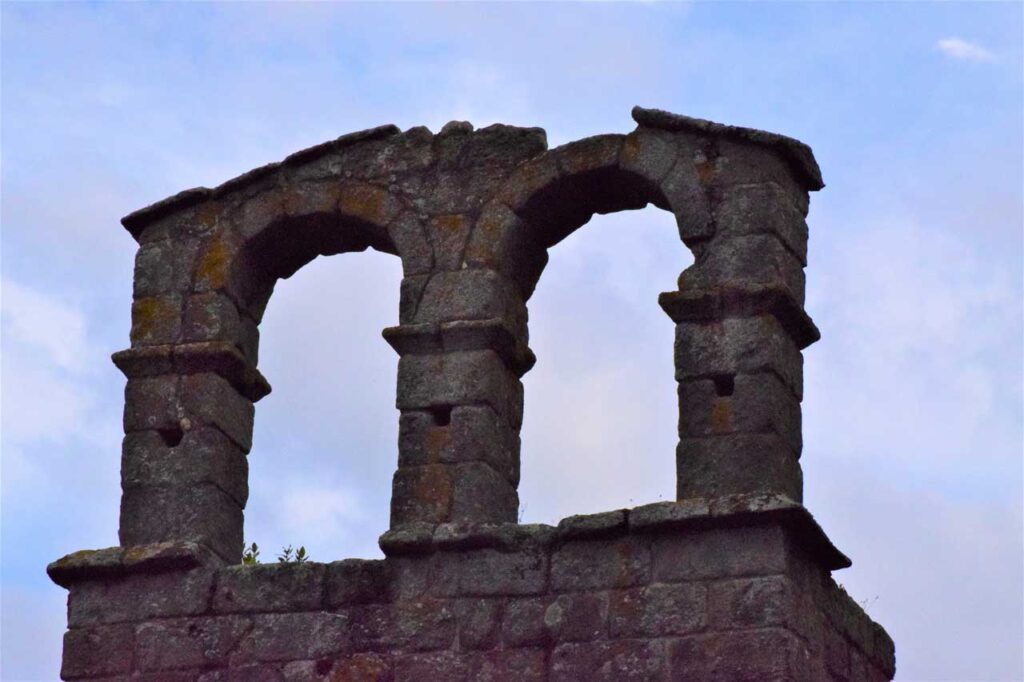
Contrary to what its name might suggest, Vilanova de Arousa is a place with antiquity, as evidenced by Paleolithic remains found on As Sinas beach and Bronze Age findings located in Tremoedo and Baión. There are also remains of a castro culture in Baión and a Roman occupation such as the small treasure of 717 […]
Castro da Cidá
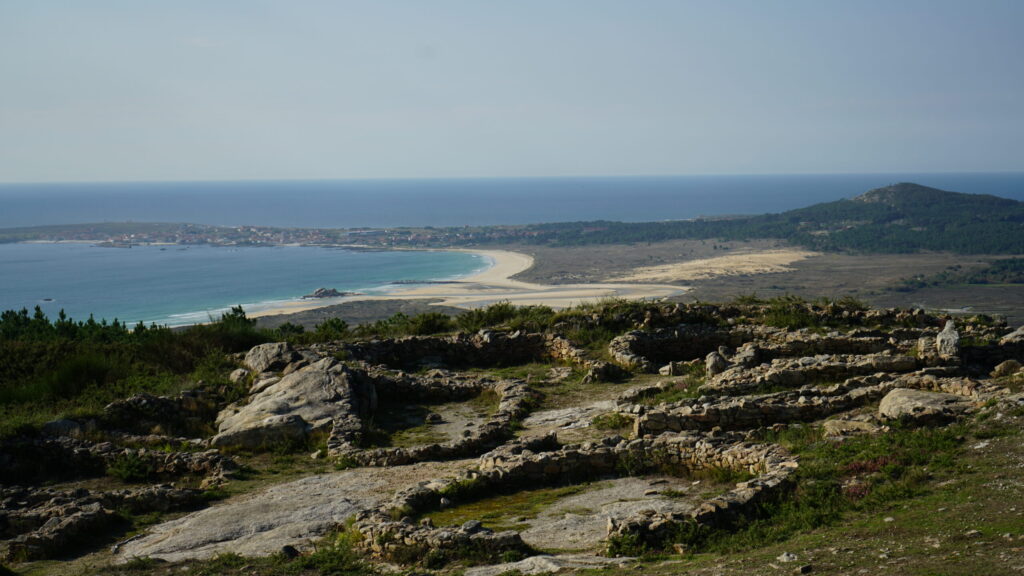
Castro da Cidá is located at the westernmost tip of the Barbanza peninsula, on a small mountain with an altitude of 210 meters. This hill, due to its panoramic views, became a strategic location. From it, you can observe the Ría de Arousa, Cabo Corrubedo, its town, and the Parque Natural do Complexo dunar de […]
Toralla Castro
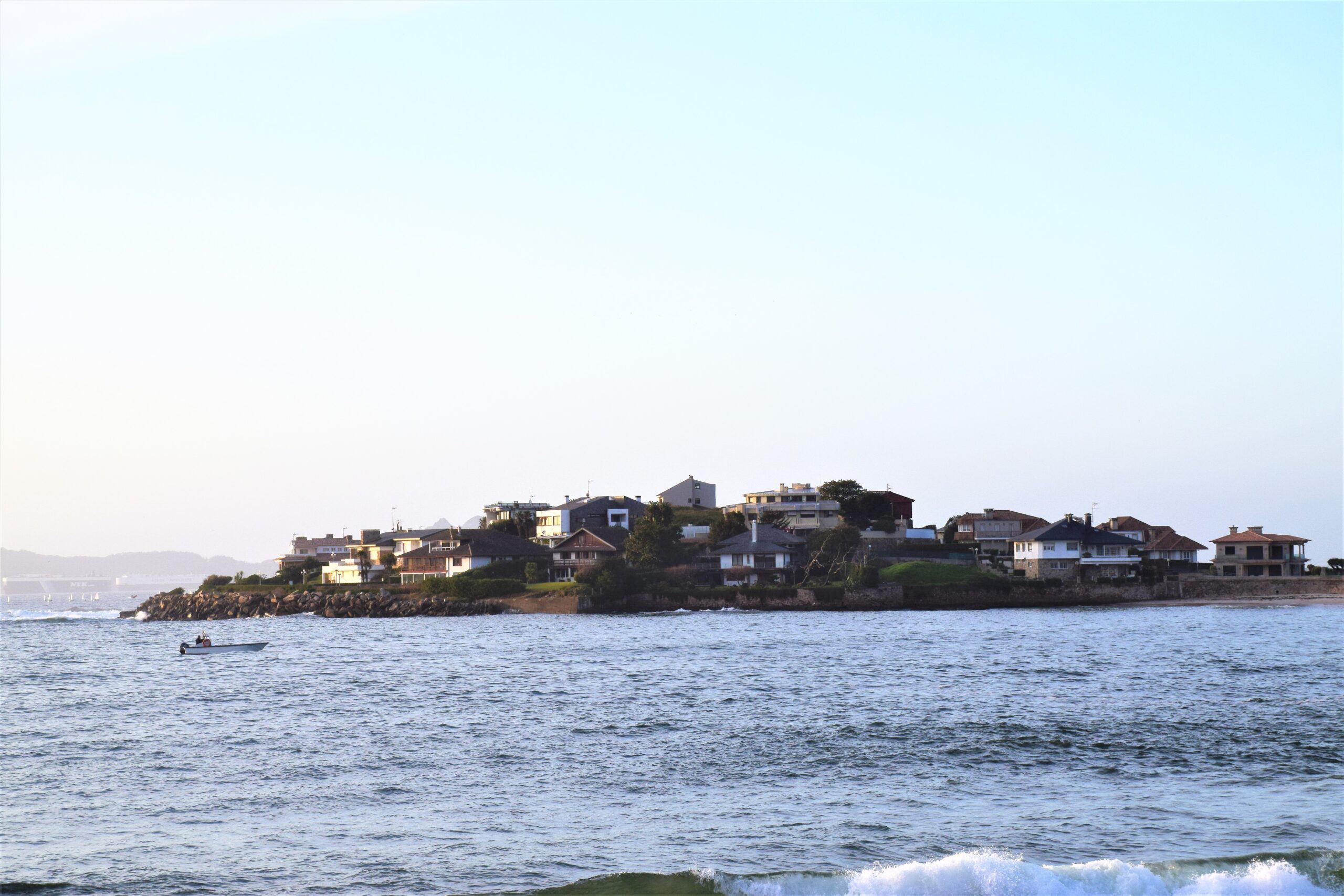
The Toralla castro is located on a small island in the Vigo estuary. It had a wall 3 meters thick and 1 meter high. Since the 1980s, numerous interventions have been carried out, which have brought to light an important batch of Punic materials, including some fragments of red slip pottery. Possibly, the Toralla castro […]
Castros of Neixón

The castros of Neixón are located on a small peninsula situated inside the ría de Arousa, specifically in one of the innermost areas of it, located to the NNE. Its location is strategic in relation to the maritime trade circuit; at the same time, its placement must be related to the mining wealth of the […]
Castro de Ribadumia
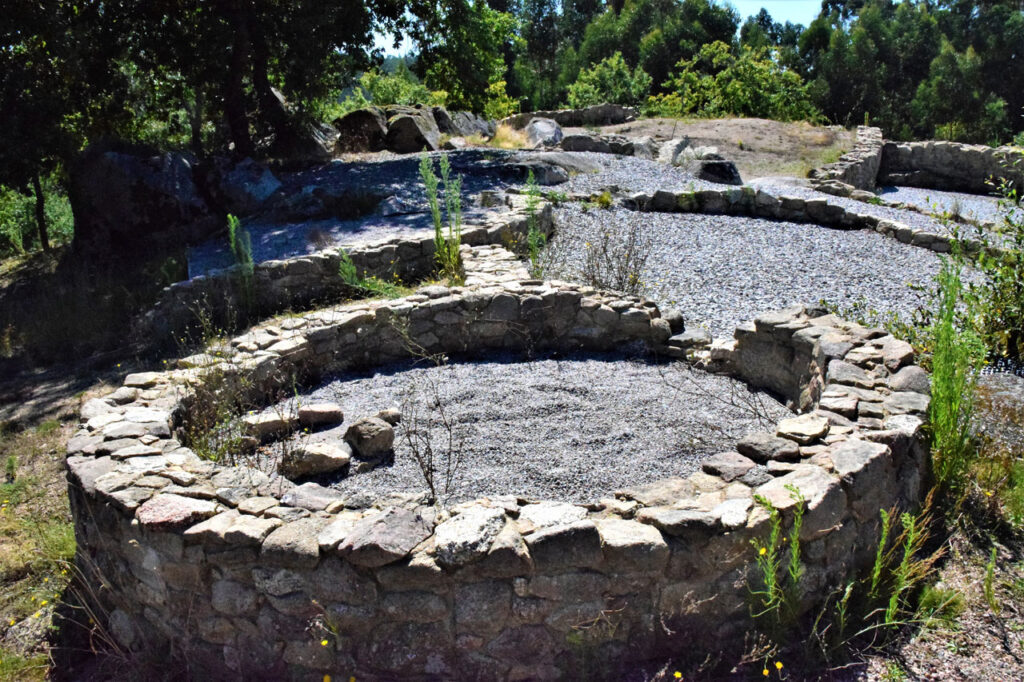
The archaeological site of Monte de O Castro, in Ribadumia, is a fortified Iron Age settlement located at 110 meters high. It is situated on a spur with a wide view over the final valley of the Umia River. Based on its documented remains, it is believed to have been inhabited during the 4th century […]
Castro Punta Ostreira

The Castro of Punta Ostreira, also known as Castro de Alberne or Os Castriños, is an Iron Age settlement. It is located on a promontory overlooking one of the entrances to the bay of A Pobra do Caramiñal, occupying one end of the former estate of the monastery of San Antonio de Xobre.
Castro O Castriño
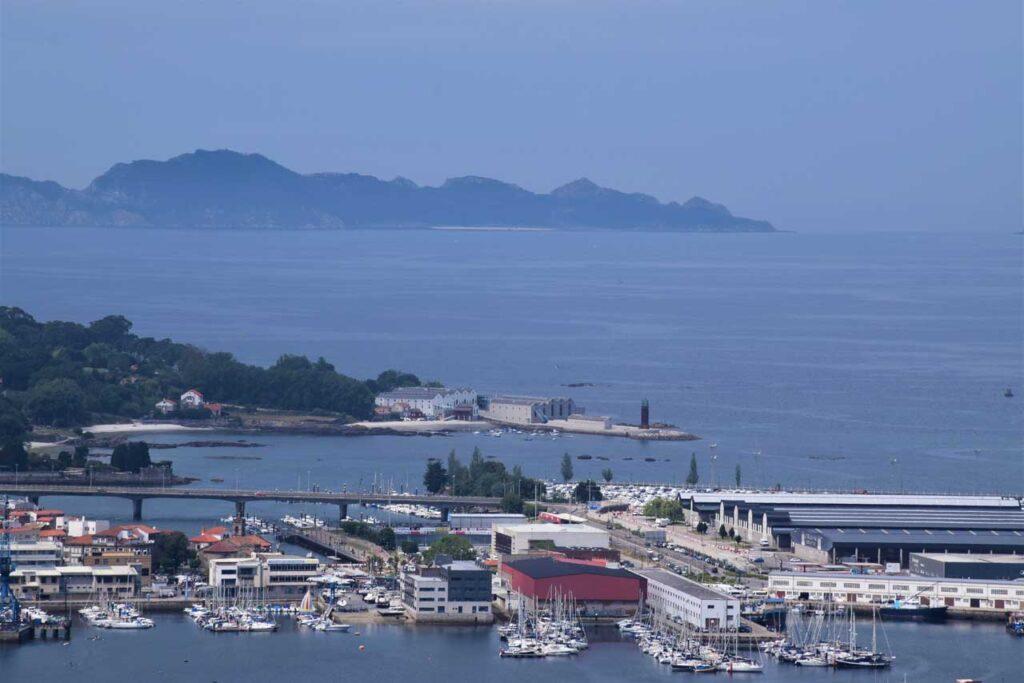
The castro known as O Castriño is one of the five castros located along the Vigo coastline. It is situated in the parish of Coia. Numerous fragments of castro pottery of different types were found at O Castriño, along with foreign ceramic remains, mainly represented by Punic amphorae. These findings date this castro between the […]
Castro de Chandebrito and the Phoenician Society
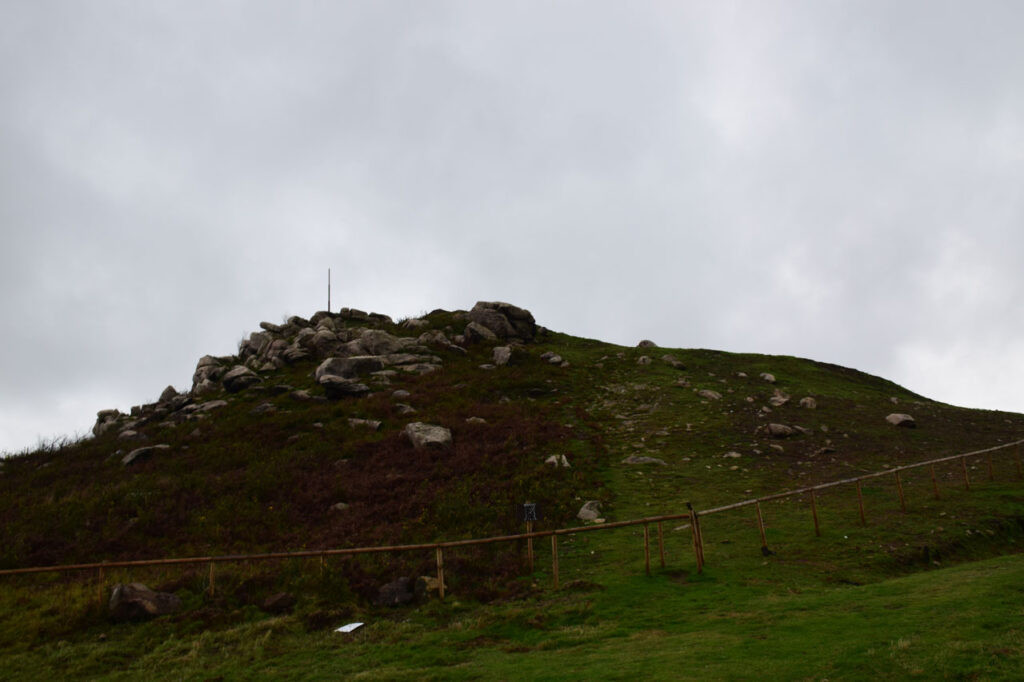
The Castro de Chandebrito is located in the parish of San Xosé de Chandebrito, situated in the Pontevedra municipality of Nigrán, on Mount O Castro, at 376 meters above sea level, which gives it a strategic geographical position. It is one of the castros that best preserves its original configuration. This castro is visible from […]
Montealegre Castro
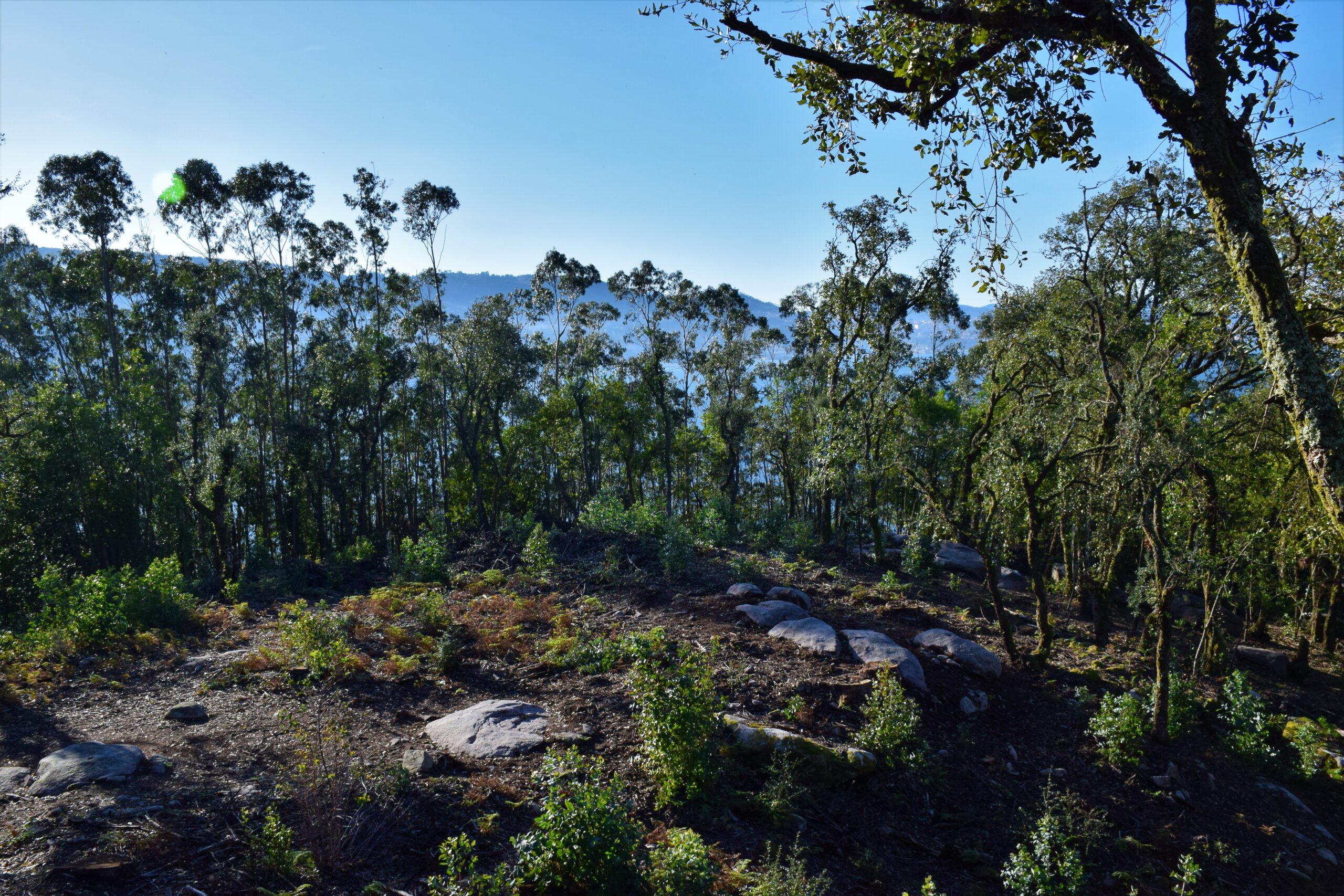
The Montealegre Castro, in Moaña, has provided an interesting set of Mediterranean imports, mainly from the mid-2nd century BC to the early 1st century AD. Located on the southern coast of the Morrazo peninsula, in the Vigo estuary, through which the AP-9 highway currently passes, connecting Portugal and A Coruña. The importance of this castro […]
Castros A Forca and Santa Trega, Castro and Phoenician Culture
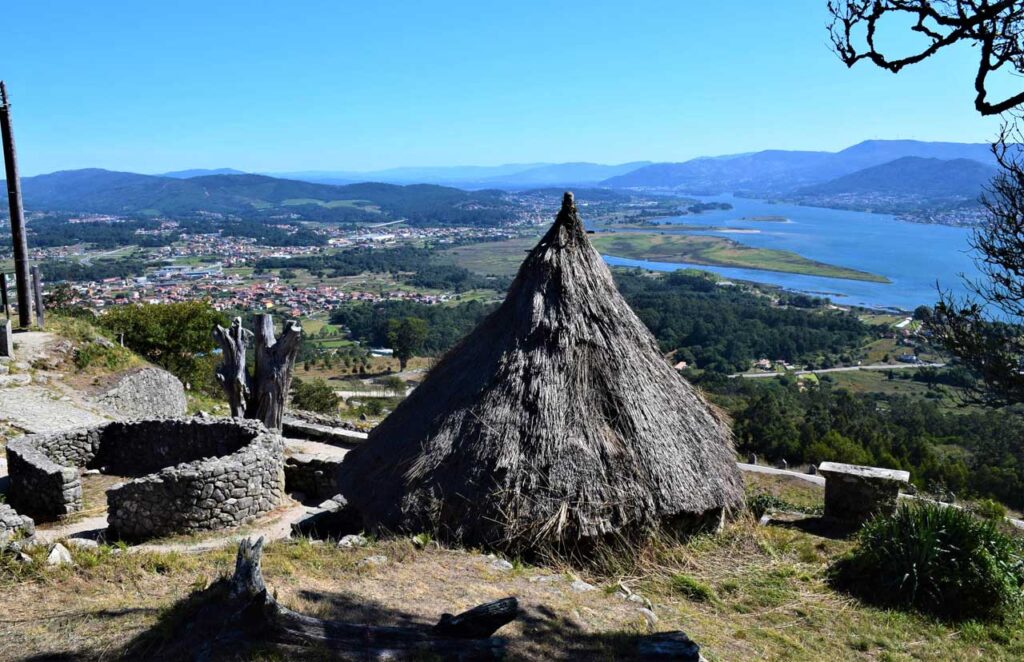
With its 20 hectares, Santa Trega is the largest oppidum in Galicia and one of the largest in the northwest. Oppidum (plural, oppida) is a Latin term that designates an elevated place, a hill or plateau, whose natural defenses have been reinforced by human intervention. The commercial importance of the area does not begin with […]